
 1-877-718-CLASSY (2527)
Contemporary Dining Room Tables
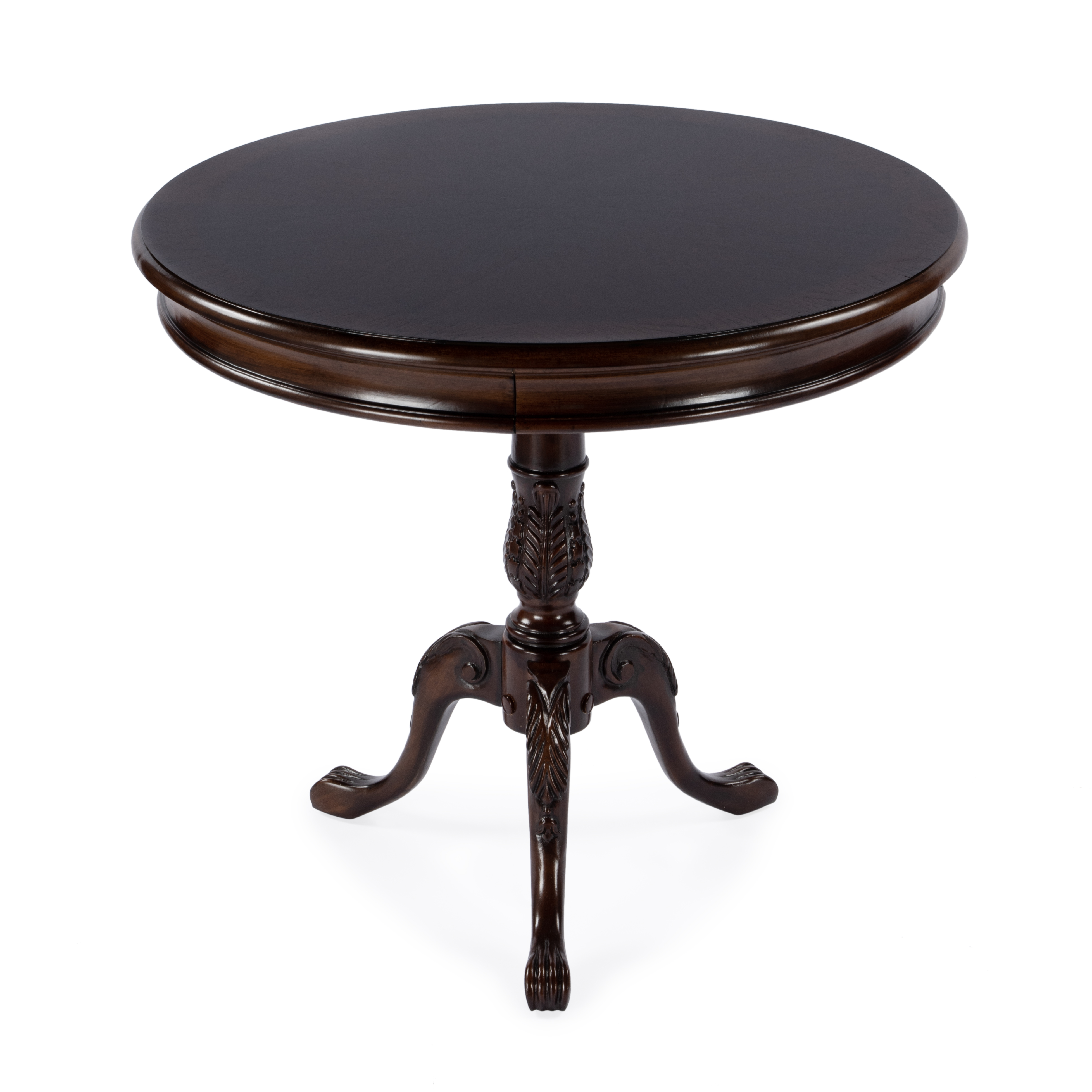
Contemporary dining tables are defined by their base style — hairpin, A-frame, trestle, X-base, or pedestal — and mixed-material construction, rather than shape alone, which follows the same sizing standards as all dining tables.
What shapes and forms do contemporary dining tables take?
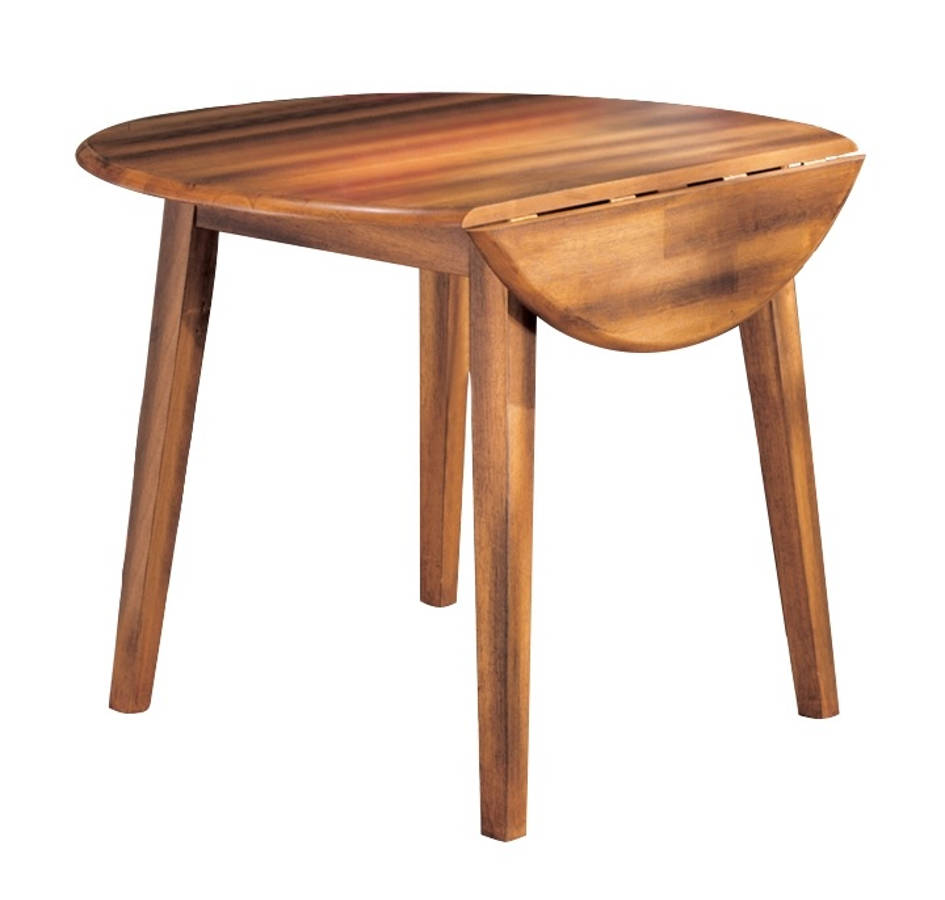
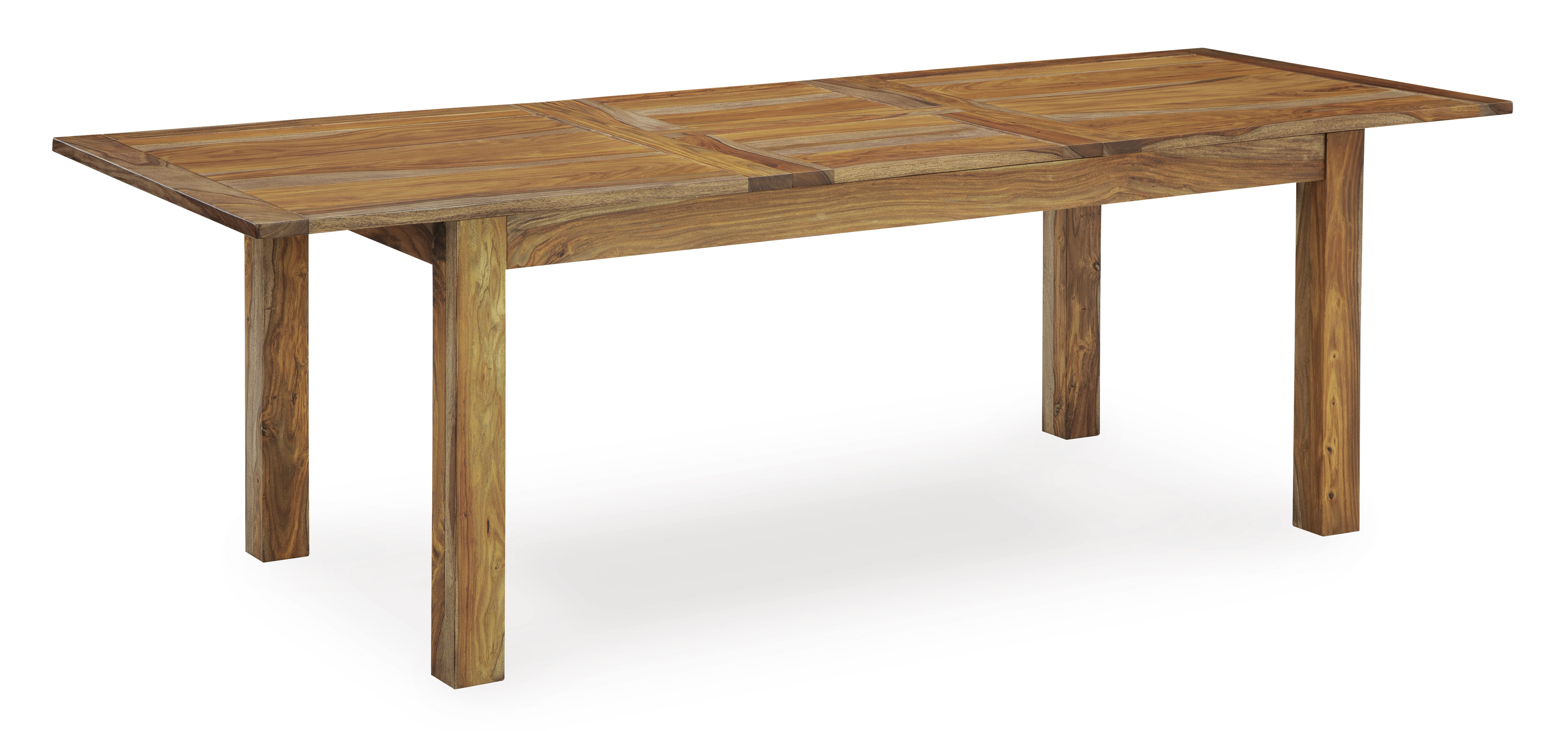
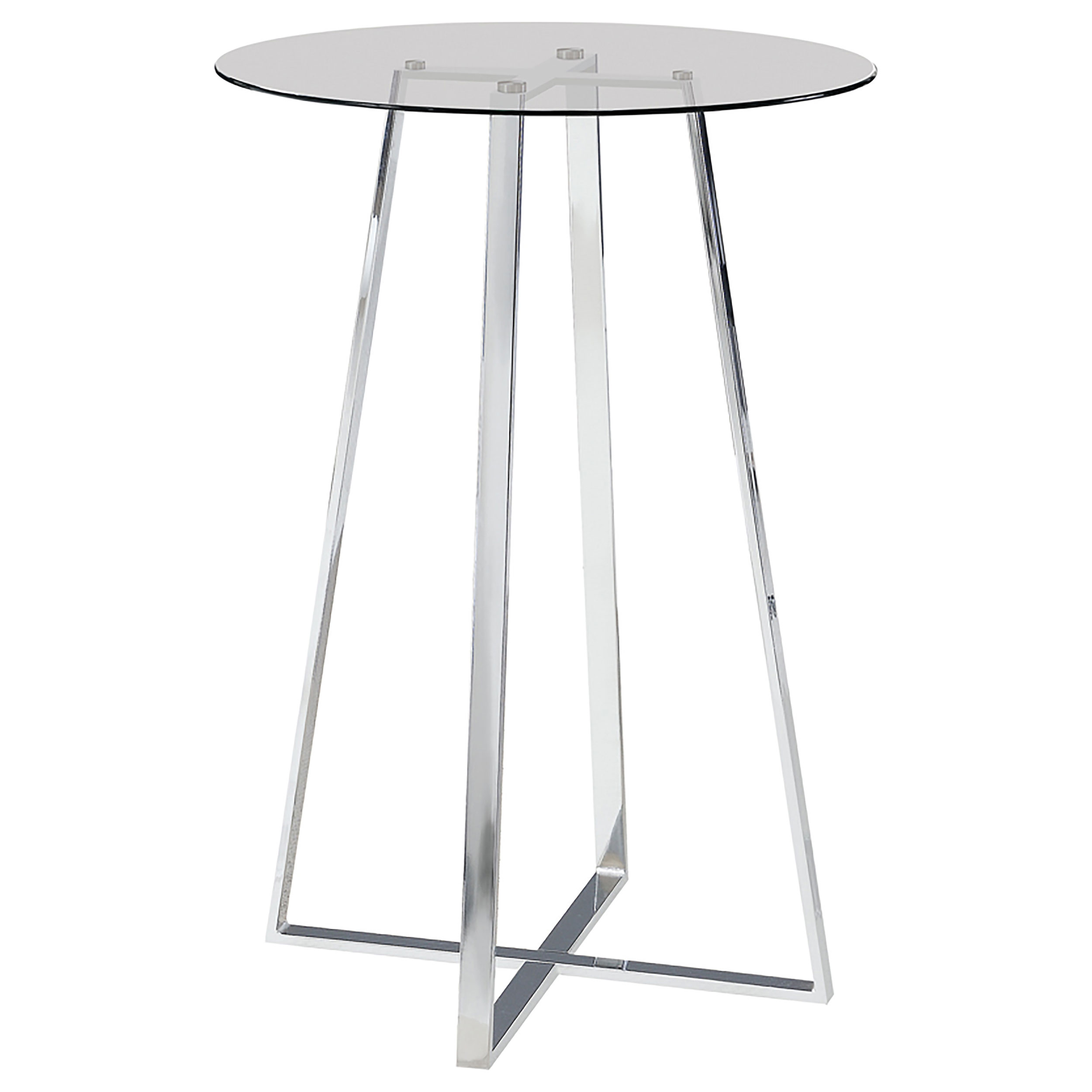
Contemporary dining tables appear in all standard shapes but are identified by their base and material treatment. Rectangular tables on hairpin or A-frame metal legs are the most common contemporary form. Live-edge slabs — wood cut to preserve the natural tree edge — are a prominent contemporary statement piece, typically paired with metal legs to contrast the organic top with an industrial base. Glass tops on geometric or sculptural metal bases are a classic contemporary combination. Round pedestal tables in a matte or powder-coated finish suit contemporary compact dining spaces.
What leg and base styles define contemporary tables?
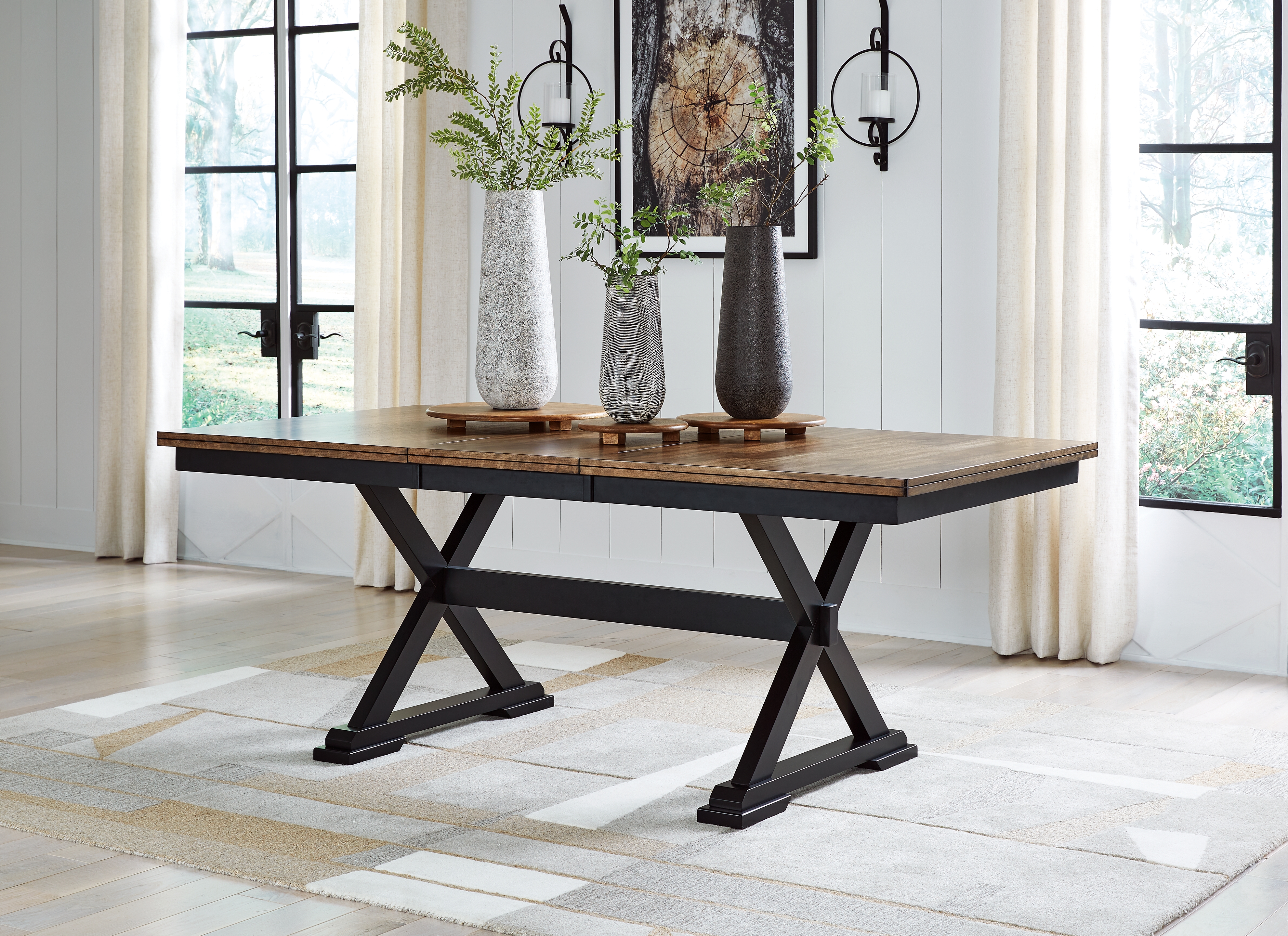
Hairpin legs — thin bent-steel rods — are one of the most recognized contemporary base elements, popular for their minimal profile and industrial-meets-organic pairing with wood tops. A-frame and trestle bases use two angled or vertical supports connected by a horizontal stretcher, providing stability without corner legs. X-base tables feature crossed legs viewed from the side, creating a geometric statement. Waterfall edge tables form the base from the same surface material as the top — the edge flows continuously down to the floor in an unbroken slab. Pedestal bases on contemporary tables tend to be more geometric or conical than the turned columns of traditional dining tables.
What top materials work best in contemporary dining rooms?
Solid white oak and walnut are the dominant wood choices in contemporary dining room design because of their visible grain character and suitability for simple oil or matte lacquer finishes. Glass tops — tempered, at least 3/8 inch thick — pair naturally with metal bases and keep a visual lightness in smaller rooms. Concrete tops provide texture and an industrial element but add significant weight (a concrete top can weigh 200 to 400 pounds depending on size), which affects both shipping and the base required to support it. Engineered stone and sintered stone tops provide a similar look to concrete at reduced weight with better stain resistance.
Do contemporary dining tables come with extension options?
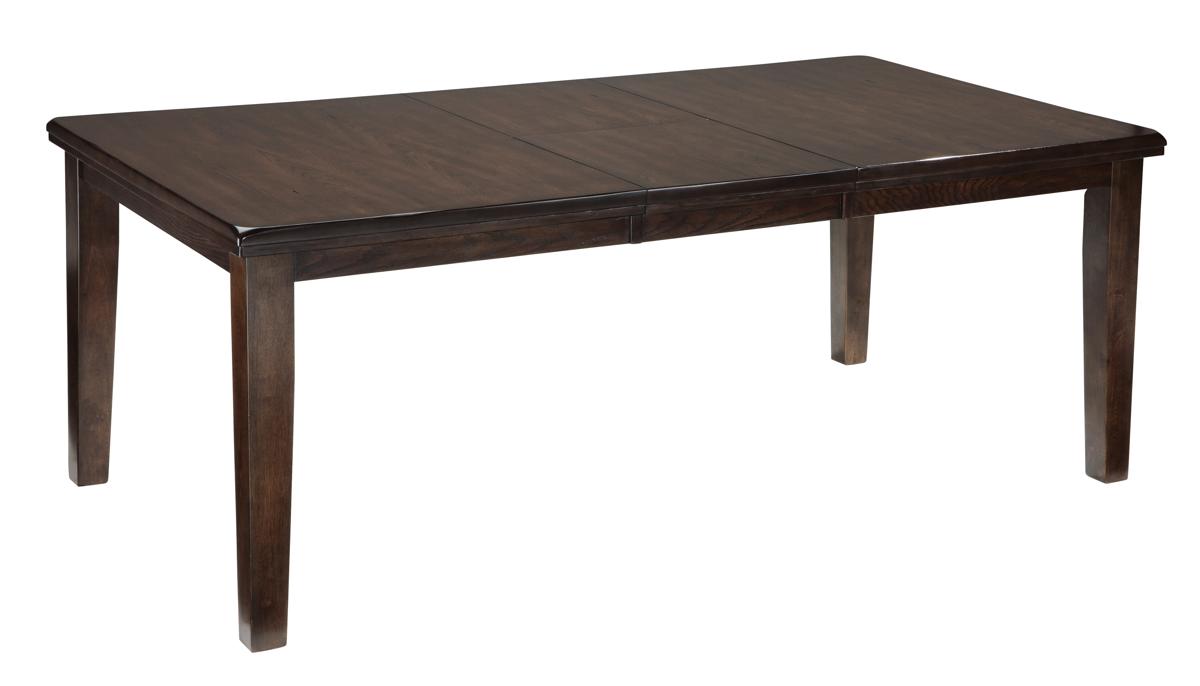
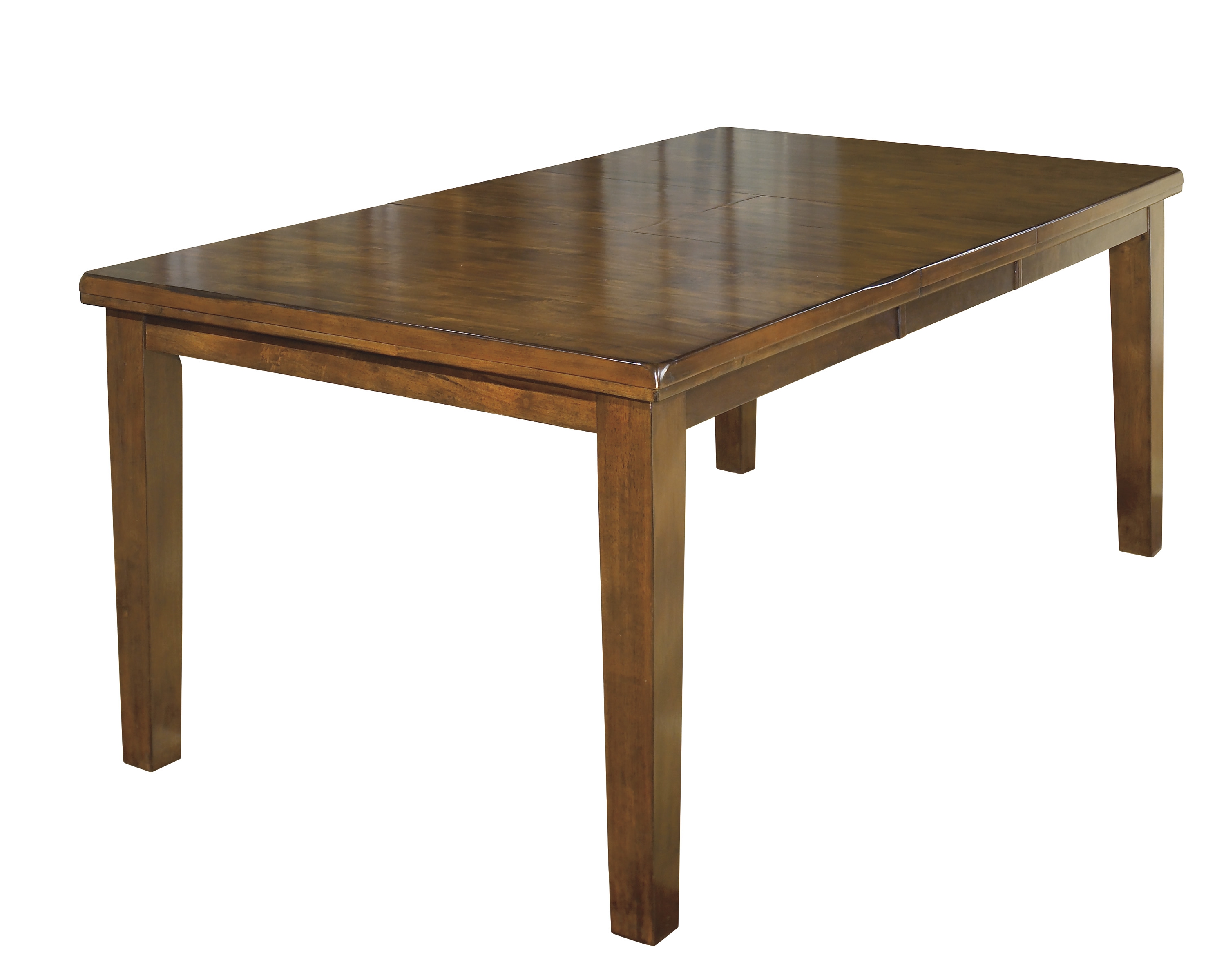
Yes. Extension options are available in contemporary designs, though the extension mechanism must be concealed cleanly for the table to maintain its contemporary aesthetic. Butterfly leaf mechanisms — where the leaf is stored inside the table and unfolds open — are the most compatible with contemporary design because no leaf storage is needed and the table surface closes cleanly when compact. Tables with visible apron seams or leaf gaps when closed can undermine the contemporary look. Confirm that the extension mechanism does not create a visible disruption in the tabletop surface when the table is at its base size.