
 1-877-718-CLASSY (2527)
Black Coffee Tables
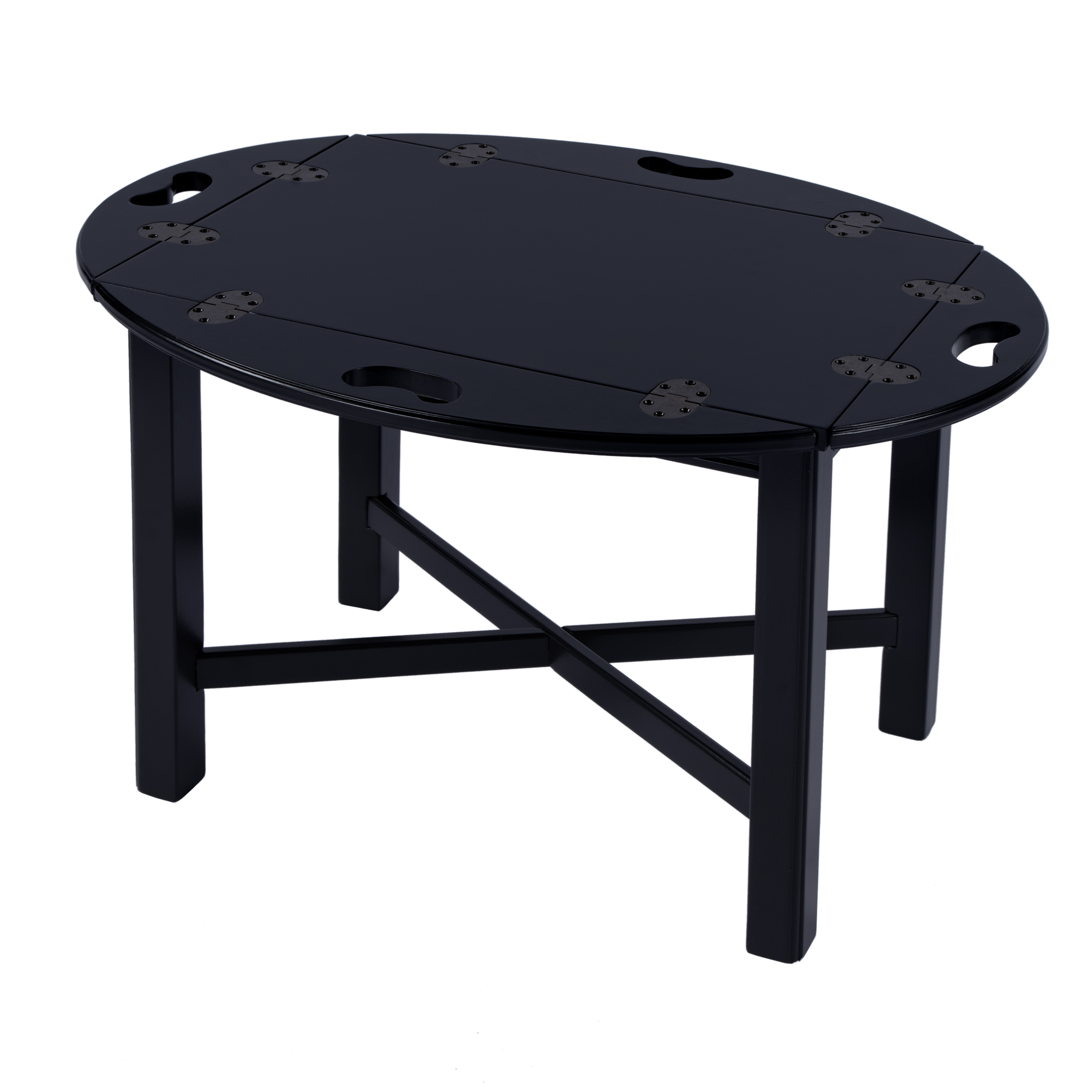
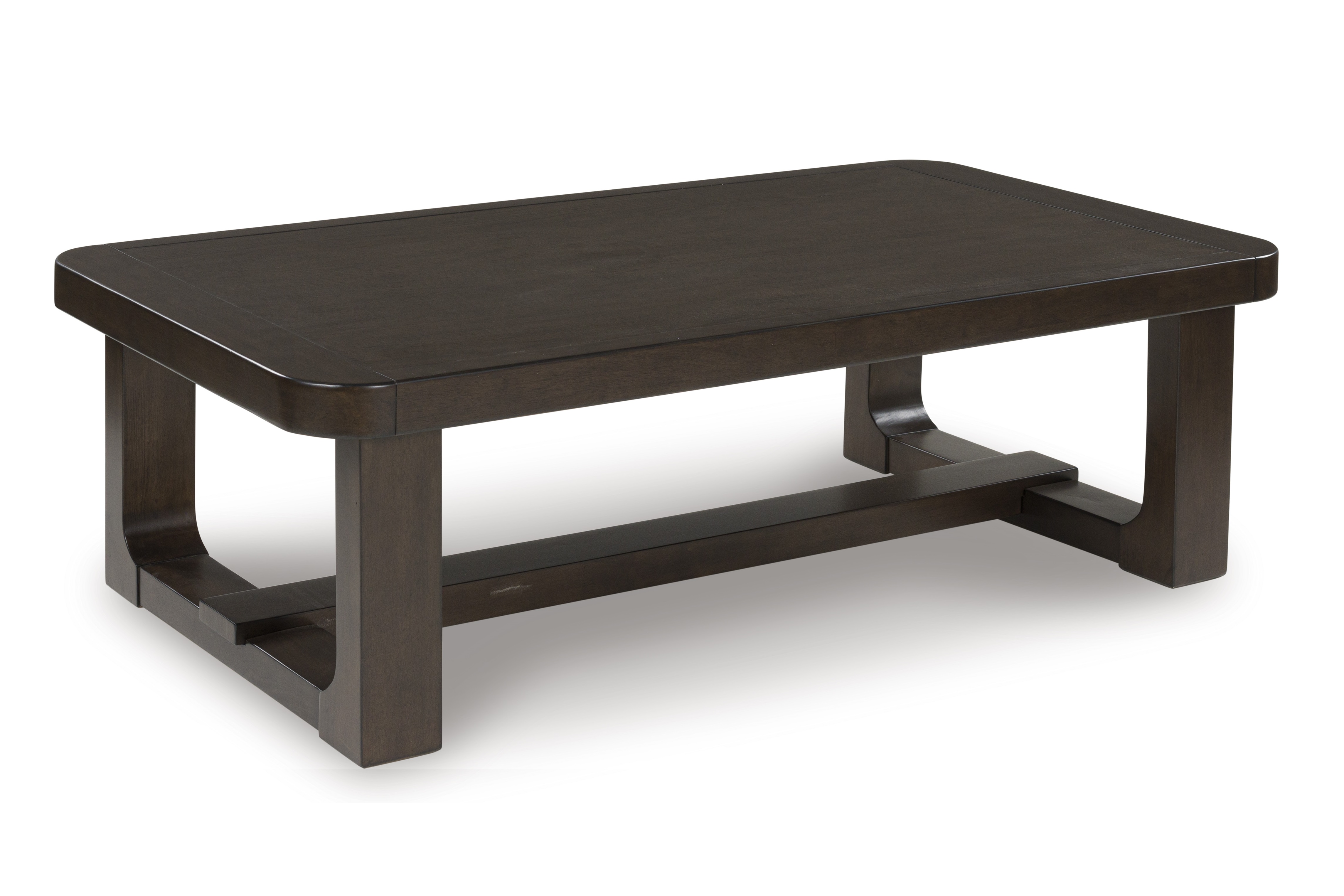
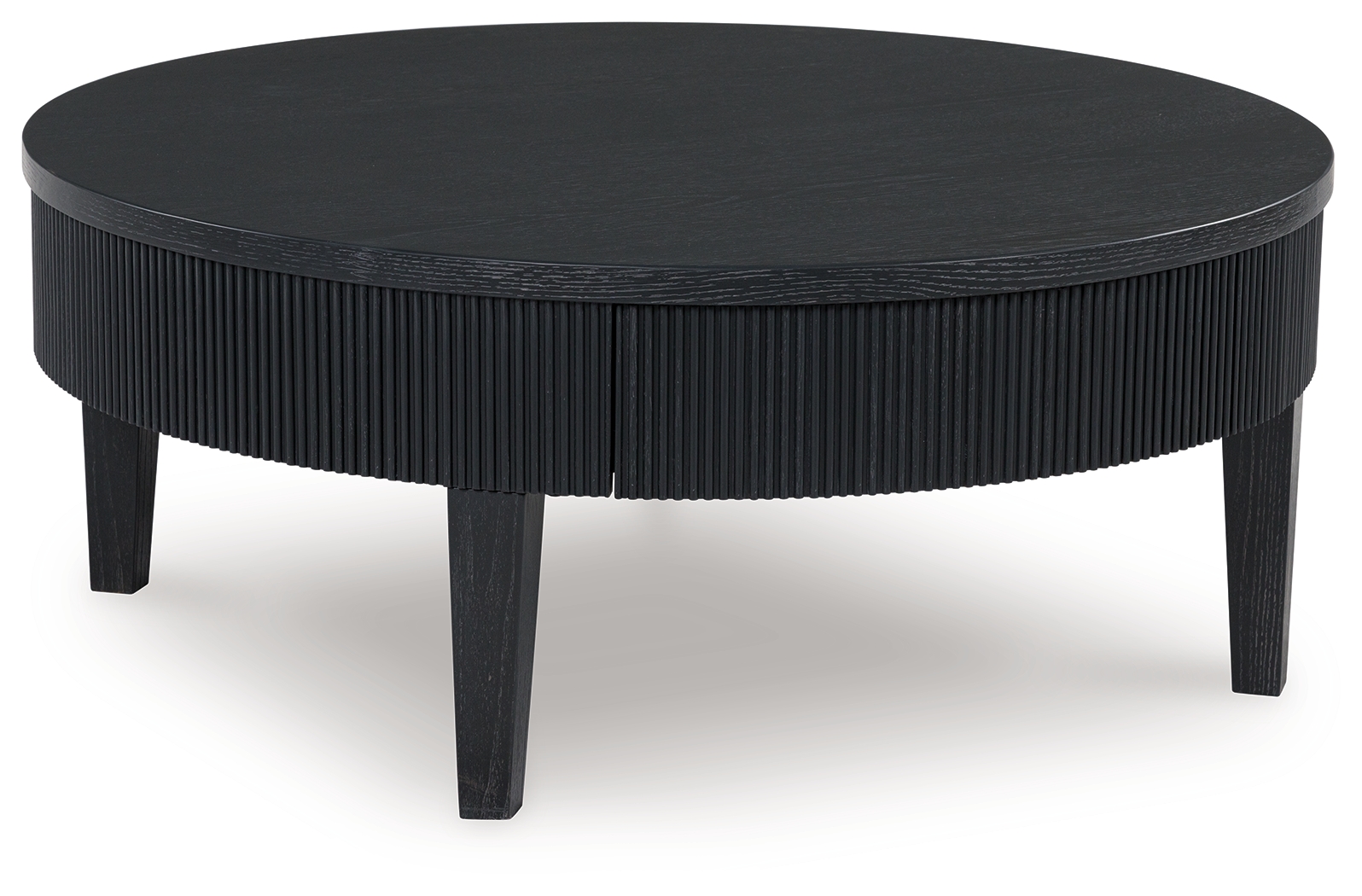
Black coffee tables are among the most versatile options available because black functions as a neutral that pairs with virtually any sofa color. The three most common materials in black coffee tables are powder-coated metal, lacquered wood, and black marble — each with different durability and aesthetic properties.
How does a black coffee table work with different sofa and rug colors?
Black coffee tables anchor a seating group by providing visual contrast against the sofa and rug beneath them. Light-colored sofas — cream, ivory, warm white, warm gray — create the strongest contrast against a black table and produce a high-impact composition. Camel and cognac leather sofas with a black coffee table are a pairing that appears frequently in both traditional and contemporary rooms, combining warmth with graphic contrast. For rugs, a light-colored area rug beneath a black coffee table creates a visible ground plane that separates the table from the flooring and keeps the room feeling open. A dark rug with a black table in a small room creates a heavy, merged visual zone. In larger rooms, a dark rug — charcoal, navy, or forest green — under a black table works when the surrounding walls and sofa are sufficiently light to provide contrast from above.
What are the differences between black lacquered wood, black metal, and black marble coffee tables?
Black lacquered wood tables have a smooth, high-gloss or semi-gloss surface that reads as formal and polished. The lacquer finish shows fingerprints and surface scratches, and chips at corners over time — they are best suited to lower-traffic living rooms or as a visual focal point where the pristine appearance is maintained carefully. Powder-coated metal (steel or iron) tables in black are the most durable option for daily use — the coating is bonded to the metal and resists scratching, chipping, and moisture. Metal-frame tables with open or geometric designs are particularly effective in contemporary and industrial-style rooms. Black marble (Nero Marquina, Portoro, or black-and-gold varieties) is a premium material: it is extremely durable against scratches, cool to the touch, naturally unique in pattern, and very heavy. Marble requires sealing once or twice a year to prevent staining from liquids. It suits formal, contemporary, and transitional rooms.
When is a black glass coffee table the right choice?
A black glass coffee table — typically a smoked or tinted glass top on a black metal or painted wood base — works in rooms where visual lightness is needed despite a dark material palette. The smoked glass surface reads darker than clear glass but still allows some visibility through the table top, preventing the piece from feeling as solid and heavy as an opaque black table. This is particularly useful in smaller living rooms where a fully opaque black table would anchor too heavily. Smoked glass also hides dust and fingerprints better than clear glass. The base finish in black ties the table visually to other black accents in the room (lamp bases, metal chair legs, TV stand). The tradeoff is that smoked glass scratches more visibly than tempered clear glass, and chips or cracks require full glass replacement.
What maintenance does a black coffee table require?
Matte and semi-matte powder-coated metal bases need only periodic wiping with a damp cloth — they do not require polish or conditioning. Lacquered wood surfaces should be cleaned with a slightly damp microfiber cloth and avoid exposure to alcohol-based cleaners, which strip the lacquer. Black marble requires regular sealing (once or twice annually) with a stone-specific sealer to prevent liquids from penetrating and staining; wipe spills immediately regardless. Avoid acidic cleaners (vinegar, lemon-based products) on marble as they etch the surface. Glass tops on any base require a streak-free glass cleaner applied with a lint-free cloth; microfiber cloths reduce streaking compared to paper towels.