
 1-877-718-CLASSY (2527)
Dining Room Tables
A dining room table is typically 30 inches tall and should be sized to allow 24 inches of width per person seated, with at least 36 inches of clearance from the table edge to any wall.
What shape dining table is best for different rooms?
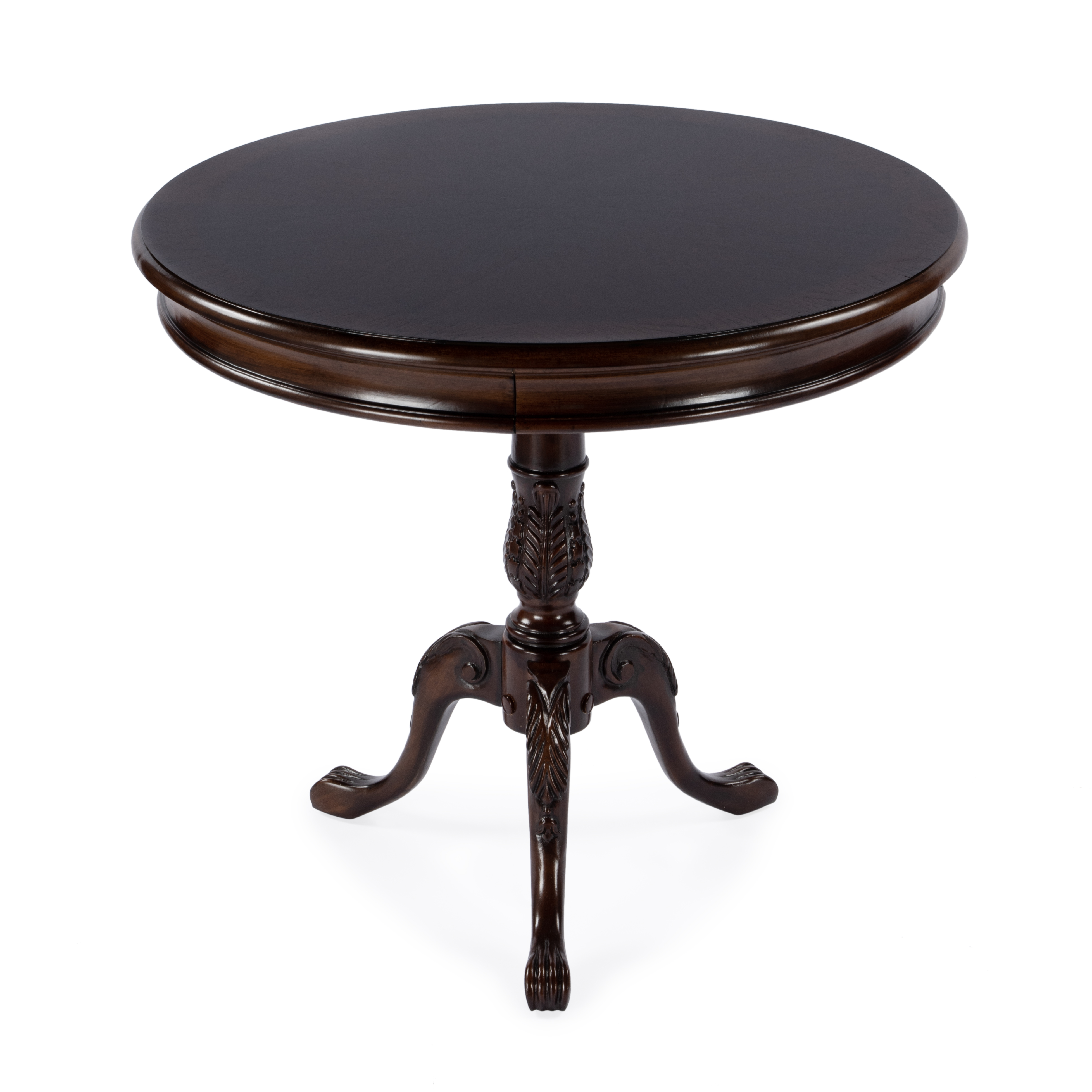
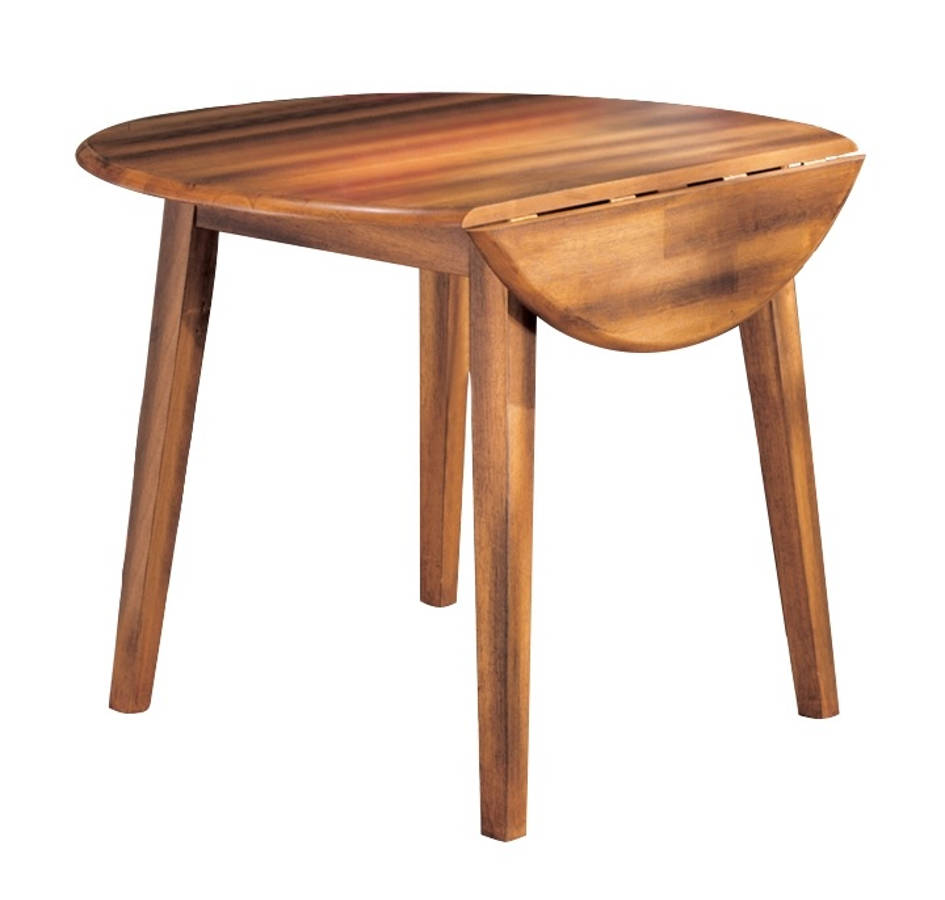
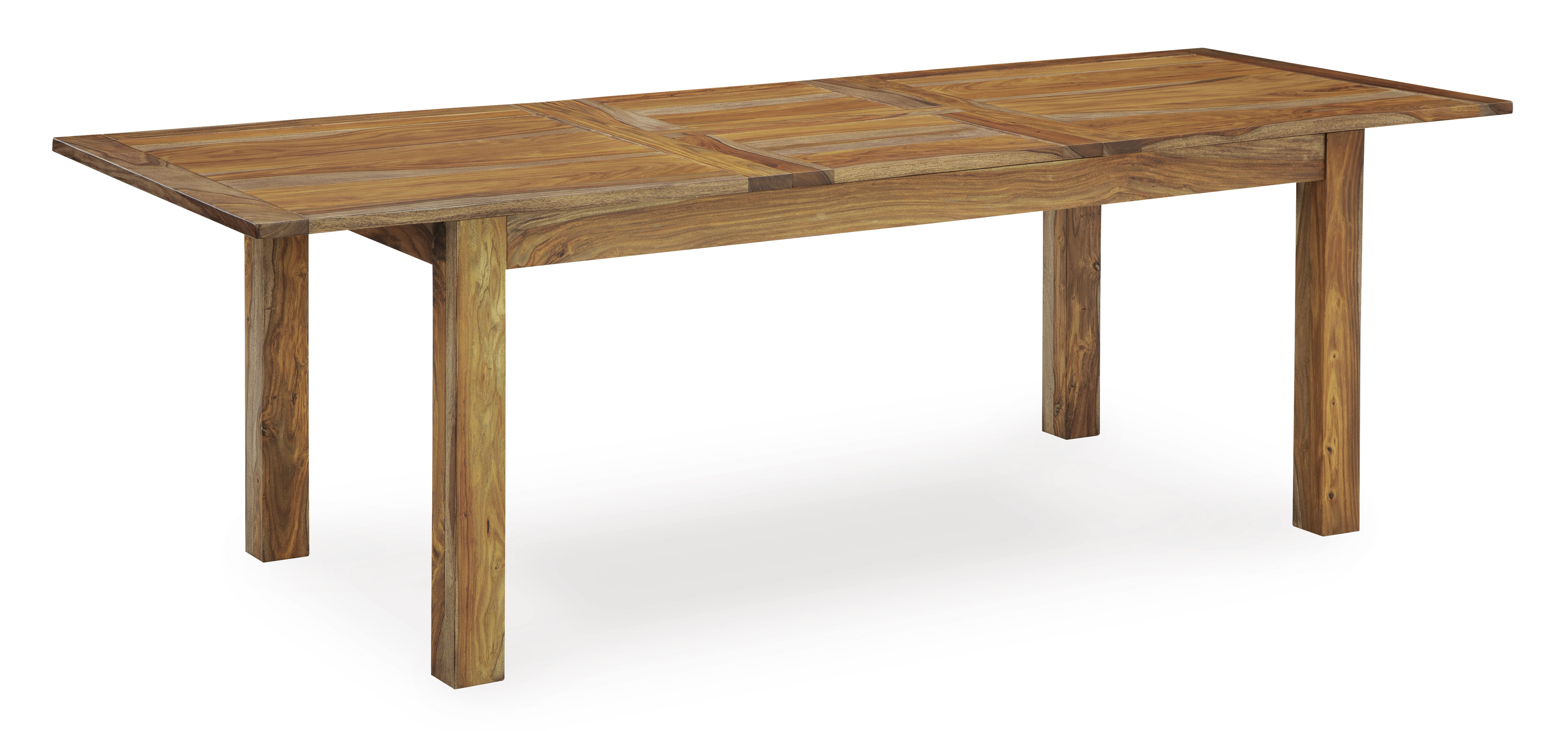
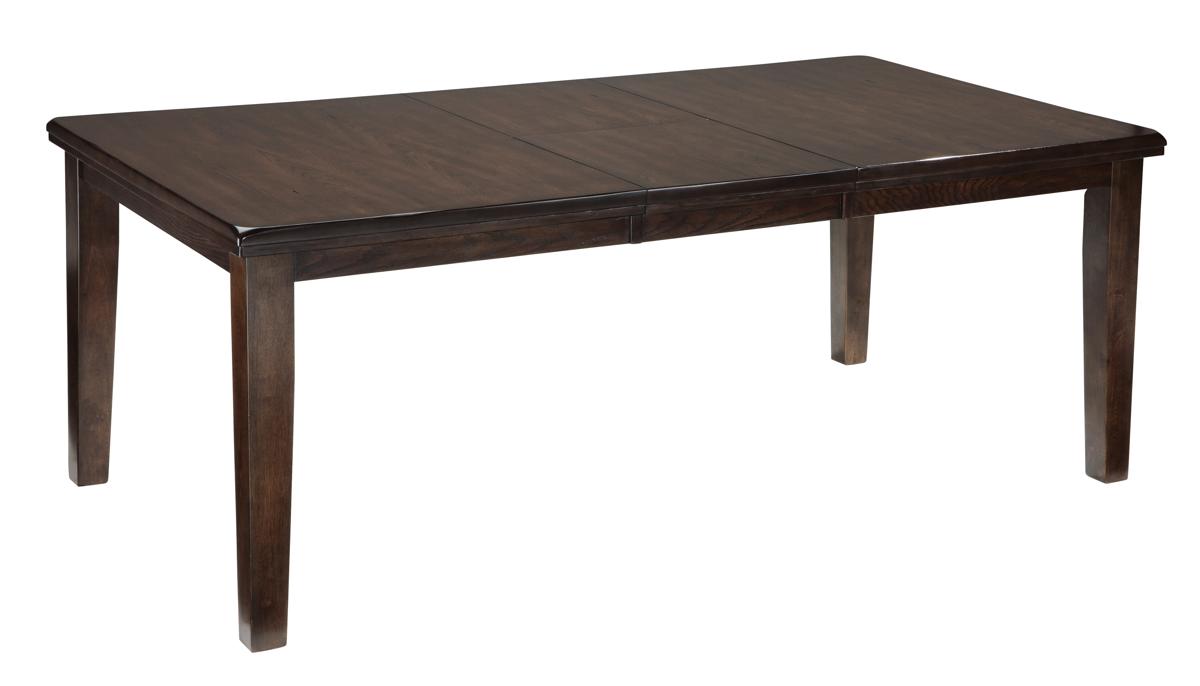
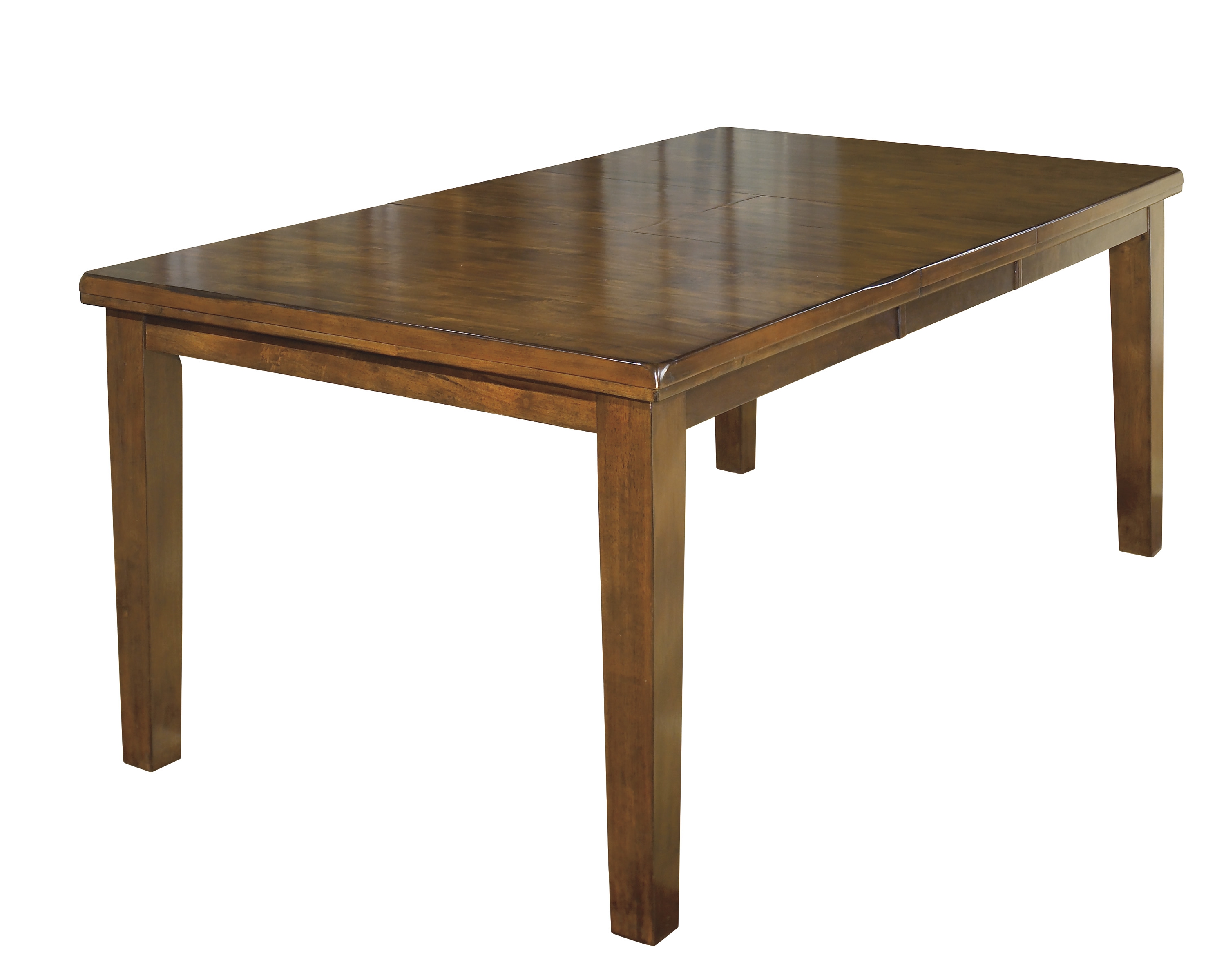
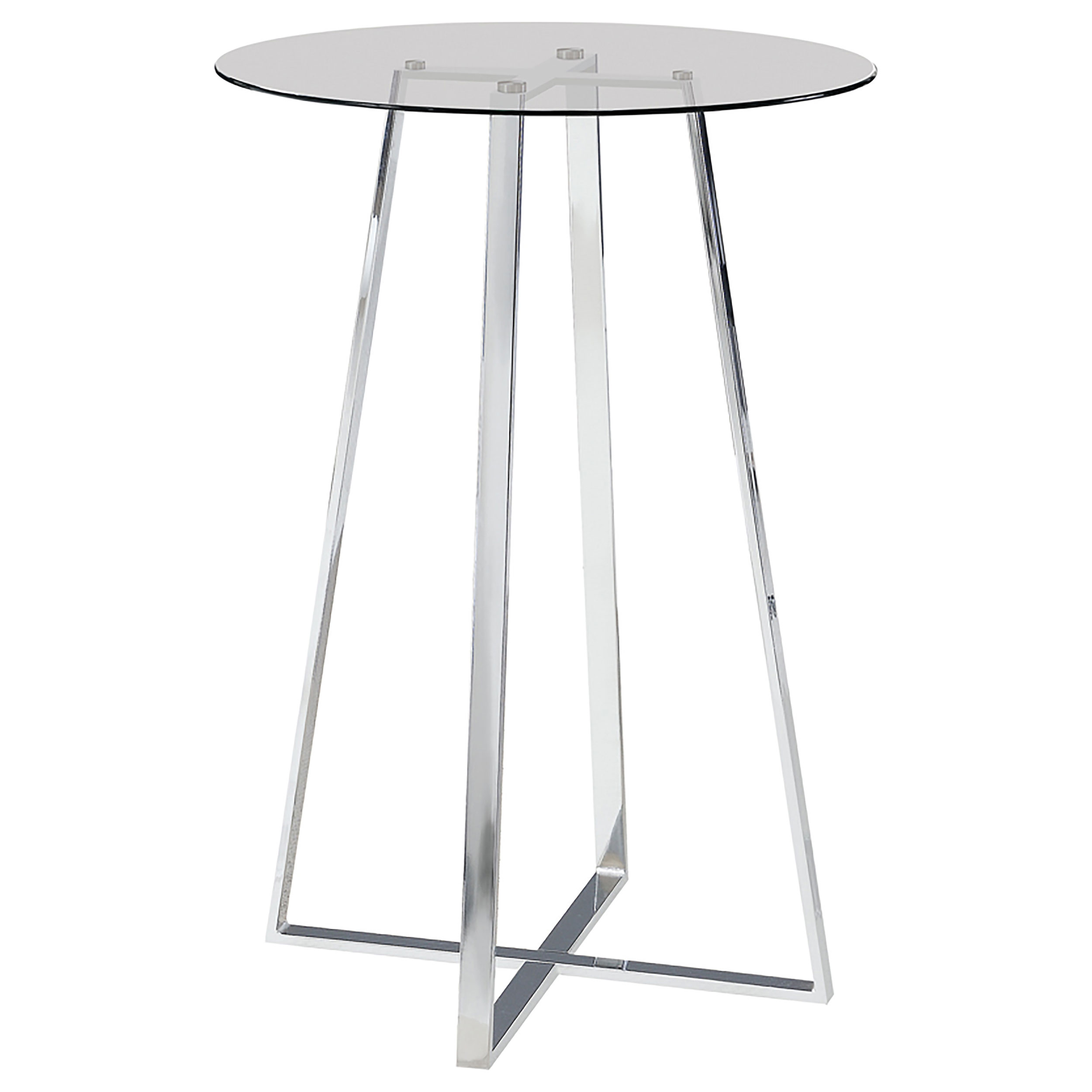
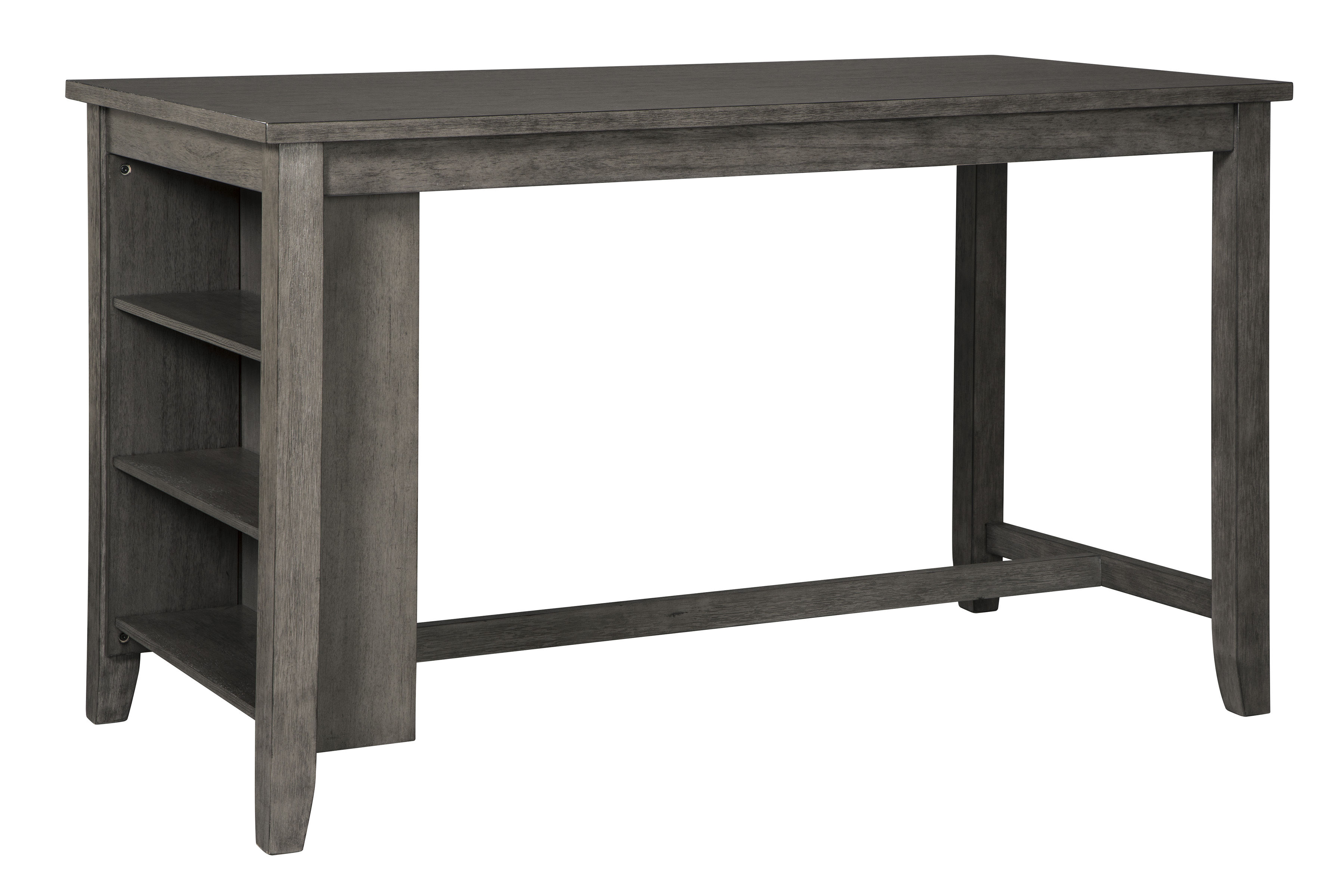
Rectangular tables are the most common shape and fit best in long or rectangular rooms. They seat the most people per square foot of table surface because both long sides are used fully. Round tables eliminate corners and allow all diners to see one another easily, making them ideal for square rooms and groups of four to six people. Oval tables provide the same elongated capacity as a rectangle while softening the visual shape of the room. Square tables are a practical choice for compact dining areas where exactly four seats are needed.
How do dining table leg styles affect seating?
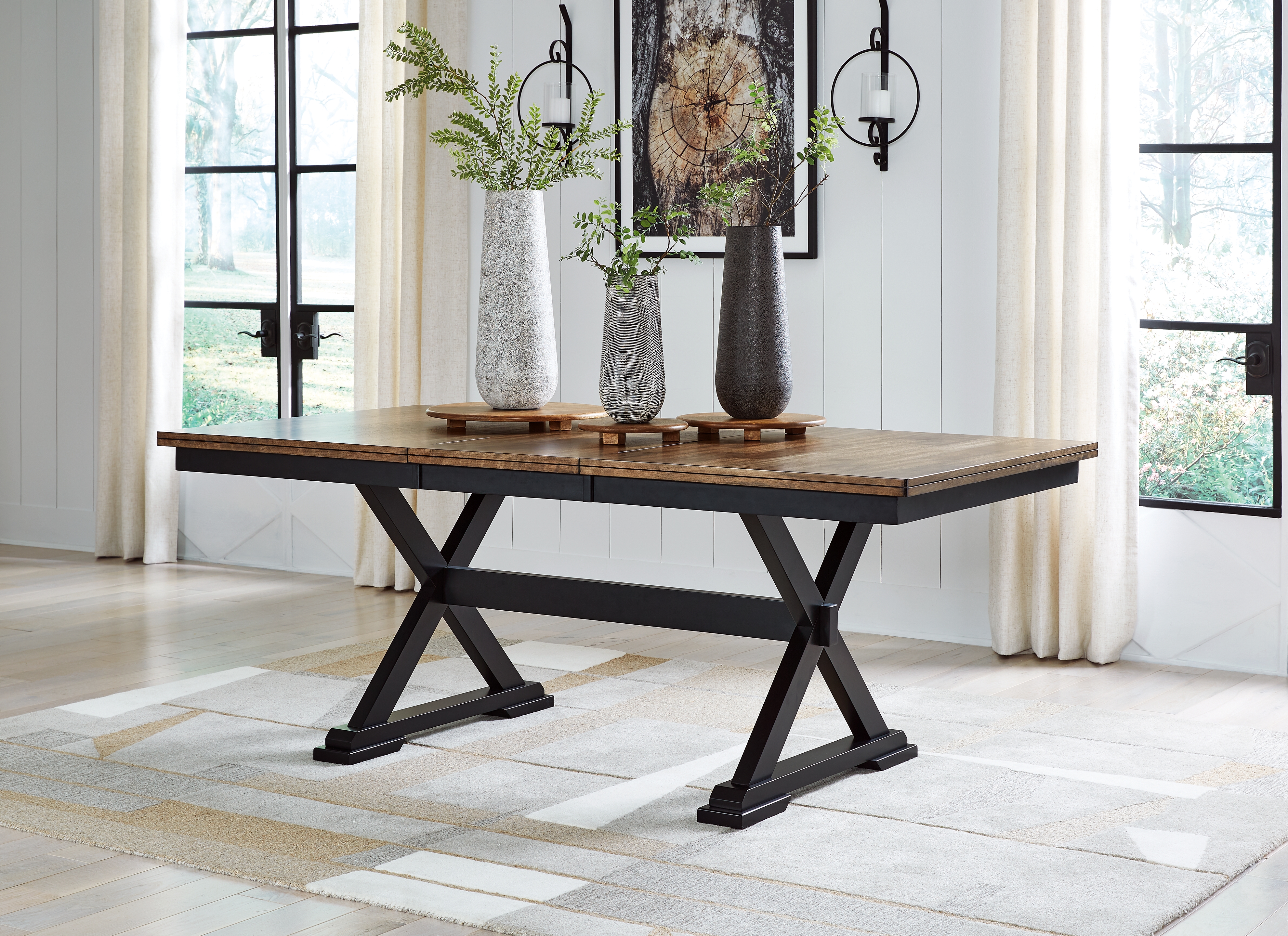
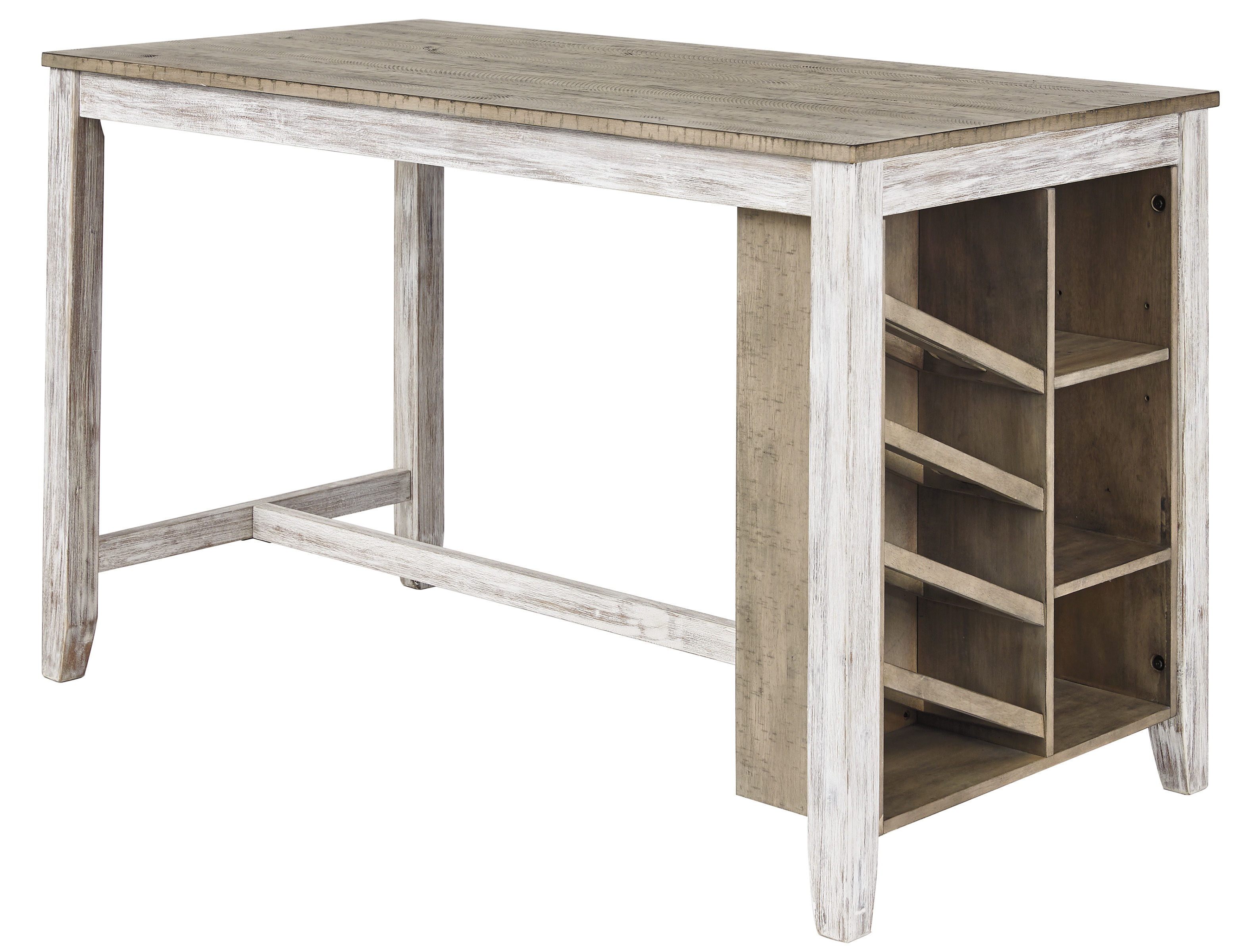
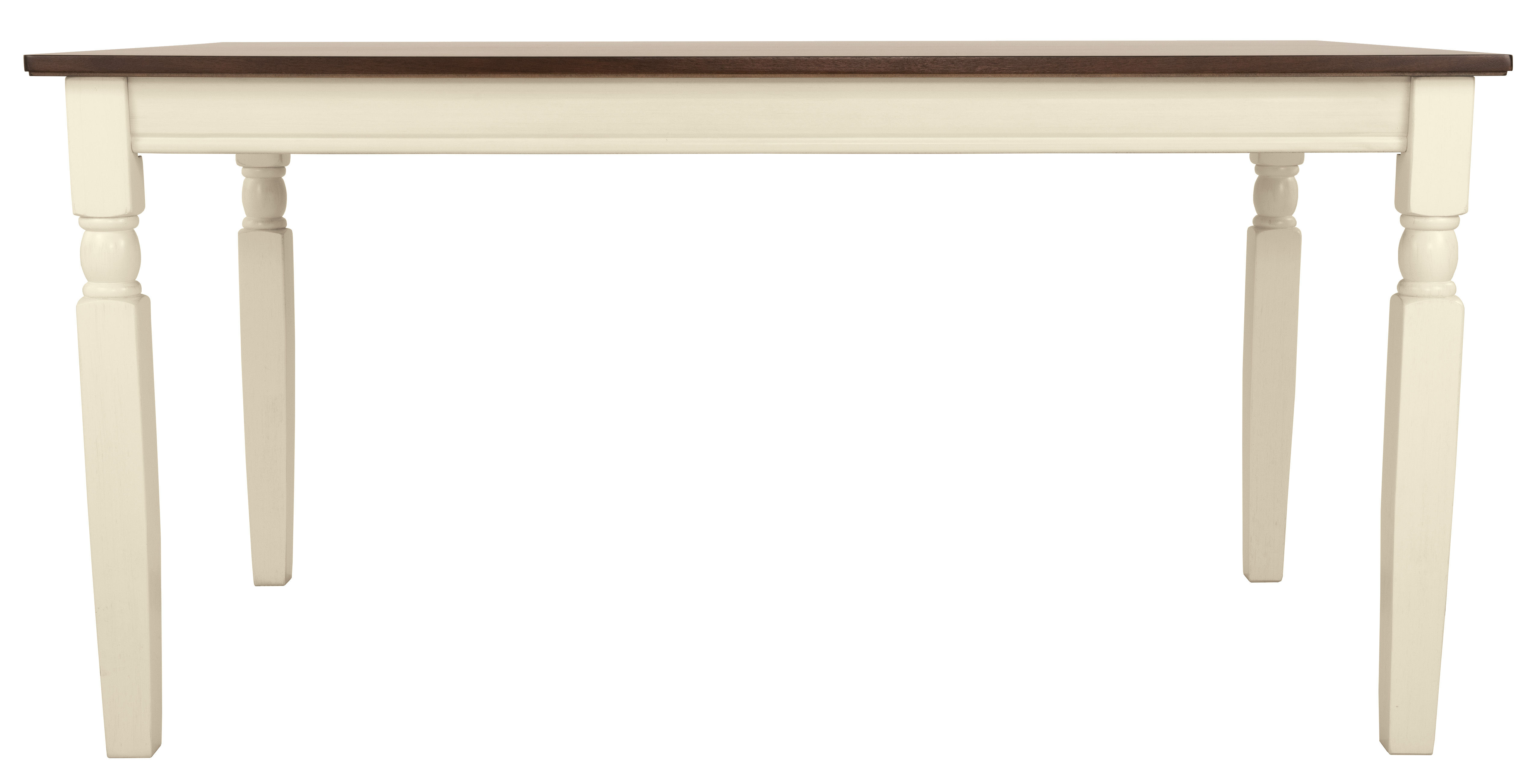
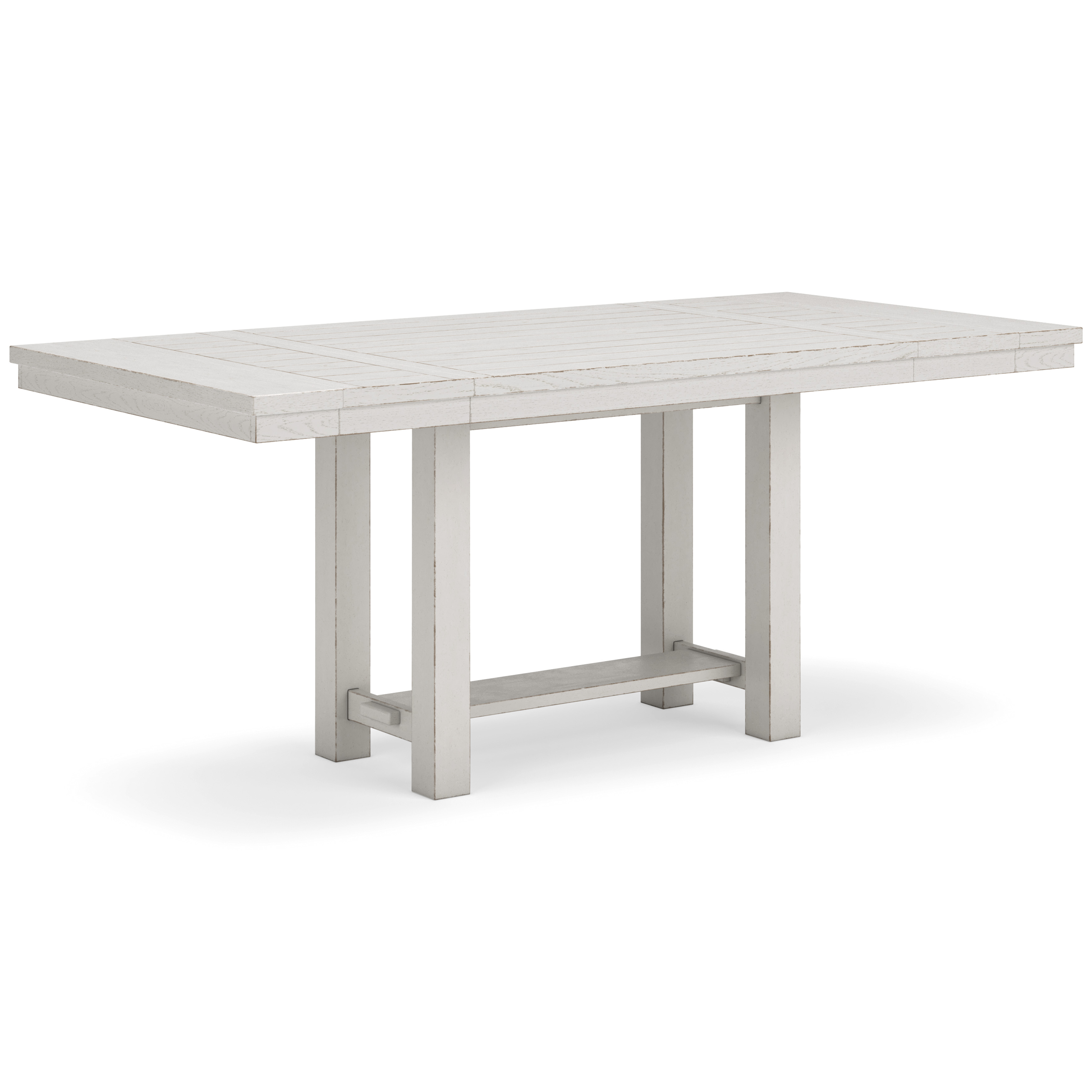
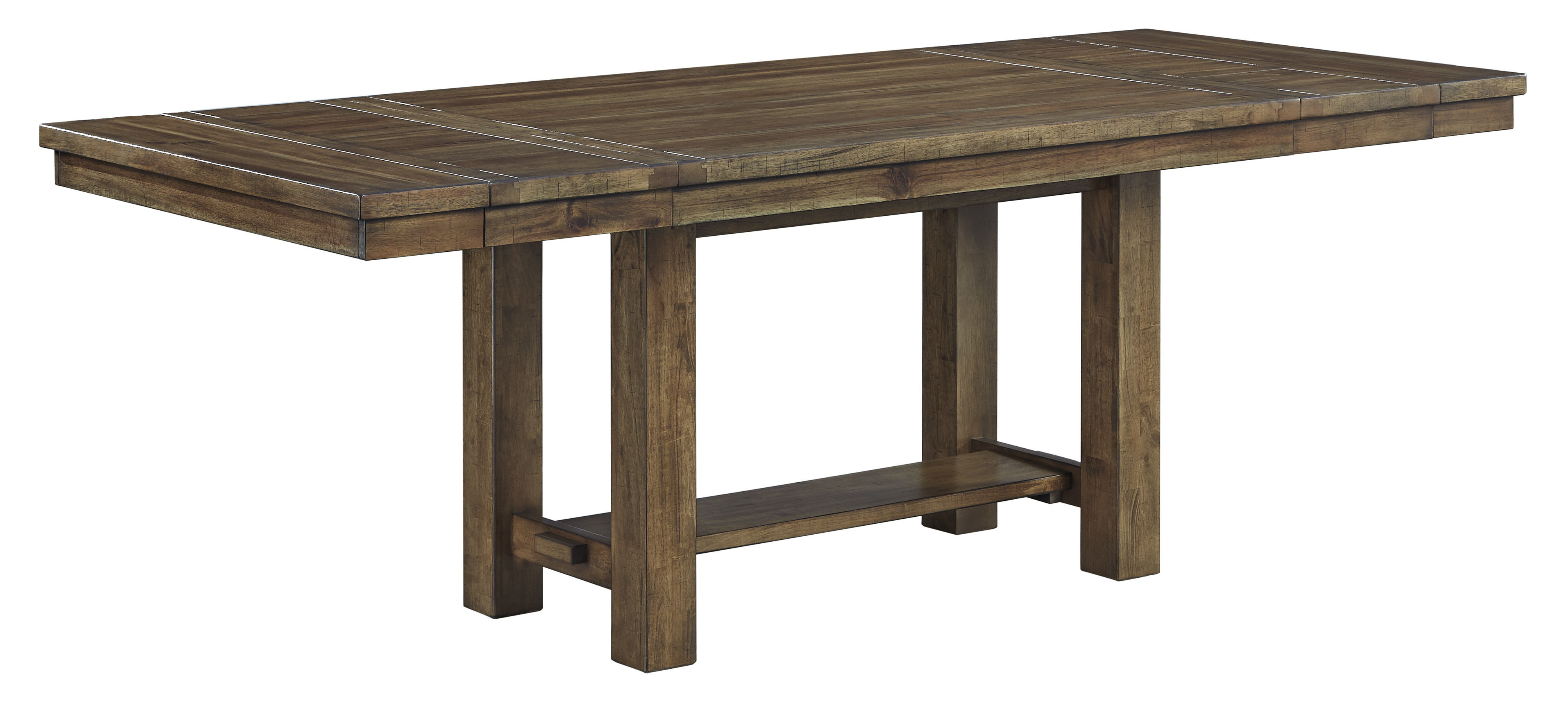
Pedestal bases — a single central column or two pedestals — allow chairs to slide in at any point around the table without being blocked by corner legs. This makes it easier to seat an extra guest and gives diners more legroom. Four-leg tables restrict corner seating because chairs at the corners must share space with the legs. Trestle bases use two vertical supports connected by a horizontal beam and provide a stable structure without corner legs, though the beam can limit knee space for center-seated guests.
What materials are most durable for dining tables?
Solid hardwood — oak, maple, walnut, and cherry — is the most durable option for everyday dining use. These woods resist denting, can be refinished when scratched, and typically outlast other materials by decades. Veneered tops use a thin layer of real wood over an engineered core; they look similar to solid wood but cannot be sanded down and refinished. Tempered glass tops are scratch-resistant and easy to clean but cannot have hot pots placed directly on them and show fingerprints readily. Laminate tops resist stains and scratches but cannot be refinished once the surface is damaged.
When does an extension table make sense?
Extension tables are practical when a household hosts occasional large gatherings but does not need permanent extra seating. A butterfly leaf stores inside the table and unfolds open without requiring a separate storage location — the most convenient option. A removable leaf inserts into a center gap when the table halves are pulled apart; it needs to be stored somewhere when not in use. Drop leaves fold down on hinges from the sides, making them ideal for very small spaces where the table must be compact most of the time.