
 1-877-718-CLASSY (2527)
Modern Dining Room Tables
Modern dining tables are defined by their base style — trestle, hairpin, A-frame, or pedestal — and surface finishes that reveal the material, with solid walnut and white oak being the most widely used woods in the style.
What forms define a modern dining table?
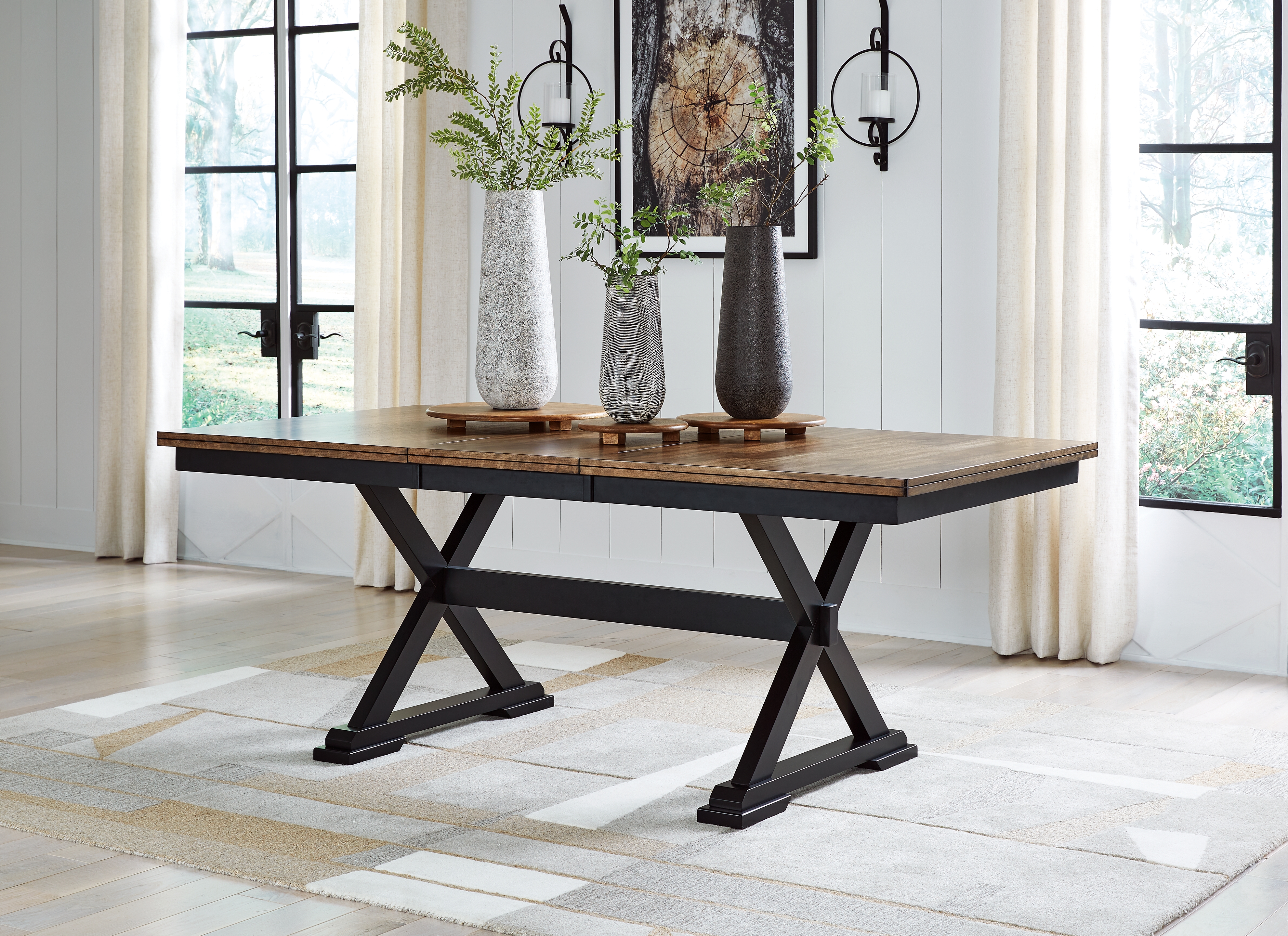
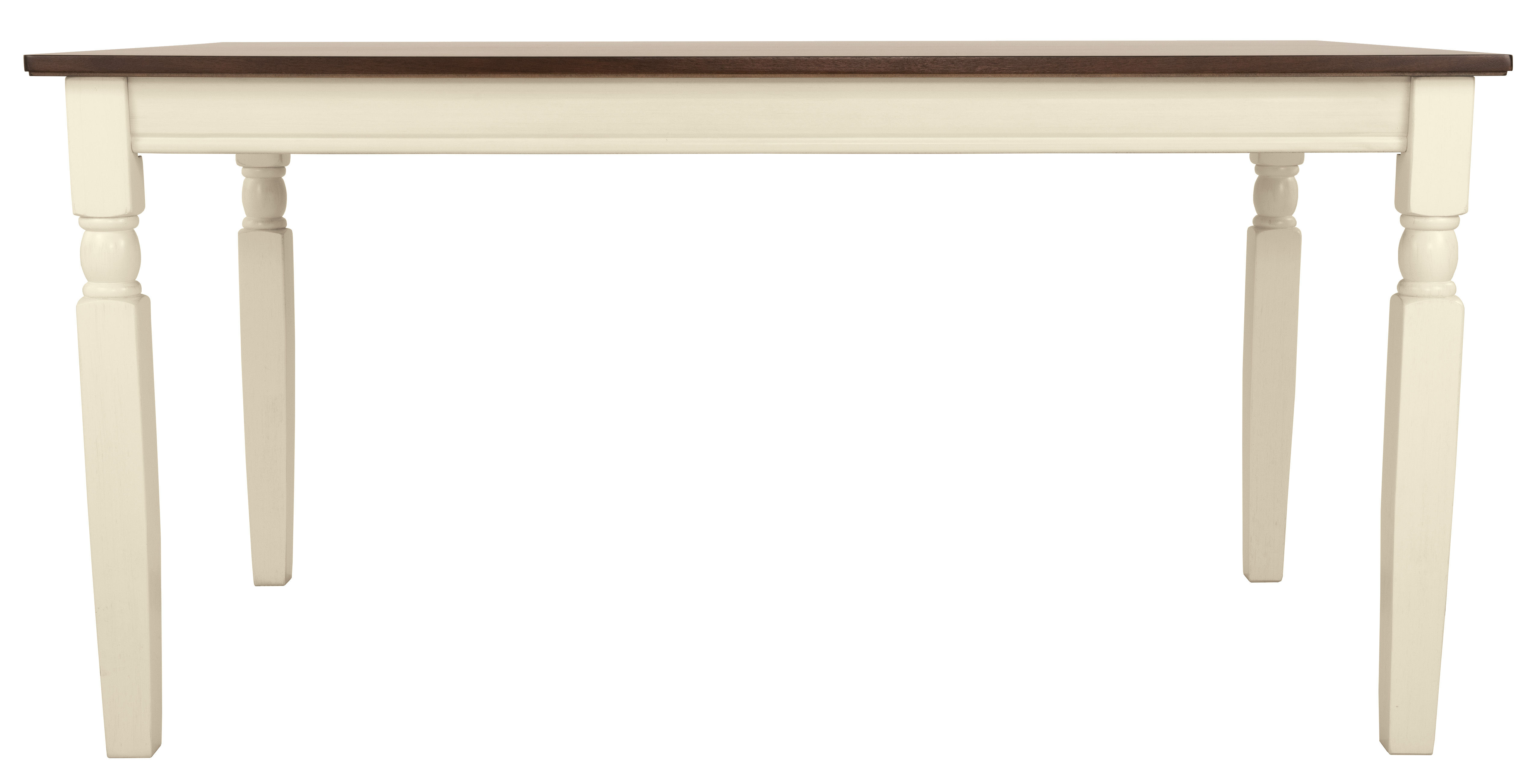
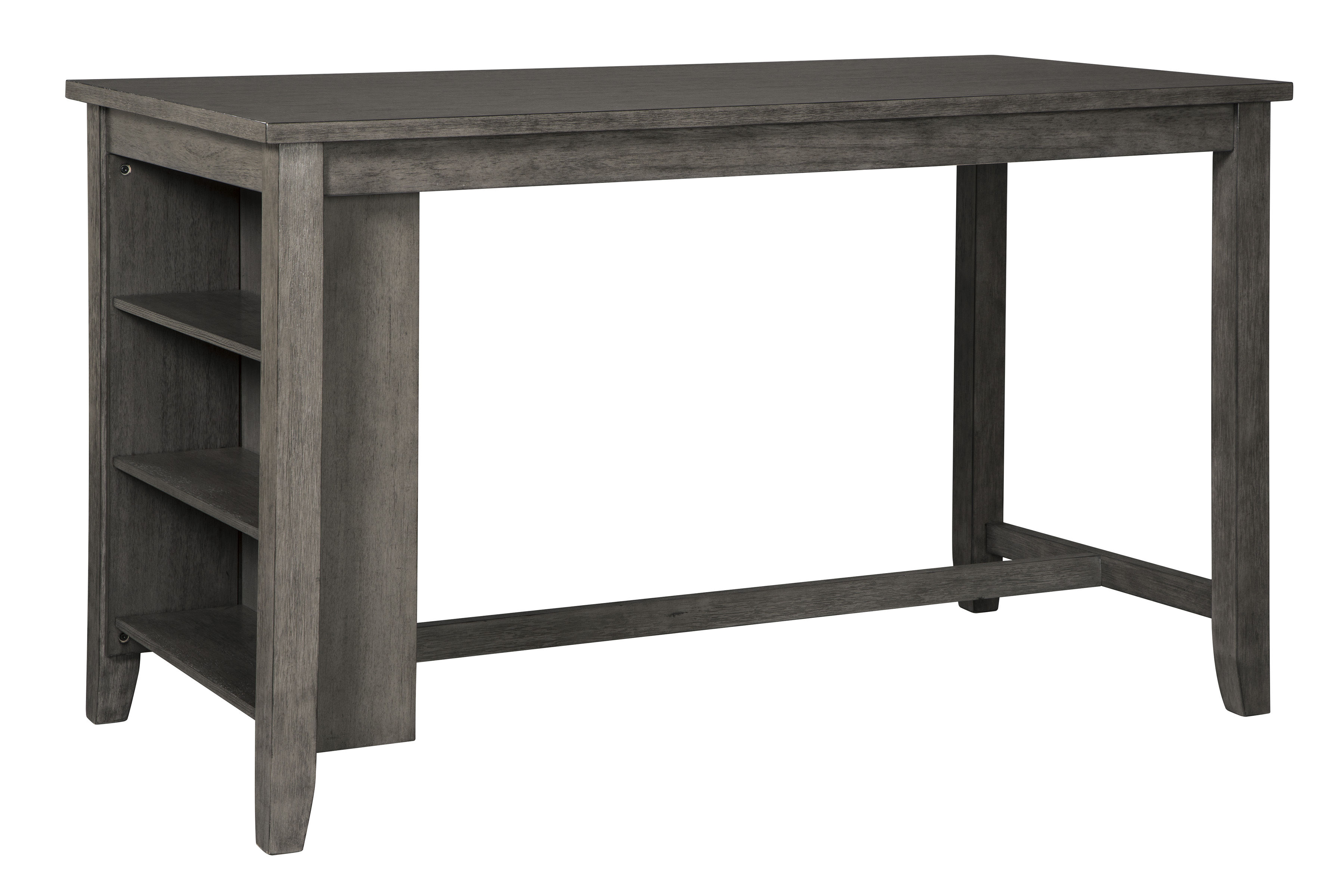
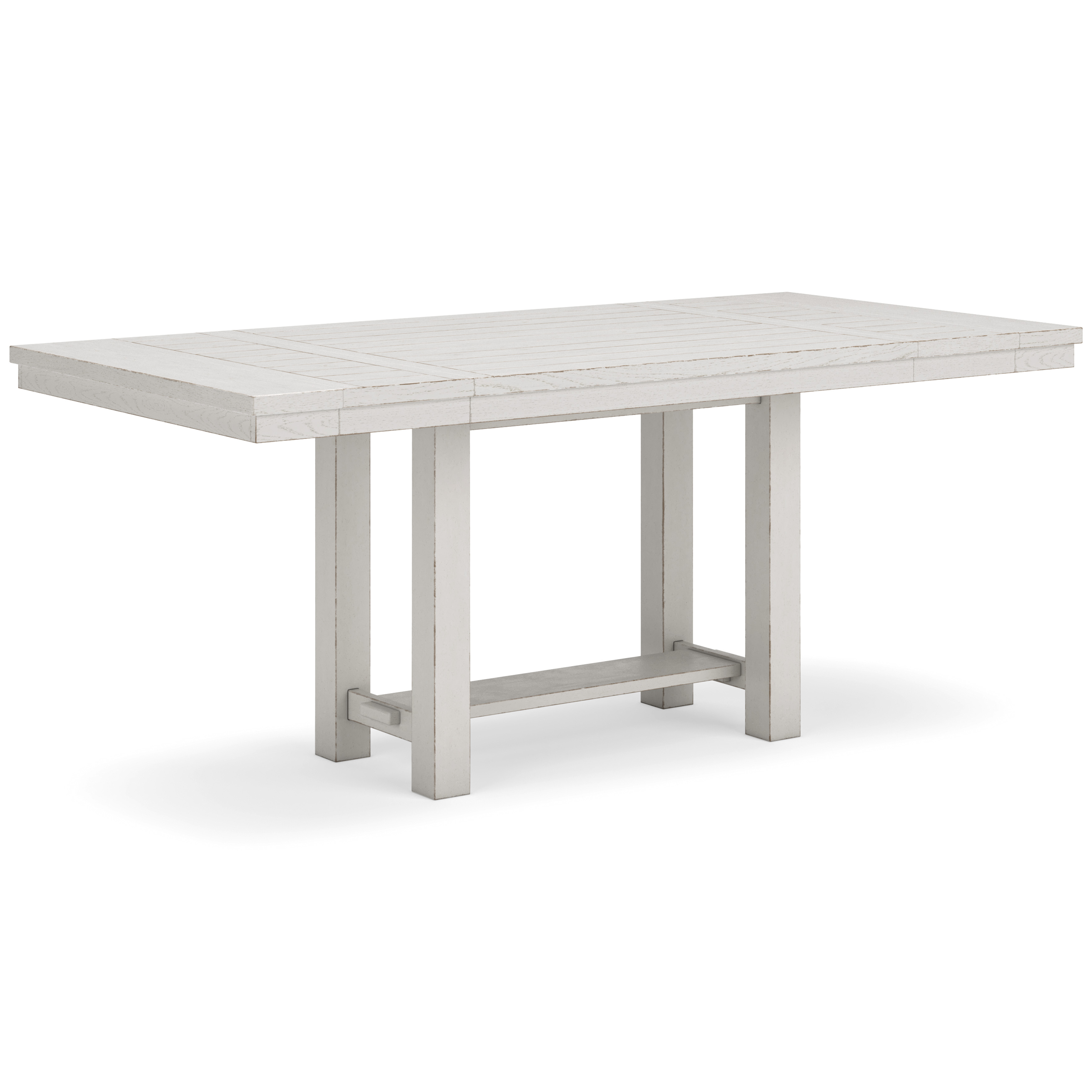
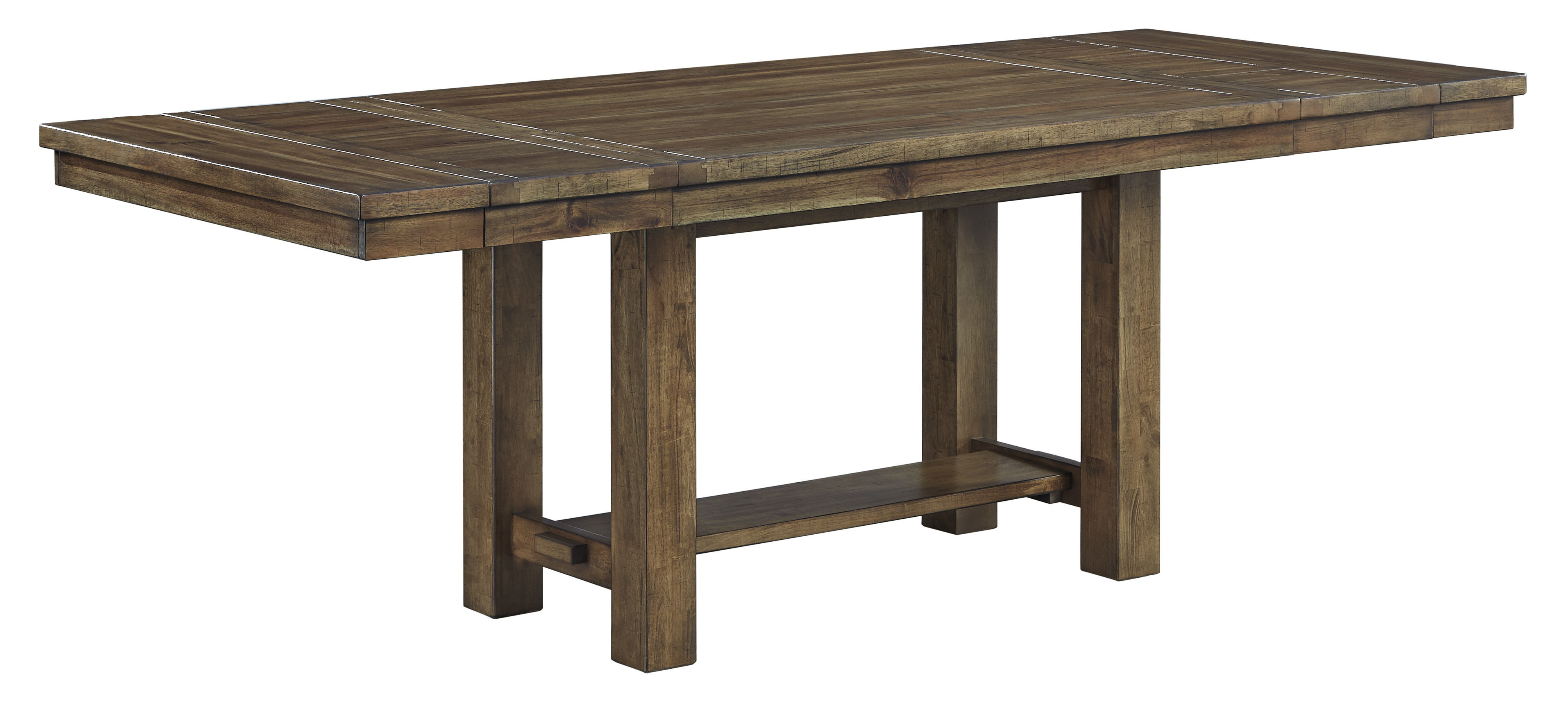
Modern dining tables share a consistent set of formal characteristics: bases without turned or carved legs, top surfaces finished to reveal the material rather than obscure it, and no decorative apron detail. Trestle and A-frame bases — two vertical supports connected by a horizontal member — are among the most common modern forms and the direct antecedent of contemporary trestle tables. Hairpin legs, thin bent-steel rods welded to a mounting plate, became a defining mid-century element and continue as a modern-coded detail. Pedestal tables, popularized by Saarinen's Tulip design, use a single column base that allows unobstructed legroom around the entire table perimeter.
What wood and material choices suit modern dining tables?
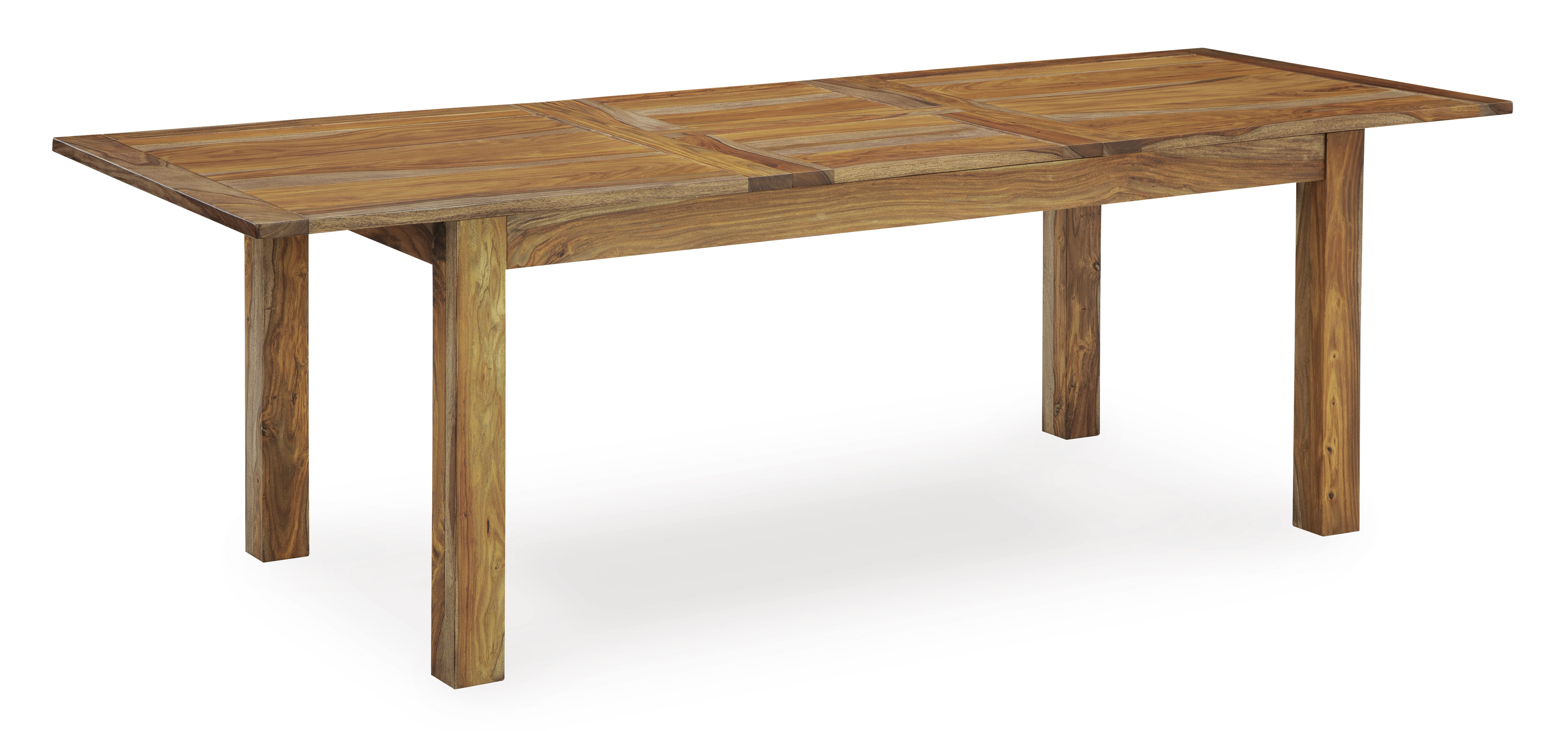
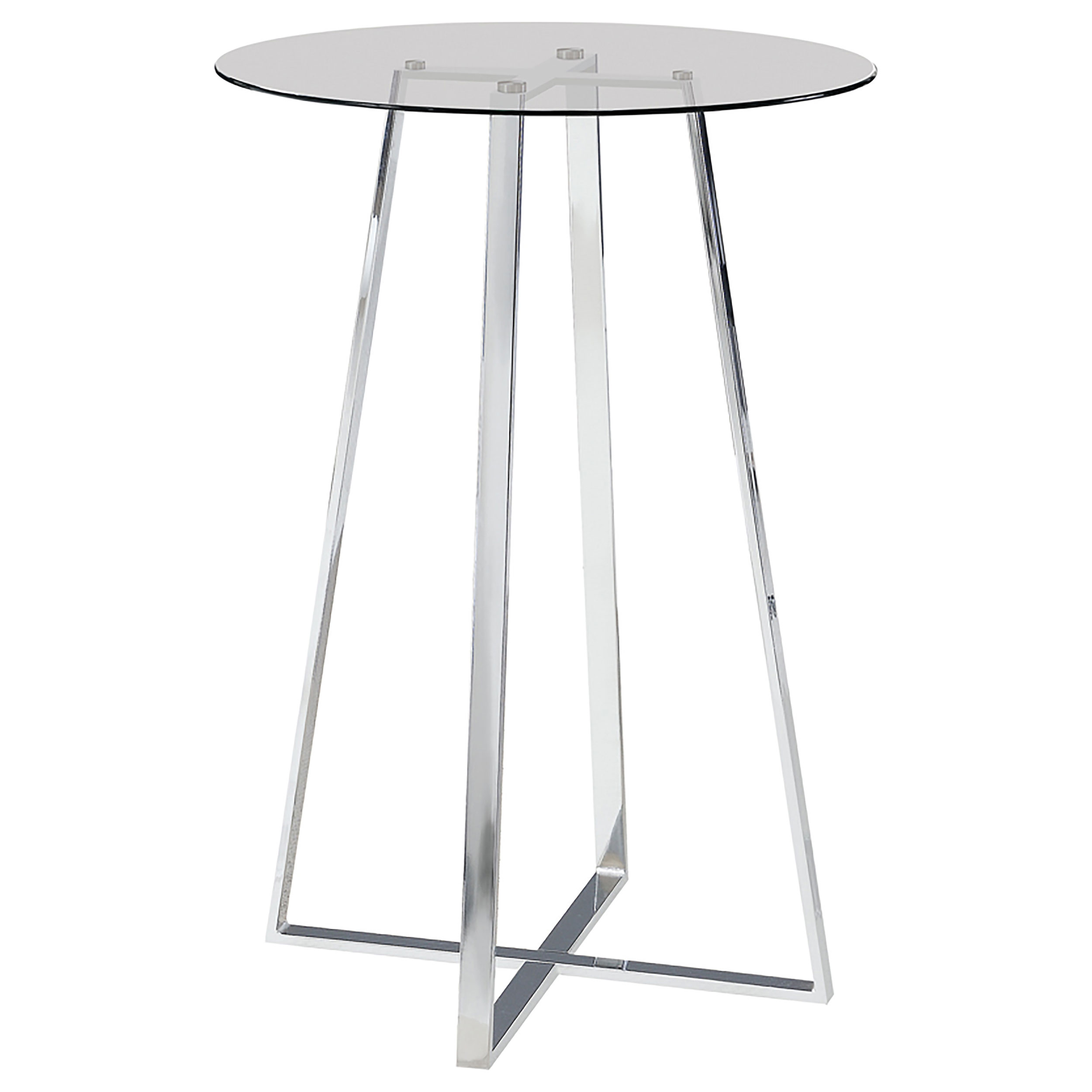
Solid walnut is the most historically associated modern dining room wood. Its warm dark tone, fine even grain, and clean response to oil or low-sheen lacquer made it the choice of George Nakashima, Hans Wegner, and many other mid-century furniture designers. White oak provides a lighter alternative with a more pronounced grain figure and suits the Scandinavian modern aesthetic. Both woods are available at a range of price points depending on whether the top is solid throughout or a veneer over a solid-wood core. Glass tops on geometric metal bases are a period-accurate modern combination. Concrete and stone tops are a contemporary interpretation of the modern aesthetic rather than an original modern material.
What dimensions and extensions are available?
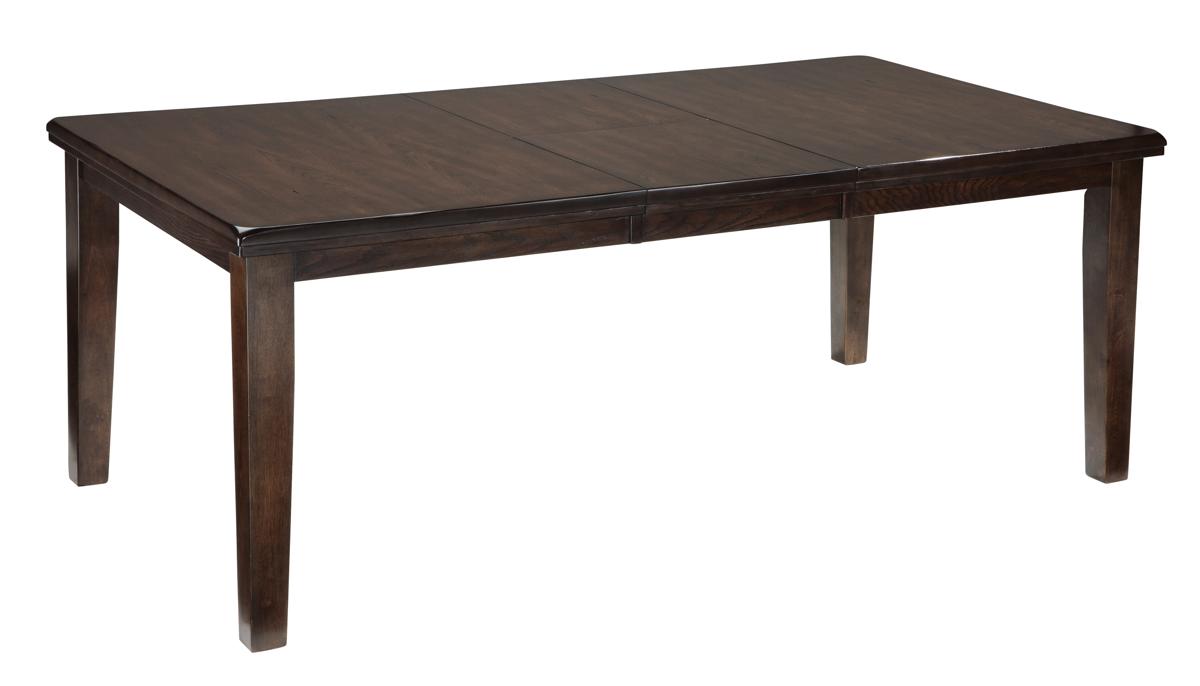
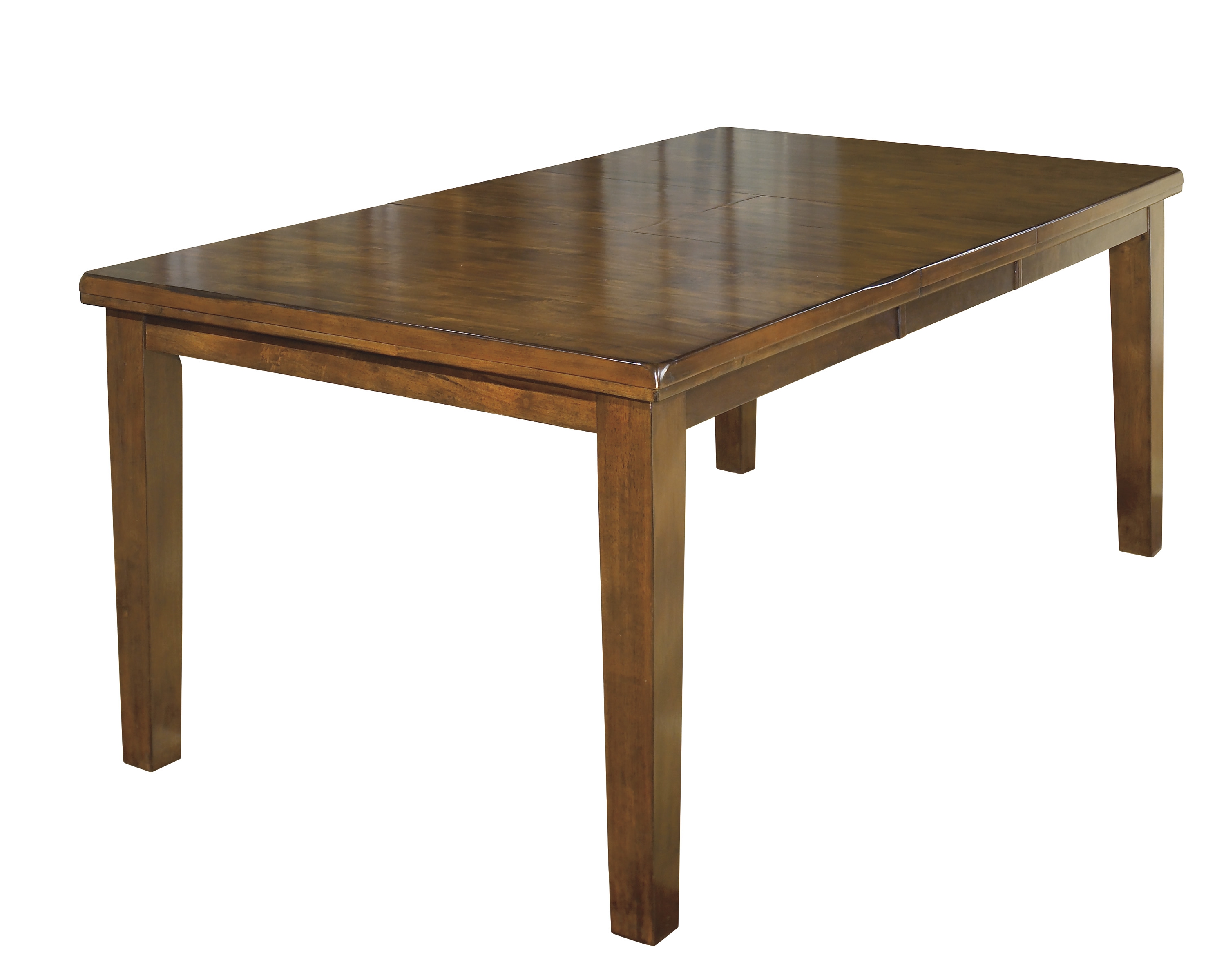
Modern dining tables follow standard dimensions: 29 to 31 inches in height, 36 to 48 inches wide, and 60 to 96 inches in length for the most common sizes. Extension options exist in modern designs, but the mechanism should close cleanly without a visible seam or surface step. Butterfly leaf mechanisms — where the leaf is stored inside and unfolds up — are the cleanest choice for maintaining the table's profile when compact. Self-storing leaves that sit below the tabletop surface at base size and lift into position are also compatible with the modern aesthetic. Avoid tables where the extension requires a separately stored leaf panel that leaves a visible gap in the apron when closed.
How do I style a modern dining table?
Modern dining tables are styled with deliberate restraint. The table surface at rest should be nearly empty — a single ceramic or wood vessel as a centerpiece, or no centerpiece at all, is appropriate. A solid linen or cotton runner in a neutral tone defines the table center without adding pattern. At place settings, avoid decorative chargers, ornate flatware, or traditional china patterns — simple, solid-color dinnerware in a matte finish is more consistent with modern style. The chairs and the table itself are the visual statement; the styling should support rather than compete with them.