
 1-877-718-CLASSY (2527)
Living Room Furniture
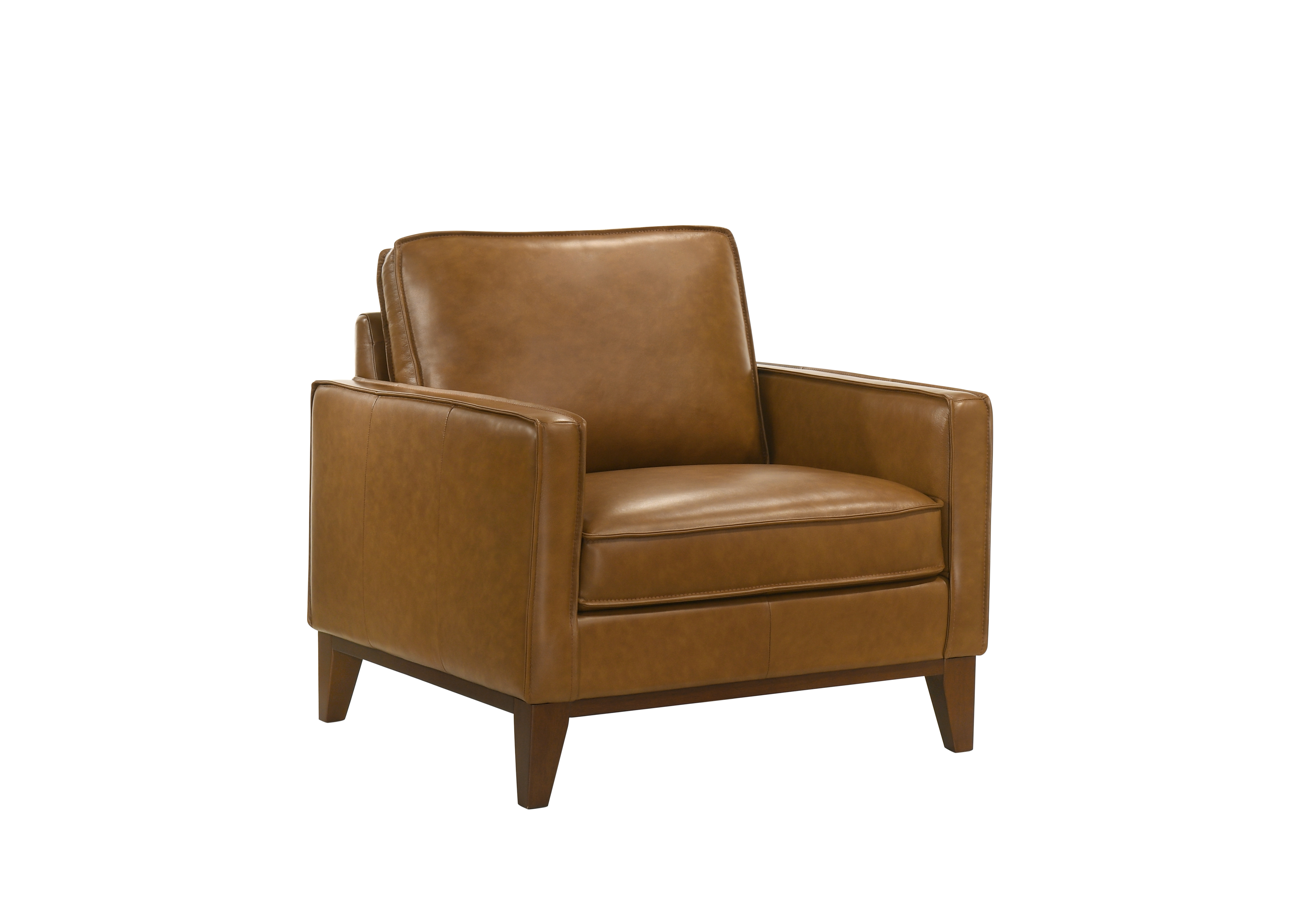
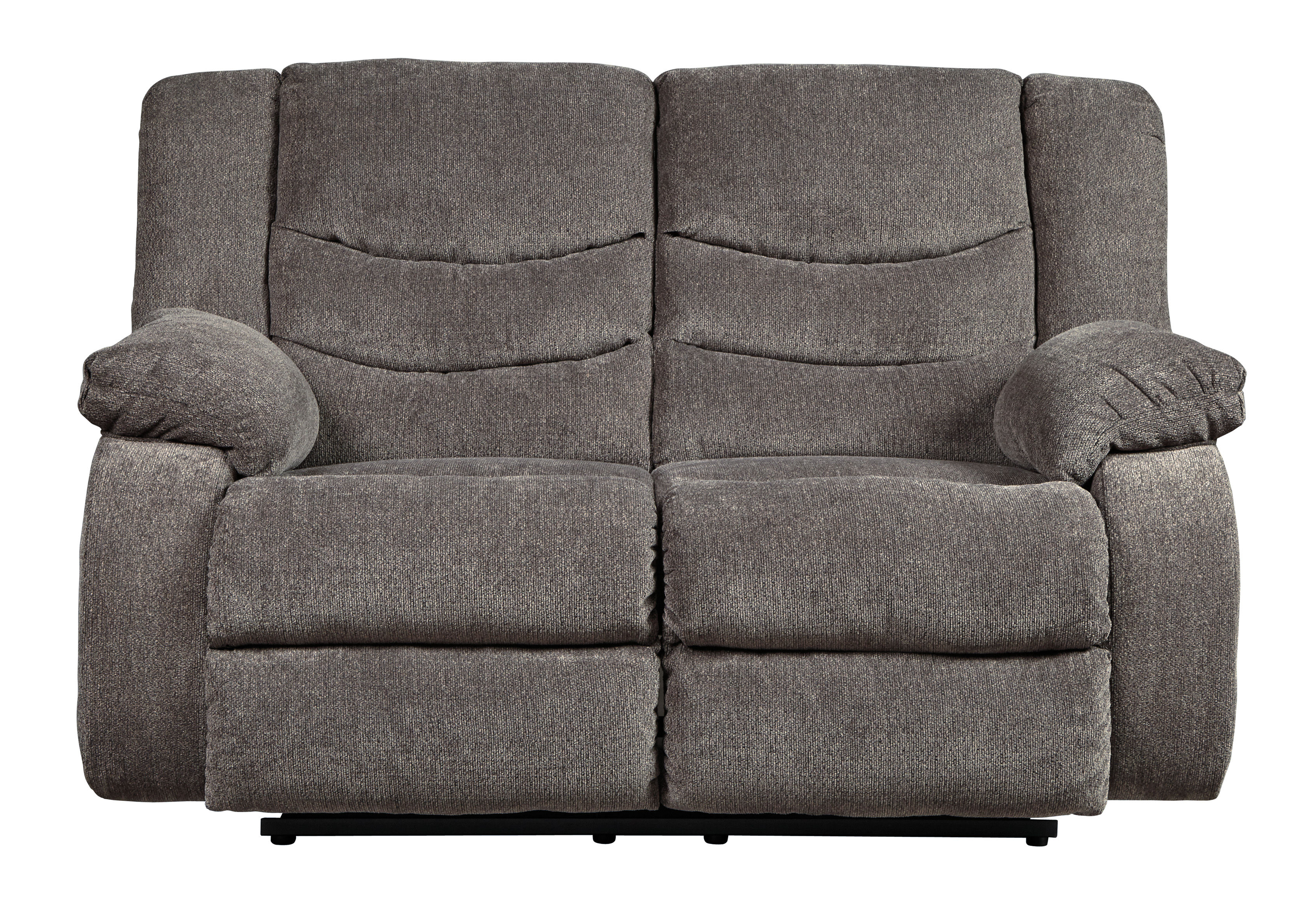
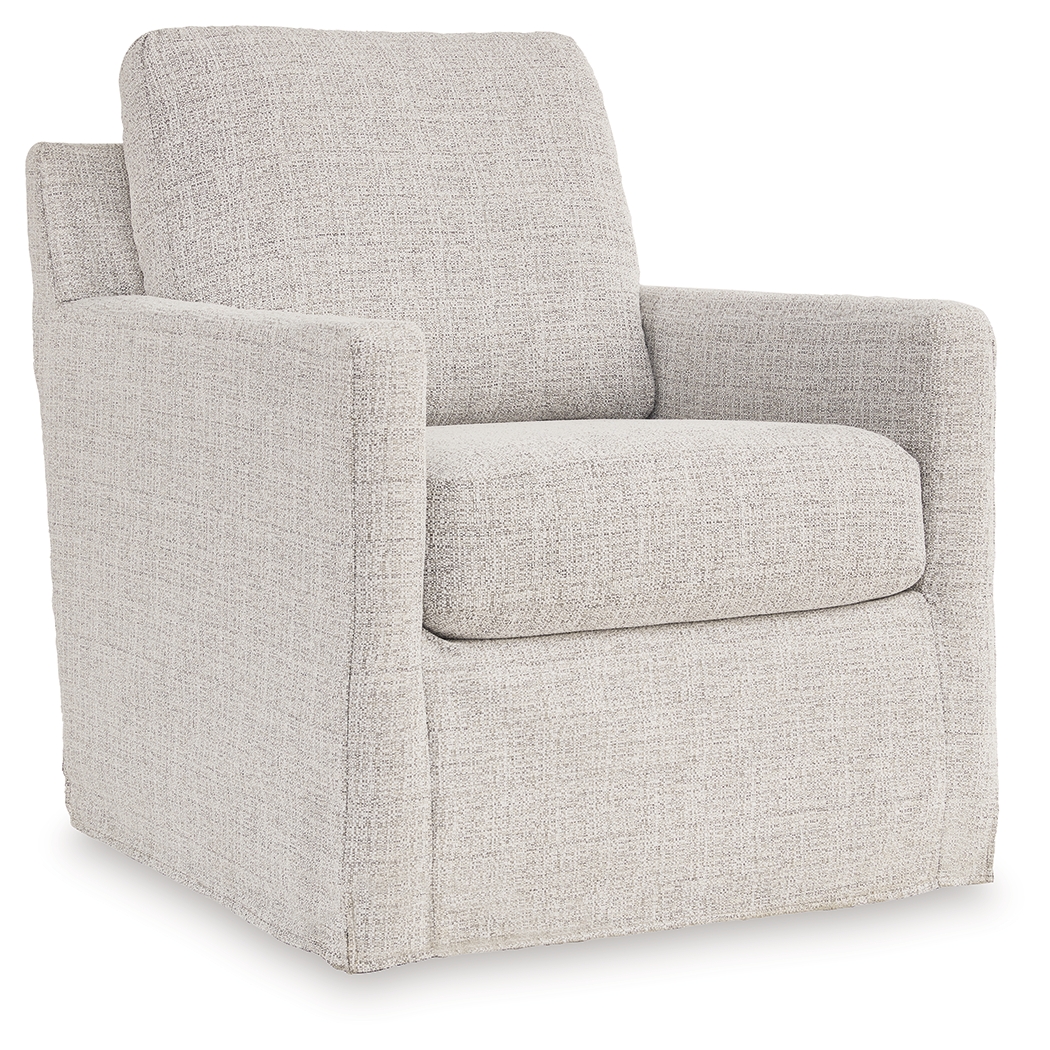
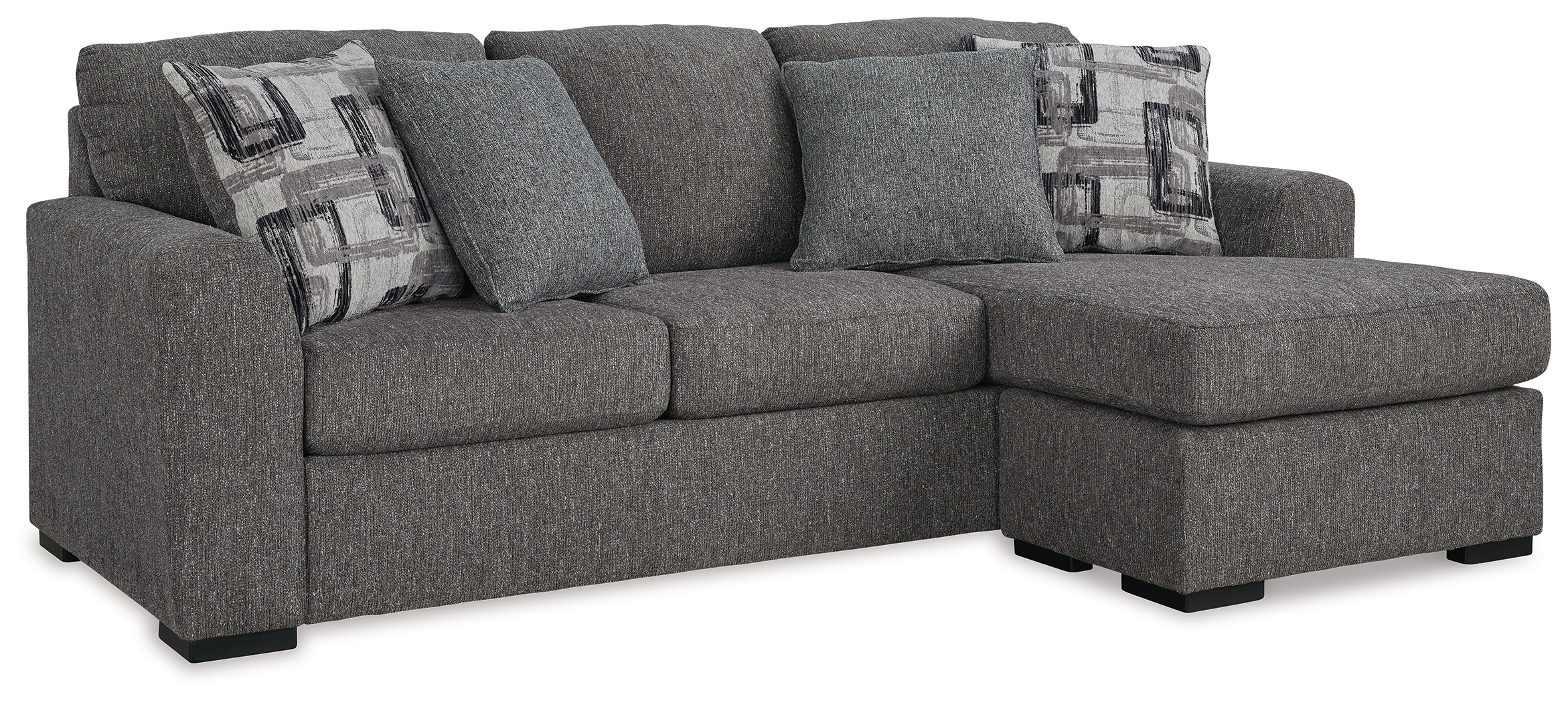
Living room furniture starts with a sofa as the anchor, then builds around it with a coffee table, accent chairs, side tables, and media storage — chosen to match the room's size, traffic flow, and your household's daily needs.
How do I choose living room furniture for my room size?
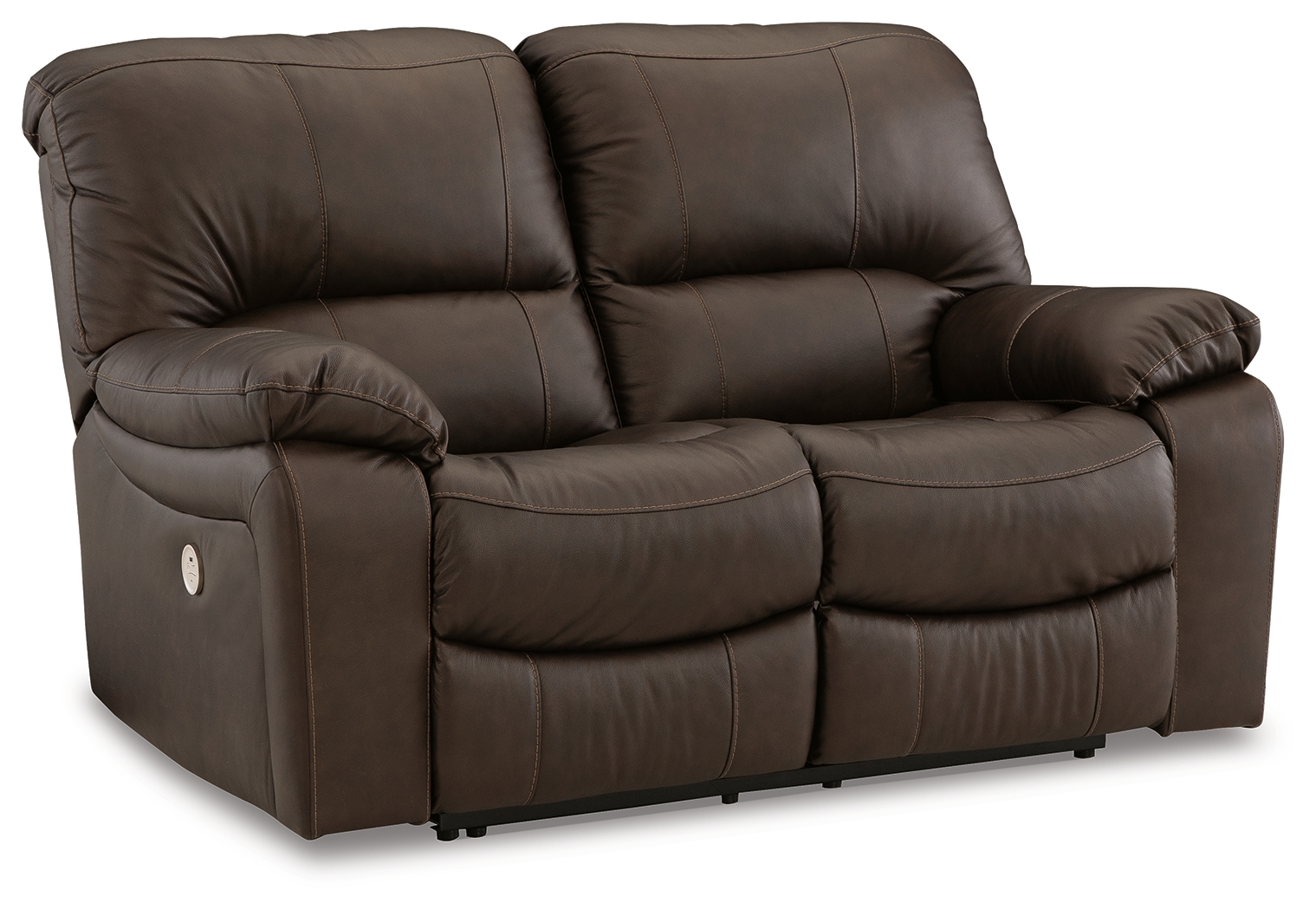
Room size is the most important starting point when selecting living room furniture. In small rooms under 200 square feet, the sofa is the dominant piece — keep it to 84 inches or under and add one chair rather than two. A loveseat is worth considering in rooms under 12x14 feet because it frees up floor space without sacrificing seating. Use a round or oval coffee table instead of a large rectangular one to improve traffic flow, and choose furniture with visible legs rather than solid panel bases — legs allow light to pass underneath and make the room feel less visually heavy. In medium rooms between 200 and 300 square feet, a standard 90-inch sofa with two accent chairs and a full coffee table works well. You also have room for a side table and a media console. Large rooms over 300 square feet can support a sectional sofa, multiple accent chairs, a larger coffee table, and defined zones — a reading area separate from the TV area, for example. Use area rugs to define each zone rather than relying on furniture placement alone; a rug under the seating group anchors the arrangement and prevents the furniture from looking scattered in a large room.
What living room furniture style should I choose?
Contemporary style features clean lines, neutral colors, and minimal ornamentation — it suits newer homes, open floor plans, and buyers who prefer a streamlined look. Pieces tend to sit lower to the ground and use materials like metal, glass, and smooth upholstery. Modern style is related but more rigidly geometric, often incorporating industrial materials like exposed steel and concrete-look finishes. Transitional style blends traditional and contemporary elements — it is the most versatile because it works in both older and newer homes and pairs easily with different accessories over time. Traditional style uses carved wood details, rolled arms, and rich fabrics like velvet and damask; it suits formal rooms and homes with architectural details like crown molding and wainscoting. Bohemian and eclectic styles layer mixed textiles, natural materials, and collected pieces — they work best when the room has strong natural light and high ceilings to keep the layered look from feeling chaotic.
How do I arrange living room furniture correctly?
Identify the room's focal point before placing any furniture — this is usually the TV wall, fireplace, or a large window. Place the sofa directly facing or at a slight angle toward the focal point. The coffee table should sit 12–18 inches from the front edge of the sofa — close enough to reach easily without leaning forward, but far enough to allow people to pass. Accent chairs should angle toward the sofa at roughly 45 degrees to create a conversation group rather than a row of seating facing the TV. Avoid pushing every piece of furniture against the walls — floating the sofa a few feet away from the wall brings the seating group together and makes a large room feel more intimate. Maintain at least 30 inches of clear traffic path between any two pieces of furniture, and 18 inches minimum between the sofa and the coffee table. Position the TV at eye level when seated — for most sofas with an 18-inch seat height, the center of the screen should be approximately 42–48 inches from the floor. Hang artwork at 57–60 inches to center from the floor, which is standard gallery height and reads correctly when both seated and standing.