
 1-877-718-CLASSY (2527)
Wall Shelving Units
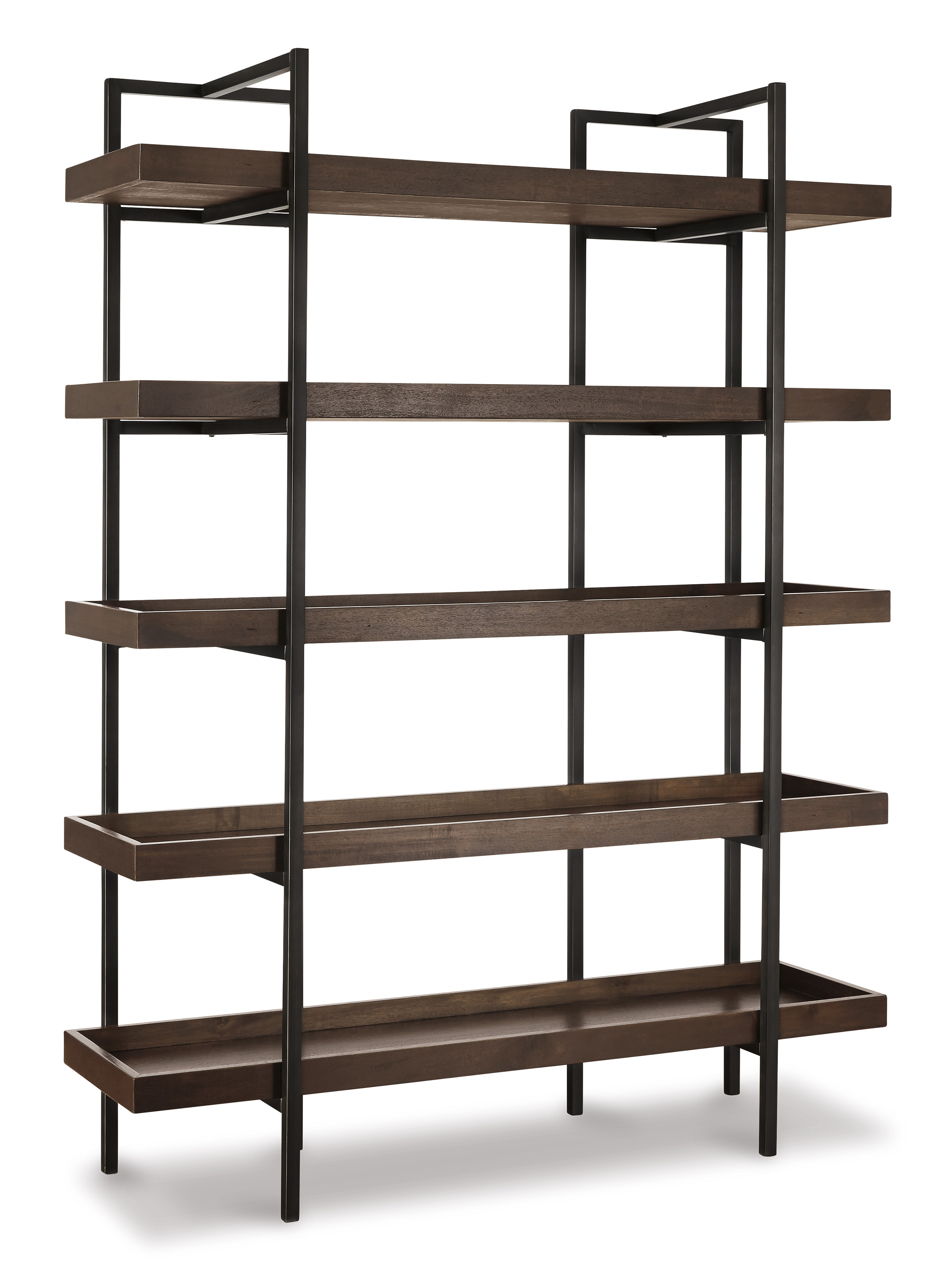
Wall shelving units include floating shelves, ladder shelves, cube shelves, corner shelves, and wall-mounted bookcases. Floating shelves anchored into studs hold 50 to 150 pounds per bracket pair; proper shelf spacing is 10 to 12 inches for paperbacks, 12 to 14 inches for hardcovers, and 12 to 18 inches for display objects.
What types of wall shelving units are available?
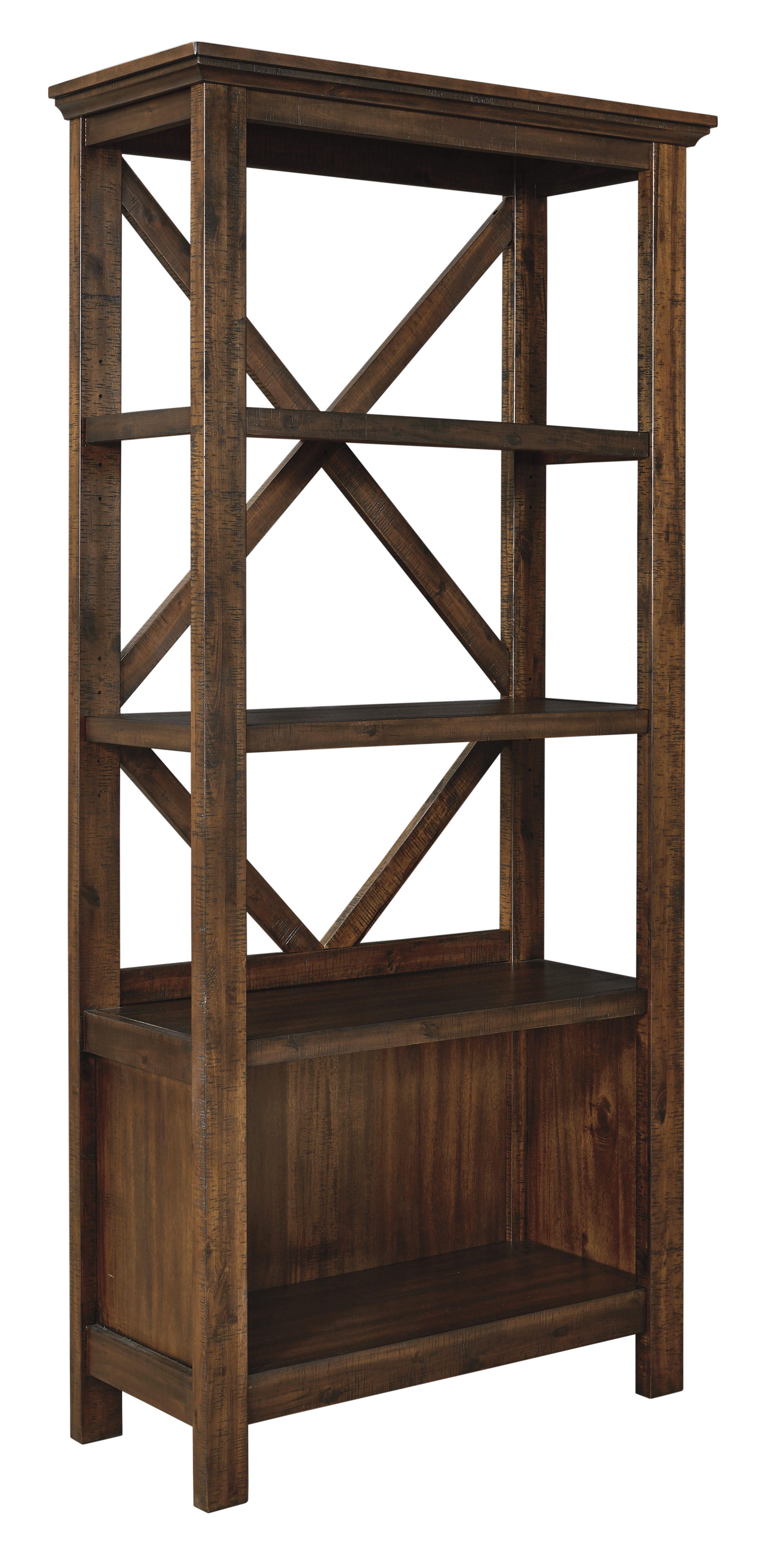
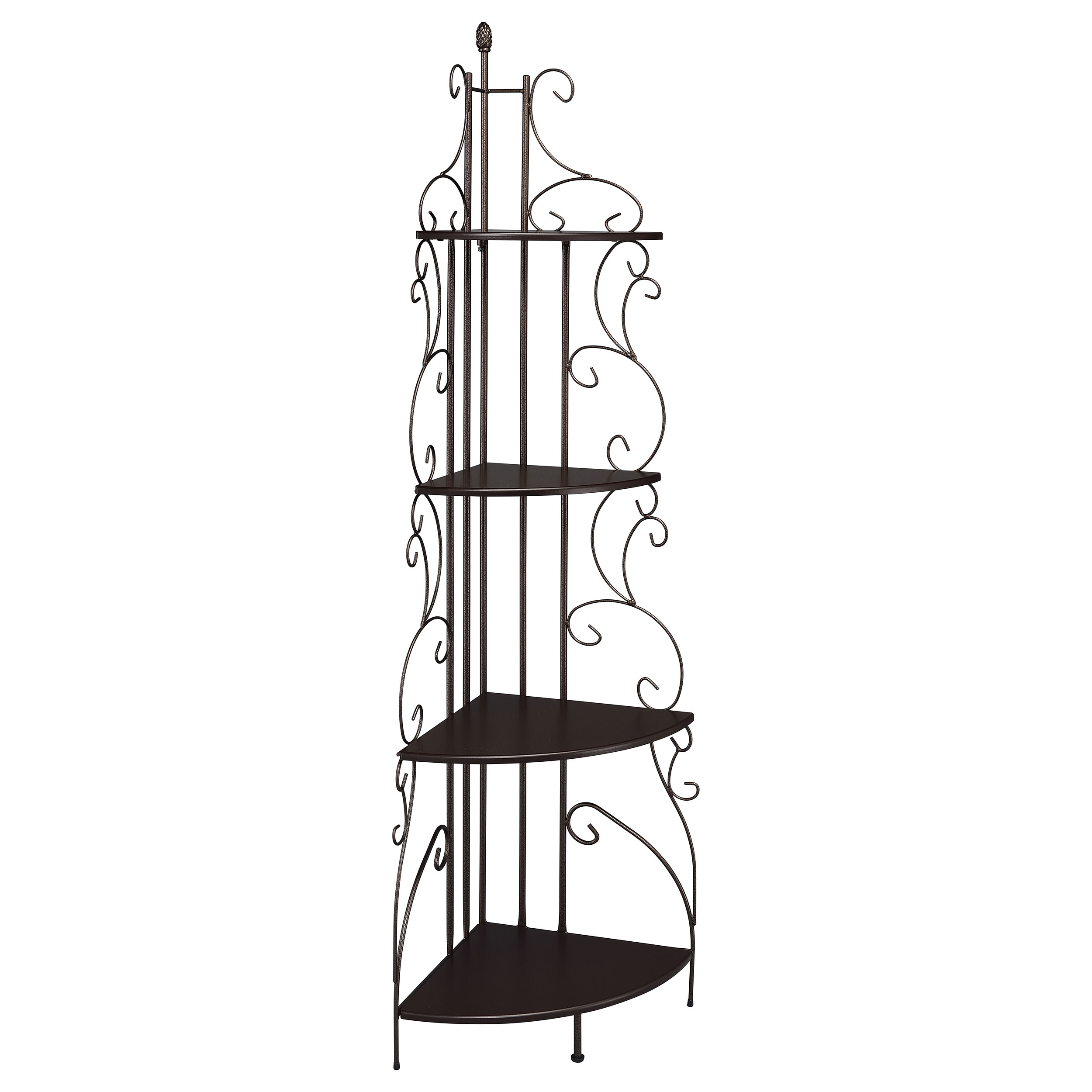
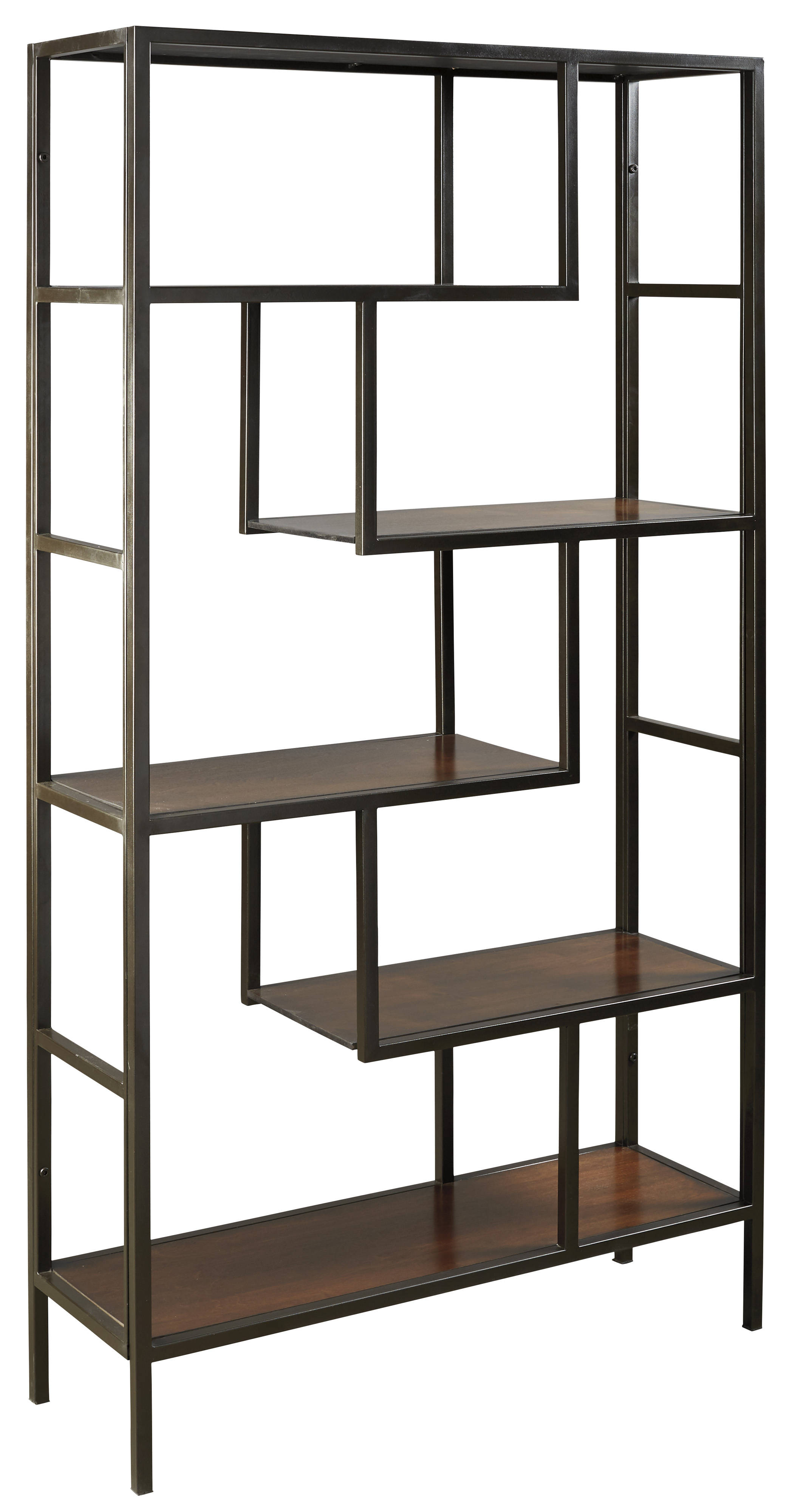
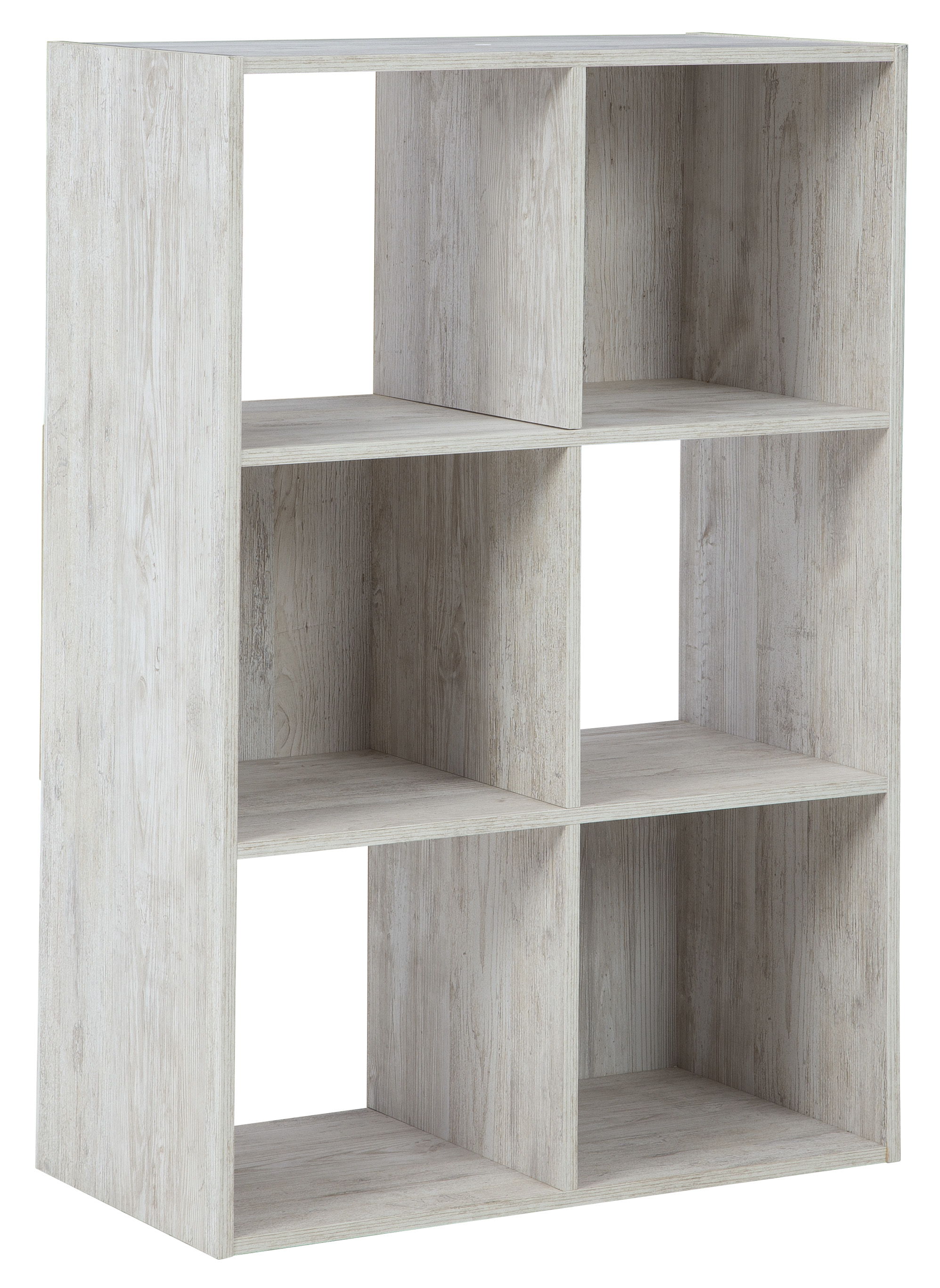
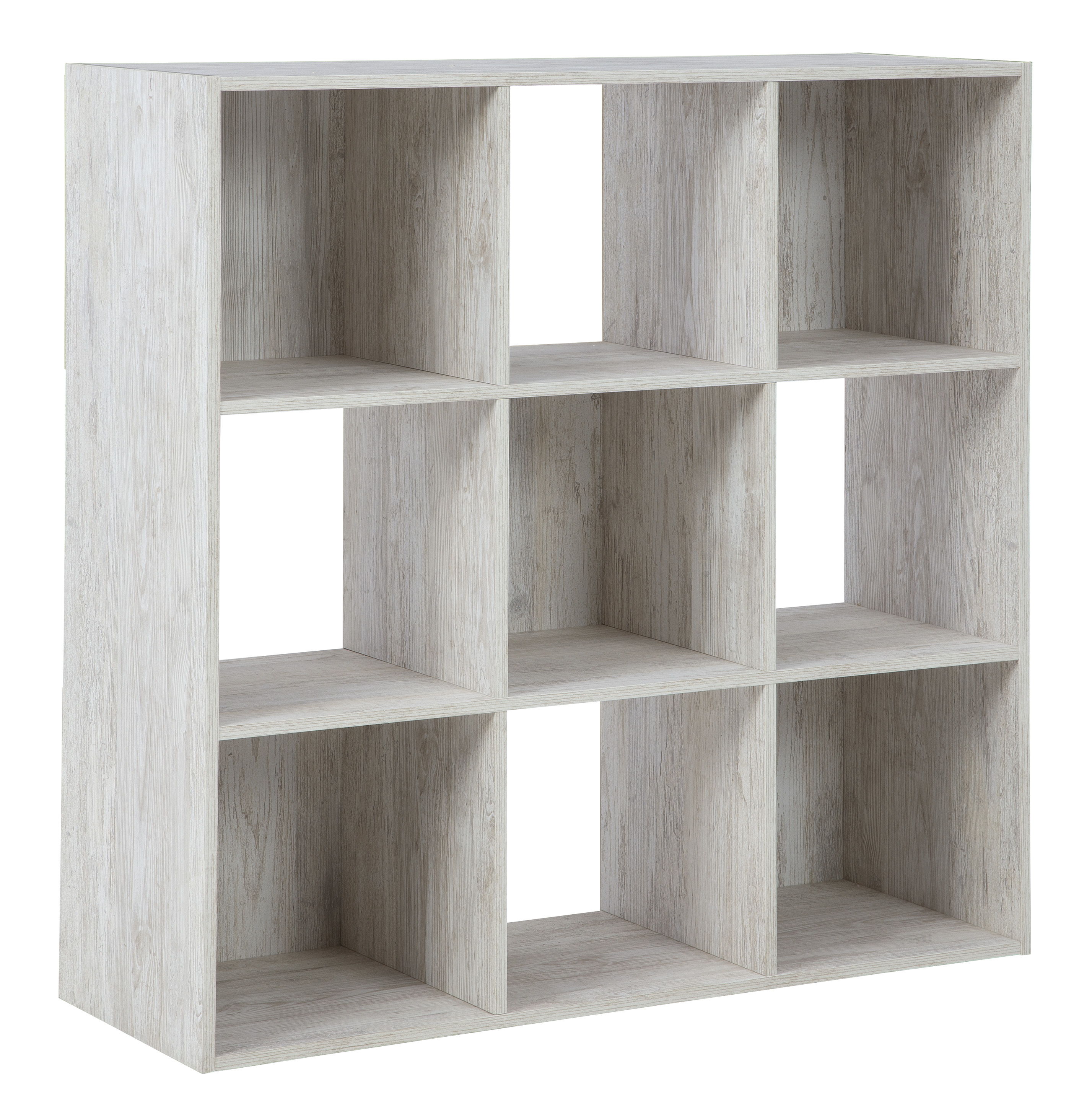
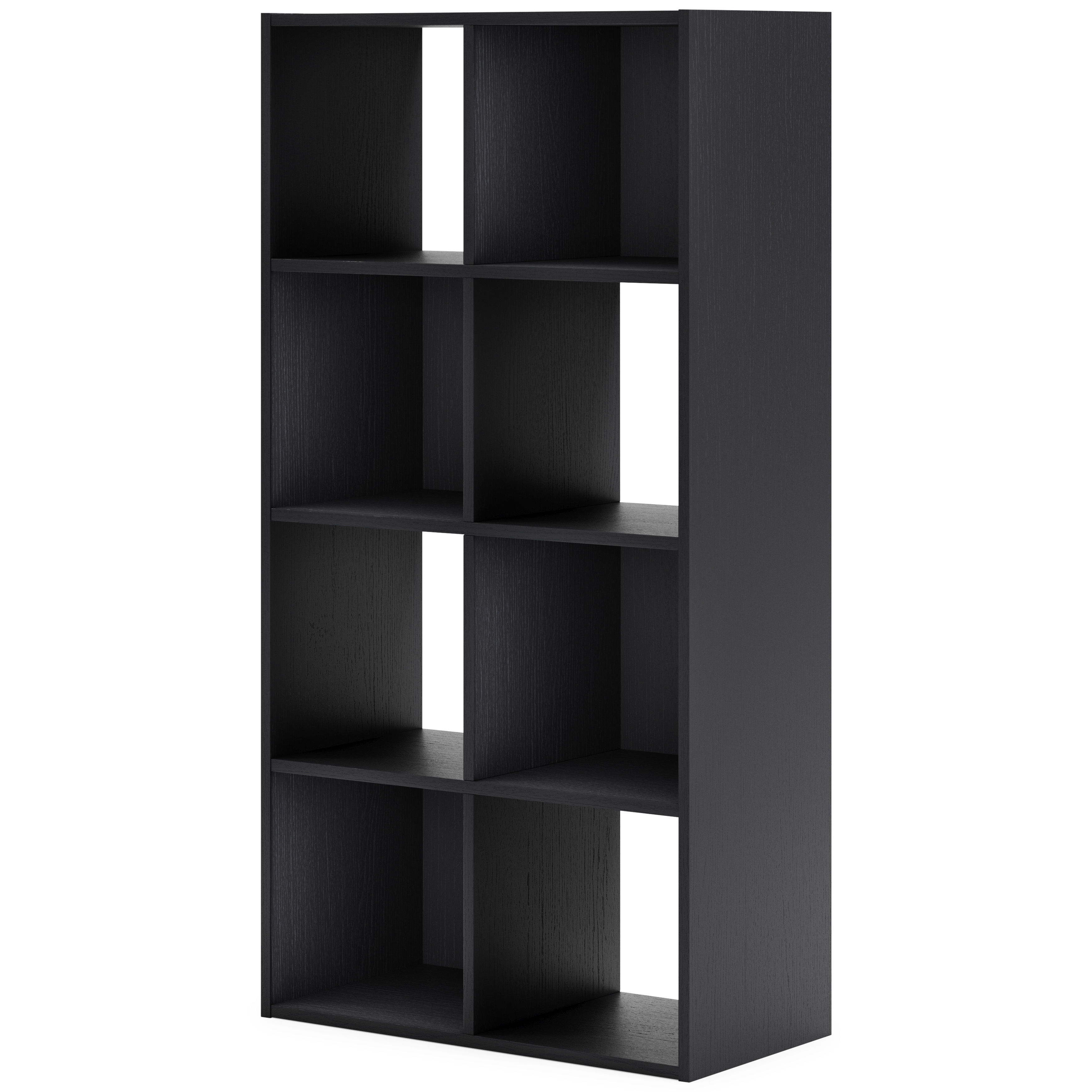
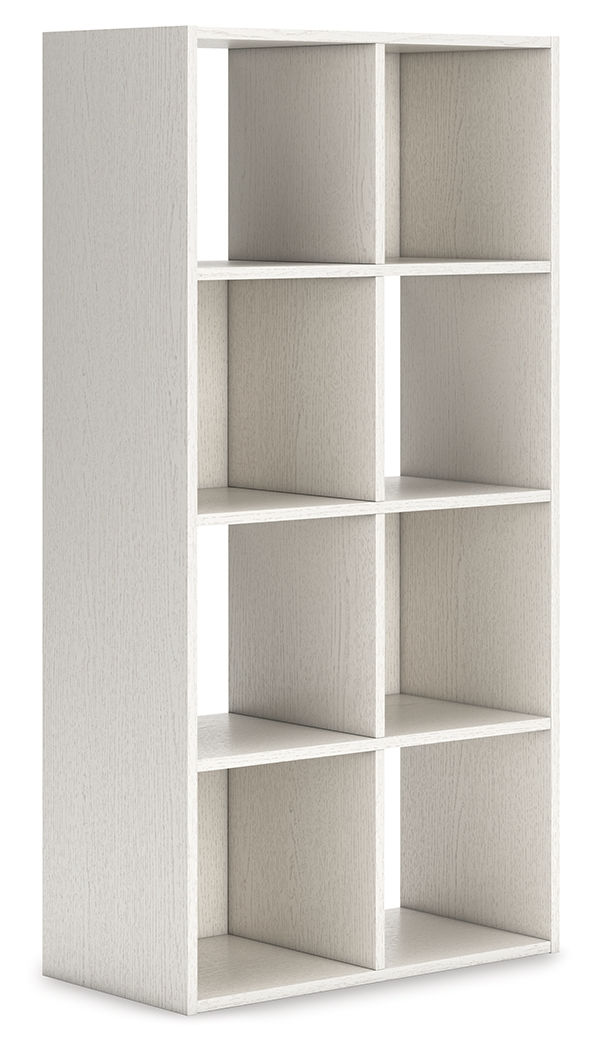
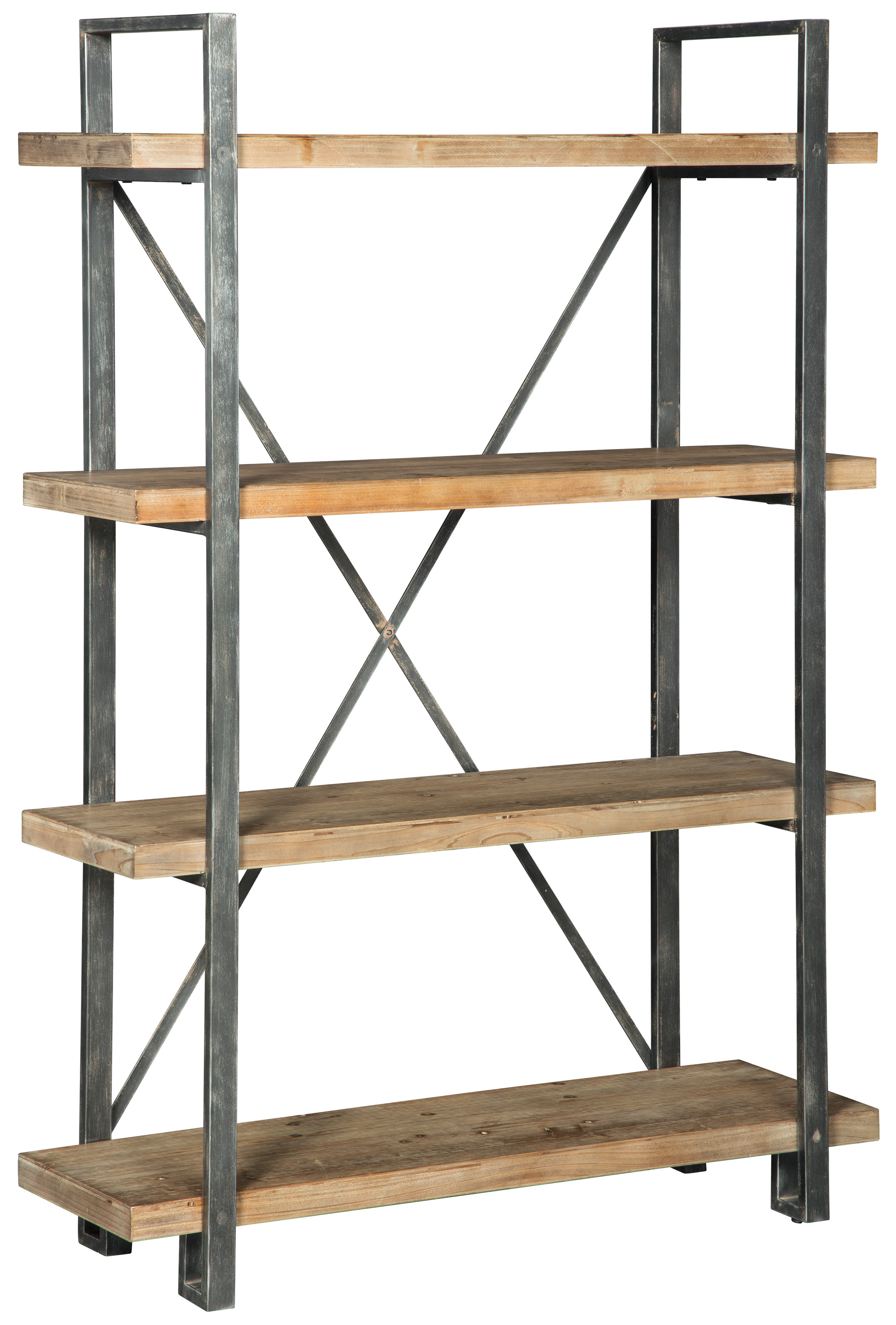
Floating shelves are single boards with concealed brackets, mounted directly to the wall with no visible hardware. They produce a clean, minimal appearance and work in virtually any room style. Ladder shelves are freestanding, floor-leaning units with a ladder-shaped frame — they require no wall mounting beyond a single wall anchor at the top to prevent tipping, and they can be repositioned easily. Cube shelves (also called cubby shelves) are grid-format wall-mounted or freestanding units with individual square compartments, used for both storage (with fabric bins) and display. Corner shelves are angled or triangular shelves designed for wall corners, which are otherwise underutilized. Wall-mounted bookcases are box-frame units with a back panel, side panels, and adjustable shelves — they provide greater structural rigidity and capacity than floating shelves and typically hold more weight per unit of wall space.
How much weight can wall shelves safely hold?
The weight capacity of a wall shelf depends on three factors: the bracket type, the number of brackets, and the anchor point — stud versus drywall anchor. A single floating shelf bracket anchored into a wood stud can hold 50 to 75 pounds. Two stud-anchored brackets on one shelf provide a combined capacity of 80 to 150 pounds depending on bracket gauge and the distance between them (closer spacing provides less capacity advantage; wider spacing distributes load more effectively). Brackets anchored into drywall with expansion anchors rather than studs hold significantly less — typically 20 to 30 pounds per anchor, and the connection is less reliable over time, particularly under repeated vibration or dynamic loading. For bookshelves, plan for a minimum of one stud anchor per shelf. A full run of books on a typical 36-inch floating shelf can weigh 30 to 50 pounds, which requires at least one stud-anchored bracket.
How do you install floating shelves safely?
The installation sequence for floating shelves: locate studs with an electronic stud finder and mark their center positions on the wall at the intended shelf height. Hold the mounting bracket or rail against the wall at the marked positions and use a level to confirm it is perfectly horizontal — mark the fastener hole positions. Drill pilot holes at stud locations; for positions between studs, install drywall anchors rated for the intended shelf load. Drive fasteners into studs with a screw gun or impact driver; hand-tighten anchors in drywall. Slide the shelf sleeve over the bracket (for concealed bracket systems) or set the shelf onto the mounting rail. Verify level again after mounting. For heavy-load shelves (books, ceramics), hit two studs at minimum. Never exceed the weight rating of the bracket system — overloading floating shelves can result in sudden failure, particularly if the fasteners are into drywall only.
How do you arrange wall shelving for display versus storage?
Display arrangements prioritize visual composition over maximum storage density. Use the rule of thirds as a loose guide: divide the shelf width into thirds and place one larger or taller anchor object in each third, with smaller objects grouped around it. Vary the texture and material of displayed objects — a ceramic vase, a small framed photo, and a stack of books with a plant provide more visual variety than three objects of the same type. Leave 20 to 30 percent of each shelf surface empty — negative space between objects makes each piece more visible and prevents the shelf from reading as cluttered. For storage-focused shelving, group by category with consistent containers (fabric bins in cube shelves, labeled baskets on open shelves) to create visual order from functional storage. A combination approach — open display on upper shelves, storage in lower or closed sections — is the most practical for living rooms.