
 1-877-718-CLASSY (2527)
Dining Tables and Chairs
Dining chairs should sit 10 to 12 inches below the tabletop, and at least 36 to 42 inches of clearance should be maintained between the table edge and the nearest wall to allow comfortable chair pullout.
How do I pair chair height with table height?
The standard dining table height is 30 inches. Chairs for this table should have a seat height of 17 to 19 inches, creating a 11- to 13-inch gap between the seat and the tabletop. This is the range that allows most adults to sit with their thighs comfortably under the table and forearms at or just below table level. Counter-height tables at 34 to 36 inches need chairs with a seat height of 24 to 26 inches. Confirm the exact height of both pieces before purchasing if either is non-standard.
How many chairs fit at different table lengths?
Seating capacity is determined by allowing approximately 24 inches per person along the table edge. A 48-inch table seats 4 comfortably (two per long side) or 6 with one at each end. A 60-inch table seats 6 with ease. A 72-inch table seats 6 comfortably or up to 8 with slimmer chairs. A 84-inch table seats 8 reliably. An 96-inch table can accommodate 10. These numbers assume standard 18- to 22-inch wide side chairs; wider arm chairs reduce the count by one per side they occupy.
How do I mix different chair styles at one dining table?
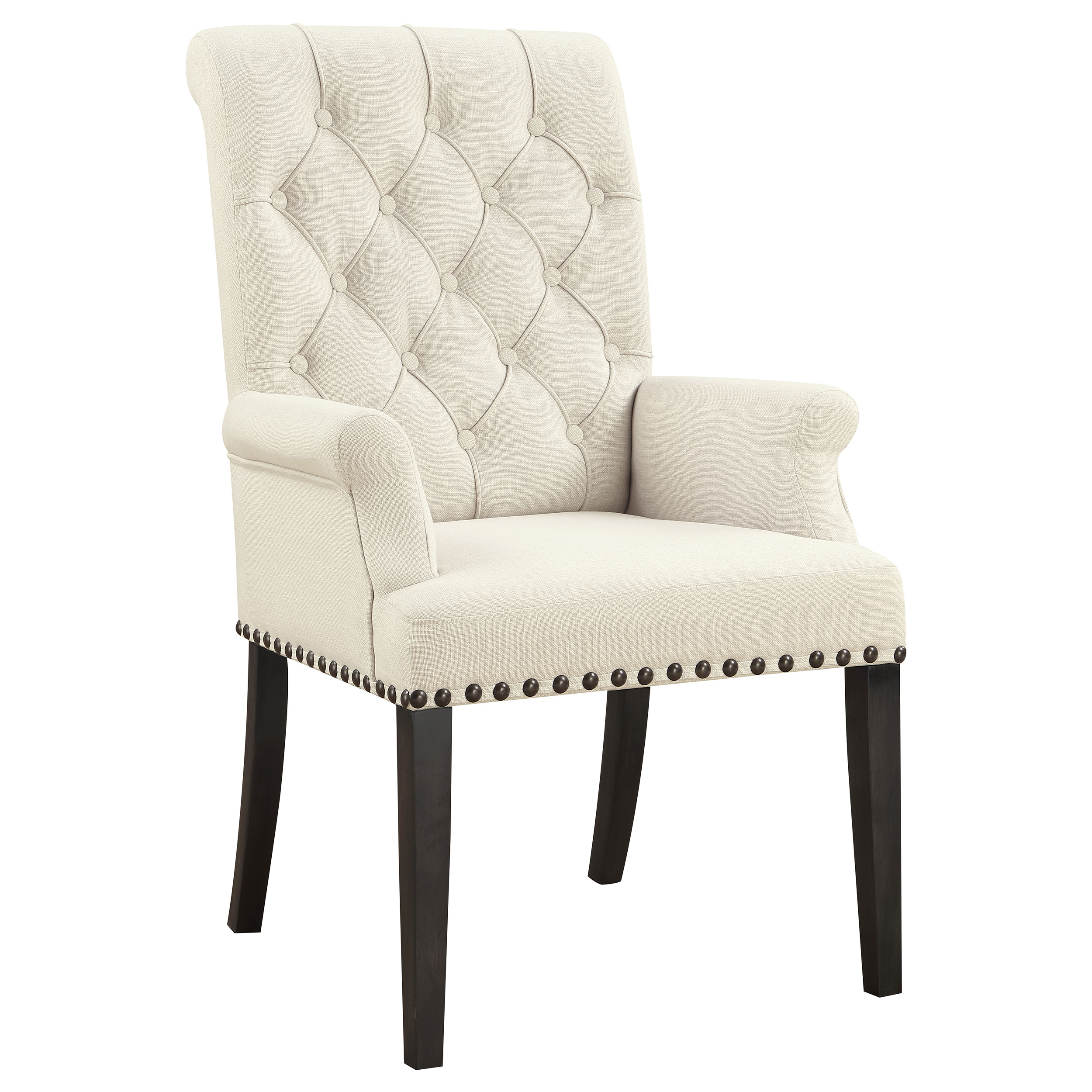
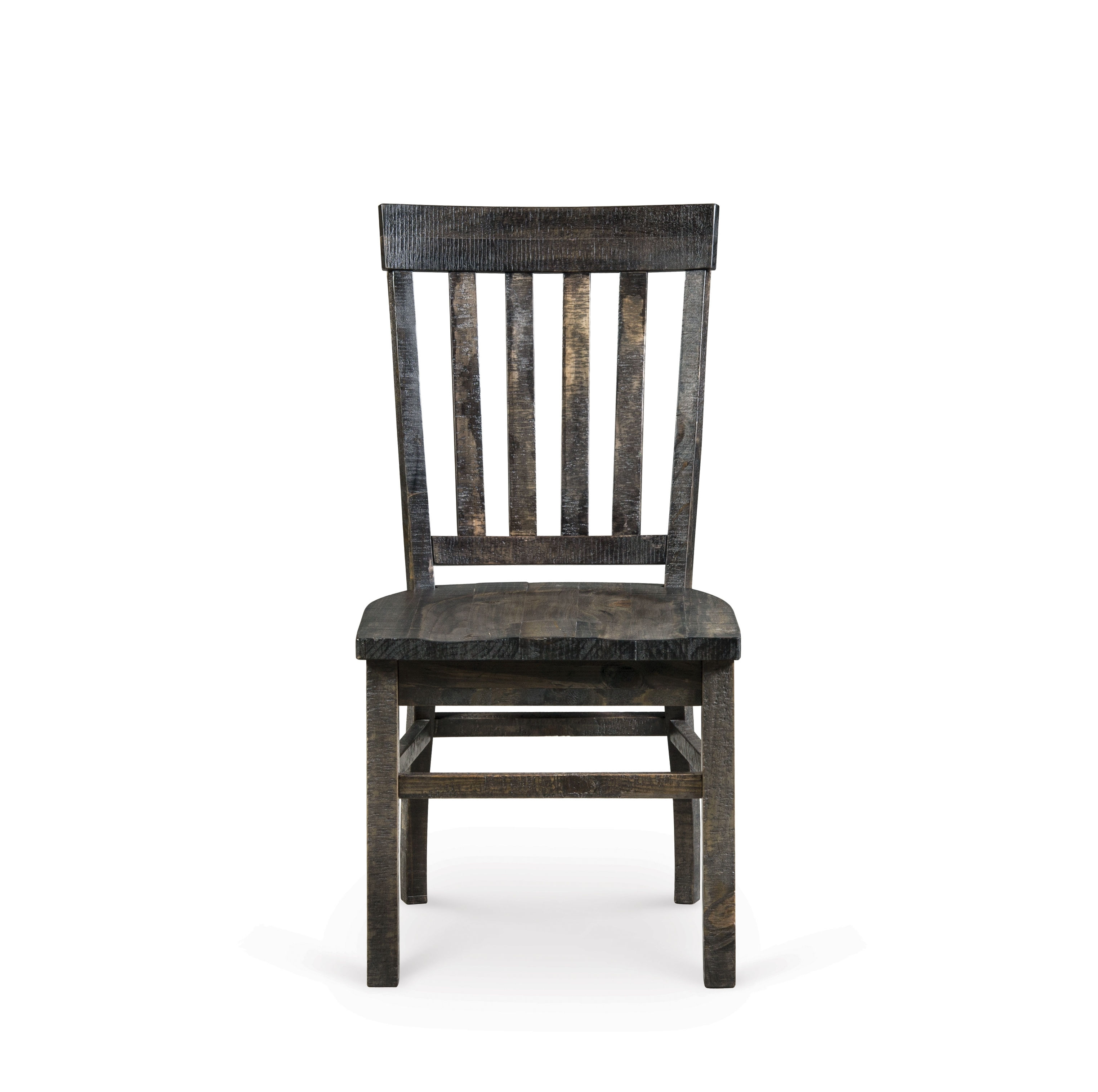
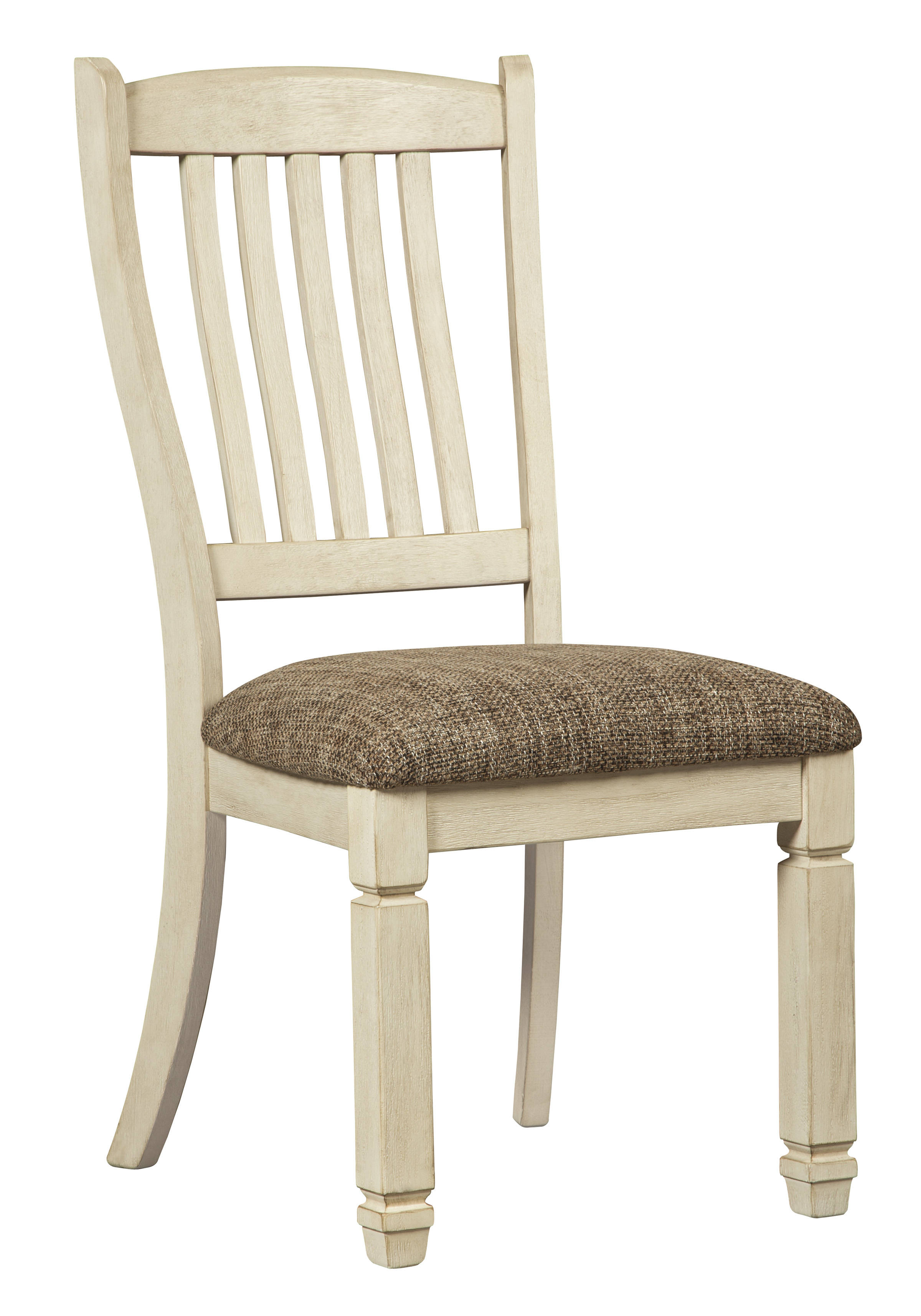
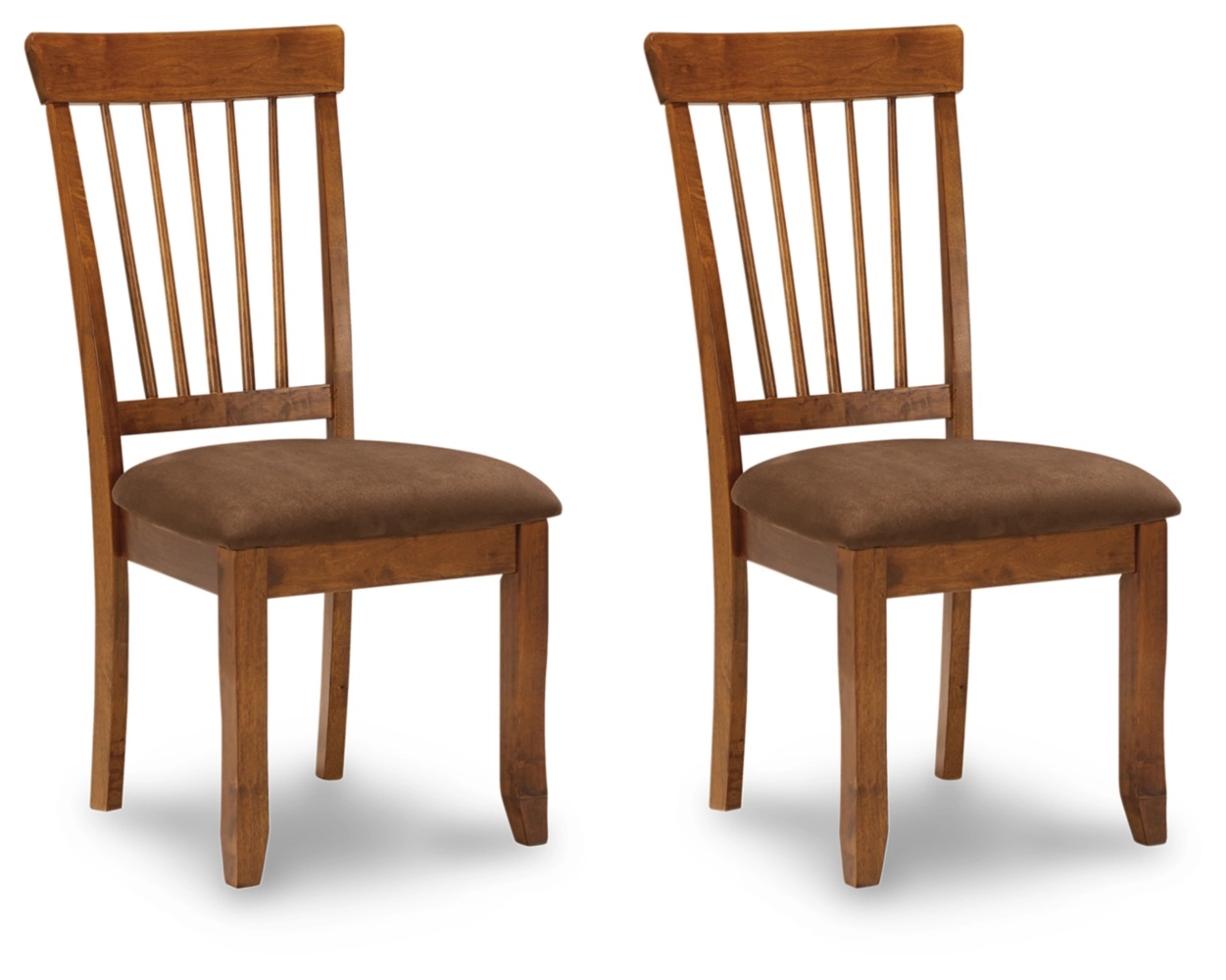
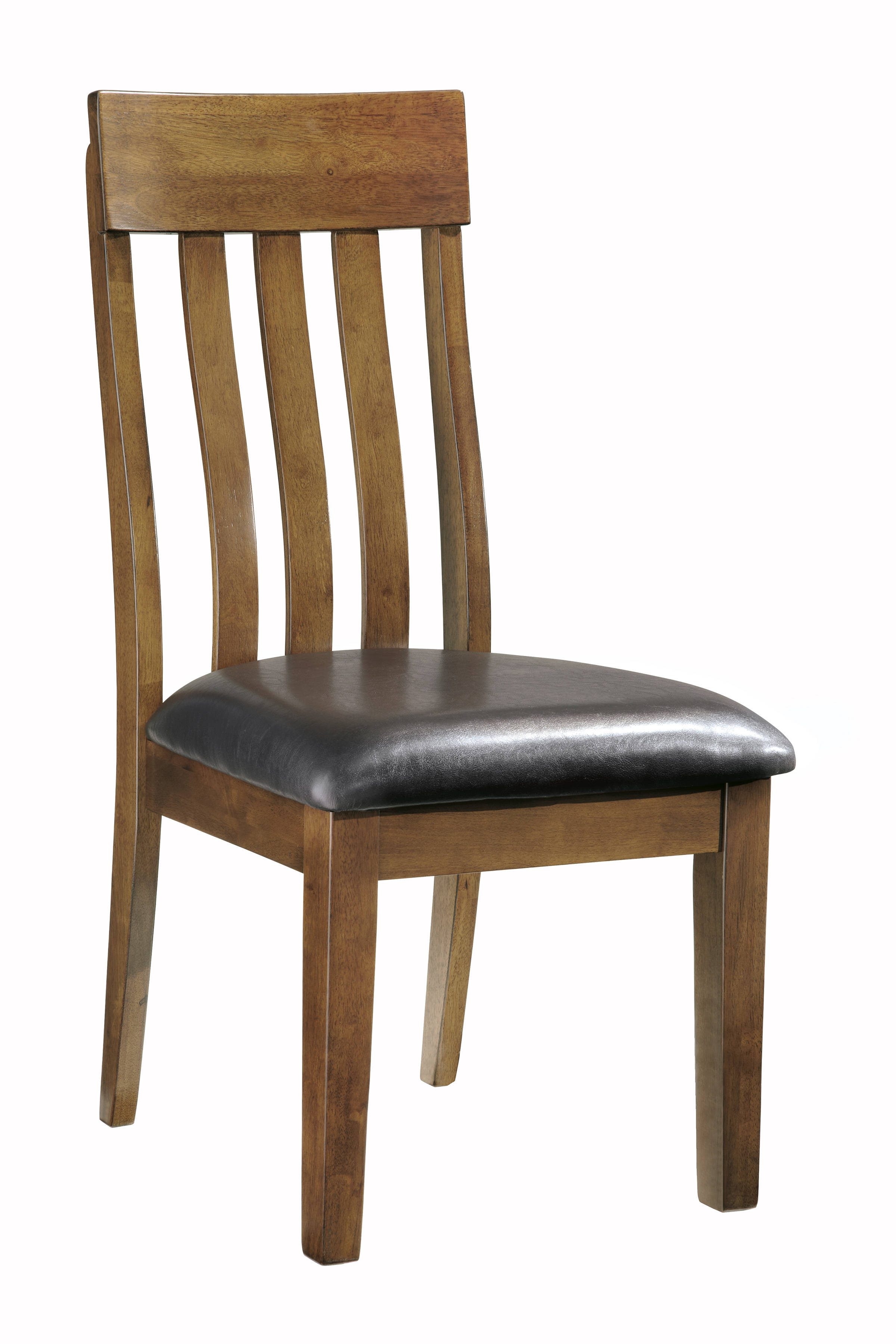
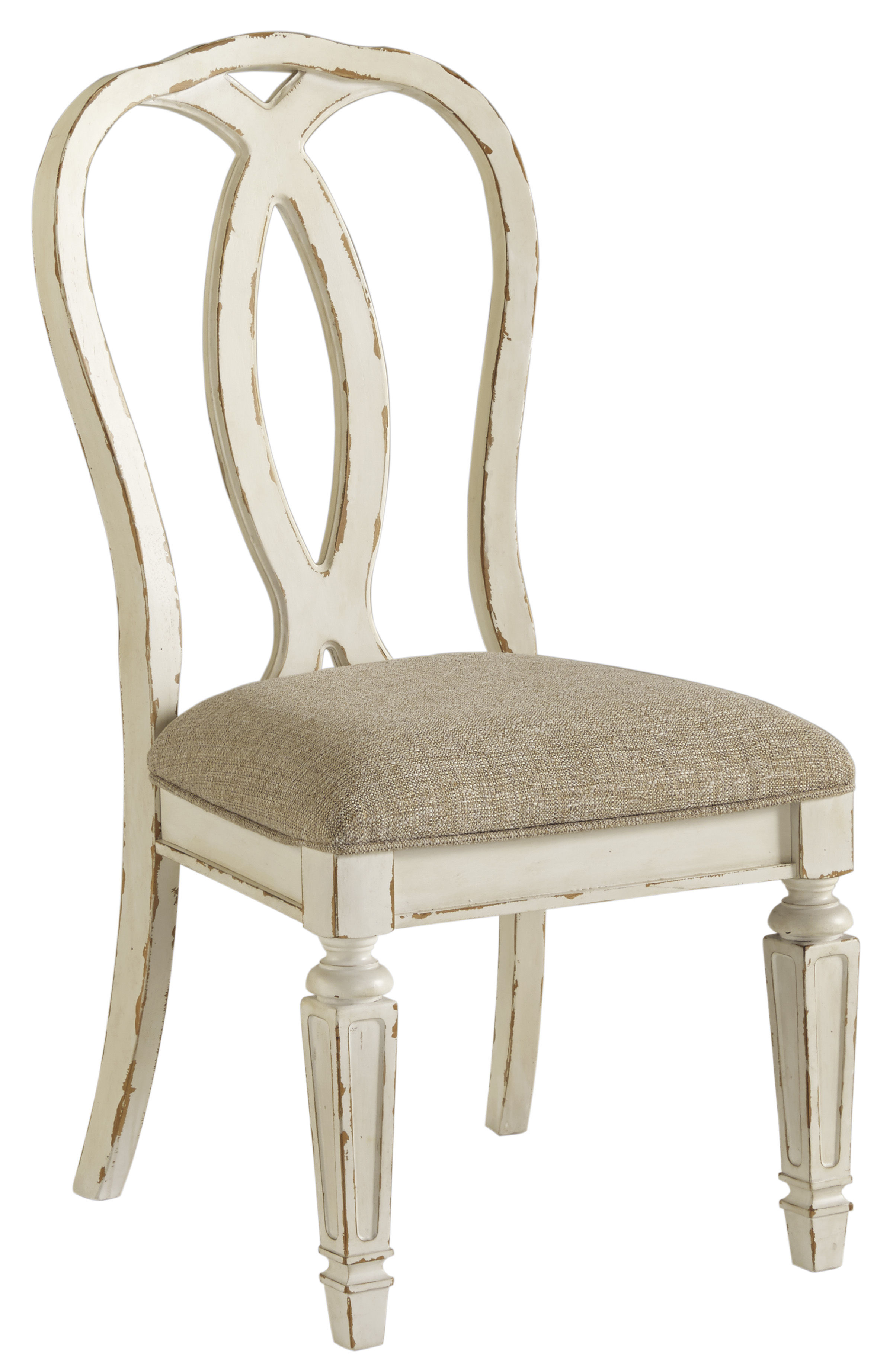
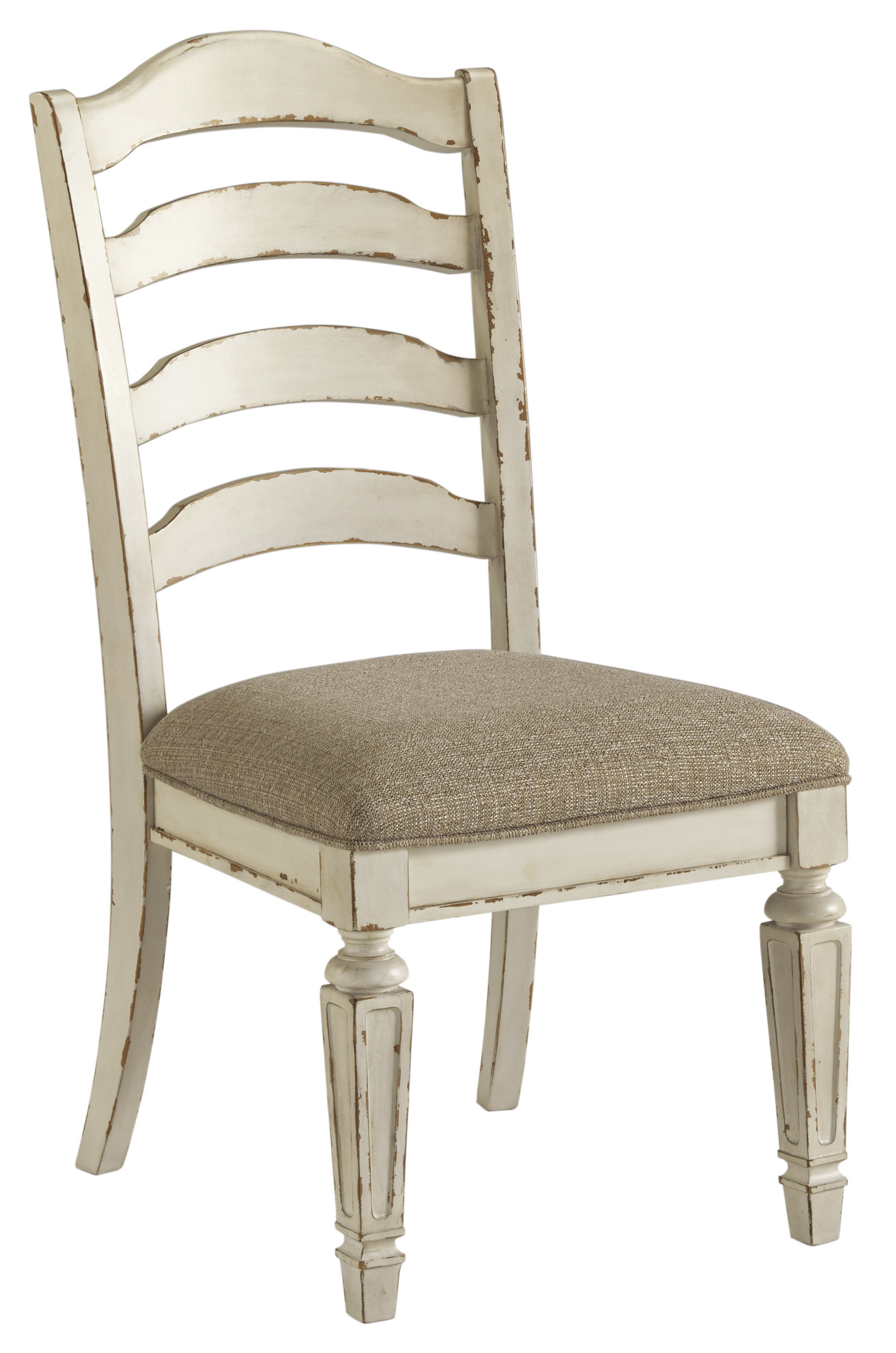
The most successful approach to mixing chair styles is to vary only one design element at a time. If chairs differ in shape, keep the finish consistent. If chairs differ in upholstery color, keep the silhouette consistent. Placing distinctly styled arm chairs at the table ends and matching side chairs along the sides is a structured version of mixing that provides variety without visual noise. The table acts as the unifying element, so the more prominent and distinctive the table, the more latitude you have with varied seating.
How do chairs relate to table visual proportion?
Chair backs that extend above the tabletop dominate the visual impression of the dining room. High-back chairs make a statement; low- and mid-back chairs keep the focus on the table. Upholstered chairs add visual mass that suits a substantial solid-wood table. Wire-frame or transparent acrylic chairs reduce visual weight and work well with a glass or thin-topped table where an airy effect is desired. As a general proportion rule, the combined visual weight of the chairs should roughly equal the visual weight of the table — neither element should completely dominate the other.