
 1-877-718-CLASSY (2527)
Dining Table Chairs
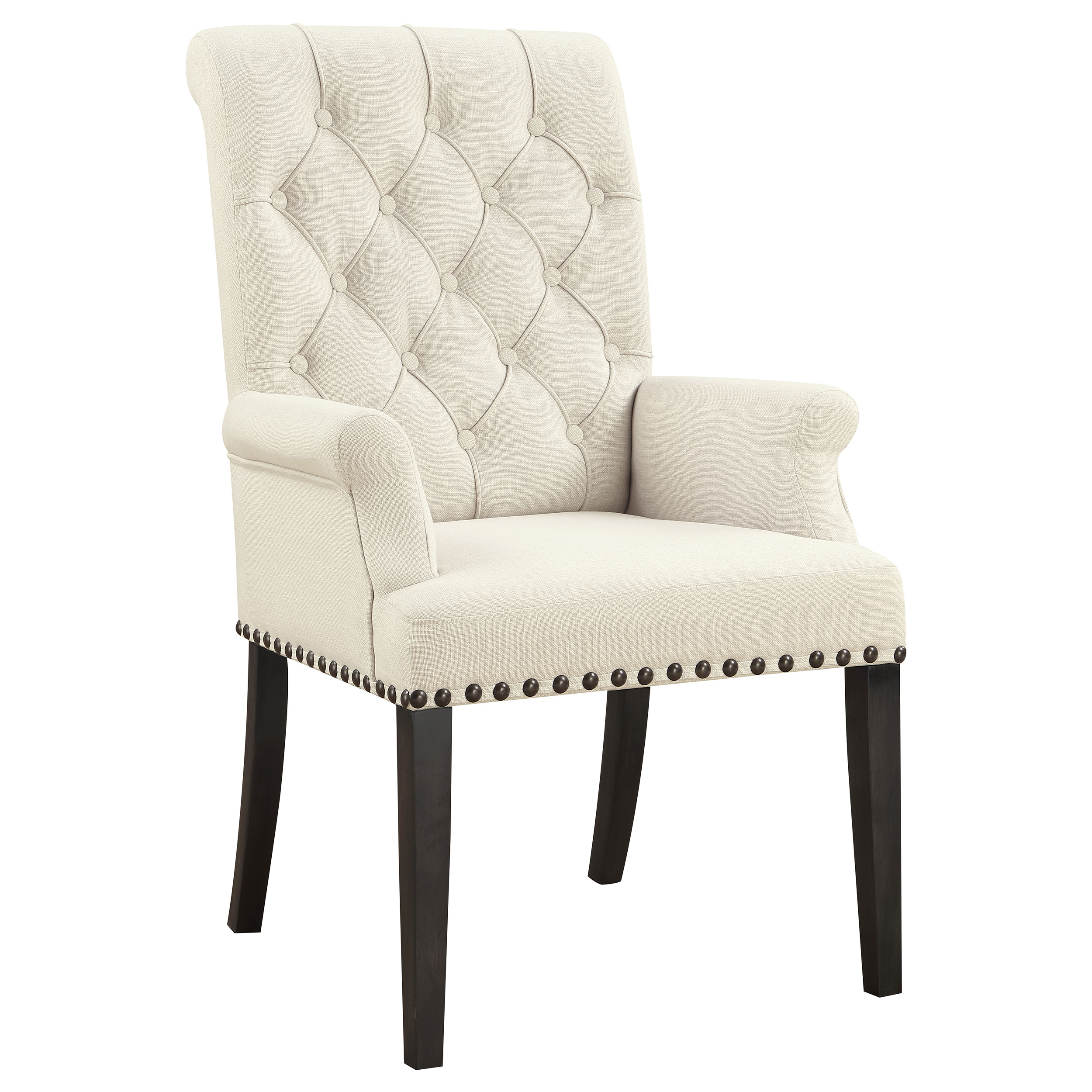
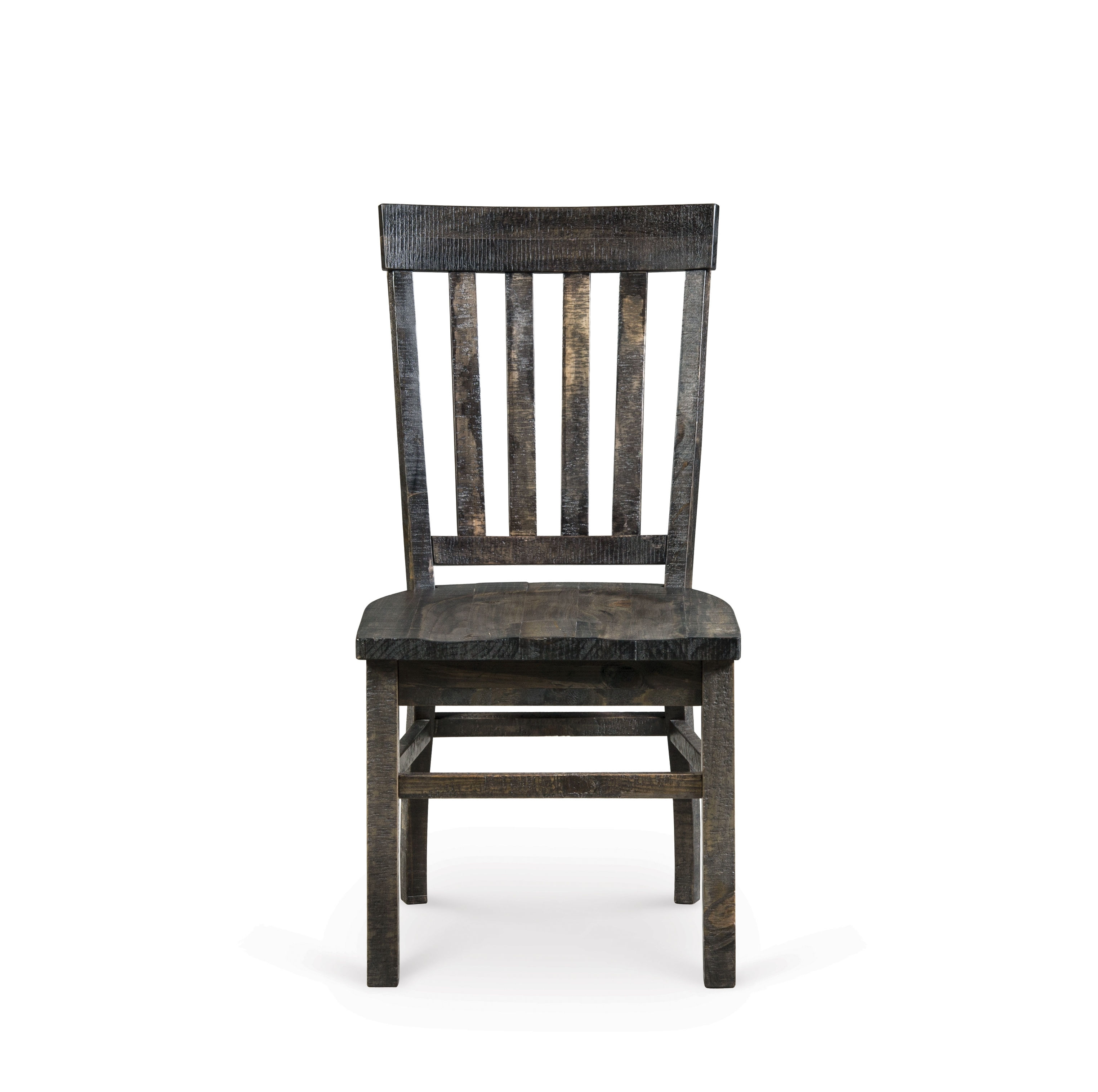
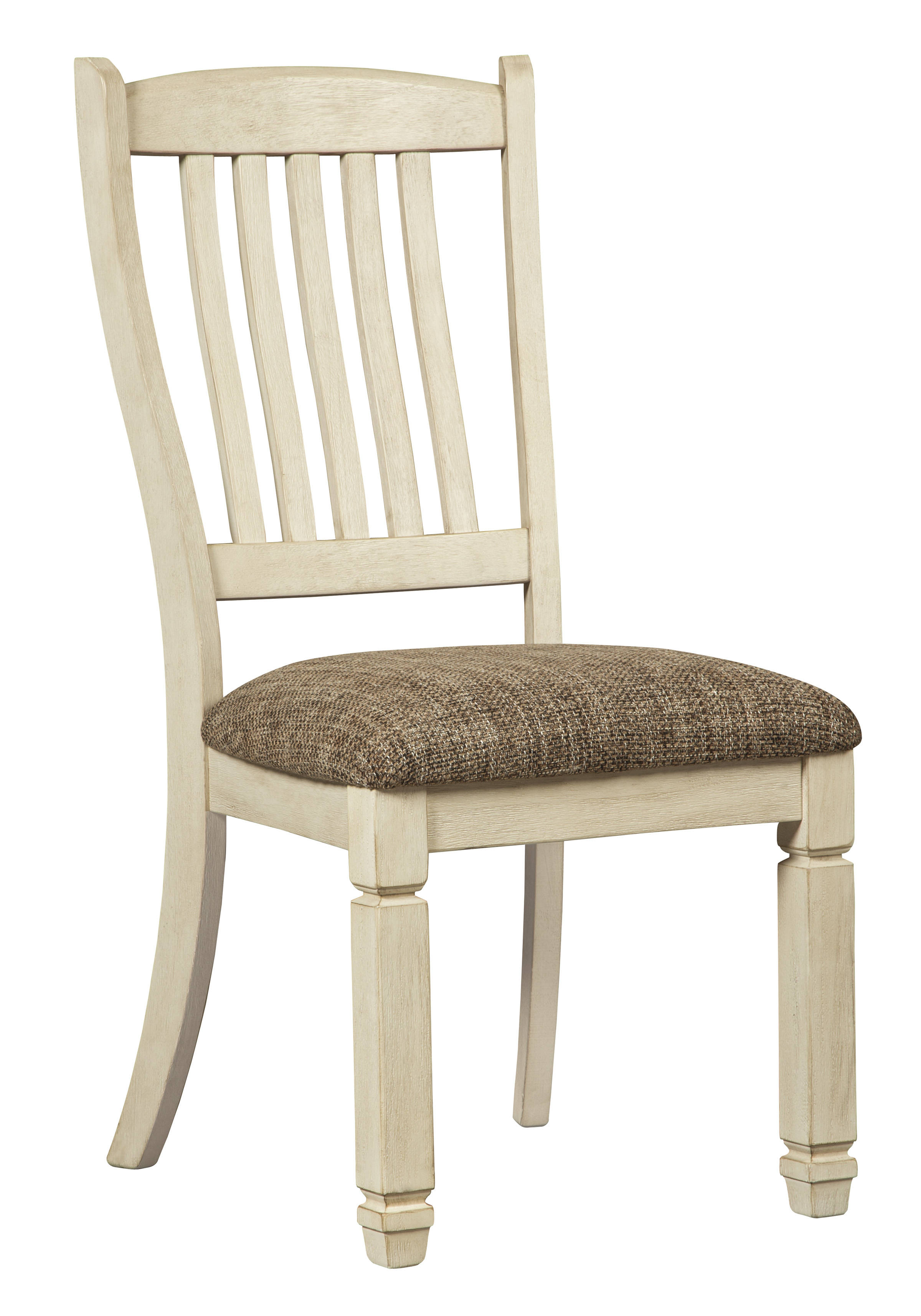
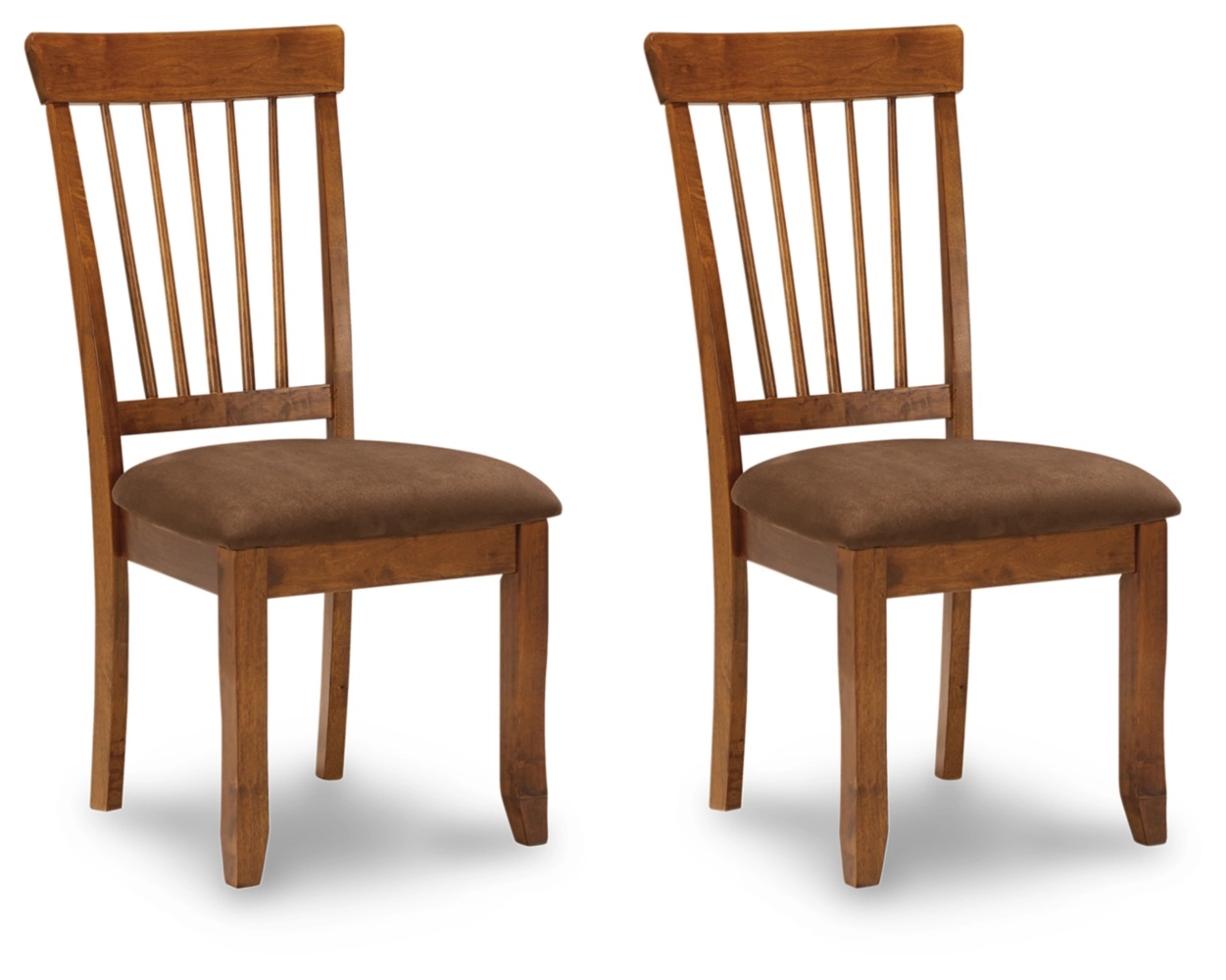
When buying dining table chairs, the most important measurements are seat height (17 to 19 inches for a 30-inch table), seat width (20 to 22 inches for side chairs), and seat depth (16 to 18 inches for comfortable support).
What measurements do I need before buying dining chairs?
Four measurements determine whether a dining chair works for your table and space. Seat height must be 17 to 19 inches for a standard 30-inch table, creating the 10- to 12-inch gap between seat and tabletop that allows comfortable legroom. Seat width for a side chair is typically 20 to 22 inches; arm chairs run 24 to 26 inches wide. Seat depth should be 16 to 18 inches to support the thigh without cutting into the back of the knee. Back height measured from the seat surface determines whether the chair will slide fully under the table — compare this against the table apron clearance before purchasing.
What materials are used for dining chairs?
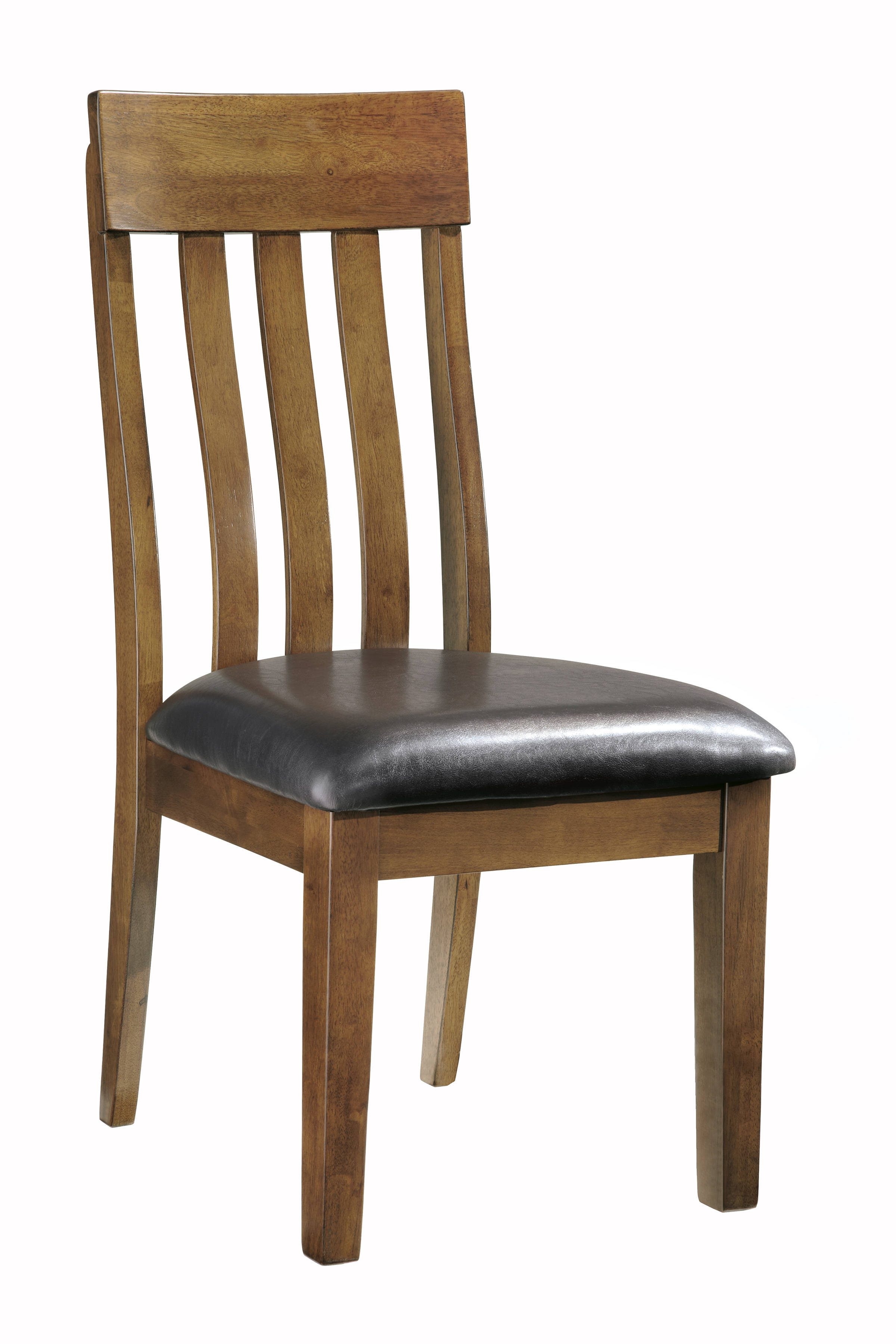
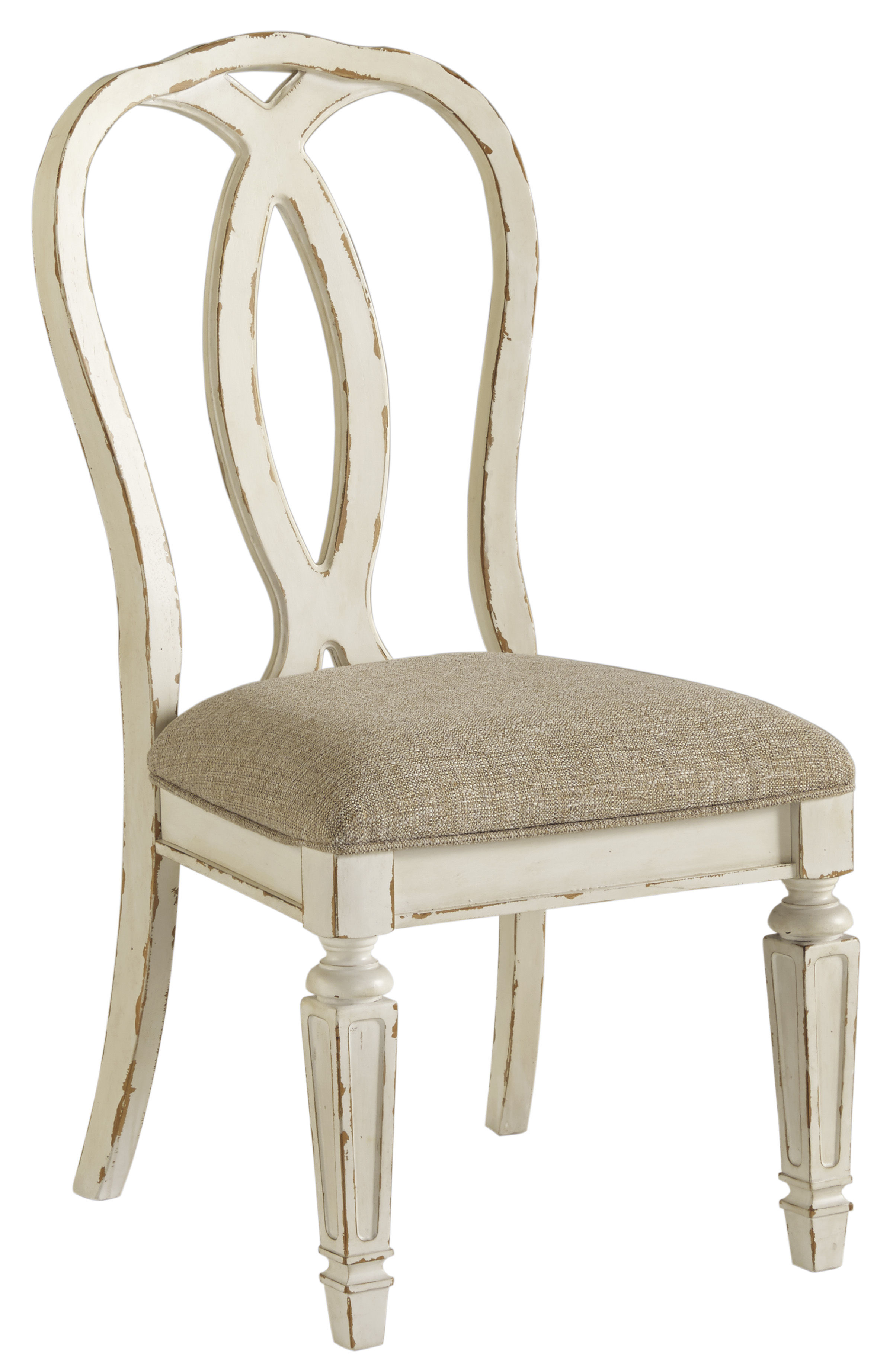
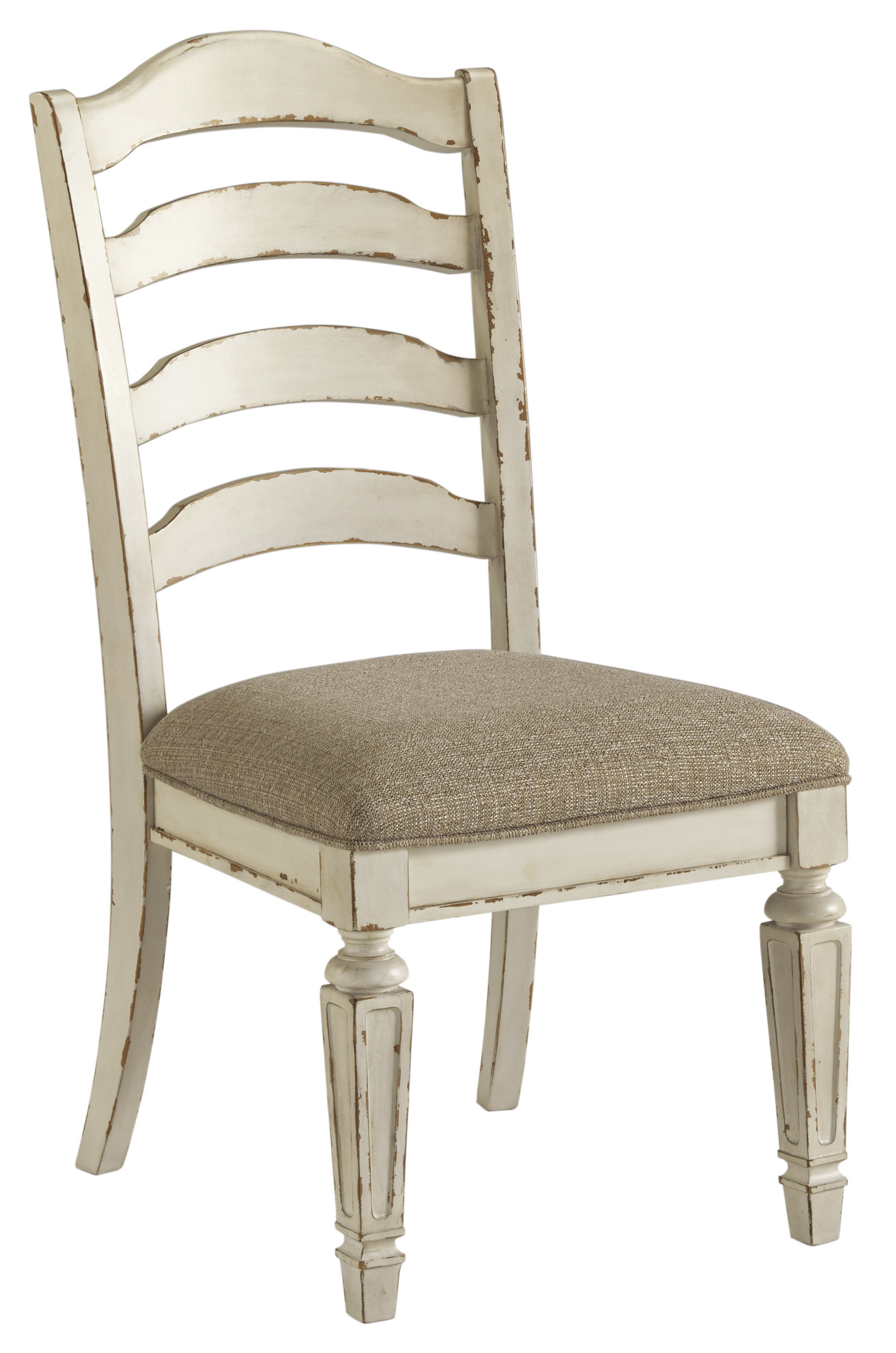
Wood is the most traditional dining chair material. Solid hardwood frames (beech, ash, and rubberwood are common in dining chairs) are the most durable. Engineered wood frames are less expensive but may flex over time with repeated use. Metal frames — typically steel or aluminum — are lightweight, strong, and easy to clean; they suit contemporary and industrial-style rooms. Upholstered seats add comfort; practical upholstery choices for dining include performance fabric (stain-resistant), faux leather, and genuine leather. Molded plastic and polypropylene chairs are lightweight and cleanable but offer less padding unless a cushion is added.
What back height should I look for?
Low-back chairs, where the back extends 12 to 15 inches above the seat, provide minimal lumbar support and create an open, unobtrusive look in the dining room. They are practical for small spaces where high backs would feel overwhelming. Mid-back chairs (15 to 20 inches above the seat) are the most versatile choice — they support the lower back during a full meal and are comfortable for most seated positions. High-back chairs (more than 20 inches above the seat) offer full spinal support and a formal presence, but their taller profiles mean they cannot always slide under the table and they visually dominate the room.
Are stackable chairs useful for dining rooms?
Stackable dining chairs serve a specific purpose: they allow a household to store extra chairs compactly when those chairs are not in regular use. Most stack four to six chairs high depending on the design. They are typically made from metal or molded plastic and are easier to clean than upholstered chairs. The trade-off is comfort — stackable chairs are not designed for long meals and are best suited as supplemental seating for occasional larger gatherings rather than as the primary dining chair.