
 1-877-718-CLASSY (2527)
Sectional Sleepers: How They Work and What to Expect
A sectional sleeper is a sectional sofa that contains a hidden pull-out or fold-out mattress in one of its sections, most commonly the chaise. It provides normal sectional seating during the day and converts to a full or queen bed for overnight guests without requiring a separate guest room.
How does a sectional sleeper work?
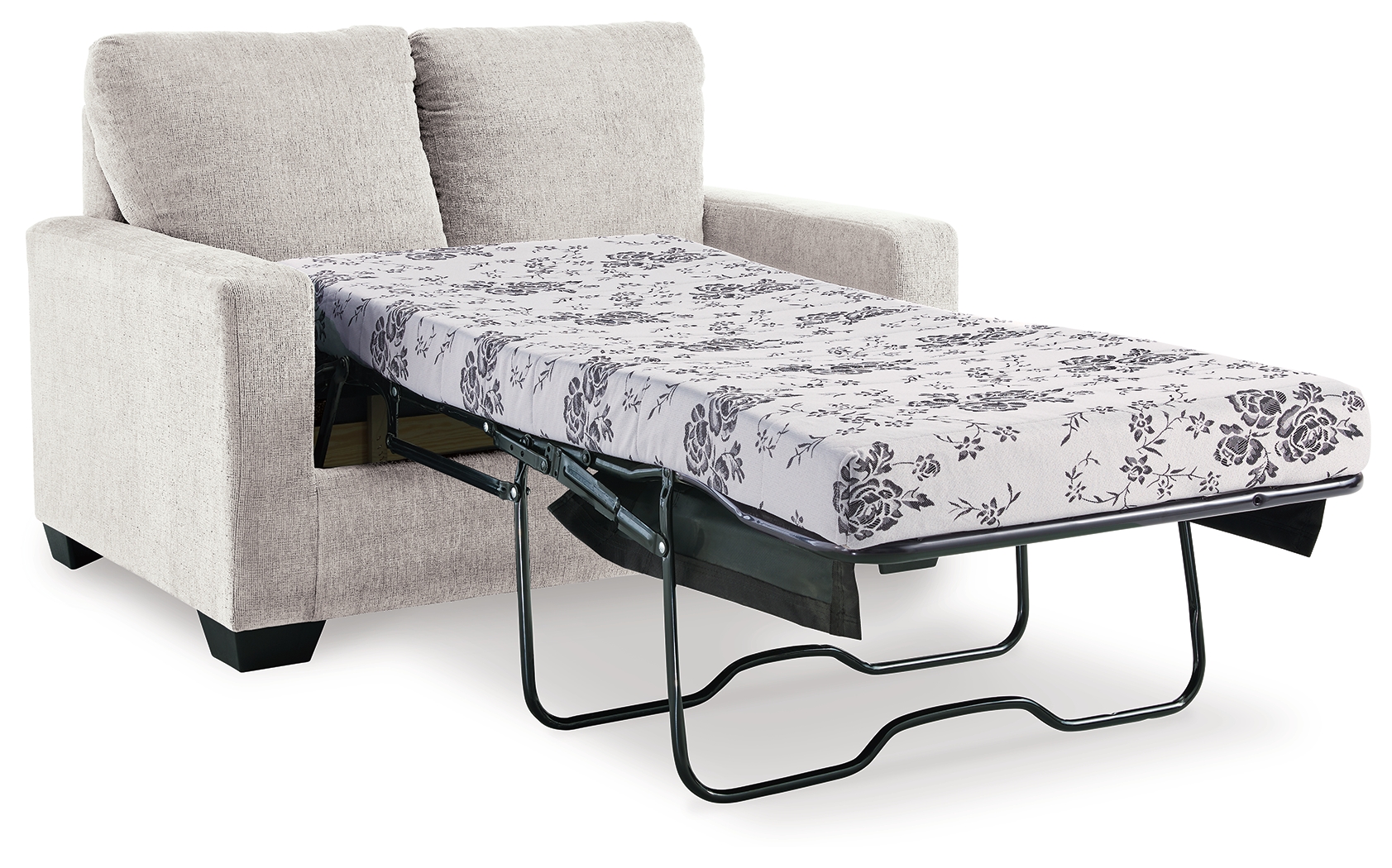
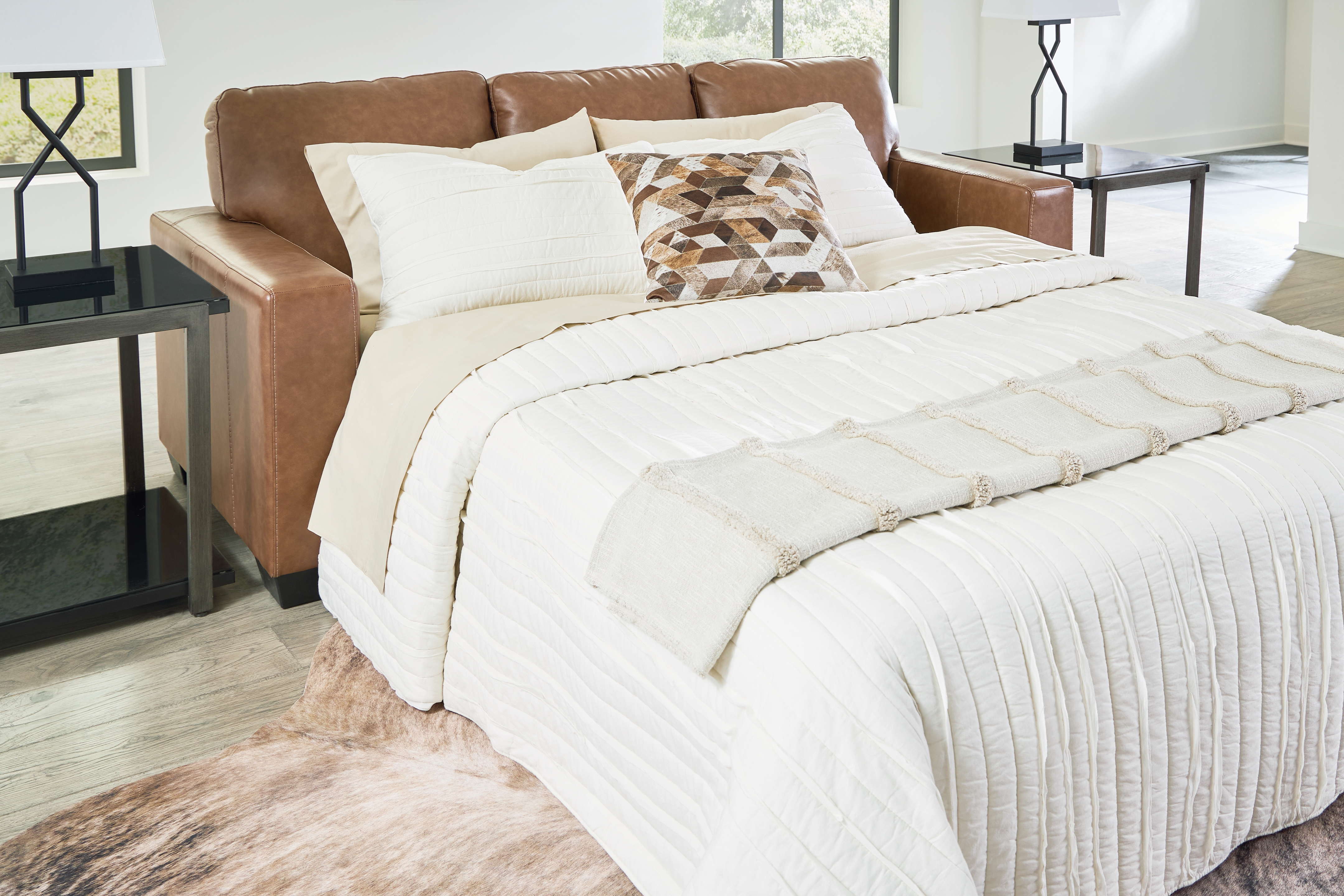
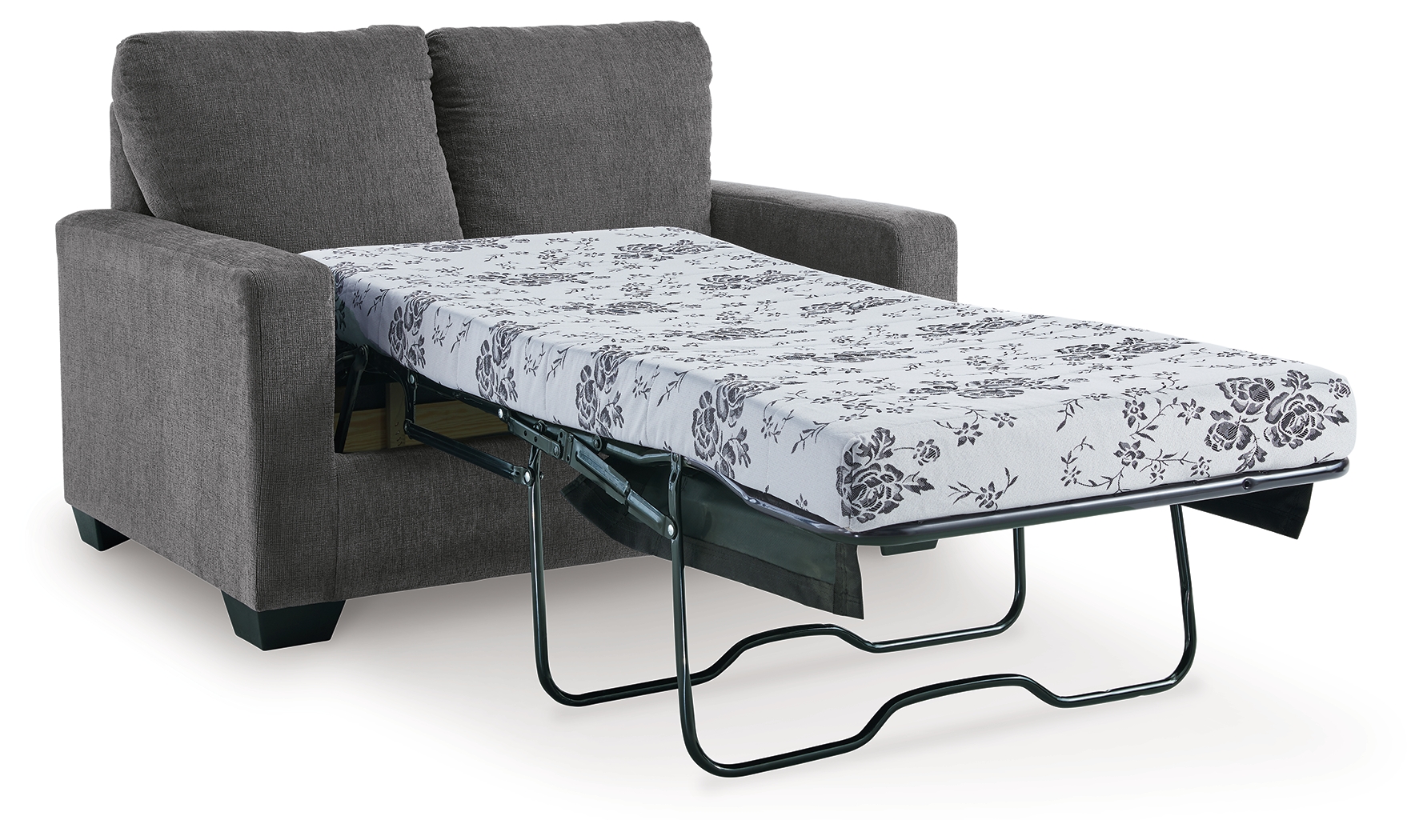
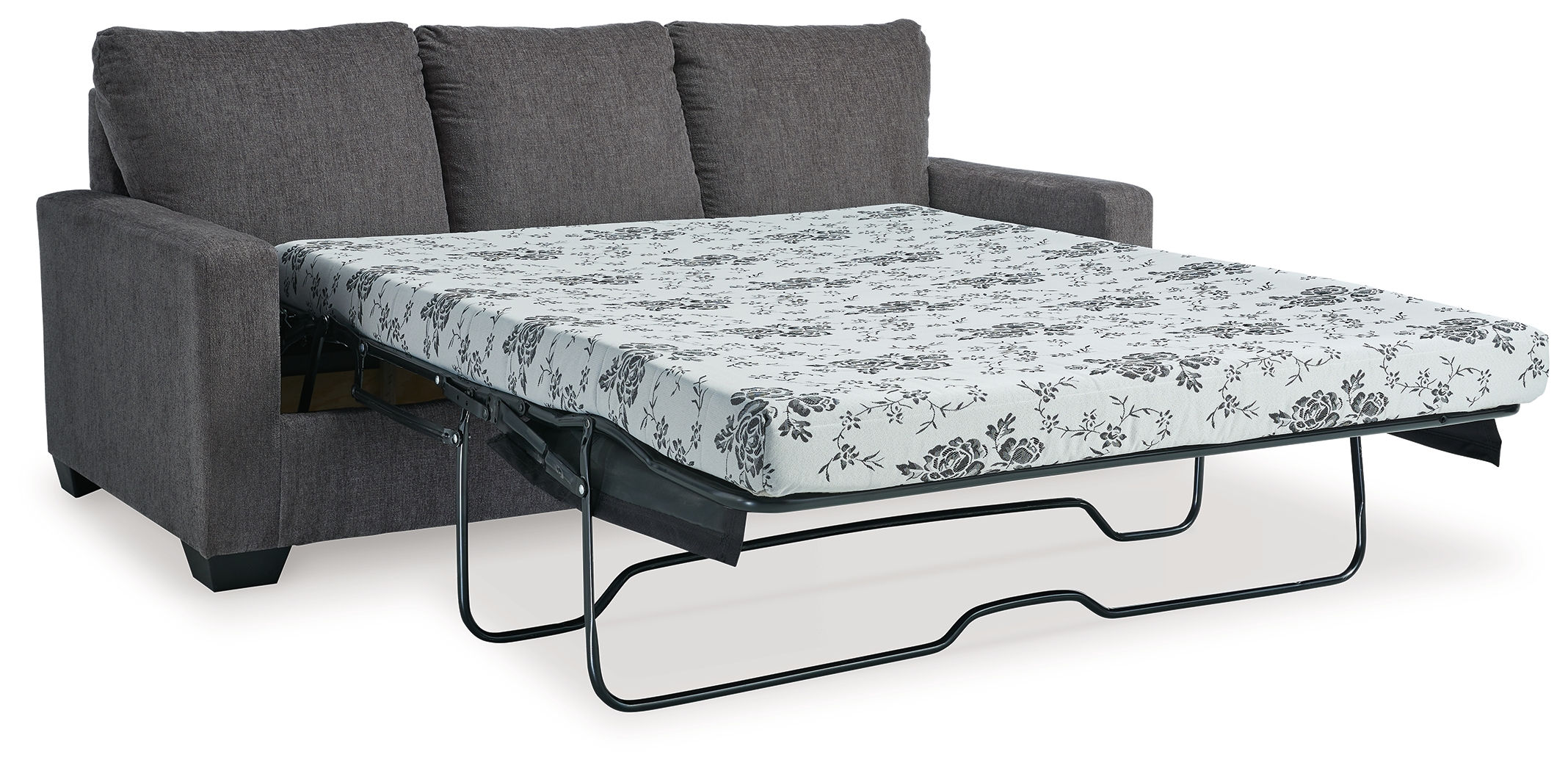
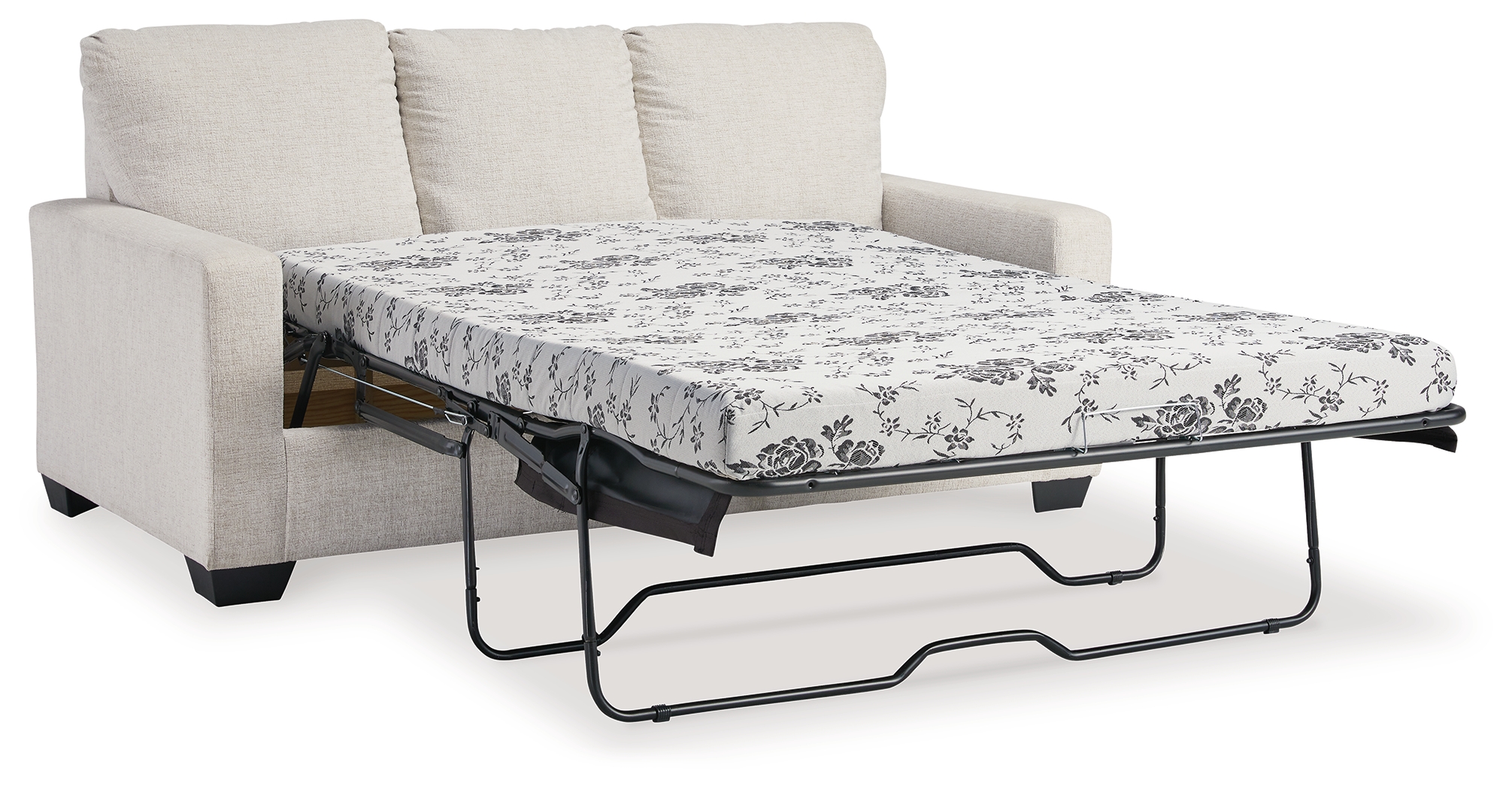
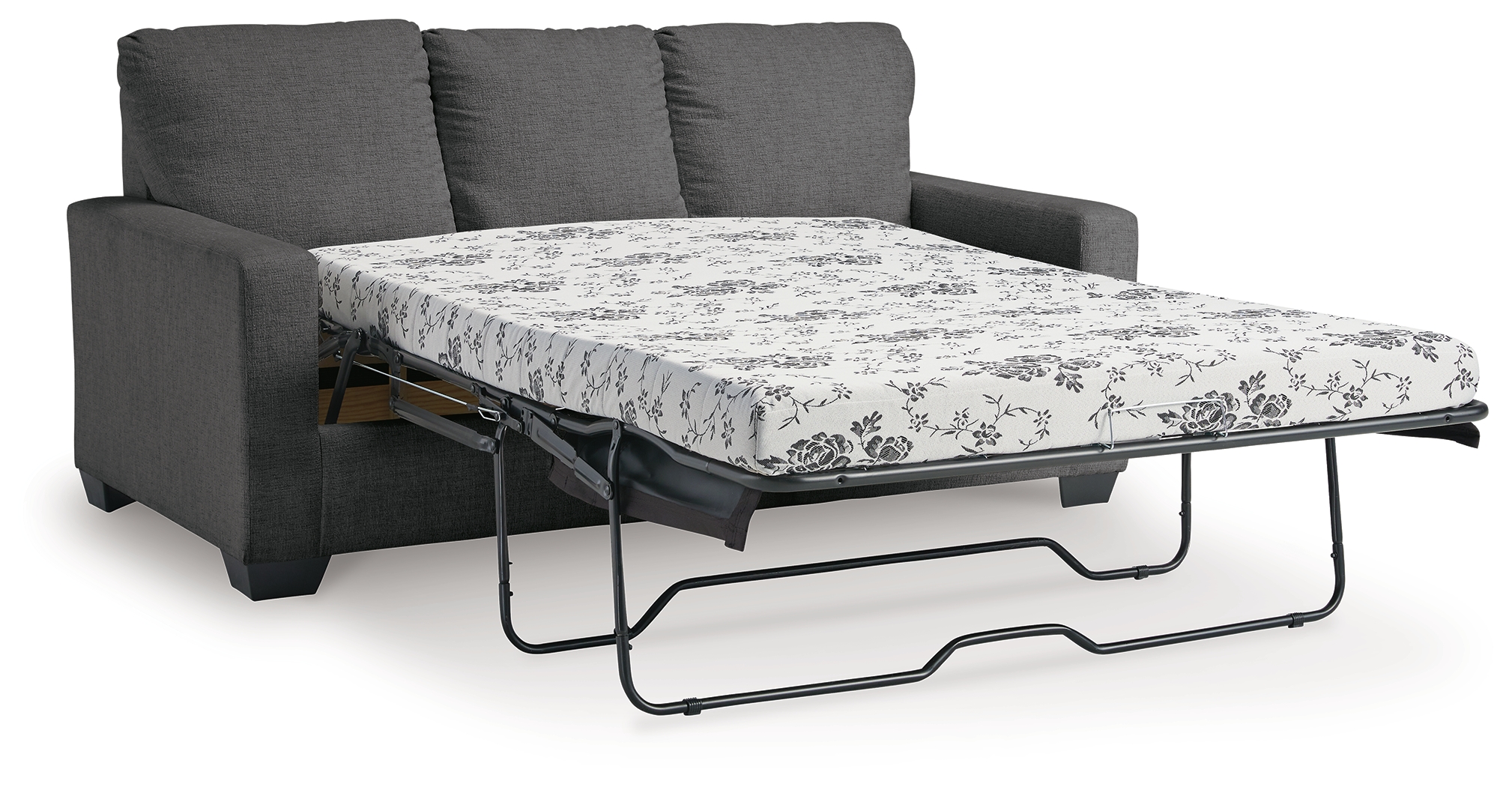
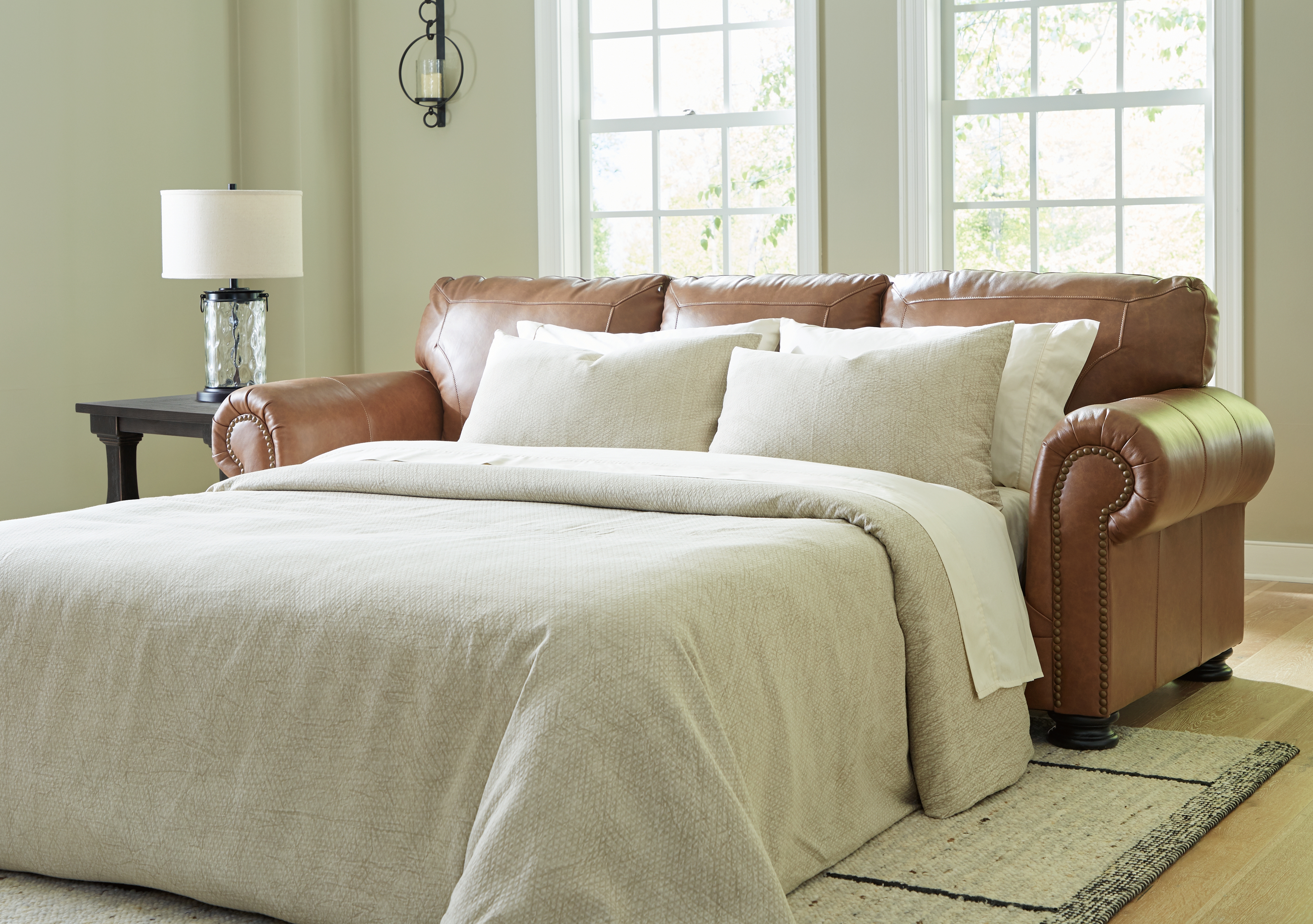
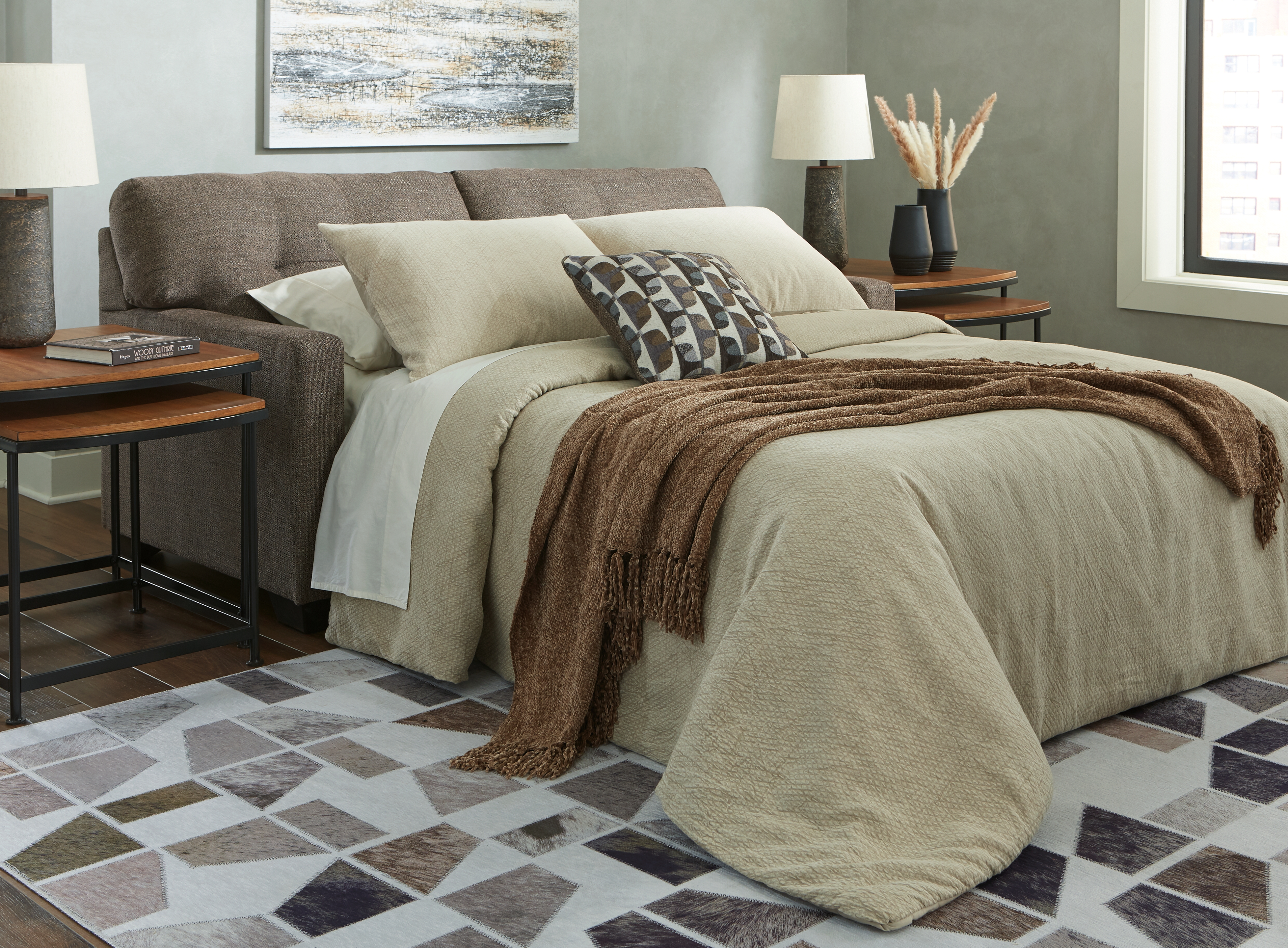
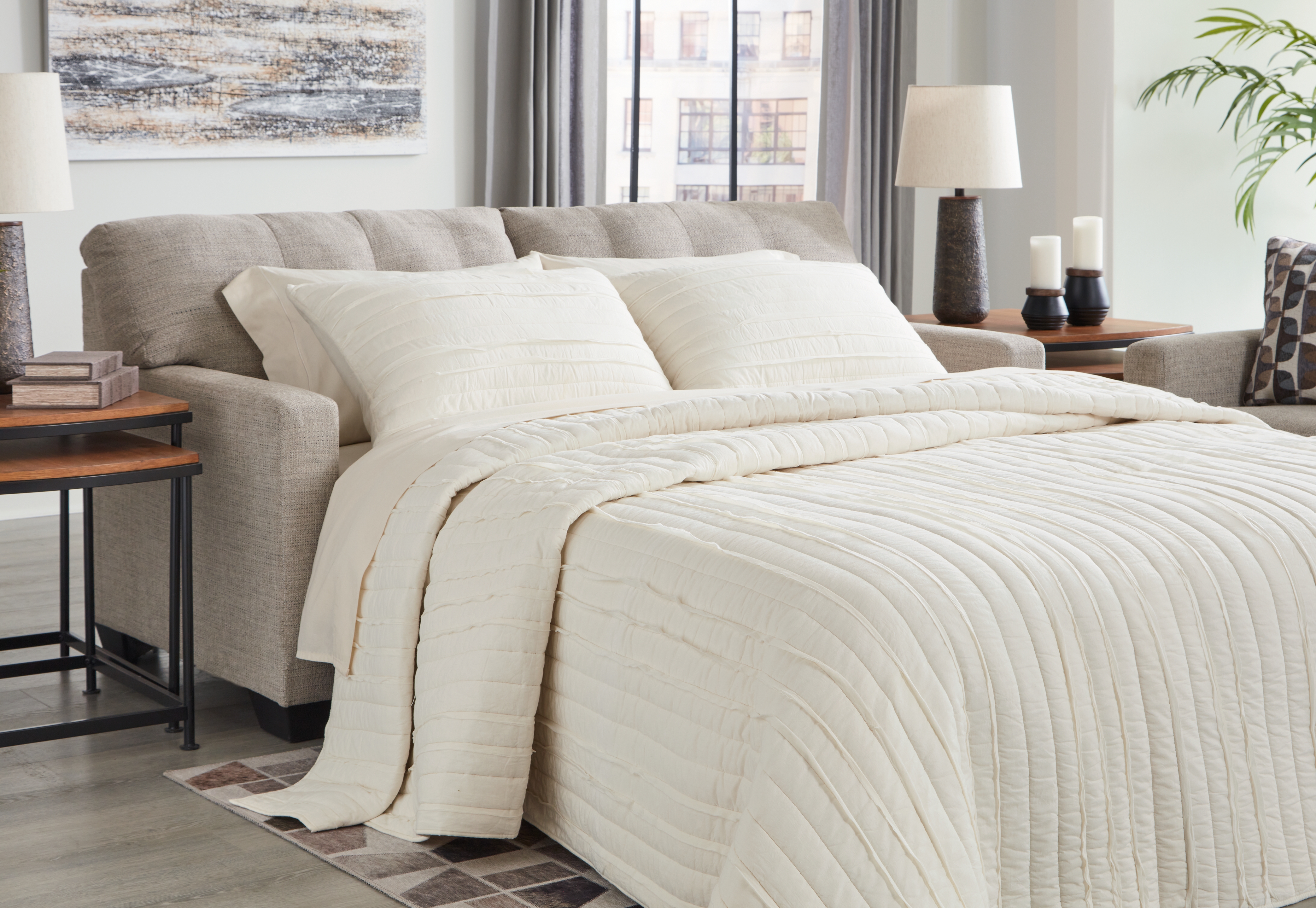
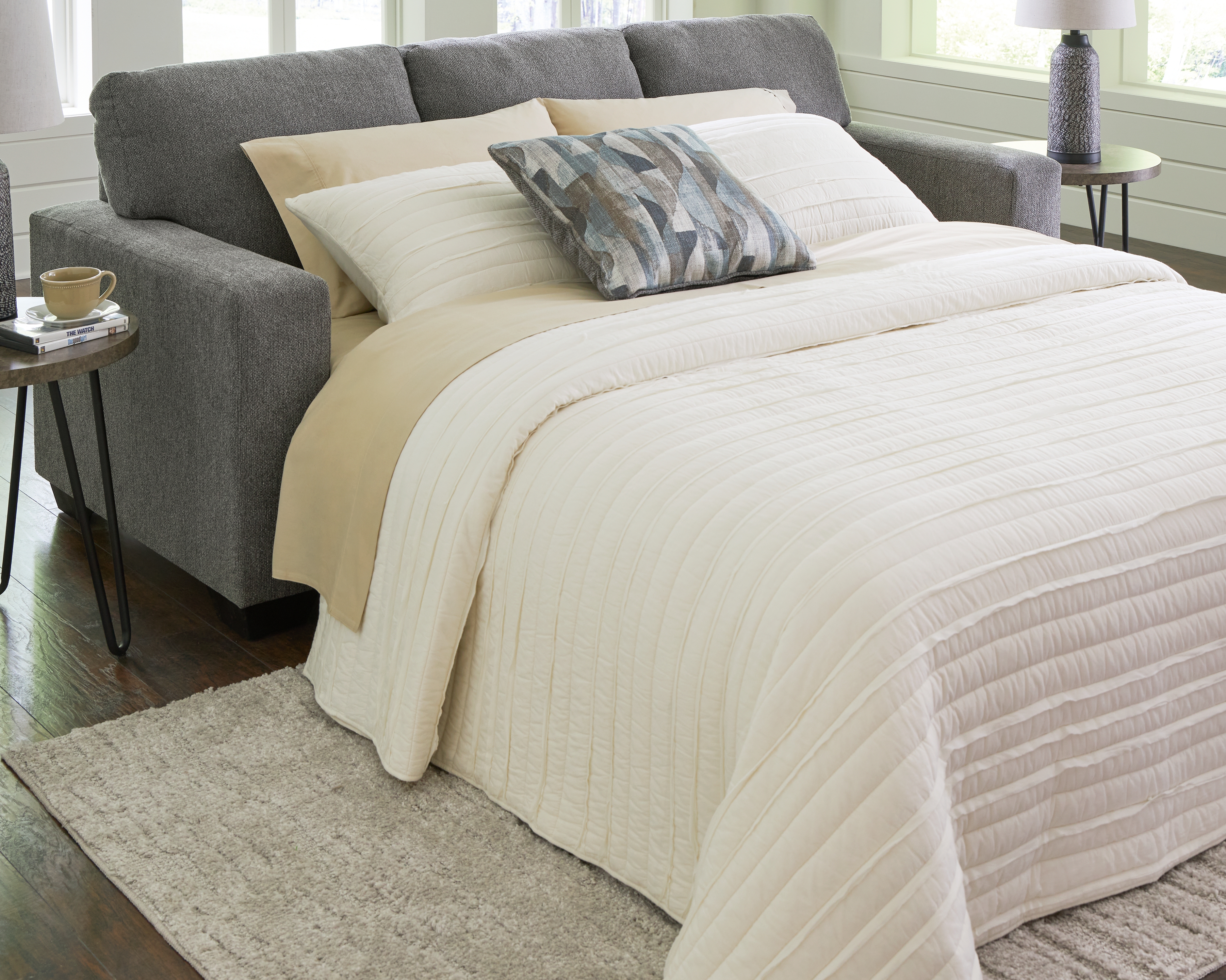
There are two main mechanisms. In a chaise sleeper, the chaise cushion lifts off and the sleeping surface unfolds from inside the chaise body, lying flat on the floor. There is no metal pull-out frame — the mattress is foam and folds in half or thirds. In a sofa-body sleeper, the mechanism is the same as a standard pull-out sleeper sofa: lift the seat cushions, grab the frame handle, and pull the hinged metal frame and mattress forward until it lies flat. Both types return to sofa configuration by reversing the process and replacing the cushions. The chaise sleeper is generally easier to open and close single-handedly; the sofa-body pull-out is heavier and benefits from two people to deploy and stow.
What size mattress does a sectional sleeper have?
Chaise-based sectional sleepers most commonly provide a full-size sleeping surface, approximately 54 inches wide by 75 inches long. Sectionals with a queen pull-out in the sofa body offer 60 inches by 80 inches — adequate for two adults. The actual usable sleeping width in a chaise sleeper may be slightly less than a standard full if the chaise narrows toward the foot end; check the product's stated mattress dimensions rather than assuming the label matches standard mattress measurements exactly.
How much floor space does a sectional sleeper need when the bed is open?
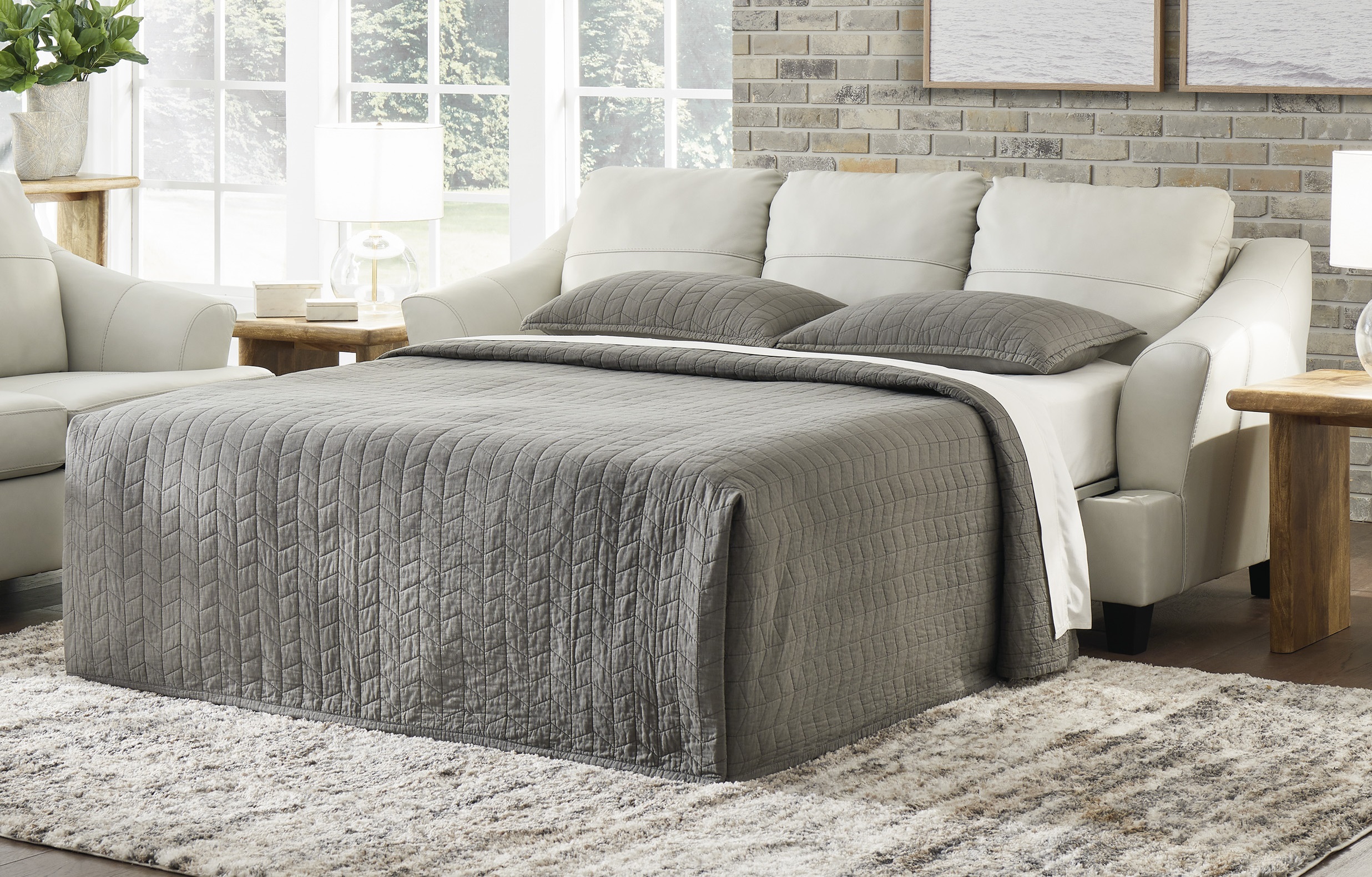
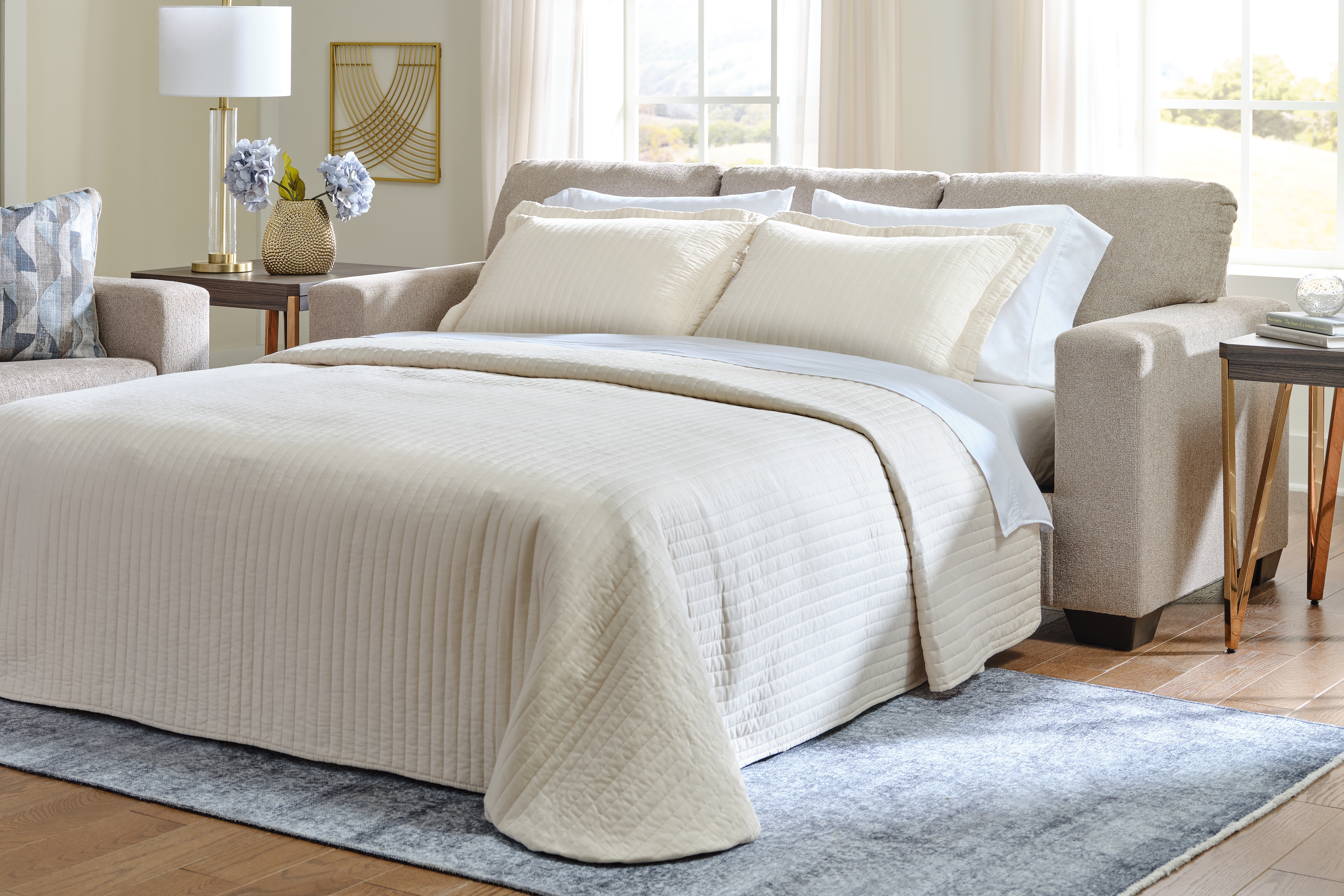
The deployed bed extends outward from the sofa toward the center of the room. A chaise sleeper needs roughly 6 to 8 feet of clear floor space measured from the chaise face outward to accommodate the unfolded mattress. A queen pull-out in the sofa body needs approximately 8 feet from the back of the sofa to the open foot of the mattress — meaning the sofa plus open bed together occupy 10 to 11 feet of room depth from wall to mattress end. Plan this clearance carefully in smaller rooms, as furniture in the path must be moved each time the bed is used.
Is a sectional sleeper the right choice for a studio apartment or small home?
A sectional sleeper is particularly well suited to spaces where a dedicated guest room is not an option. In a studio apartment, it fills the role of primary seating and occasional guest bed without requiring any additional furniture. In a small home or apartment, it eliminates the need for a separate sofa and a separate guest bed, which saves significant floor space. The trade-off is that the room must be reconfigured each time the bed is used, which is more disruptive in a studio than in a designated living room. For someone who expects regular overnight guests — more than once per month — a dedicated sleeper sofa or spare bed is more practical. For occasional guests, the sectional sleeper is an efficient solution.
How does sleeping on a sectional sleeper compare to a dedicated sleeper sofa?
A dedicated sleeper sofa is designed with the sleep function as a primary purpose and often has a more substantial mattress (5–6 inches thick) than a chaise-based sectional sleeper (typically 4–5 inch foam). The metal pull-out frame in a sofa-body sectional sleeper is functionally identical to that of a standalone sleeper sofa, so comfort is similar. The chaise sleeper tends to offer a flatter, softer surface with no metal bar running under the middle of the mattress, which is a common complaint with traditional pull-outs. For most occasional-use situations, a sectional sleeper is comparable to a dedicated sleeper sofa; for frequent use, adding a 2-inch memory foam topper improves both types significantly.