
 1-877-718-CLASSY (2527)
Reclining Couches: Space Requirements, Mechanisms, and Features
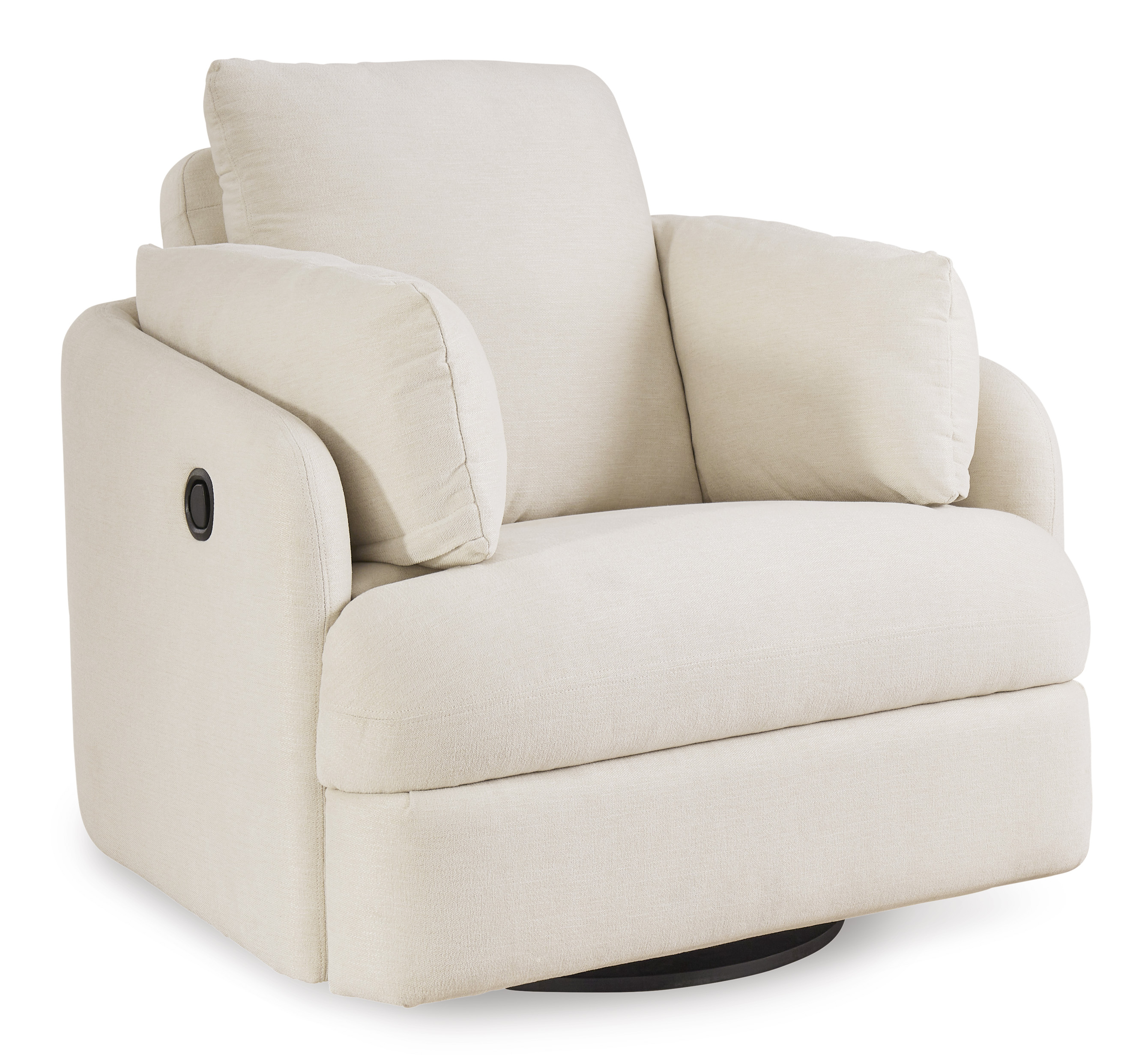
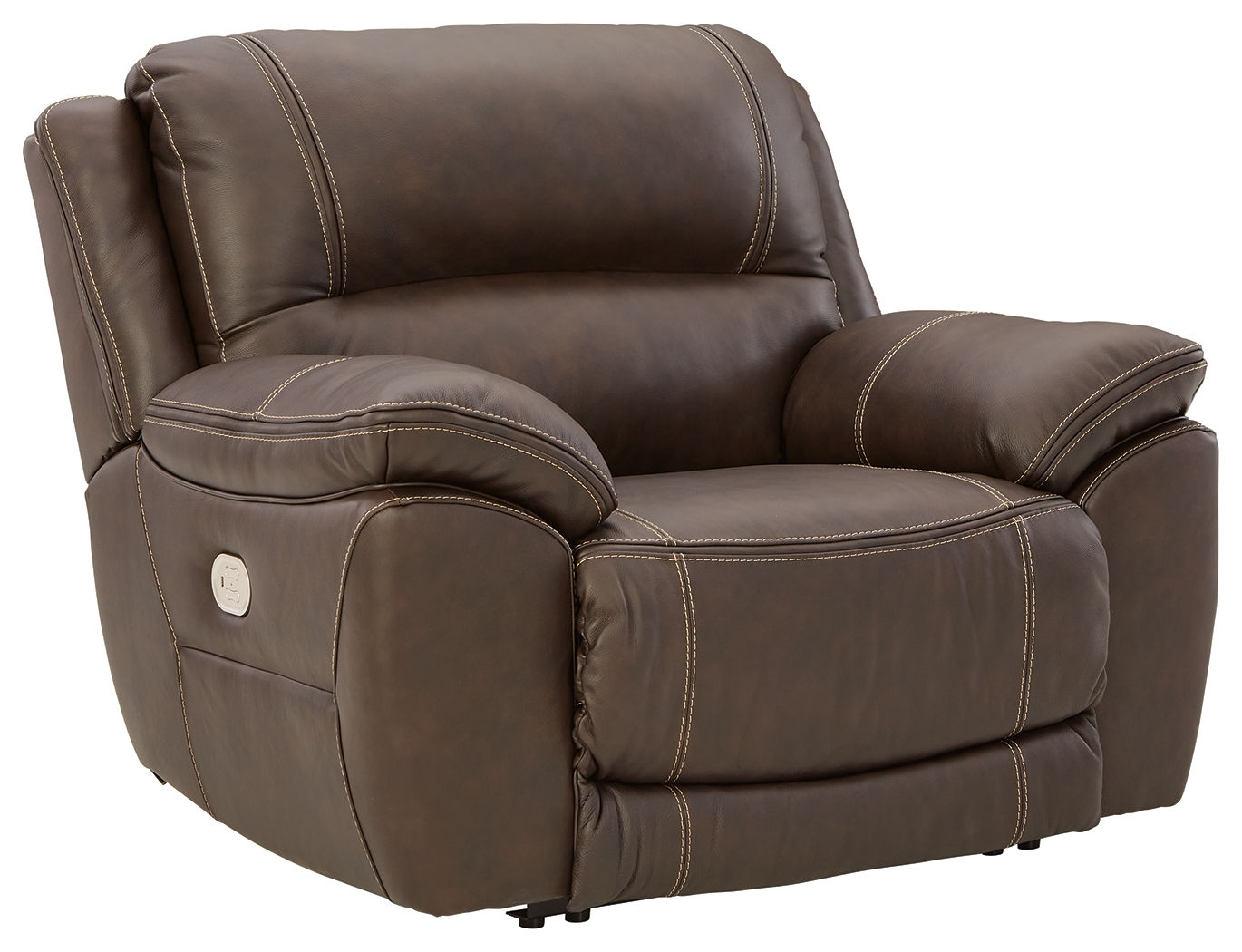
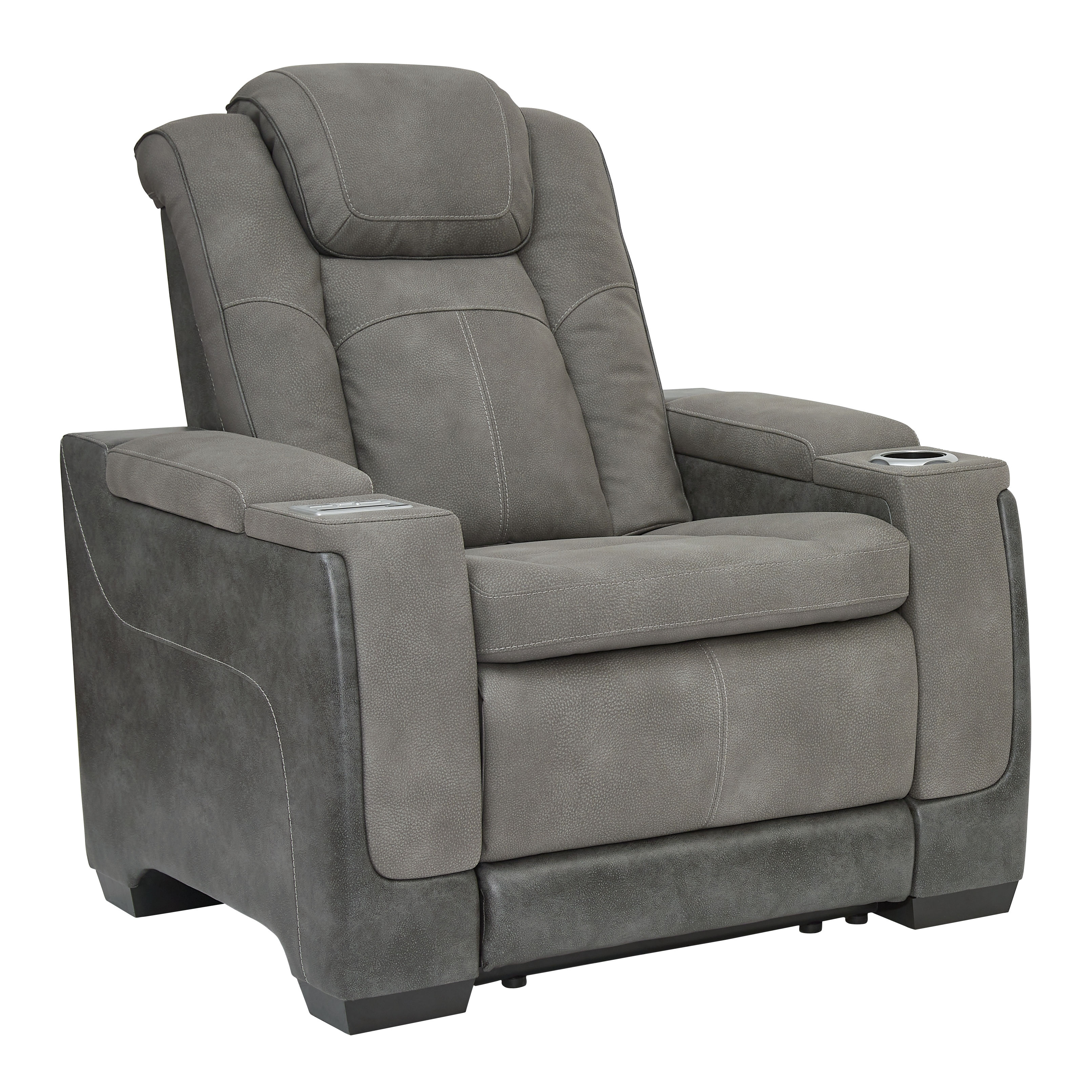
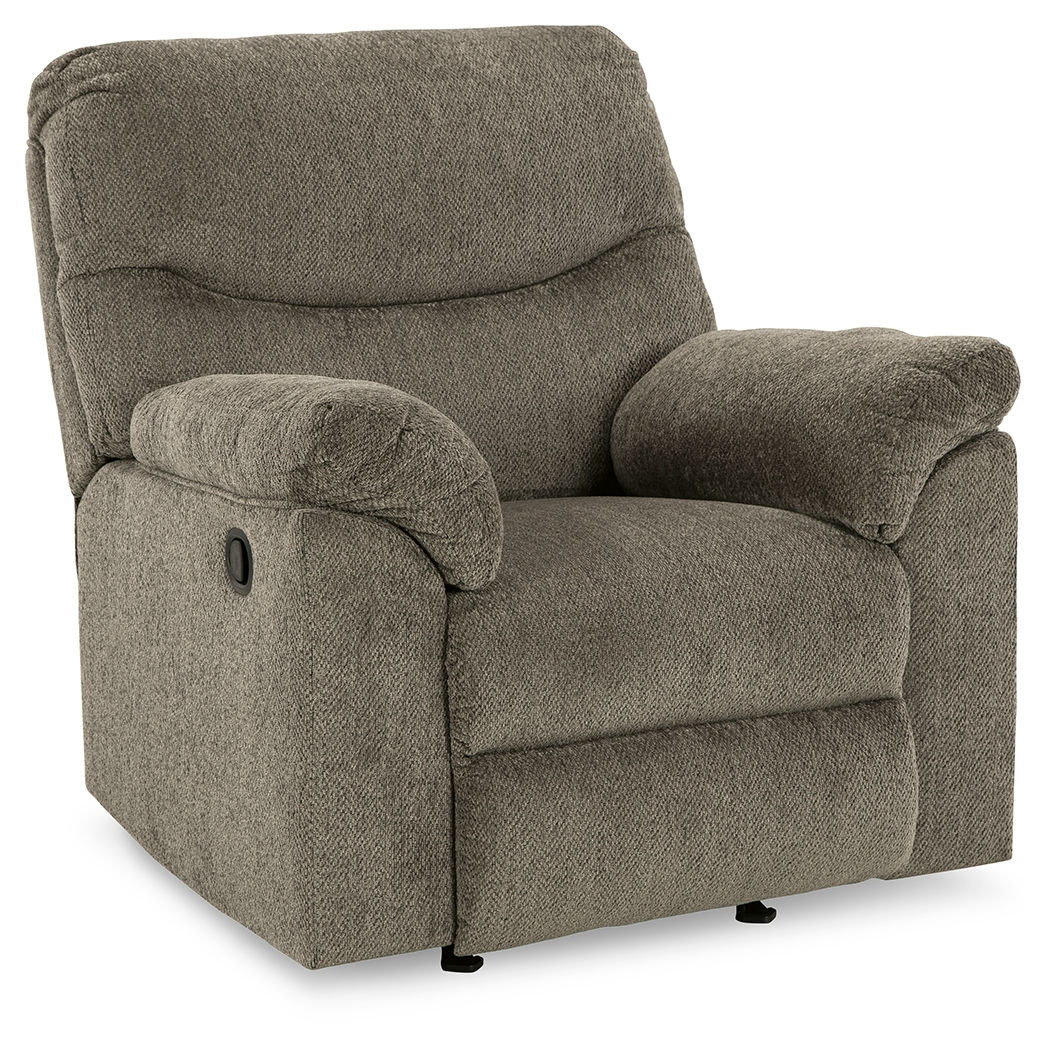
Reclining couches allow one or more seats to extend a footrest and drop the back to a reclined position. Traditional models need 18–24 inches of wall clearance; wall-hugger models need only 4–6 inches. Manual versions use a hand lever; power versions use an electric motor and require an outlet. Two-, three-, and four-seat configurations are available, with per-seat weight capacities typically between 250 and 350 pounds.
What is the difference between a reclining sofa and a reclining sectional?
A reclining sofa is a single connected unit — typically two to four seats in a straight or slight curve — where one or more seats recline. A reclining sectional is a multi-piece sectional sofa where some or all seats include recline mechanisms, and the pieces connect to form an L-shape or U-shape. Reclining sectionals combine the seating capacity of a sectional with the comfort of recliners. They are typically larger (requiring rooms of at least 13 by 14 feet), and their individual pieces still need the standard wall clearance unless specified as wall-hugger models. Some reclining sectionals include a fixed chaise that doubles as a lounge and does not have a separate recline mechanism.
How does the wall-hugger mechanism work, and is it as comfortable as traditional recline?
A wall-hugger recliner uses a two-stage mechanism: when the footrest extends, the entire seat assembly tracks forward on a rail rather than the back swinging backward. The result is that the chair or sofa moves toward the room while reclining, requiring only 4–6 inches of clearance at the back. Comfort in the reclined position is comparable to a traditional recliner for most users. The practical difference is that a wall-hugger sofa moves forward into the room by 8–12 inches when reclined, which needs to be accounted for in room layout — ensure there is nothing 12 inches in front of the sofa that the reclining seats would extend into.
What is the typical weight capacity of a reclining couch seat?
Standard reclining sofa seats are rated for 250 to 300 pounds per seat. Heavy-duty or wide-seat models are rated for 350 to 500 pounds per seat. These ratings refer to the weight on a single reclining seat, not the total sofa. If the listed weight capacity is not visible in a product listing, it is worth contacting the retailer for the specification — exceeding the rated capacity accelerates frame and mechanism wear. For users over 250 pounds, look specifically for models labeled "heavy-duty" or "big and tall" which have reinforced frames and wider seat widths (22–24 inches vs standard 20–22 inches).
What heating and massage features are available in reclining couches?
Heating elements built into the seat and back provide warmth at lower back and lumbar positions — most use low-wattage heating pads with adjustable levels (low, medium, high) and auto shut-off timers of 30–60 minutes. Massage systems range from simple vibration motors (basic pulse massage) to air-compression systems and rolling massage nodes. These features are almost exclusively available on power-reclining sofas since they require electrical connections. USB charging ports built into the arm console are common on mid-range and higher power recliners. These features add $150–$500 to the cost depending on the number of massage zones and heating coverage.
How do I choose between a two-seat, three-seat, or four-seat reclining sofa?
A two-seat reclining loveseat (65–72 inches wide) suits smaller rooms or den spaces where seating for two to three people is sufficient. A three-seat reclining sofa (80–92 inches wide) is the most common configuration and seats three to four adults — note that in many models, the center seat is fixed and non-reclining, serving as a console. A four-seat reclining sofa (90–110 inches wide) accommodates families of four or more and fits living rooms at least 14 feet wide. Count the number of reclining seats specifically, not just total seats, when comparing models — a "three-seat recliner" might recline in two seats and fix one.