
 1-877-718-CLASSY (2527)
Reclining Chairs: Types, Clearance Requirements, and How to Size One Correctly
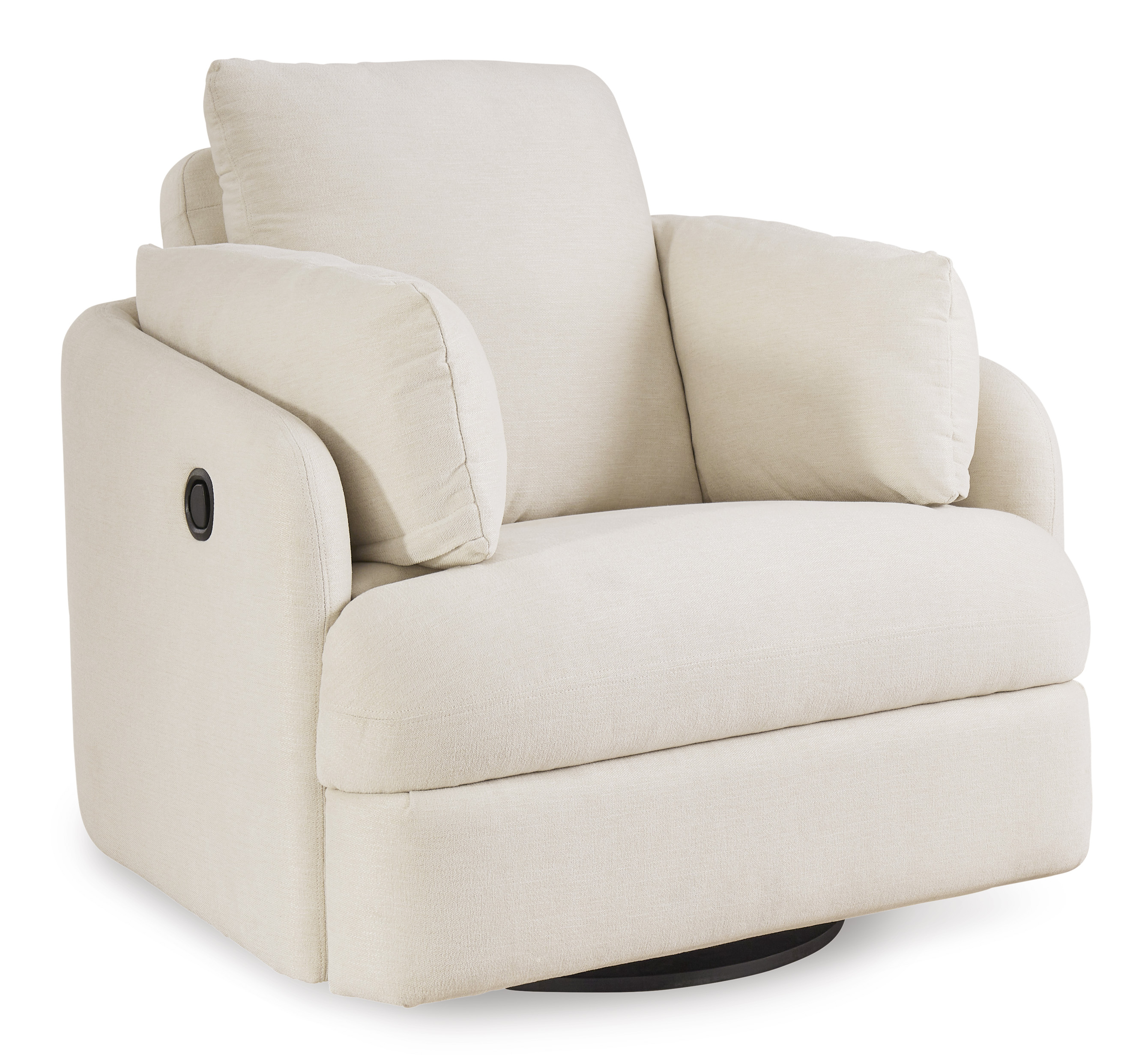
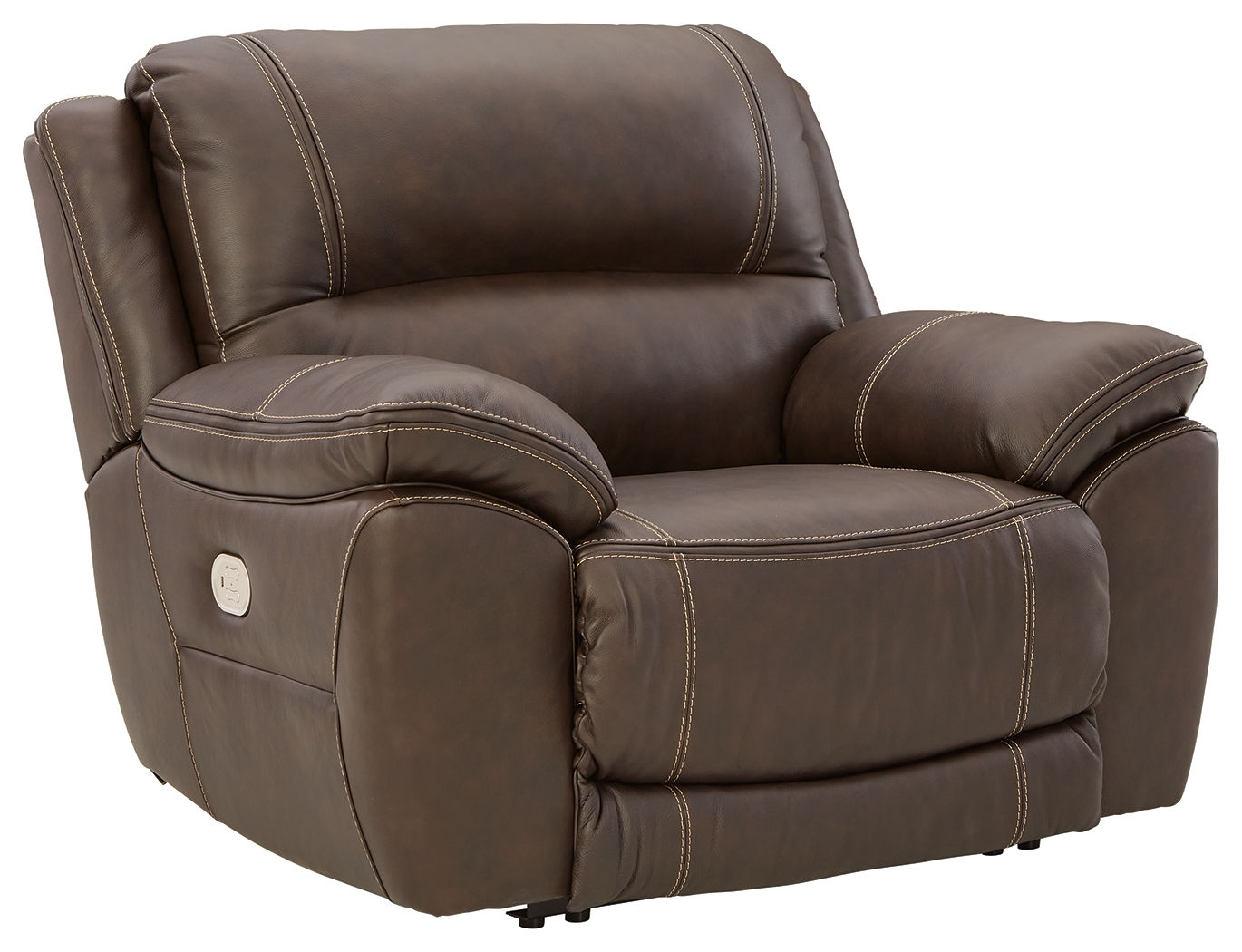
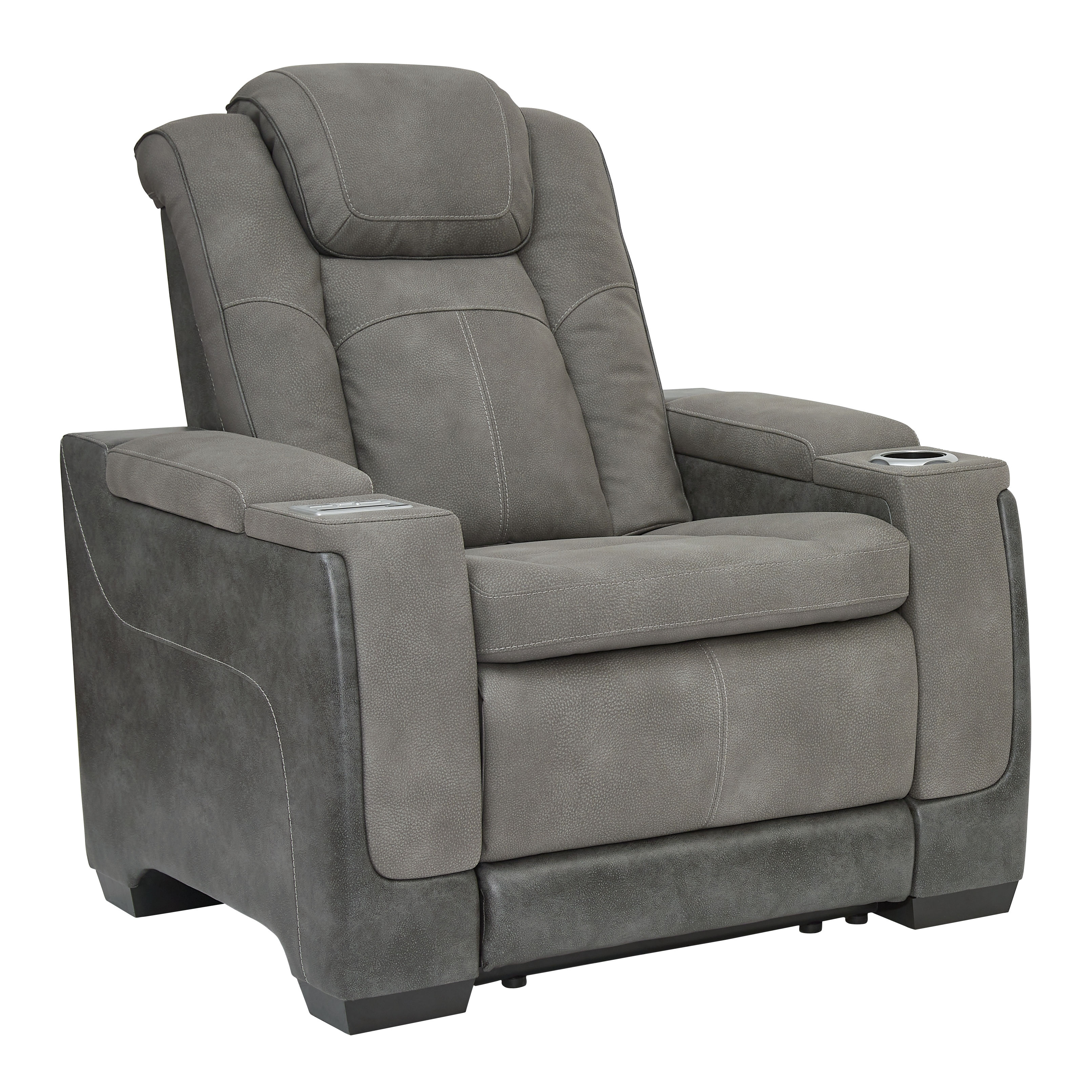
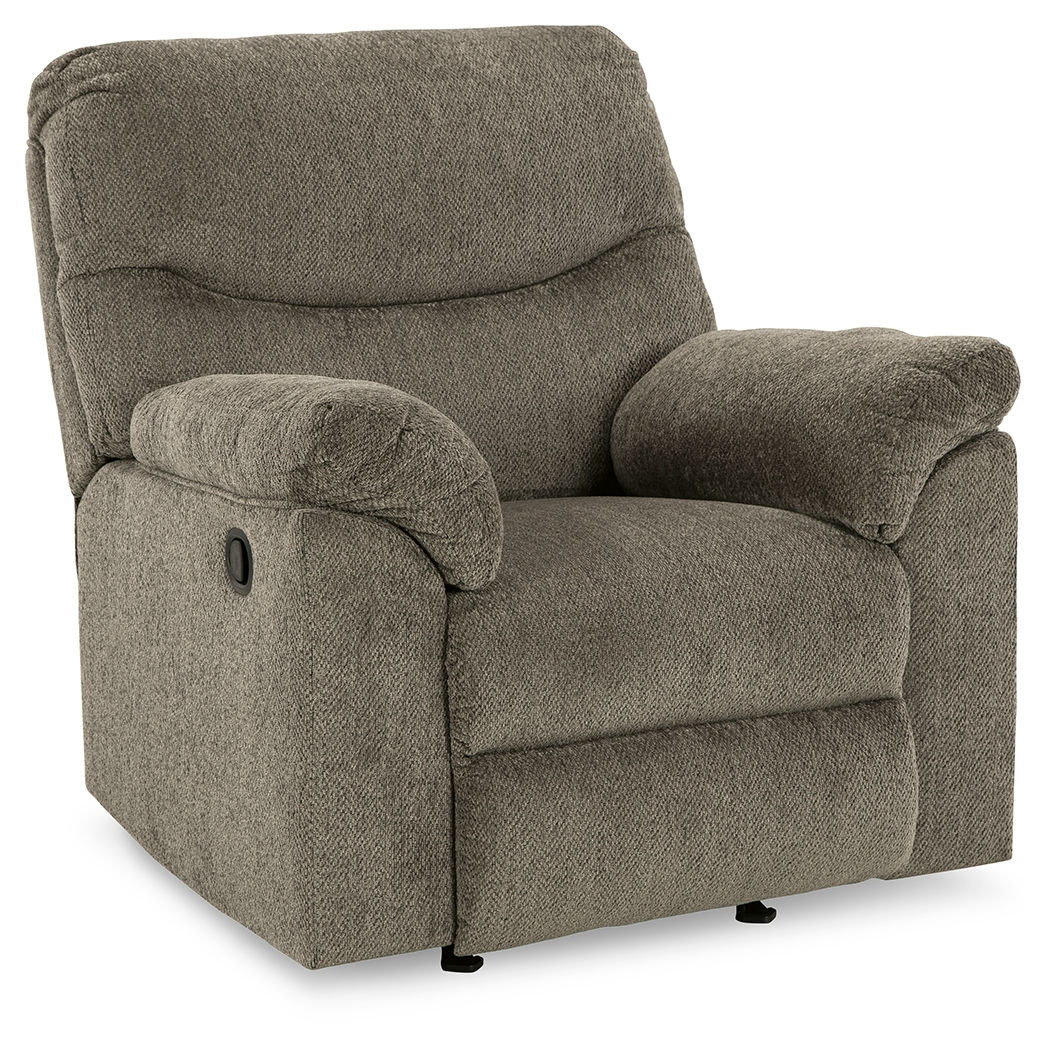
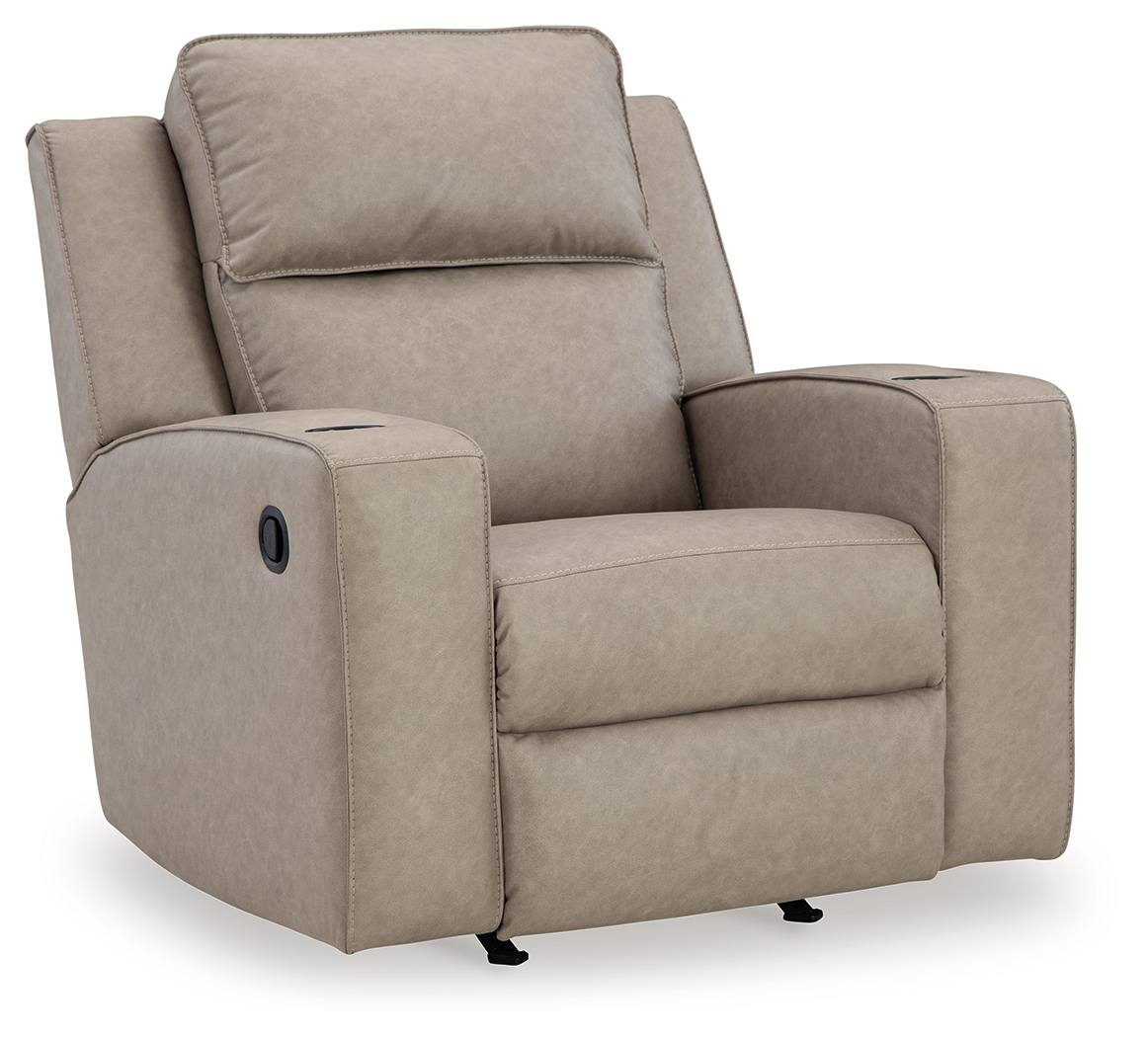
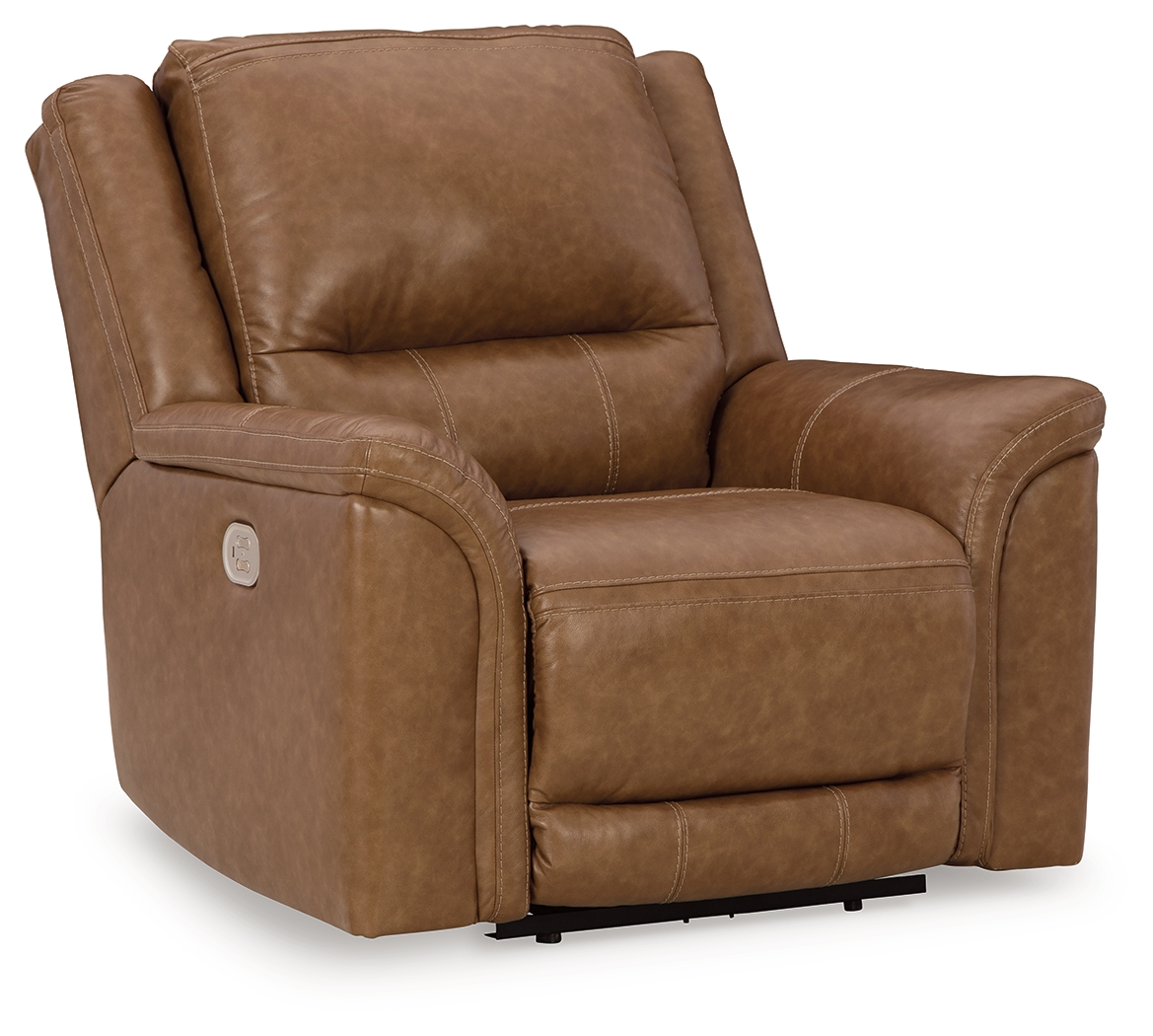
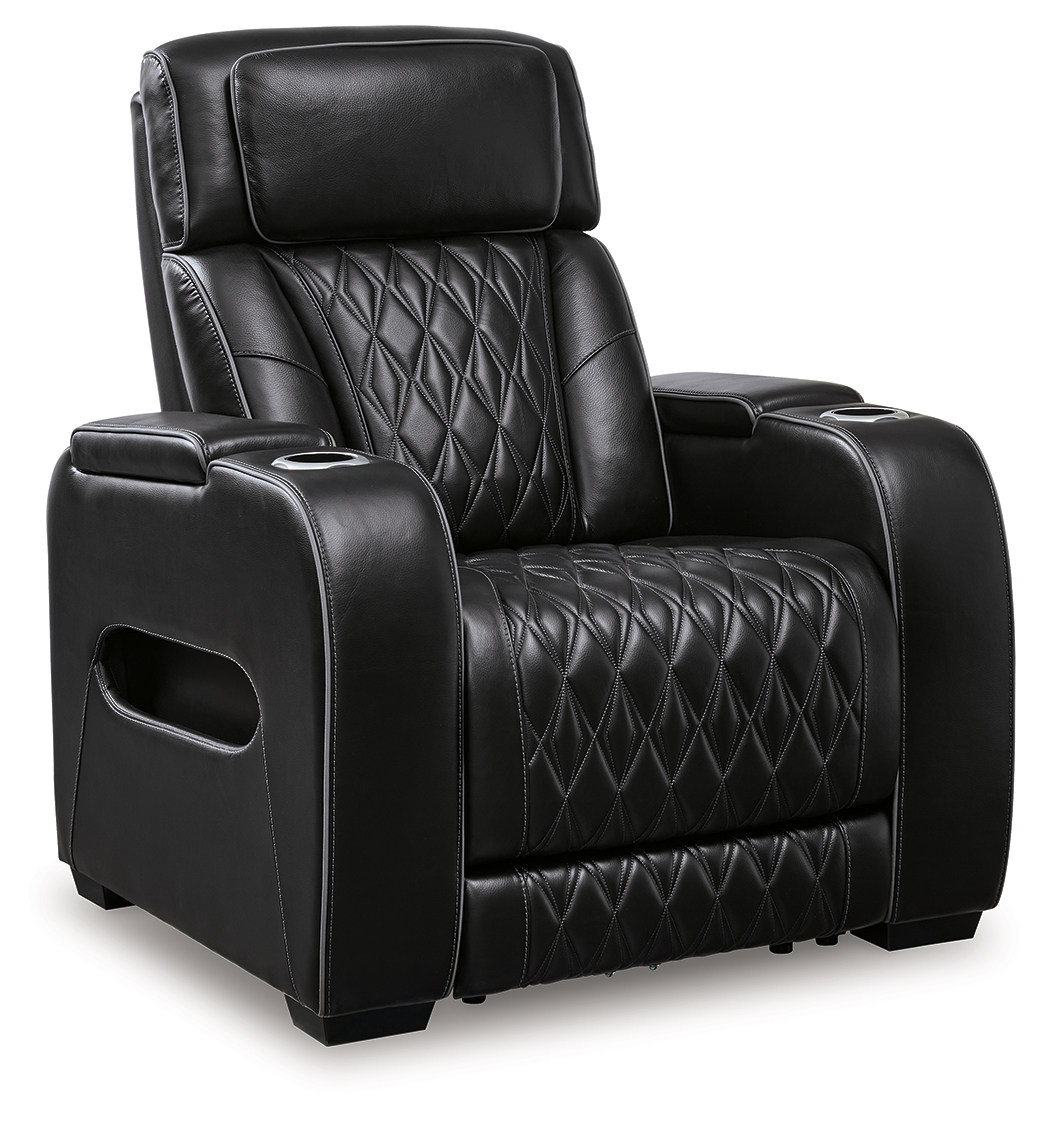
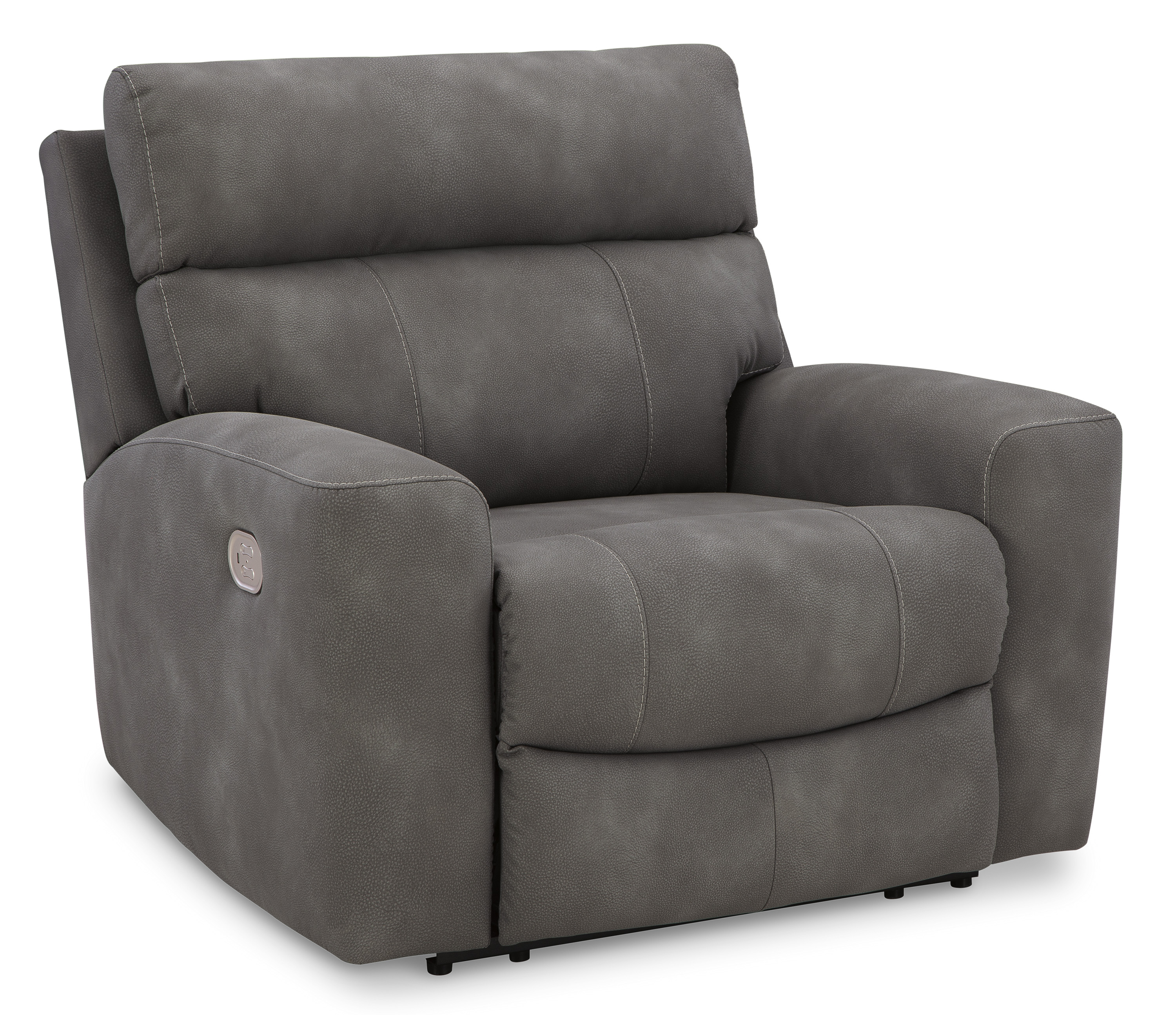
Reclining chairs fall into five main types: traditional rocker-recliner (hand lever), push-back (body-weight activation), power recliner (electric motor), lift chair (motorized tilt-up for standing), and massage/heat recliner. Traditional models need 18–20 inches of wall clearance; wall-hugger models need 4–6 inches. Standard sizing fits users up to 6'1" and 250 lbs; big-and-tall models accommodate up to 6'5" and 350+ lbs.
How does each type of reclining chair mechanism work?
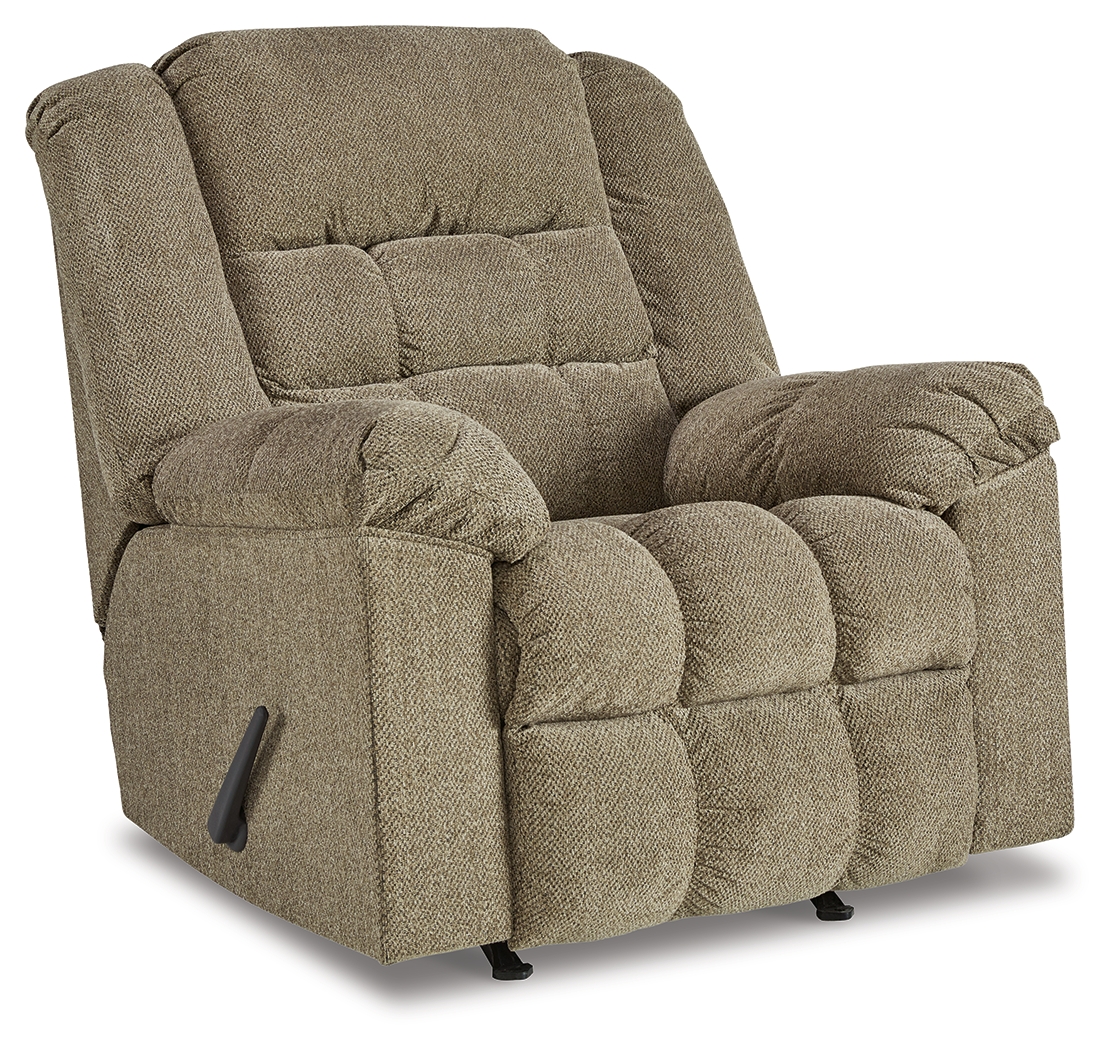
A traditional rocker-recliner uses a pull-tab or hand lever mounted on the right side of the chair. Pulling the lever releases a spring-loaded footrest that extends in front of the user; pushing the back of the chair backward drops the back to a reclined angle. Releasing the lever returns the footrest; pushing forward from the reclined position closes the chair. Many traditional recliners also rock independently of the recline function. A push-back recliner has no visible lever. The footrest deploys automatically as the sitter leans back with body weight, and the footrest retracts as the sitter shifts forward. A power recliner uses an electric motor controlled by buttons on the arm or a handheld wand. Separate buttons independently control the footrest position and back angle, allowing infinite positioning — including positions between fully upright and fully reclined that hand-lever models cannot achieve. A lift chair adds a second motor that slowly tilts the entire frame from seated to a near-standing angle. Most lift chairs also function as recliners in the standard sense.
What is the actual wall clearance required for different recliner types?
Traditional and rocker-recliners require 18–20 inches of clear space between the back of the chair (in the upright position) and the wall — the back swings backward as the footrest extends and the back lowers, so this clearance must be present at all times. Wall-hugger recliners use a forward-sliding mechanism: as the user reclines, the entire seat slides forward 8–10 inches, requiring only 4–6 inches of clearance from the back of the chair to the wall. Push-back recliners fall between these two: they need approximately 10–14 inches of clearance because the back does swing backward, but less than a traditional lever model. Check the specific clearance requirement in the product specification — "wall-hugger" and "wall-saver" labels should be confirmed with the stated clearance number.
What are lift chair recliners and who benefits from them?
A lift chair is a motorized recliner that tilts the entire seat and frame forward and upward when activated, raising the user toward a standing position with minimal physical effort. The lifting mechanism activates via a button or remote, and the speed is generally slow and controlled. Lift chairs are most commonly purchased for elderly users, individuals recovering from hip or knee surgery, people with arthritis in the hips or knees, or anyone with weakened leg muscles that make standing from a low seat difficult. They require a standard electrical outlet and are available in two-position models (upright and partially reclined), three-position (upright, reclined, and flat), and infinite-position (any angle). Infinite-position models are the most comfortable for extended resting but are more expensive. A lift chair does not replace a hospital bed but can significantly improve daily independence and safety for individuals with mobility limitations.
What heating and massage options are available in reclining chairs?
Heating elements in power and massage recliners are typically low-wattage pads embedded in the lumbar area and sometimes the seat. They operate at two to three heat levels and most include an automatic shut-off after 30–60 minutes. Massage systems range from basic vibration motors (single zone, producing a gentle buzz) to air compression chambers that inflate and deflate in sequence to simulate kneading, and rolling node systems with independent controls for different zones (lumbar, seat, upper back). More zones and more distinct massage actions correspond to higher cost. Massage recliners with USB charging ports built into the arm console are common at mid-range and above price points. These features are only available on power recliners since they require electrical connection.
How do I choose the right recliner size for my height and weight?
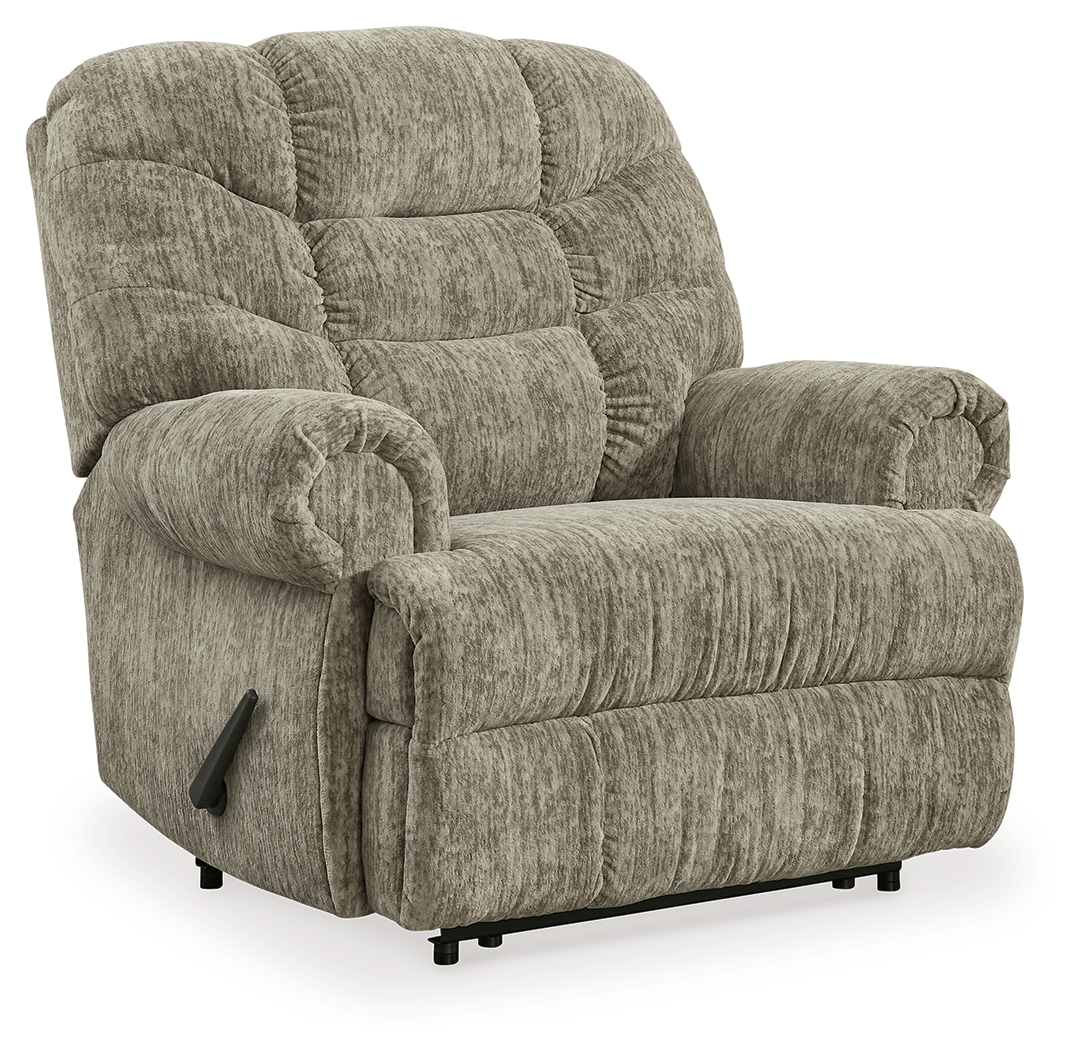
Standard recliner sizing fits users up to approximately 6 feet 1 inch tall and 250 pounds. The key measurements to match are seat height (18–20 inches from floor to seat surface, which allows average-height adults to sit with feet flat on the floor), seat depth (19–21 inches from front edge to back cushion, which matches average thigh length), and seat width (20–22 inches between arms). For users over 6'1", check the footrest length — extended footrests on tall models reach 47–50 inches from the floor rather than the standard 42–45 inches, which supports longer legs. For users over 250 pounds, look for big-and-tall models with weight ratings of 350 lbs or 500 lbs, wider seats (22–24 inches), and reinforced frames. Manufacturer weight ratings are structural limits — staying within them extends frame and mechanism life.