
 1-877-718-CLASSY (2527)
King Mattresses
A king mattress is the widest standard mattress available — a standard king measures 76"x80" and suits couples who want maximum sleeping space, while a California king at 72"x84" is longer but narrower, better suited for tall sleepers.
Standard king vs California king: which should I choose?
A standard king (76"x80") is 16 inches wider than a queen and gives each person in a couple approximately the same space as a twin mattress on their own side. It is the better choice for couples, especially households where children or pets share the bed. A California king (72"x84") trades 4 inches of width for 4 inches of extra length — it is the right choice for single sleepers taller than 6'2" who find their feet hanging off a standard mattress, or for bedrooms that are long and narrow and can't comfortably accommodate the full 76-inch width of a standard king. One practical consideration: standard king sheets, duvets, and bed skirts are widely available at most retailers; California king bedding is a specialty size and tends to be more limited in selection and higher in price.
What type of king mattress is right for my sleep style?
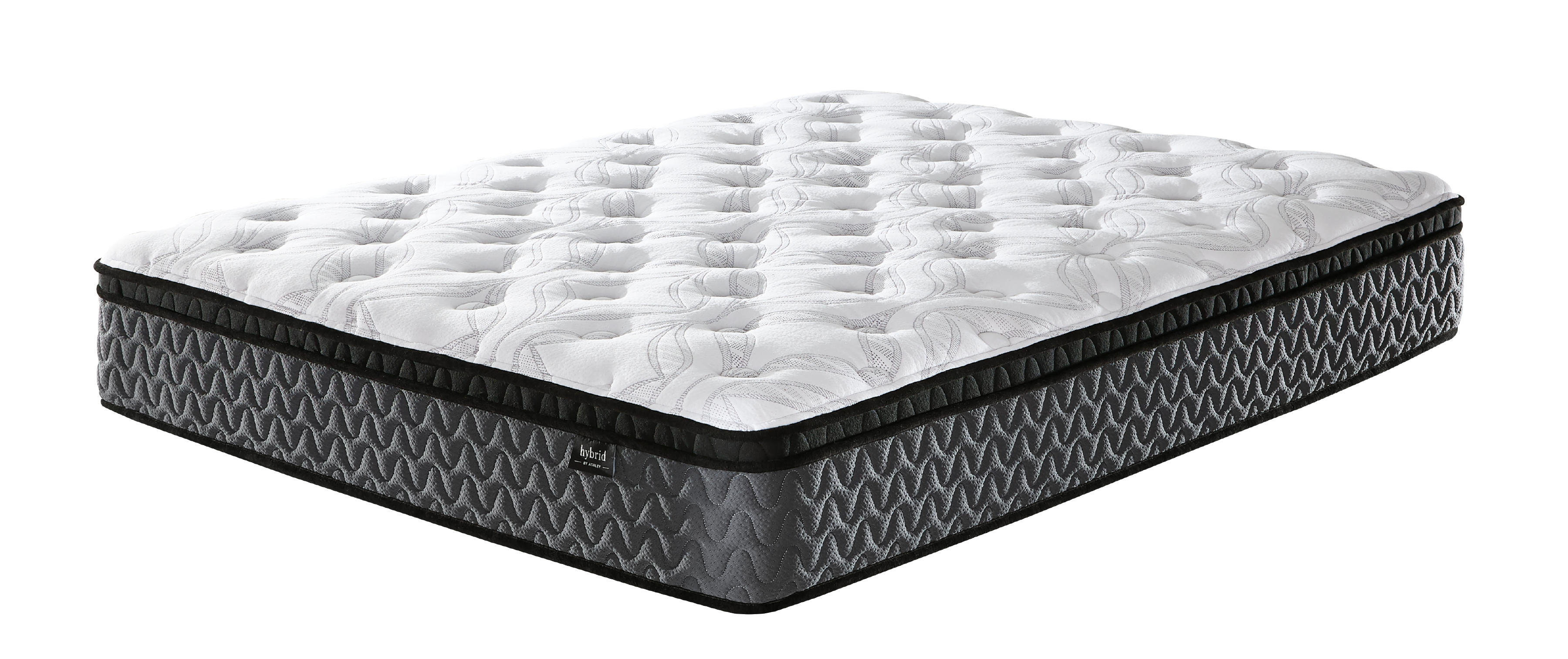
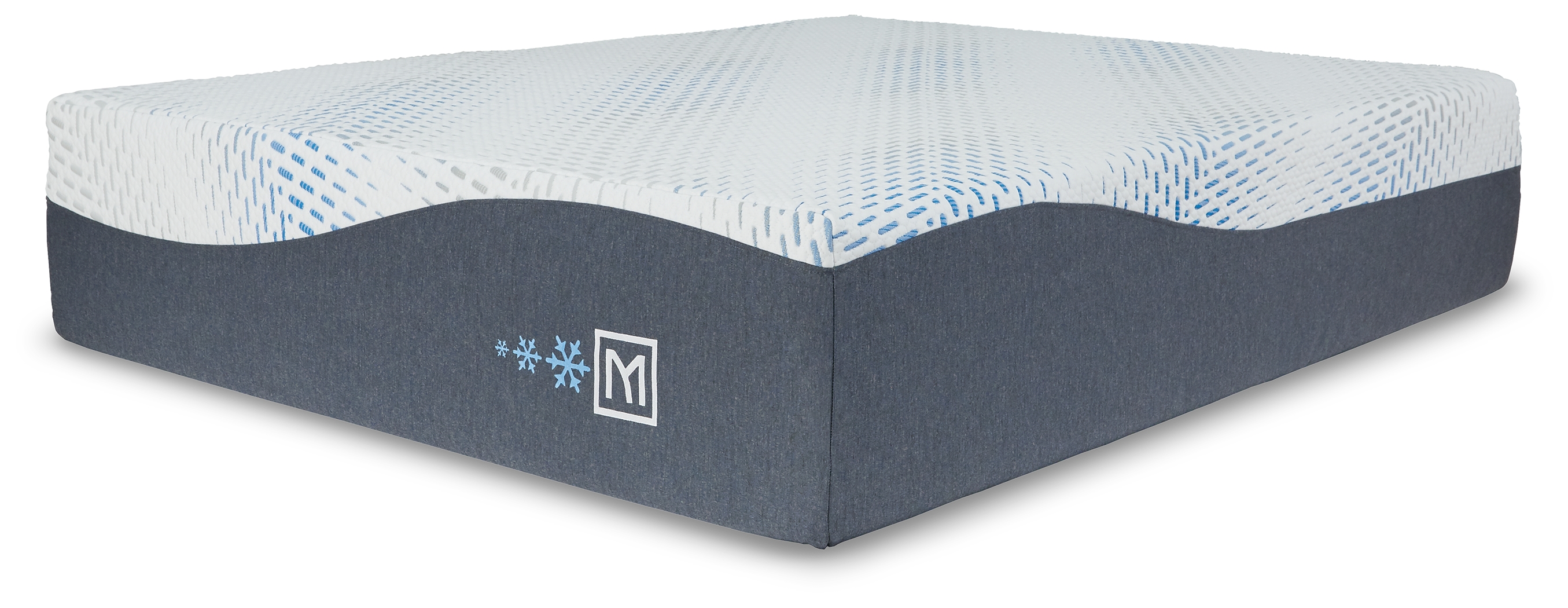
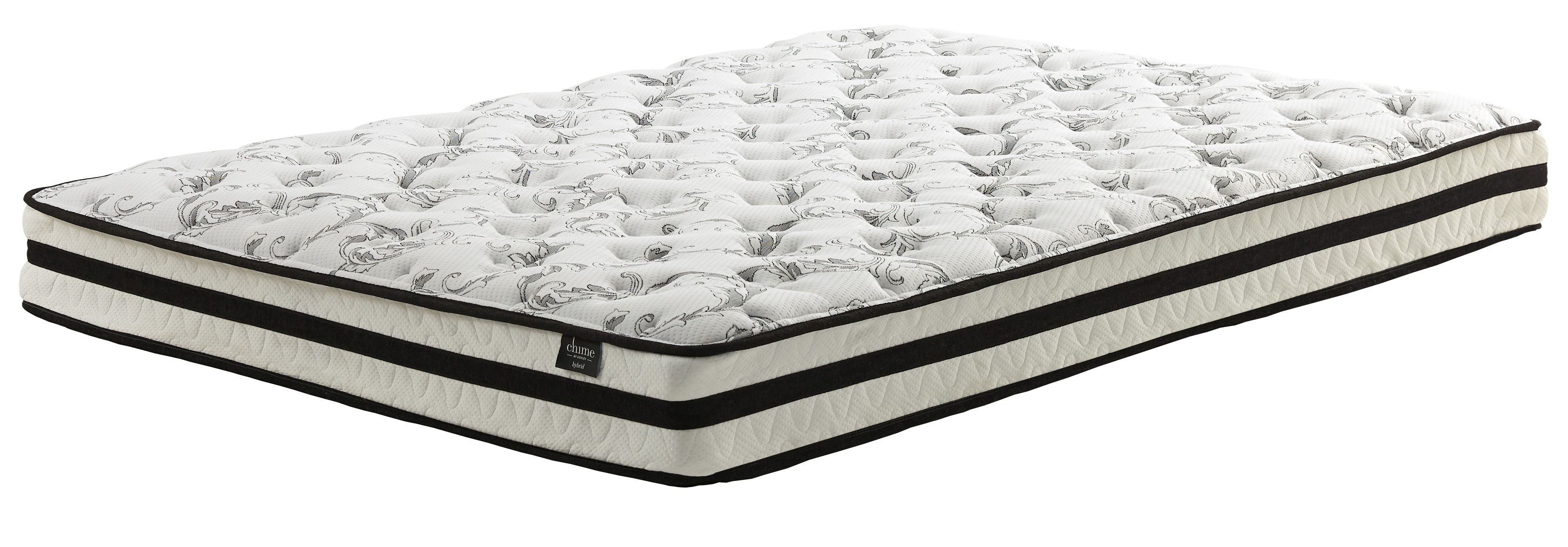
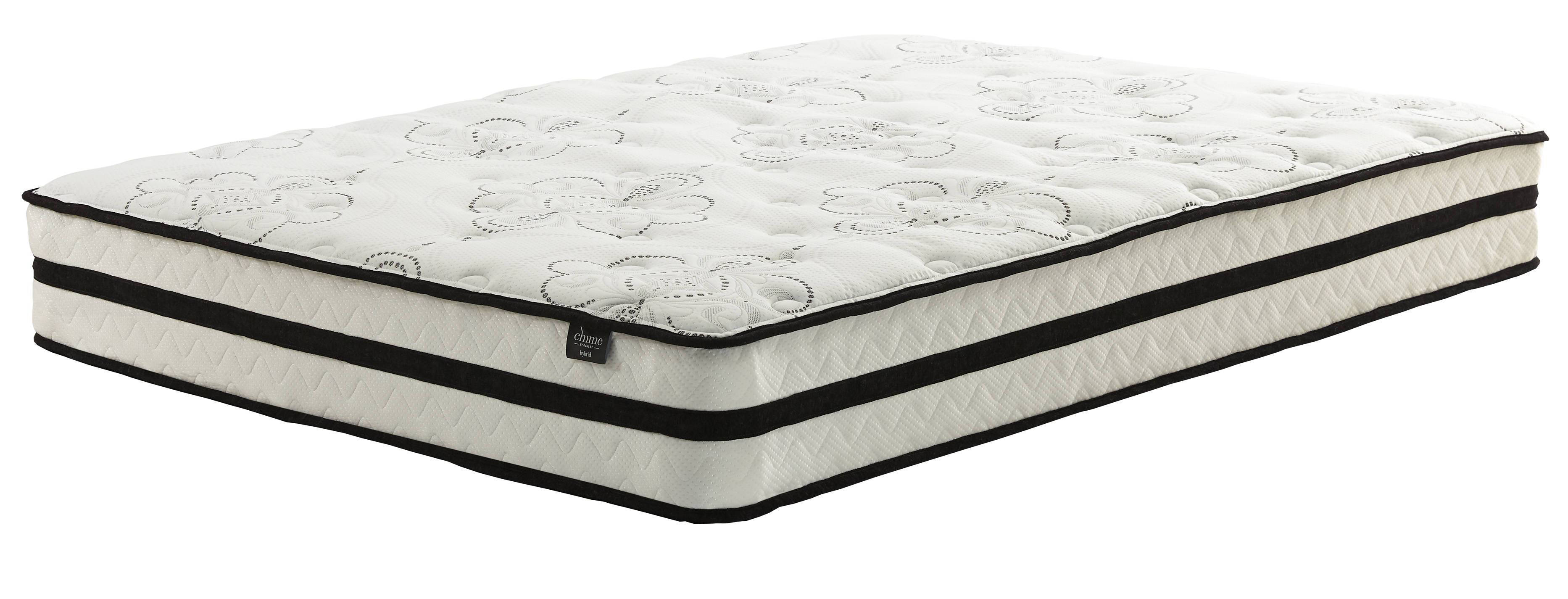
Hybrid mattresses — foam or latex comfort layers over a pocketed coil base — are the top-selling king mattress type because they address the most common complaints about both pure foam (heat retention, lack of edge support) and pure innerspring (poor motion isolation, pressure points). Memory foam kings excel at motion isolation, making them ideal for couples where one partner is a light sleeper easily disturbed by movement. They also contour well to side sleepers' pressure points. Innerspring kings sleep cooler due to airflow through the coil system, provide stronger edge support, and have a responsive bounce that some sleepers prefer. Latex kings (natural Dunlop or Talalay) are durable, naturally resistant to dust mites and mold, and sleep cooler than memory foam — but they are heavier and carry a higher price. For firmness: side sleepers need medium-soft (3–5), back sleepers need medium-firm (5–7), and stomach sleepers need firm (7–9); heavier sleepers should generally go one firmness level higher than the guideline for their position.
What do I need to know about king bed frames and bases?
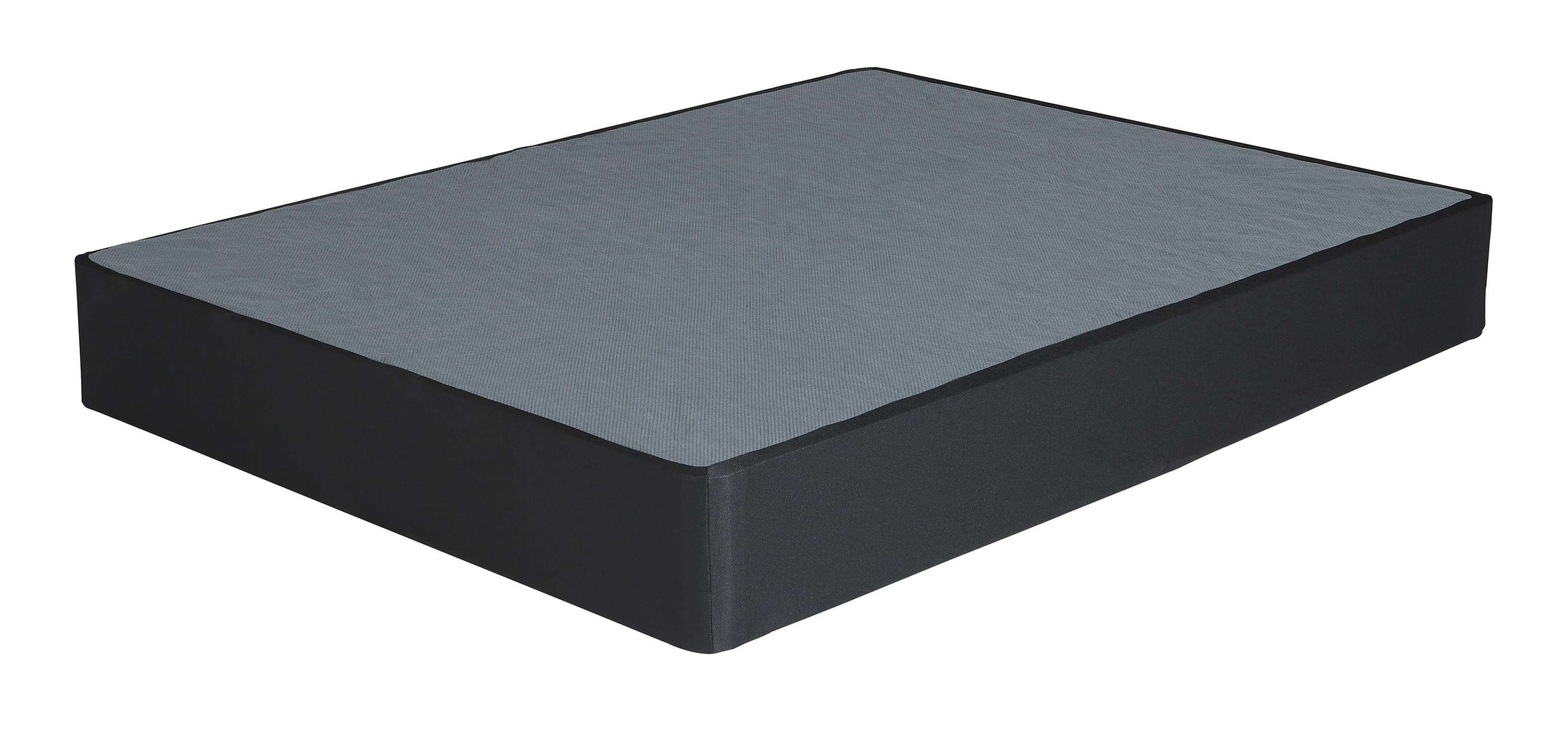
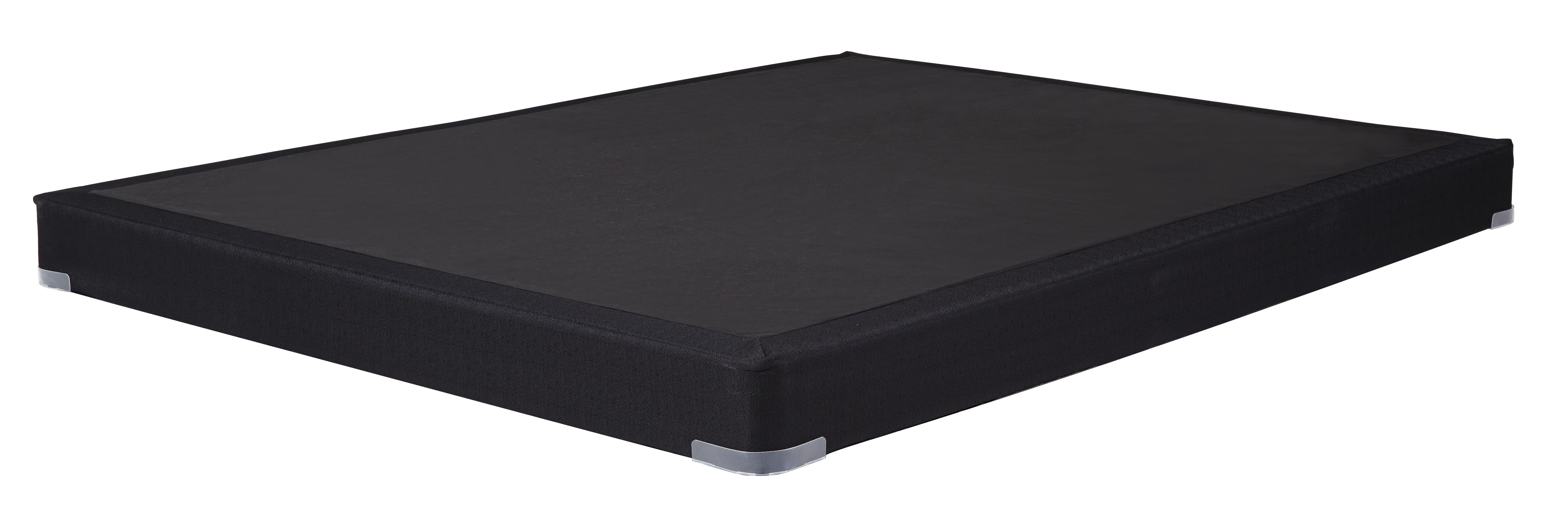
A standard king frame must have an interior sleep surface of at least 76"x80". The most important structural feature is a center support rail with at least one center leg — without it, the middle of a king mattress will sag over time because the span is too wide for side rails alone to support. Platform frames have a slatted or solid deck and eliminate the need for a box spring; slats should be spaced no more than 3 inches apart to provide adequate support for foam mattresses. Traditional metal or wood frames without a solid deck require a box spring or foundation. When ordering, confirm doorway and hallway clearance — king frames are large and often require at least a 32-inch doorway to maneuver into a bedroom. Mattresses ordered online typically arrive rolled and compressed in a box and can navigate tighter spaces, but the frame and headboard may not.
King Mattress Buying Tips
- Two-person couples should test firmness together — body weight and sleep position differ between partners, and what feels right to one may not suit the other.
- Confirm the mattress comes with a sleep trial of at least 100 nights; 100 nights is the current industry standard for reputable brands, and many offer up to 365 nights.
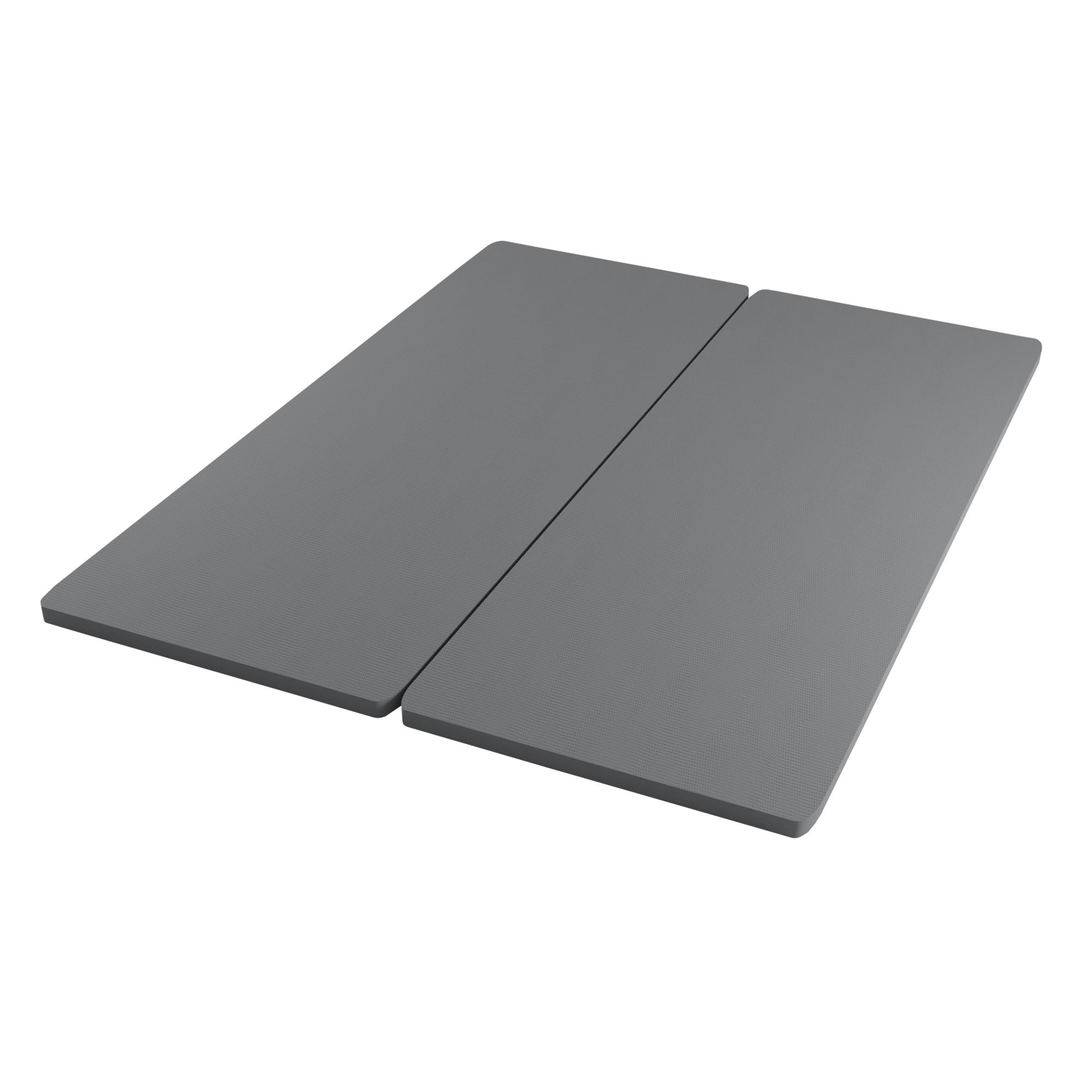
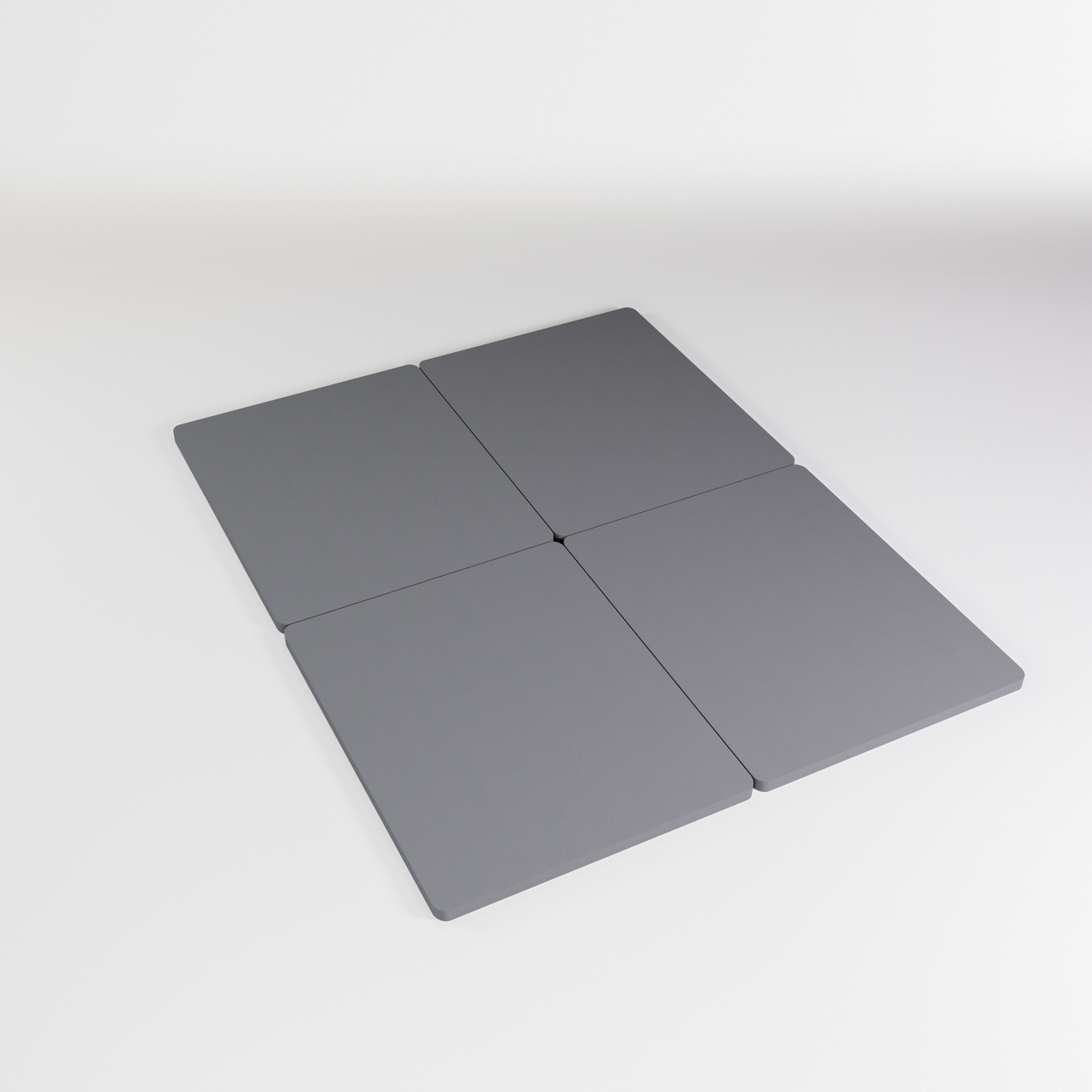
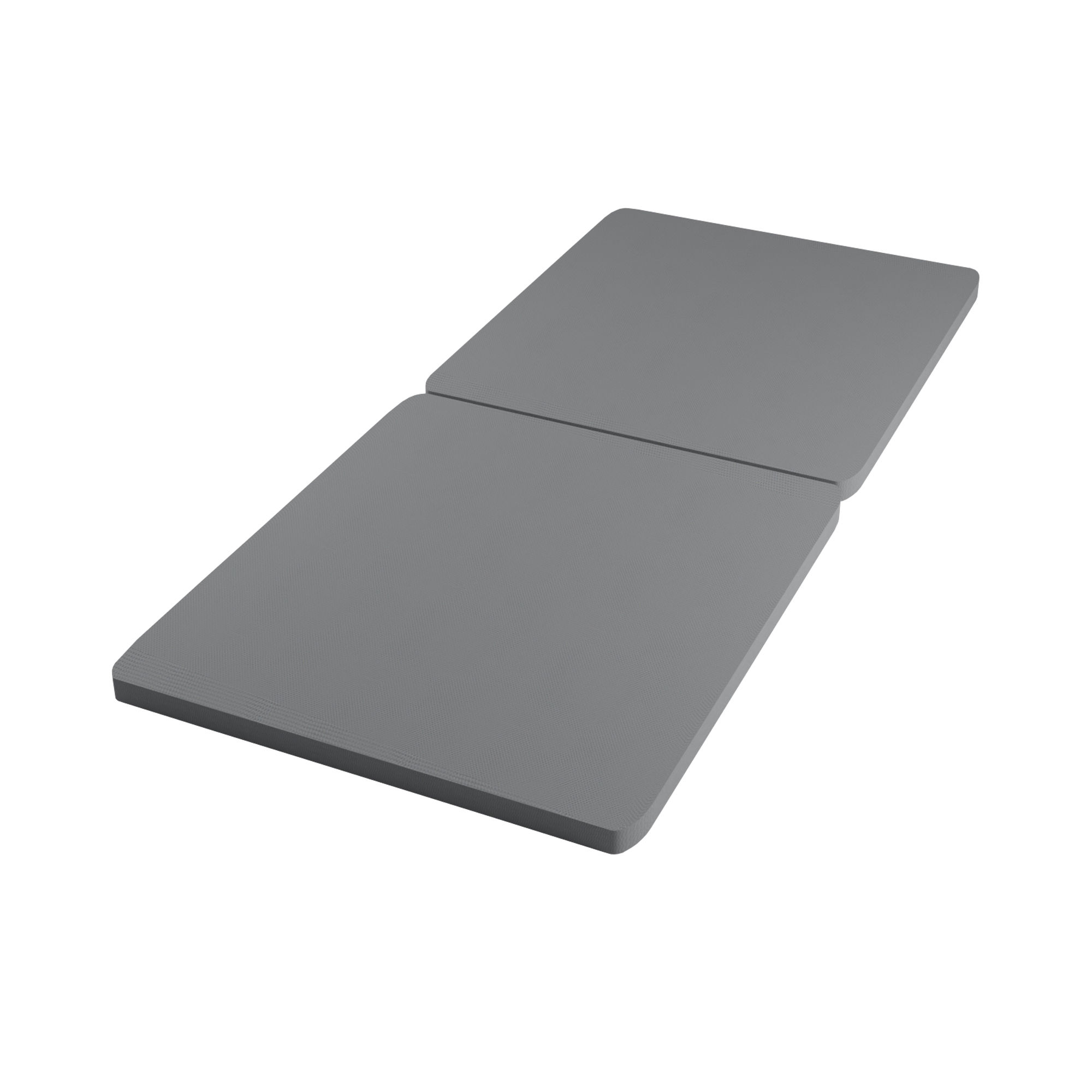
- Foundation and box spring are often sold separately — factor the complete sleep system cost (mattress + foundation + frame) into your budget.
- Rotate the mattress 180 degrees every 6 months to distribute body impression wear evenly across the sleeping surface.
- Use a waterproof mattress protector from the first night — most king mattress warranties exclude stains, and a quality protector costs a small fraction of the warranty replacement value.