
 1-877-718-CLASSY (2527)
Foam Mattress Guide
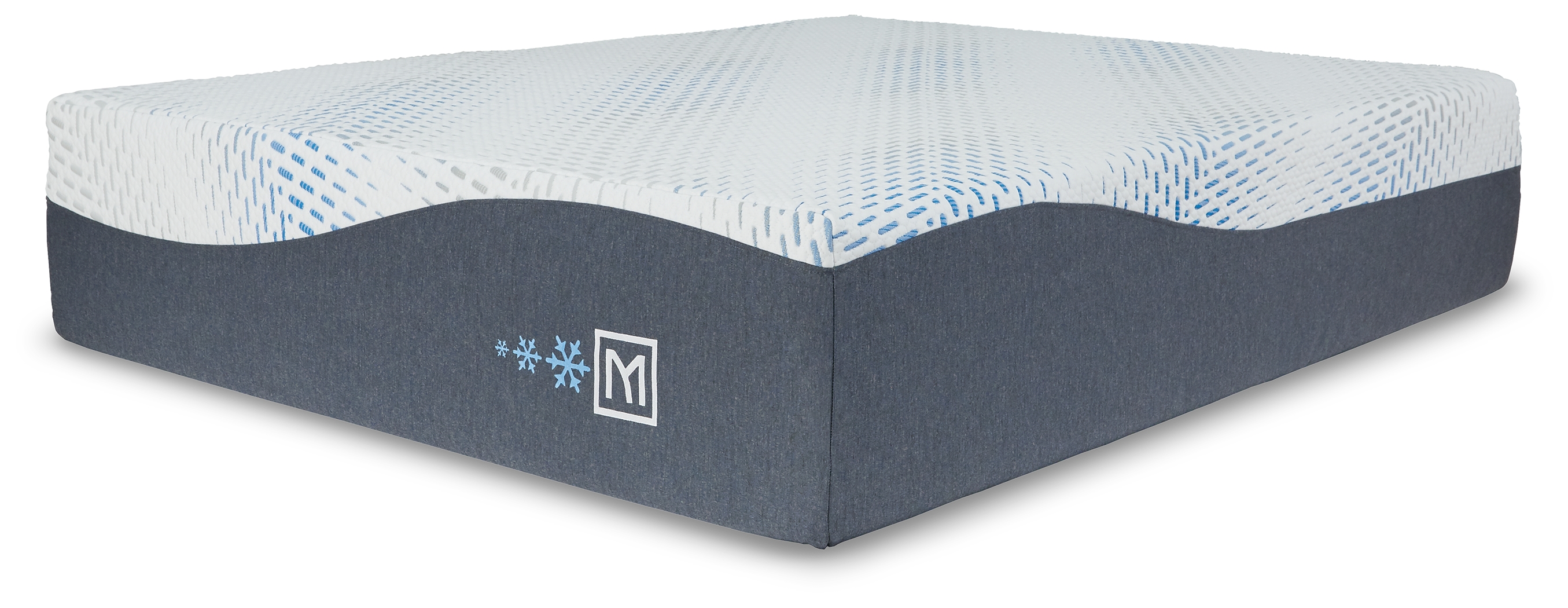
Foam mattresses use layers of memory foam, polyfoam, or latex instead of coil springs. They contour closely to the body, isolate motion between sleep partners, and are available in soft to firm feels across a wide price range.
What types of foam are used in mattresses?
Three main foam types appear in mattresses. Polyfoam (polyurethane foam) is the most common and least expensive, used as a base support layer and in lower-priced mattresses. It comes in standard, high-density, and high-resilience grades. Memory foam (viscoelastic foam) is slower to respond to pressure and contours closely to body shape — it is typically used in the comfort layer. Latex foam, derived from rubber tree sap (natural) or synthesized (synthetic), is the most durable and breathable of the three and also the most expensive. A quality all-foam mattress typically uses at least 2 inches of memory foam or latex in the comfort layer over a denser polyfoam support base.
How does foam density affect quality?
Foam density is measured in pounds per cubic foot (lb/cu ft) and directly correlates with durability and feel. For memory foam, 3 lb/cu ft is entry-level, 4 lb/cu ft is mid-grade, and 5 lb/cu ft and above is high-quality. Low-density foam (under 3 lb/cu ft) will develop body impressions faster and typically lasts only 4 to 6 years. High-density foam (4-5 lb/cu ft) resists sagging and can last 10 or more years. Unfortunately, manufacturers often do not list density on retail product pages, making it worth contacting them directly for the specification on any foam mattress you are considering.
What are the benefits and drawbacks of foam mattresses?
Foam mattresses excel at pressure point relief, which makes them particularly well-suited for side sleepers who experience hip and shoulder pain on firmer surfaces. Their motion isolation is significantly better than innerspring — when one person gets up at night, the other feels little to no movement. Foam mattresses are also quiet (no spring noise), work on any flat surface without requiring a box spring, and are easier to move because they can be compressed for shipping. The main drawbacks are heat retention in traditional memory foam, a slower response time that makes it harder to change sleep positions quickly, and off-gassing of a chemical odor when new (which dissipates within a few days in most cases).
What does a quality foam mattress cost?
Entry-level polyfoam mattresses start around $200 to $300 for a queen. Mid-range memory foam mattresses with adequate density (4 lb/cu ft comfort layer) typically run $500 to $900 for a queen. High-quality all-latex mattresses range from $1,000 to $2,000 or more. Online direct-to-consumer brands have significantly lowered prices compared to traditional retail — comparable quality that cost $1,200 in a showroom often retails for $700 to $900 online with the same or better foam specifications.