
 1-877-718-CLASSY (2527)
Choosing the Right Bedroom Mattress
Selecting a bedroom mattress involves matching size to room dimensions, firmness to sleep position, and construction type to sleep partner needs. A queen requires at least a 10x10 foot room; a king requires at least 12x12 feet.
How do you match mattress size to bedroom size?
Room dimensions determine the practical upper limit of mattress size. The goal is maintaining at least 24 inches of clearance on one side of the bed and 18 to 24 inches at the foot for comfortable movement. A twin mattress (38x75 inches) with its frame works in a 7x10 foot room. A full (54x75 inches) fits comfortably in a 9x10 foot room. A queen (60x80 inches) requires at least 10x10 feet, though a 10x12 foot room is more comfortable. A king (76x80 inches) needs a minimum of 12x12 feet, and a 13x13 foot room allows proper clearance on both sides. California king (72x84 inches) requires similar square footage to a king but is longer and narrower — better for taller sleepers in rooms that are more rectangular than square.
How does sleep position affect firmness choice?
Sleep position is the most reliable guide to firmness. Side sleepers should look for a soft to medium feel (3-5 out of 10) that allows the shoulder and hip to sink enough to keep the spine horizontal. Back sleepers generally need medium to medium-firm (5-7) for lumbar support without excessive sinkage. Stomach sleepers need firm (7-9) to prevent the hips from dropping below the spine. If you change positions frequently during the night, a medium (5-6) is the most versatile choice. Body weight also modifies these recommendations — heavier sleepers (over 230 lbs) need to go one firmness level firmer than their position suggests, since they compress mattresses more.
What mattress construction works best for couples?
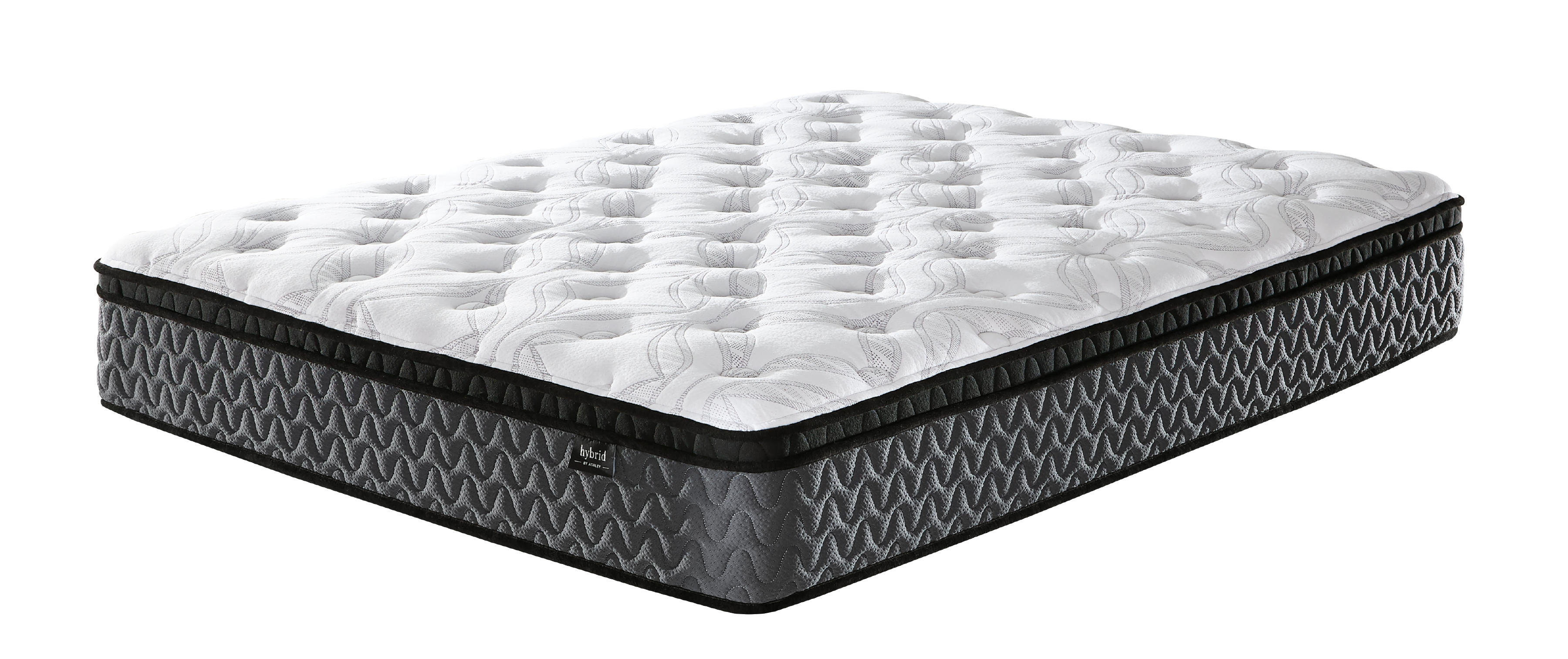
For two people sharing a bed, motion isolation is a priority — one partner getting up at night should not wake the other. Foam and hybrid mattresses significantly outperform traditional innerspring in this area. Pocketed coil hybrid mattresses offer a balance: better airflow and responsiveness than all-foam, with far better motion isolation than open or Bonnell coil innerspring. If the two sleepers have substantially different firmness preferences, a split king (two twin XL mattresses side by side in a king frame, sometimes on dual adjustable bases) is the most effective solution — each person sleeps on their preferred feel with no compromise.
How should you budget across all bedroom furniture?
A mattress is used approximately 8 hours a day, every day — more than any other single piece of furniture. Allocating a larger portion of a bedroom furniture budget to the mattress than to the bed frame, dresser, or nightstands reflects that usage reality. A practical allocation for a full bedroom setup might be 40 to 50% of the total budget on the mattress and base, with the remainder on the bed frame and other pieces. A $1,500 total bedroom budget should produce better sleep outcomes with a $700 mattress and an $800 frame/dresser combination than with a $300 mattress and a $1,200 frame.