
 1-877-718-CLASSY (2527)
Kids Beds
Choosing the right bed for a child means matching the bed size to the child's current age and the room's dimensions, selecting a frame type that is safe for the child's age, and planning for how long the bed will remain appropriately sized as the child grows.
What bed size should I choose for my child?
A twin mattress (38 inches wide by 75 inches long) is the standard choice for children from approximately age 3 through the early teen years. It fits comfortably in most children's bedrooms and is sufficient in length for most children until they reach roughly 5 feet 9 inches in height — at which point a longer mattress becomes necessary. A twin XL (38x80 inches) extends the length by 5 inches without increasing the room footprint and is a reasonable middle step for taller children before moving to a full or queen. A full bed (54x75 inches) is 16 inches wider than a twin and suits children over 10 who need more sleeping space, share a room and use one large bed, or are tall and benefit from the wider surface. A full-size bed is also a practical long-term choice if the goal is to avoid replacing the bed again in the teen years.
Do kids beds need a box spring?
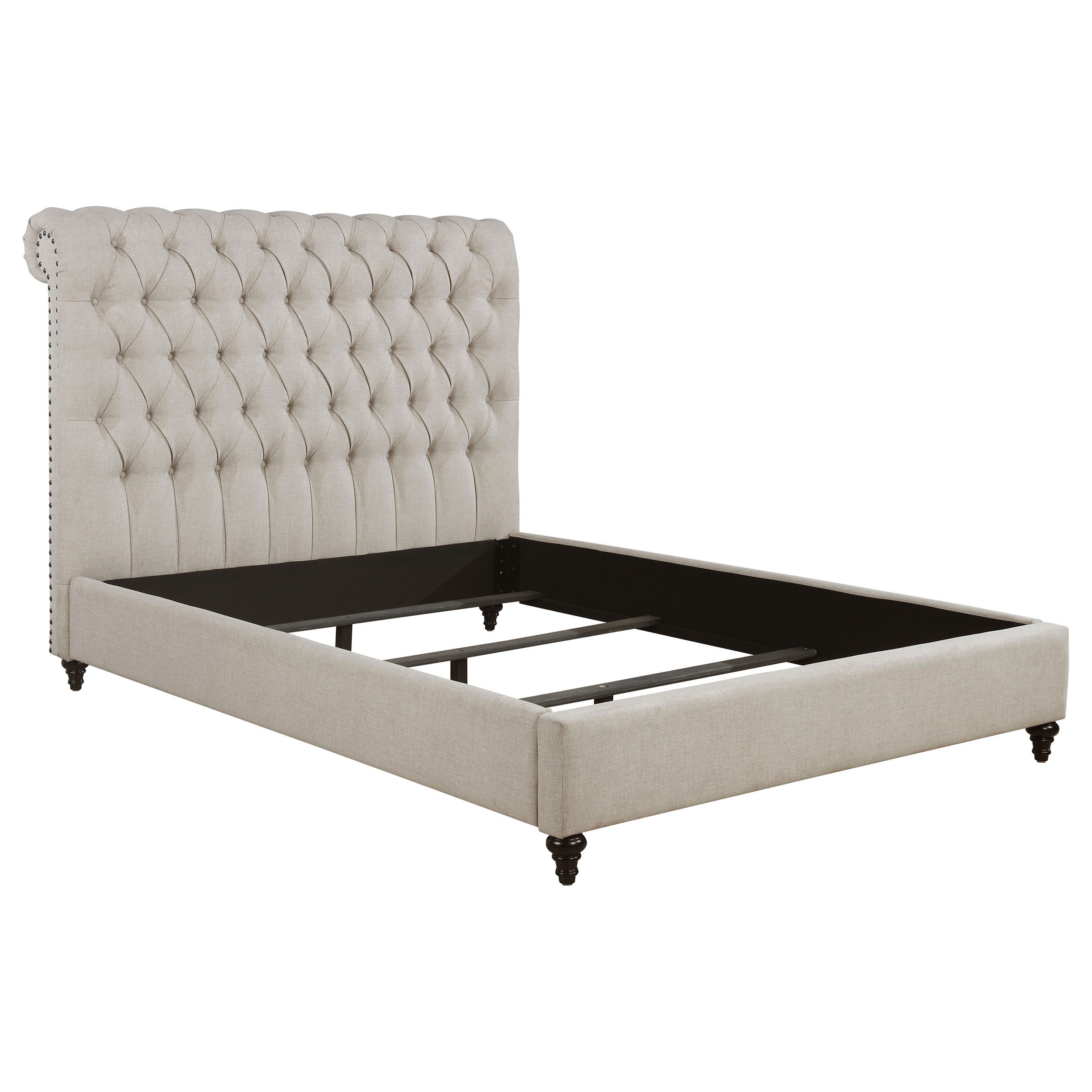
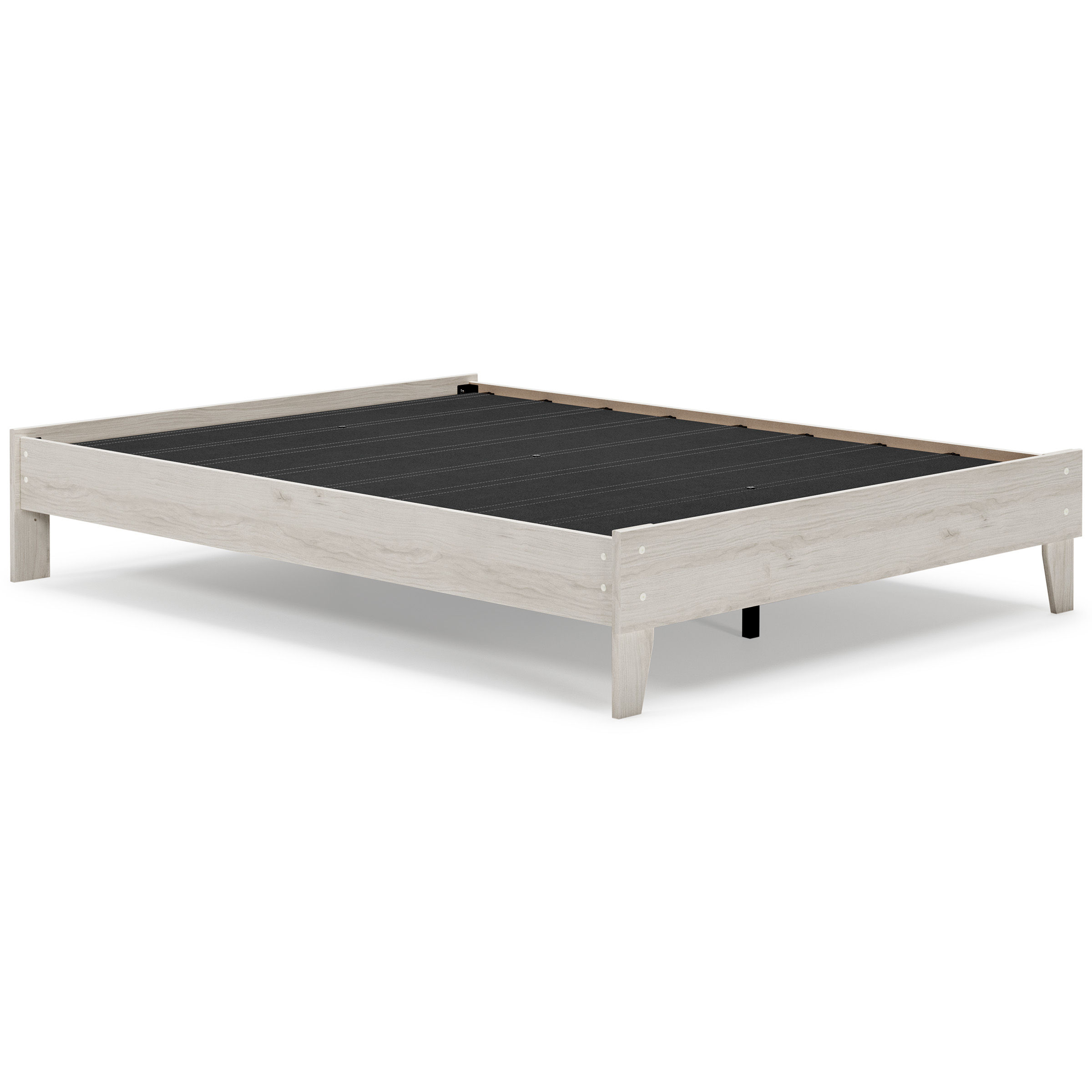
Whether a box spring is required depends entirely on the frame. Platform bed frames — the most common style in children's beds — have a built-in slatted or solid base that supports the mattress directly; no box spring or foundation is needed. Traditional metal bed frames with side rails have no built-in support surface and require a box spring, a standard foundation, or a bunkie board (a 1 to 2-inch low-profile board) to hold the mattress at the right height and distribute weight. The product listing or instruction manual for the frame will specify what support is required. Using a mattress without the proper foundation can void the mattress warranty and cause premature sagging.
How long will each bed size last as my child grows?
A twin bed typically serves a child from age 3 through age 12 to 14, or until the child consistently exceeds 5 feet 9 inches in length — whichever comes first. A full-size bed can serve a child from approximately age 10 through adulthood, making it the last bed purchase many families need to make before the child leaves home. Investing in a higher-quality full-size frame for a child over 10 often costs less in the long run than buying a twin now and replacing it in three to four years. A twin XL (38x80 inches) provides additional length without the full-size width and is a useful bridge for children aged 12 to 16 who are outgrowing the twin's 75-inch length but do not yet need a wider bed.
What frame types are available for kids beds?
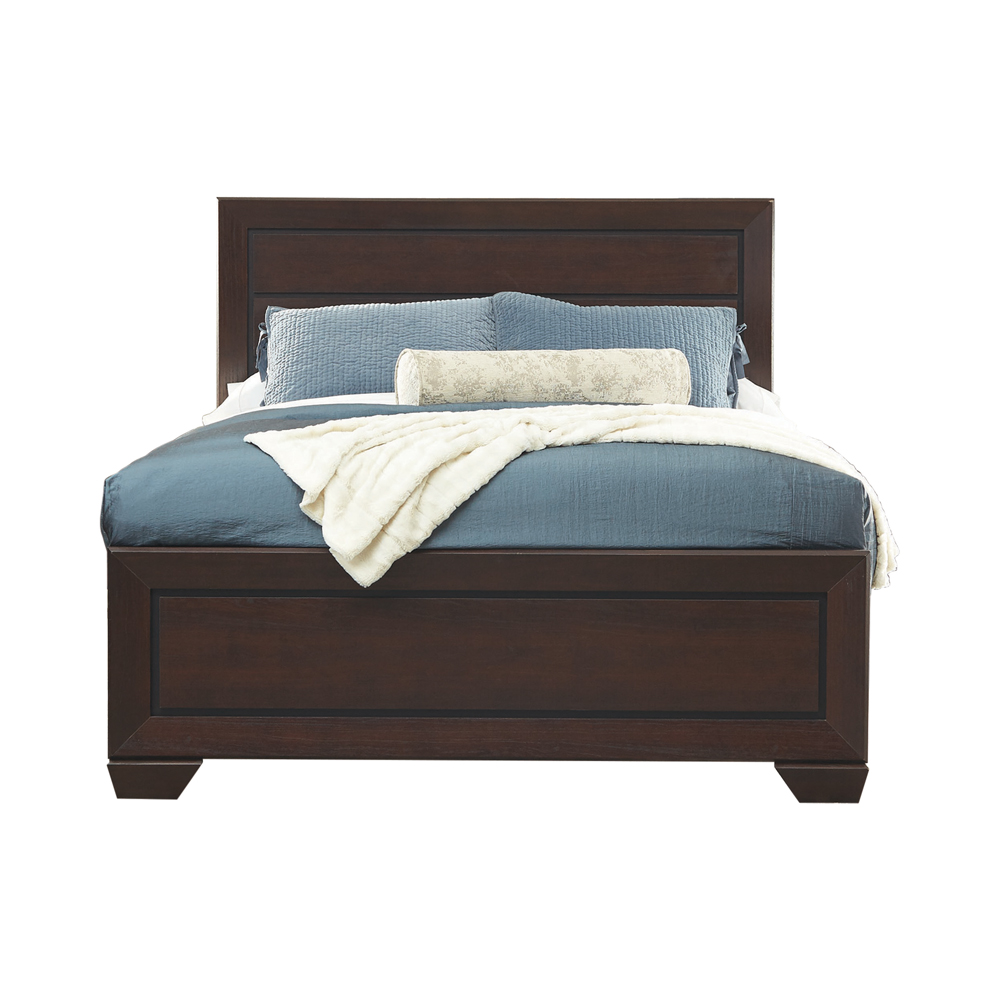
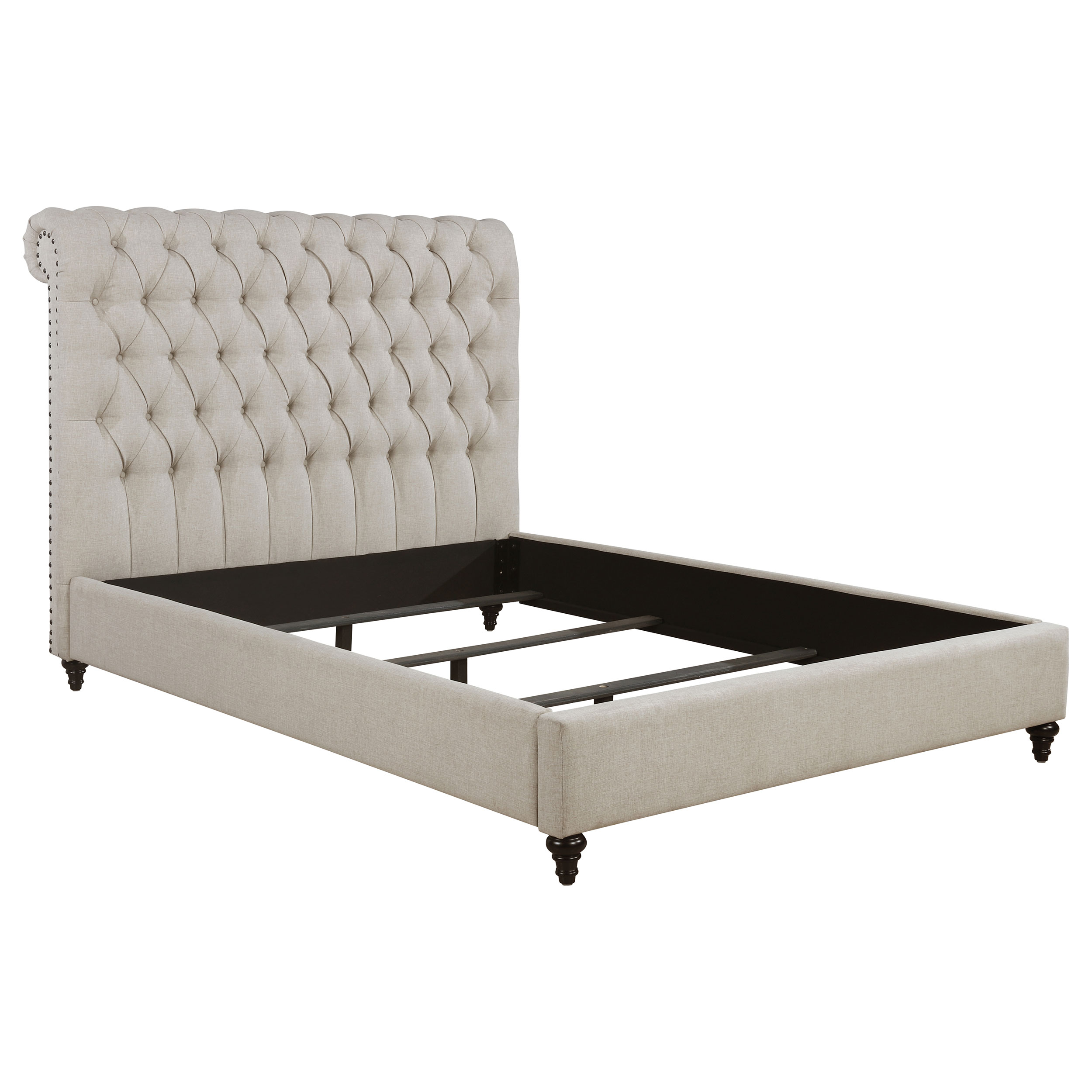
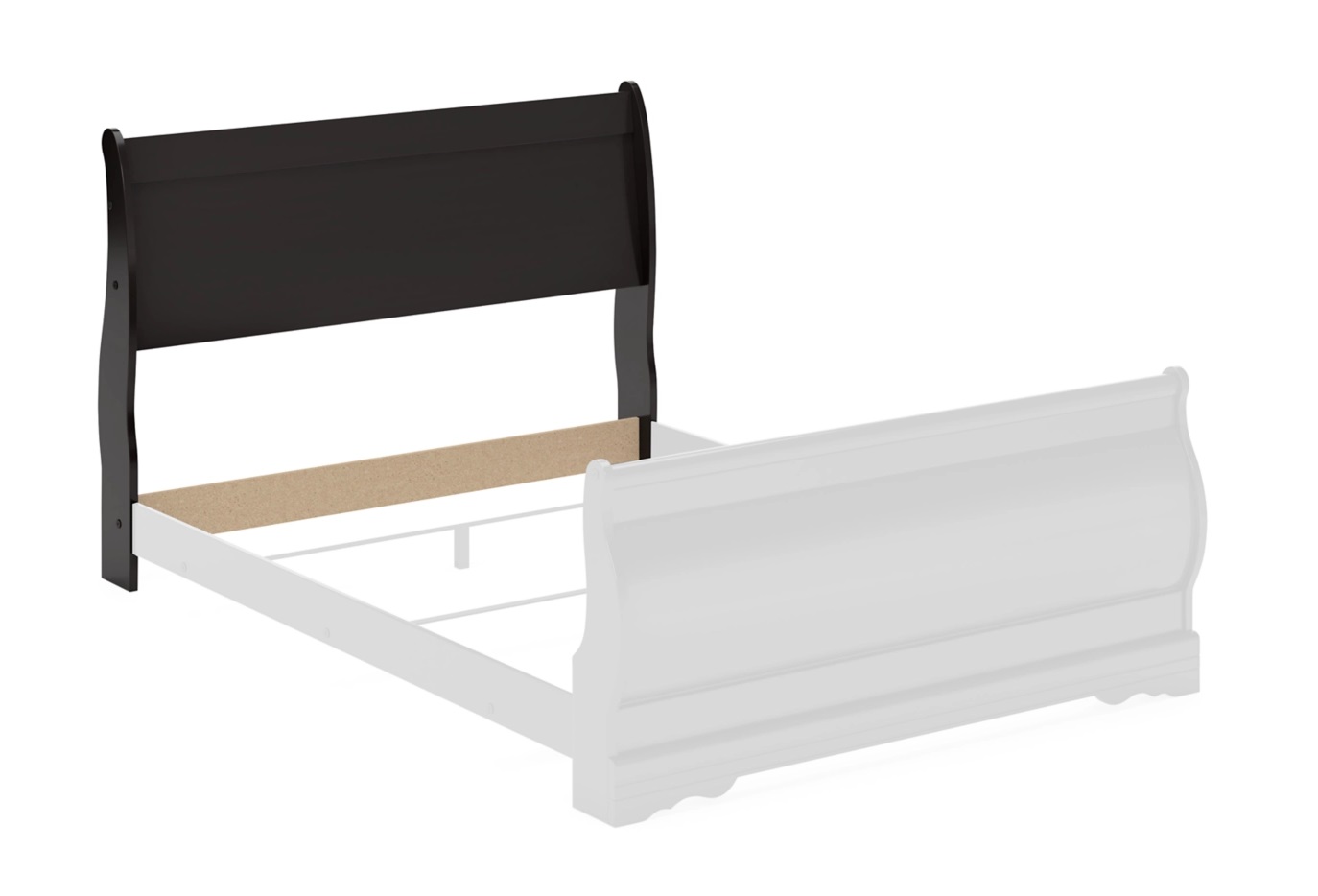
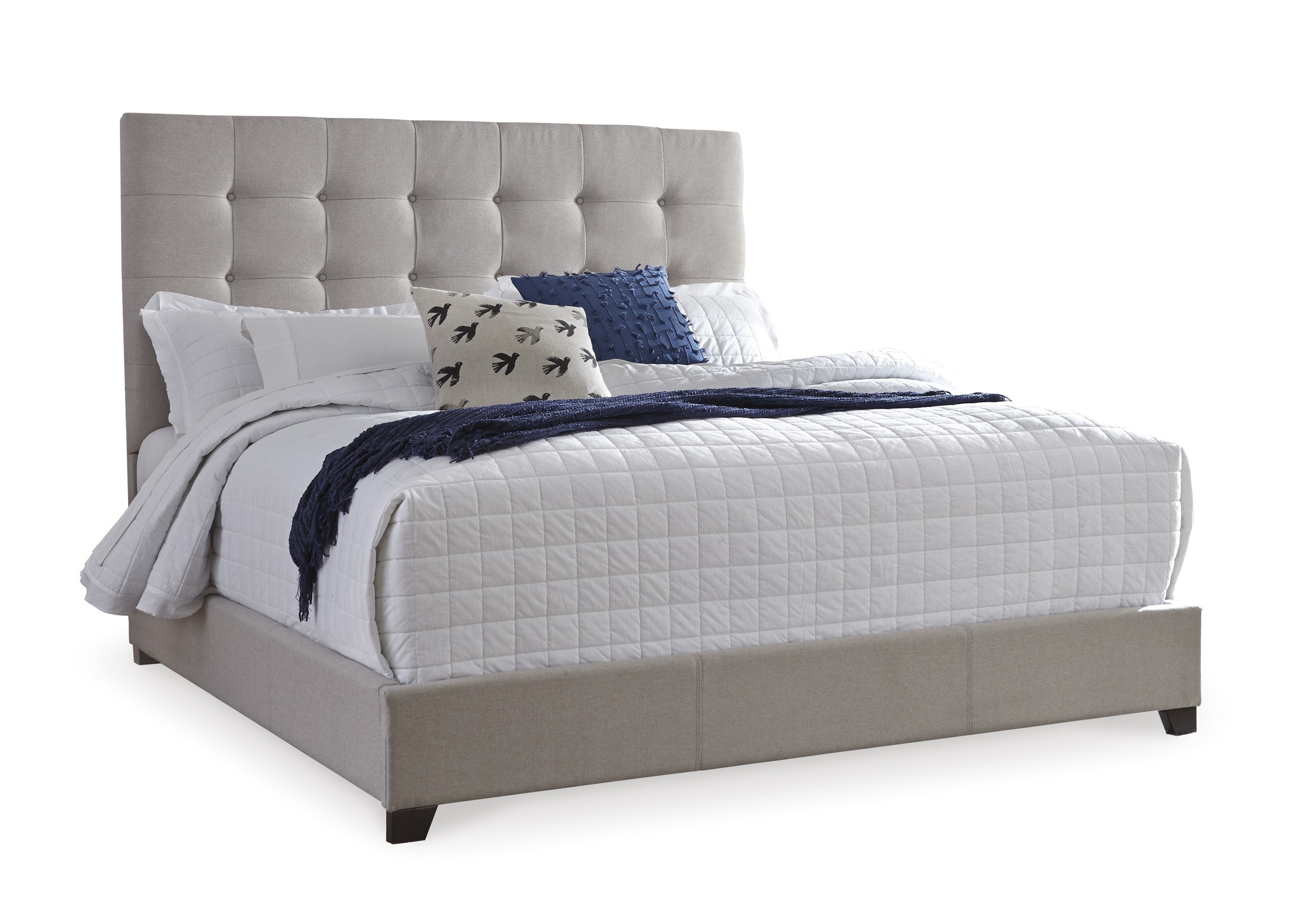
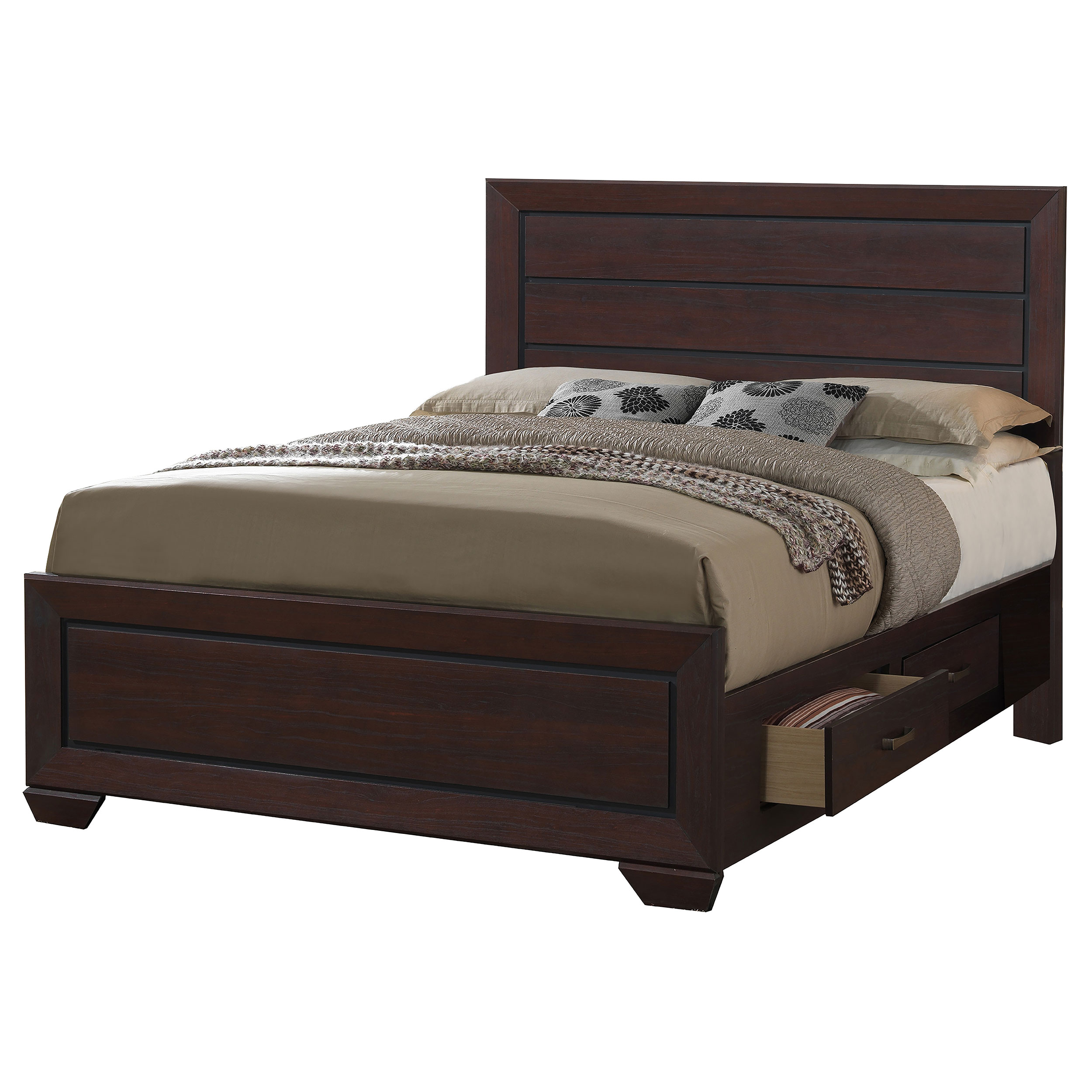
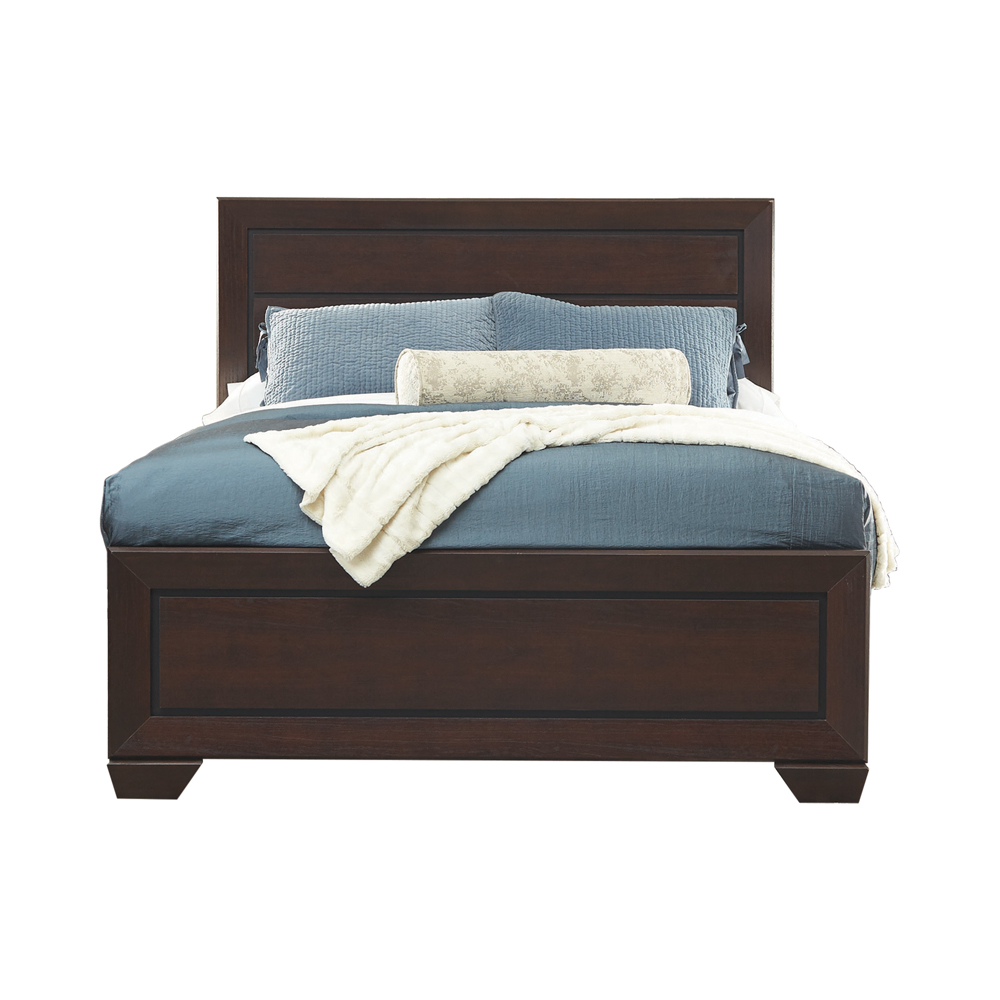
Platform frames are the most common choice for children's bedrooms: they are low-profile, easy to get in and out of, require no box spring, and are available in a wide range of styles. Panel beds feature a solid headboard and footboard attached to side rails and suit children who prefer a more traditional bed appearance. Storage beds incorporate drawers beneath the sleeping surface — one of the most space-efficient furniture choices for a small bedroom. Bunk and loft frames are platform-type at the upper level with added safety features for elevated sleeping. Each frame type has a different height profile, so confirm the total bed height before ordering if the room has low windows, a ceiling fan, or other height constraints.
How much should I spend on a kids bed at each stage?
For toddlers transitioning from a crib (ages 3 to 5), a basic twin platform frame in the $150 to $300 range is appropriate — the frame will be replaced within 5 to 8 years regardless of quality. For school-age children (ages 6 to 10), a mid-range frame in the $250 to $500 range with storage drawers or a more durable construction is a better investment that will last until adolescence. For children over 10 receiving a full-size frame they may use into adulthood, a frame in the $400 to $800 range is worth considering for build quality and longevity. These ranges reflect frame cost only; mattress cost is separate and should be budgeted independently based on the child's weight, sleep position, and firmness preference.