
 1-877-718-CLASSY (2527)
Children's Bedroom Furniture
Children's bedroom furniture for ages 3 to 12 should meet specific safety standards — including GREENGUARD Gold for emissions and ASTM F1427 for bunk beds — and use finishes durable enough for daily use, including scratches, moisture, and frequent cleaning.
What bedroom furniture does a child need at each age stage?
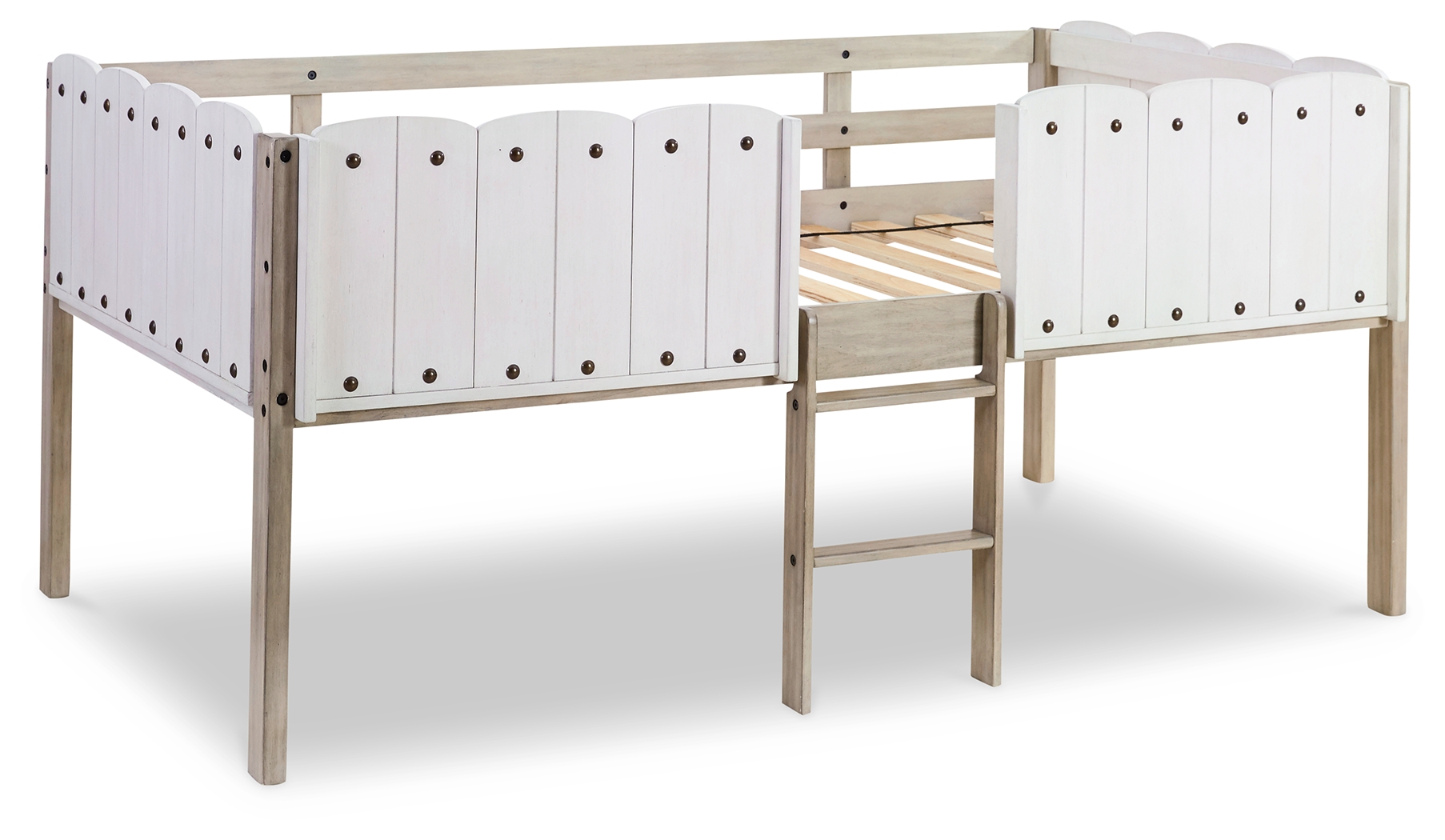
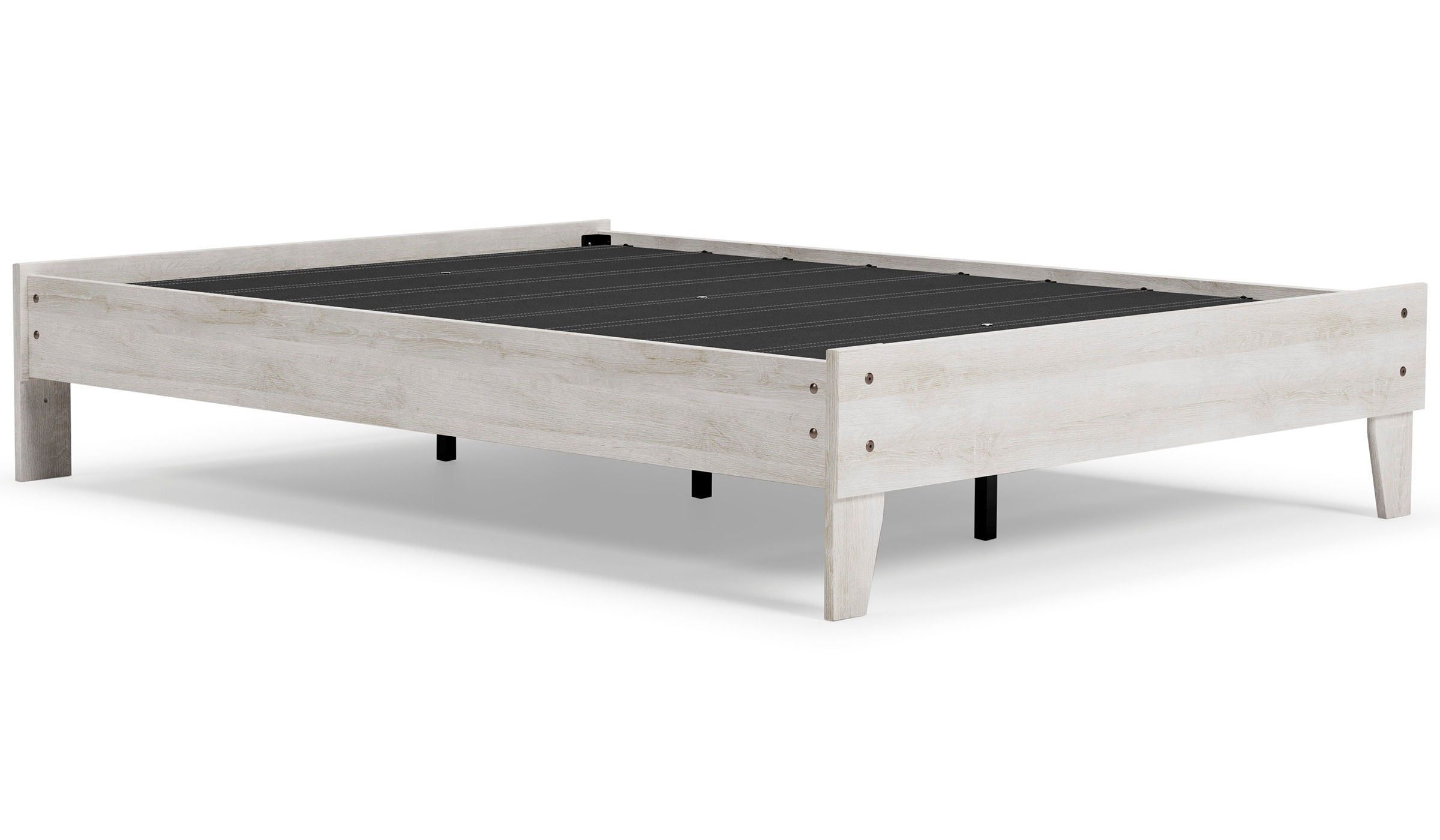
For children ages 3 to 5 transitioning from a crib or toddler bed, the essentials are a twin bed frame with guardrail, a mattress, and a low dresser that the child can access independently. Between ages 5 and 8, a desk and chair become important as homework begins. By ages 8 to 12, bookcases for school materials, better desk organization, and more drawer space for growing wardrobes are practical additions. Furniture that adjusts as the child grows — such as a desk with a height-adjustable surface — extends the useful life of each piece and reduces replacement costs.
What safety standards apply to children's bedroom furniture?
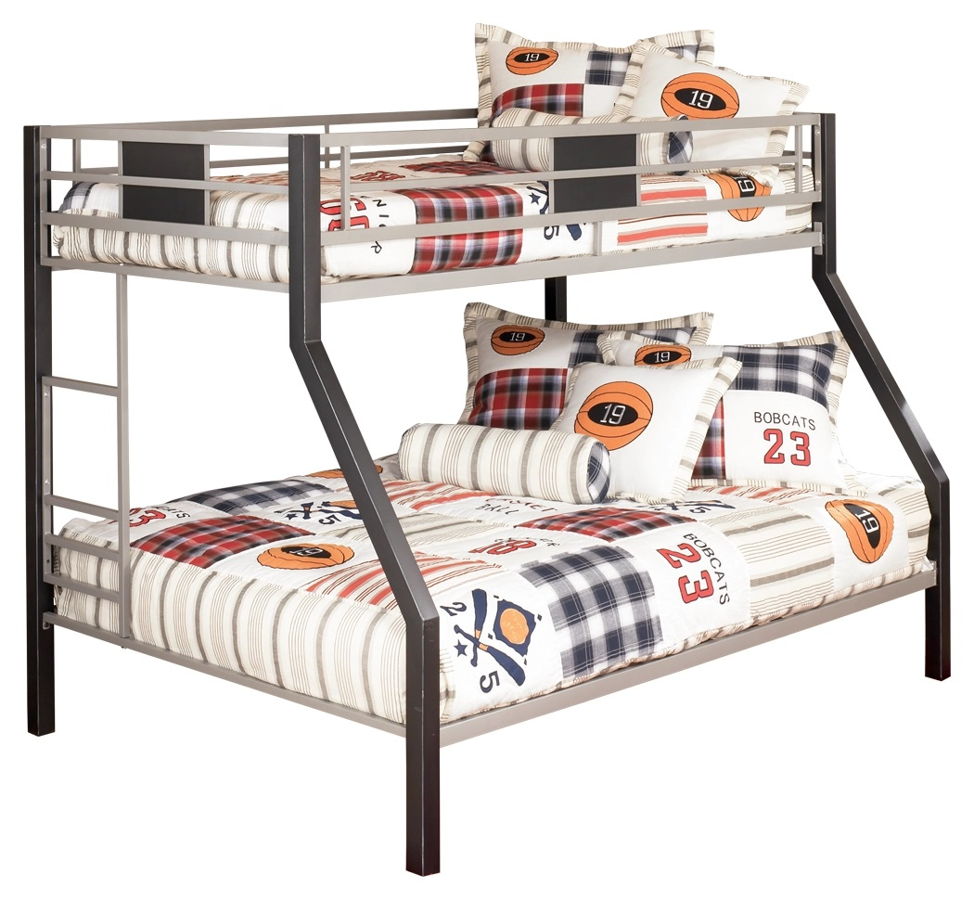
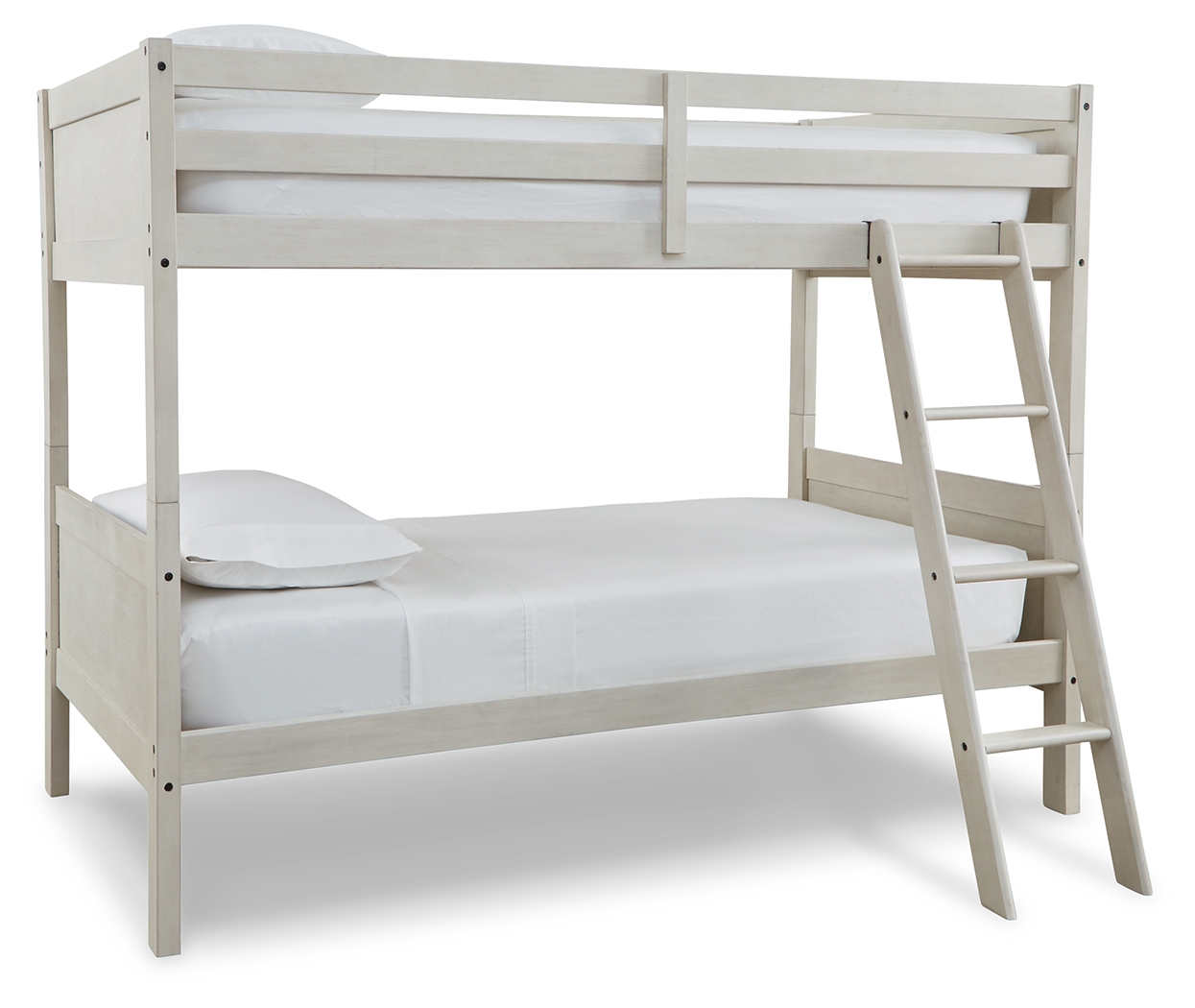
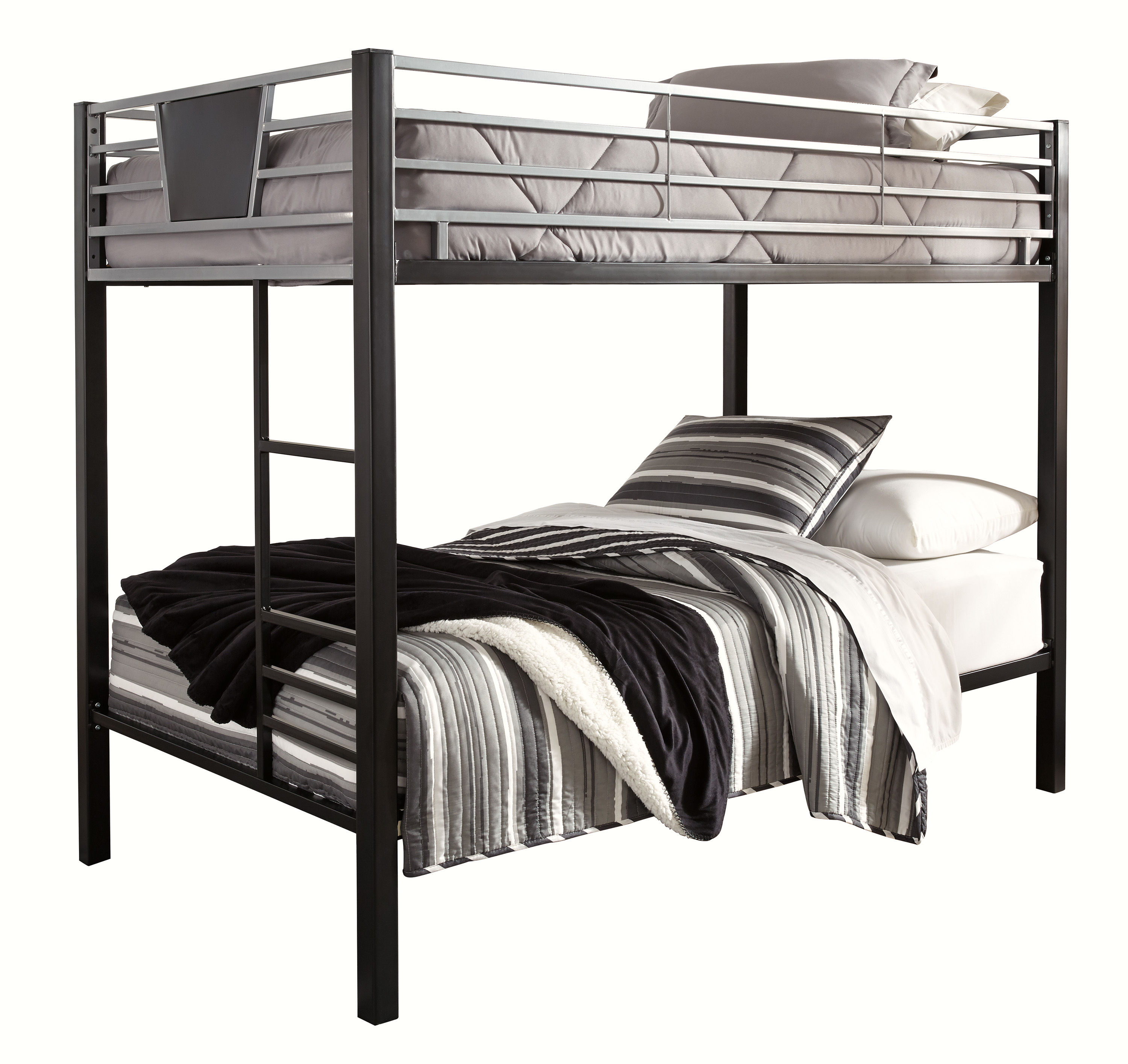
GREENGUARD Gold certification (from UL Environment) indicates that a furniture product has been tested for chemical emissions and meets strict limits for volatile organic compounds (VOCs). This certification is particularly relevant for children's bedroom furniture because children spend more hours in their bedroom than in most other rooms and are more sensitive to airborne chemical exposure. Bunk beds must comply with ASTM F1427, which specifies that guardrails must extend at least 5 inches above the mattress surface and that openings in the guardrail or ladder must not allow entrapment of a child's head. All freestanding case pieces — dressers, wardrobes, bookshelves — should be secured to the wall with anti-tip straps; unsecured dressers are one of the leading causes of furniture-related injury in children's rooms.
What storage solutions work best in a child's bedroom?
Under-bed storage drawers are among the most space-efficient options, using area that would otherwise be wasted. Many children's bed frames include built-in under-bed drawers; alternatively, rolling bins or low-profile storage boxes can be used under any raised bed frame. Cube organizers with fabric bins are flexible, low-cost storage for toys and books and can be reconfigured as the child's storage needs change. Toy chests provide large-capacity single-item storage but can create a disorganized jumble; they work better as a supplement to organized drawer and shelf storage than as the primary system.
What finishes hold up best in a child's bedroom?
Melamine over MDF is a standard and durable finish for children's furniture: the melamine layer is hard, moisture-resistant, and can be cleaned with most household cleaning products. Thermofoil — a vinyl film applied over MDF — provides a similar level of durability and is available in solid colors. Painted furniture in hardened lacquer or catalyzed paint also performs well in a child's room. Avoid furniture with soft wax or oil finishes, which can be damaged by moisture and require periodic re-treatment. The finish on drawer interiors is also worth checking — sealed interiors resist humidity and reduce the release of wood or composite odors over time.
What furniture adapts well as a child grows?
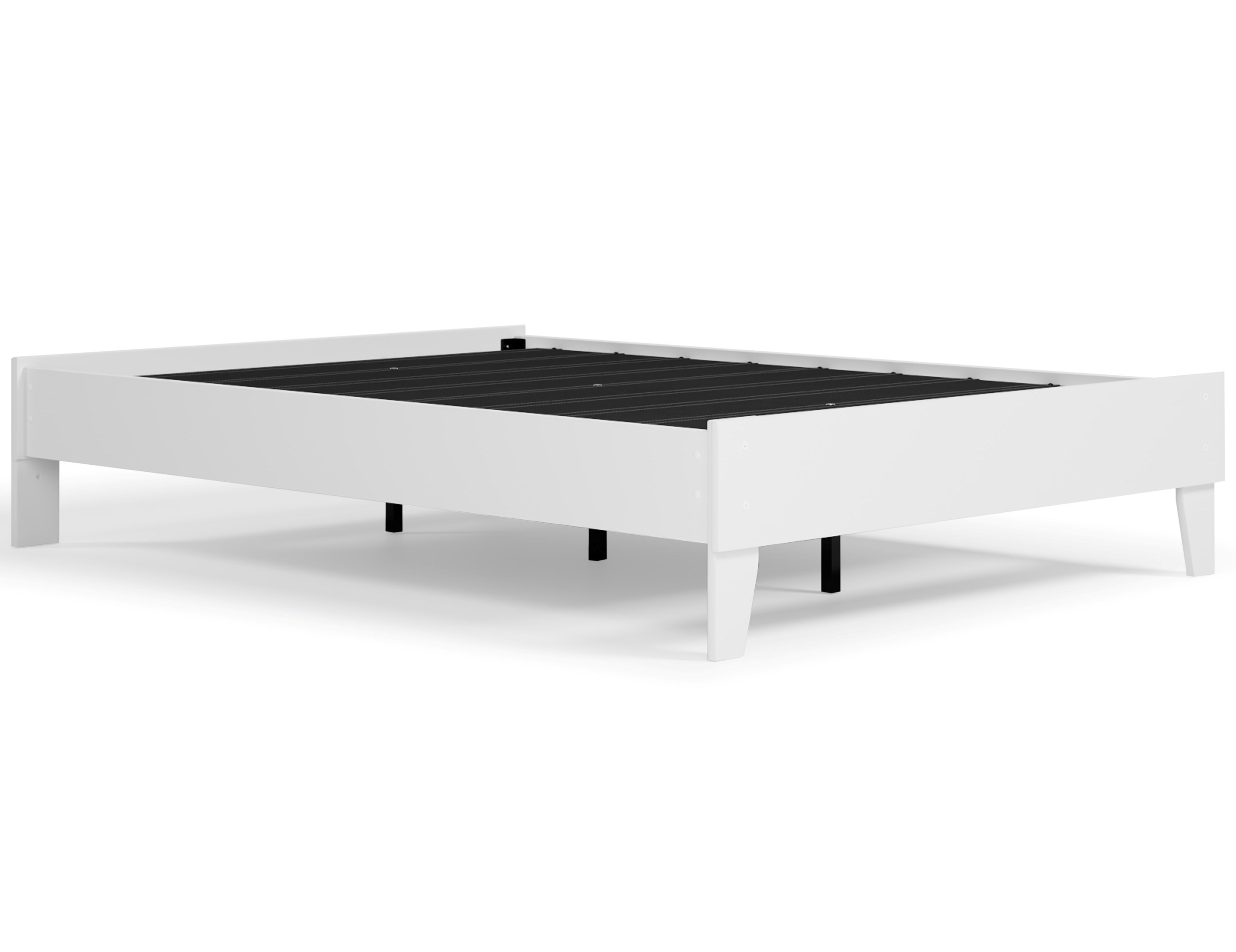
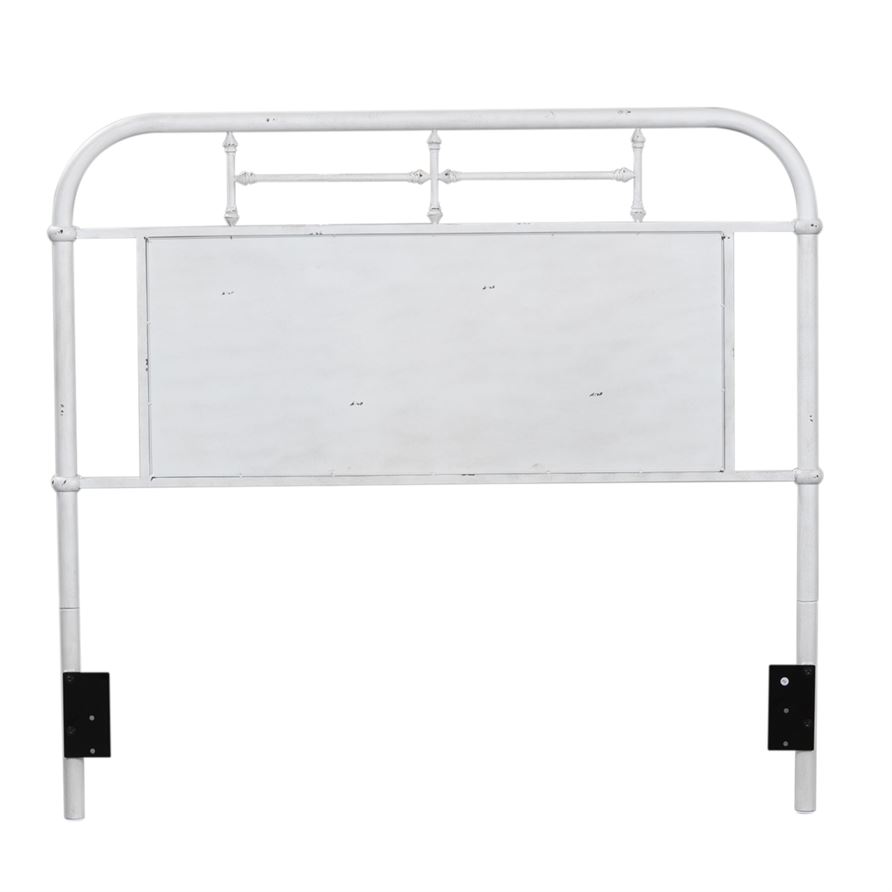
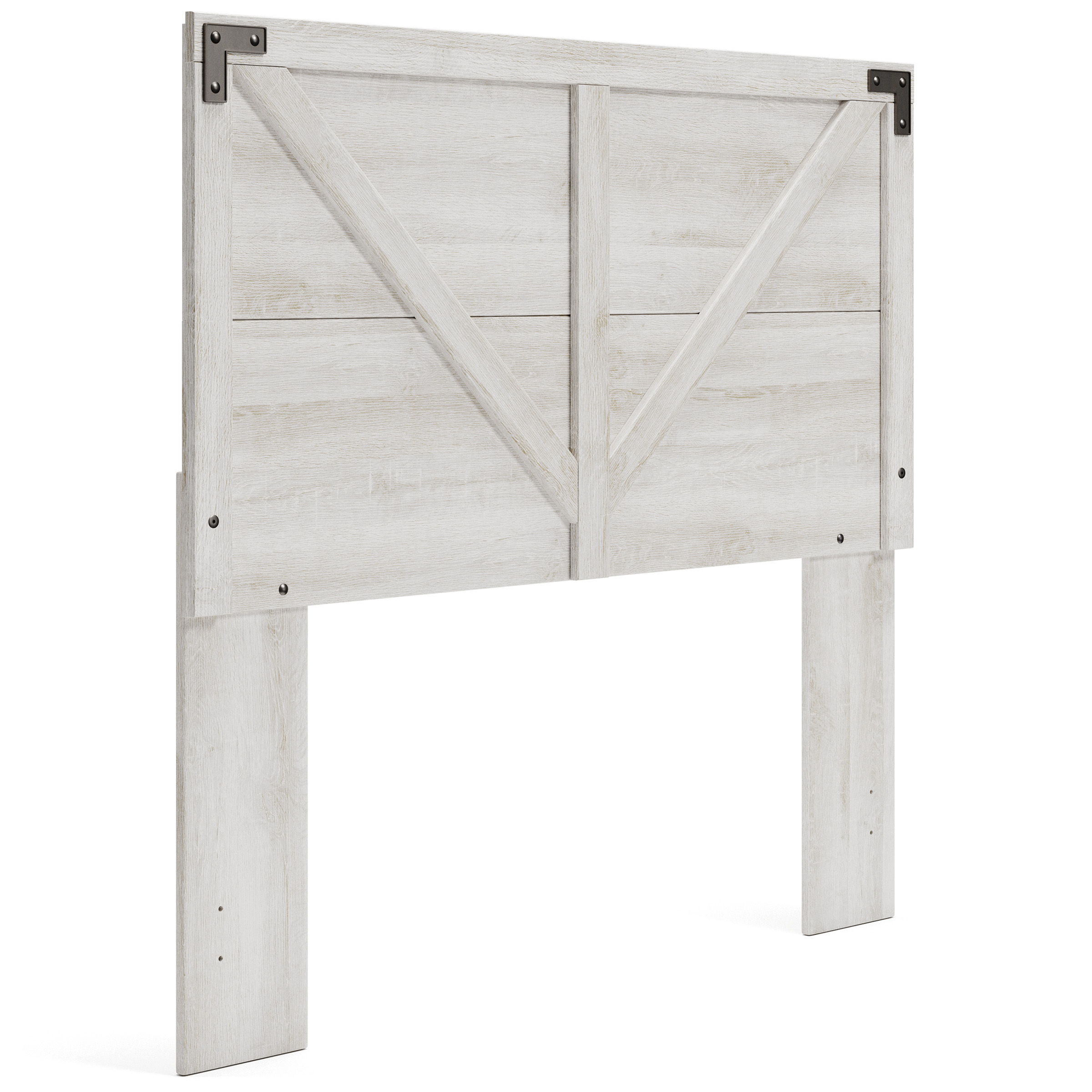
Convertible furniture designed to change with a child's age provides long-term value. Some cribs convert to toddler beds and then to a full-size headboard, covering ages birth through teen years with a single frame. Adjustable-height desks (manually or with a height-adjustable mechanism) can remain useful from elementary school through high school. A standard twin bed frame is useful from approximately age 3 through the teen years. A full-size bed (54x75 inches) is often chosen for children over 10 who need more sleeping space and is likely to remain appropriate through adulthood.