
 1-877-718-CLASSY (2527)
Children's Beds
Children's beds are available as standard twin frames, bunk beds, loft beds, daybeds, and trundle beds. The right type depends on the child's age, room size, and whether the room needs to accommodate overnight guests or double as a study space.
What types of beds are available for children?
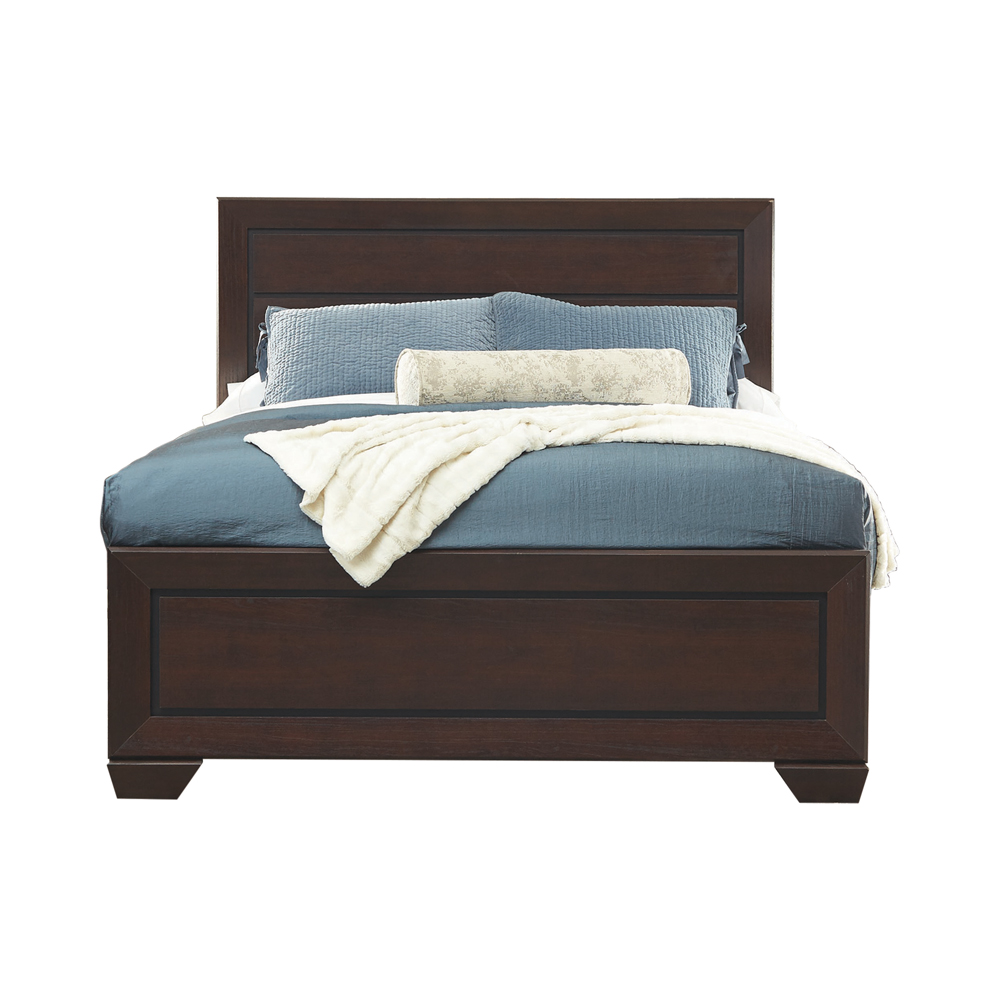
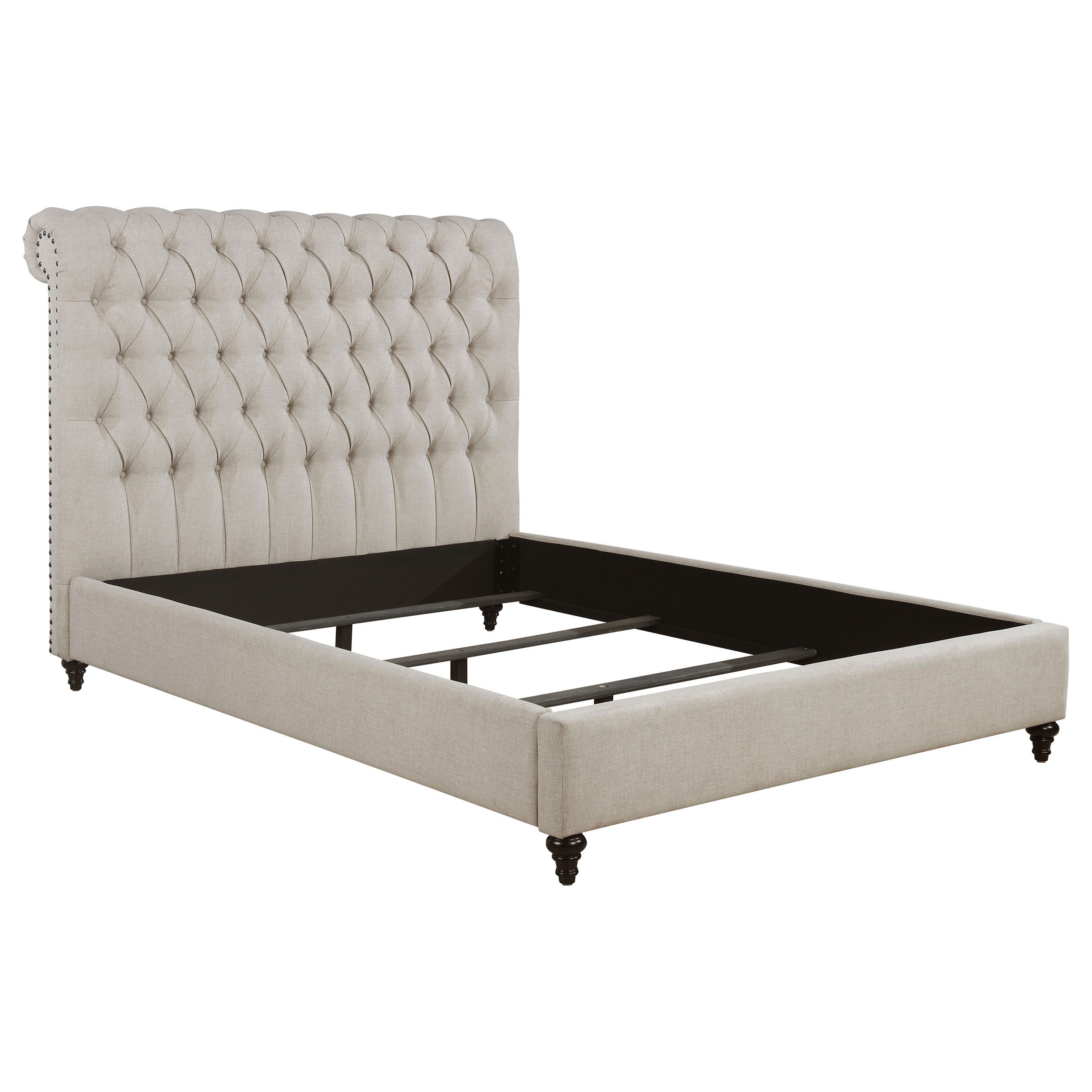
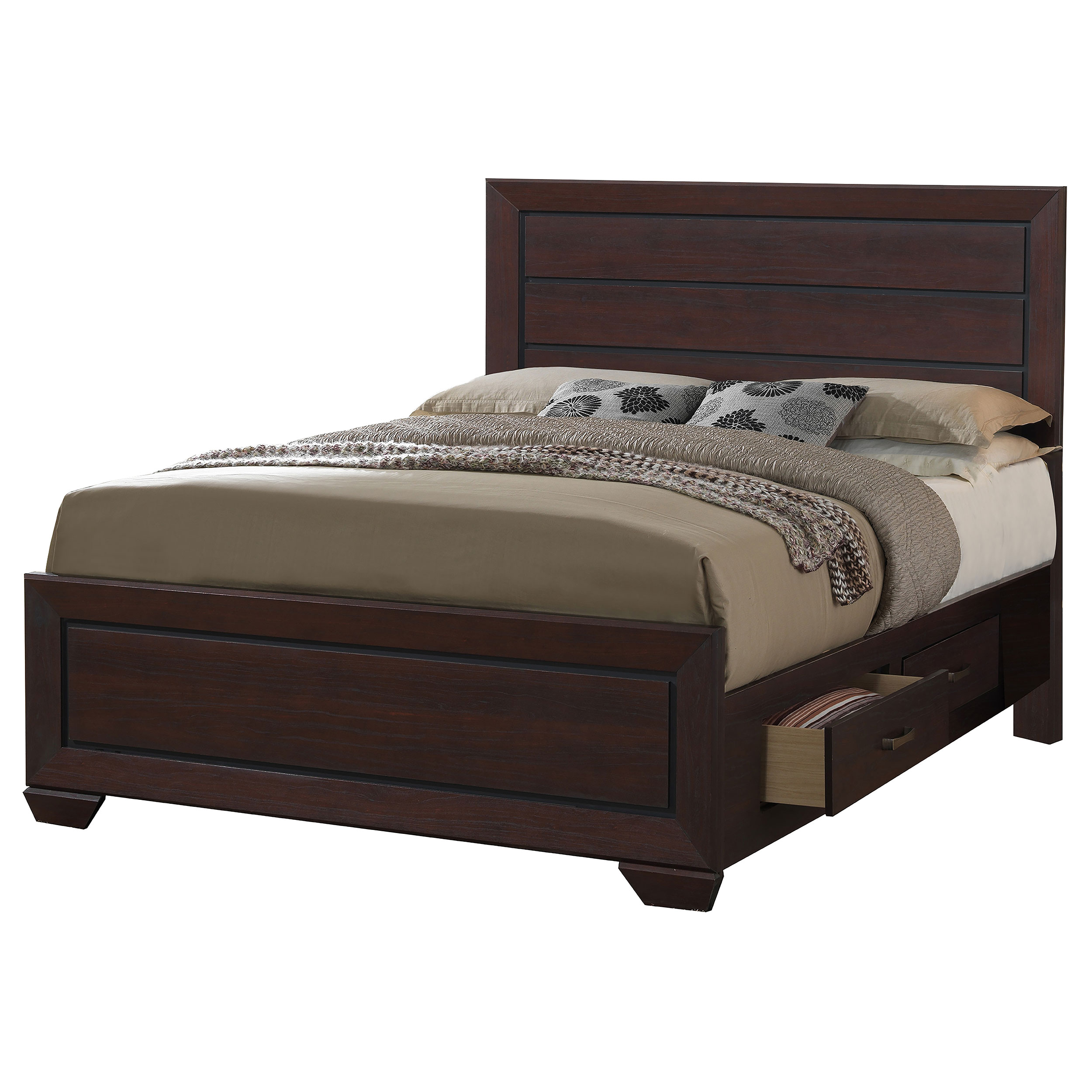
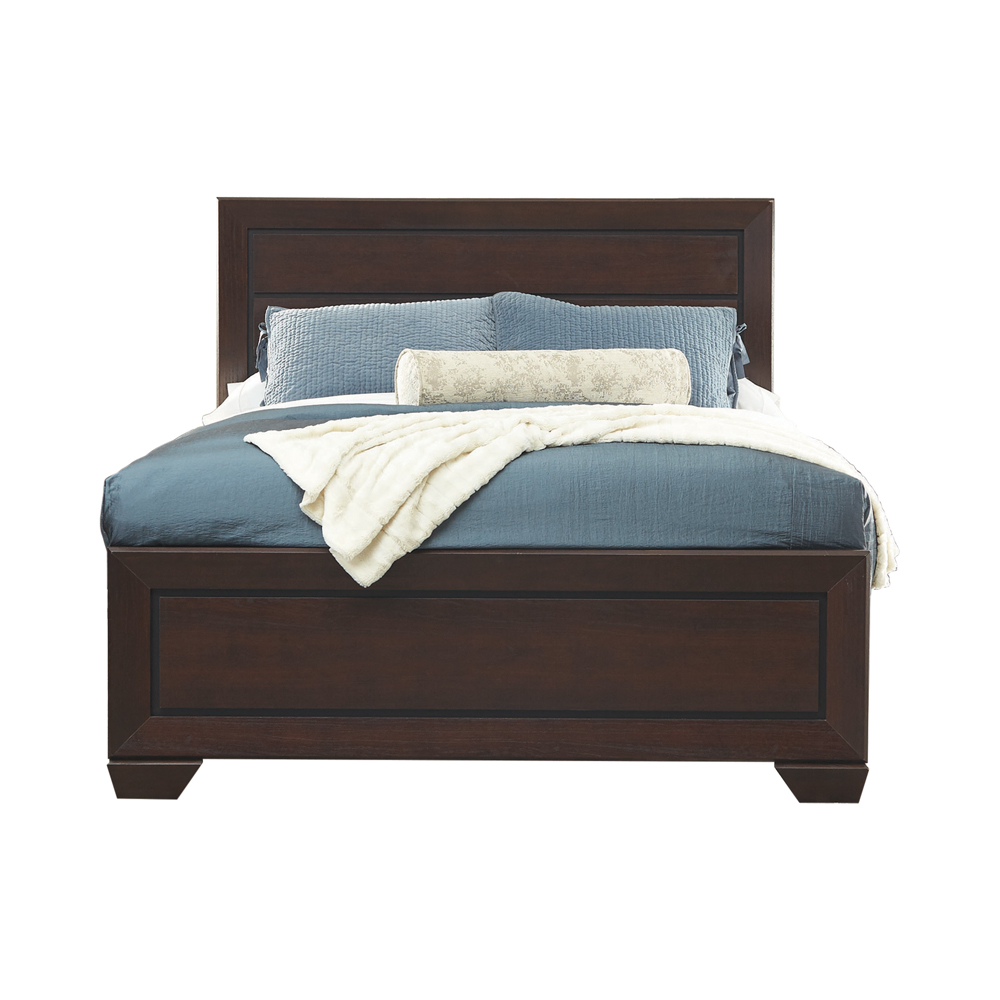
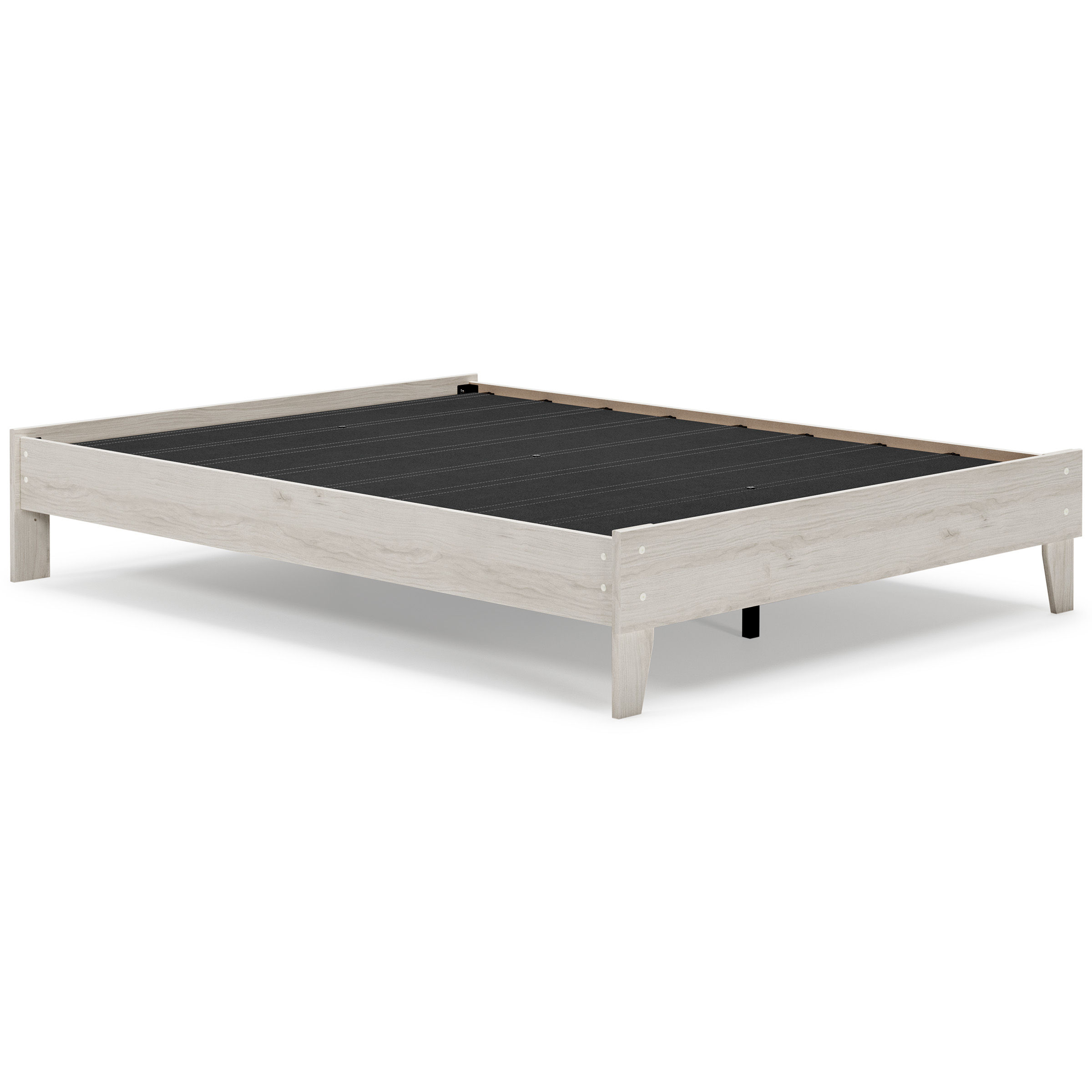
Standard twin bed frames are the baseline option: a single-level bed frame sized for a 38x75-inch mattress, available in a wide range of styles from simple panel beds to storage beds with built-in drawers. Daybeds feature a three-sided frame that allows the bed to function as a sofa or seating surface during the day, making them useful in smaller rooms that serve dual purposes. Bunk beds stack two twin mattresses vertically, sleeping two children in roughly the floor space of one bed — practical for shared rooms. Loft beds elevate a single sleeping surface and leave the area underneath open for a desk, storage, or play space. Trundle beds store a second rollout sleeping surface underneath the main frame, providing occasional extra sleeping capacity without a permanent second bed footprint.
What is the safe age for a bunk bed?
The top bunk of a bunk bed is not recommended for children under 6 years old. The American Academy of Pediatrics and ASTM F1427 (the bunk bed safety standard) both establish this guideline, based on the coordination and judgment required to safely climb a ladder and sleep at height without rolling out. The guardrail on the top bunk must extend at least 5 inches above the top of the mattress (not just the bed frame) to be effective; a 6-inch extension is preferable. Guardrails are required on all four sides of the upper bunk, including the side against the wall, because children can become trapped between the mattress and the wall.
What is a loft bed and how is it used for children?
A loft bed places a single sleeping surface at the same height as a top bunk — typically 5 to 6 feet off the floor — with no lower bunk. The open space underneath is the defining feature: it can hold a standard desk and chair, a small dresser, shelving, or a play area, effectively doubling the functional use of the bedroom floor space. Loft beds are most practical for children 6 and older who are in school and benefit from a dedicated study area in their room. The same guardrail and ladder safety requirements that apply to the top bunk of a bunk bed apply to loft beds.
What is a trundle bed and when is it useful?
A trundle bed has a wheeled secondary frame that stores completely beneath the main bed frame when not in use. When a guest needs to sleep over, the trundle rolls out to floor level and is fitted with its own mattress — typically the same width as the main bed (twin) but lower in profile. Trundle beds are ideal for children who have frequent sleepovers because the second sleeping space is always available without occupying permanent floor area. Some trundle frames can be raised to the same height as the main bed, creating a temporary king or queen-size surface for two children to share.
What size mattress does each children's bed type require?
A toddler bed uses a standard crib mattress measuring 27x52 inches. Most standard twin frames, bunk beds, loft beds, and trundle beds use a twin mattress at 38 inches wide by 75 inches long. Twin XL (38x80 inches) is 5 inches longer and is sometimes used for taller children approaching the teen years. Full-size beds (54x75 inches) are 16 inches wider than a twin and suit older or larger children. Confirm the exact mattress size required for bunk bed frames, as some manufacturers design their frames for specific mattress heights (low-profile mattresses, typically 8 to 10 inches, are required for bunk bed upper berths to maintain adequate guardrail clearance).