
 1-877-718-CLASSY (2527)
Round Coffee Tables
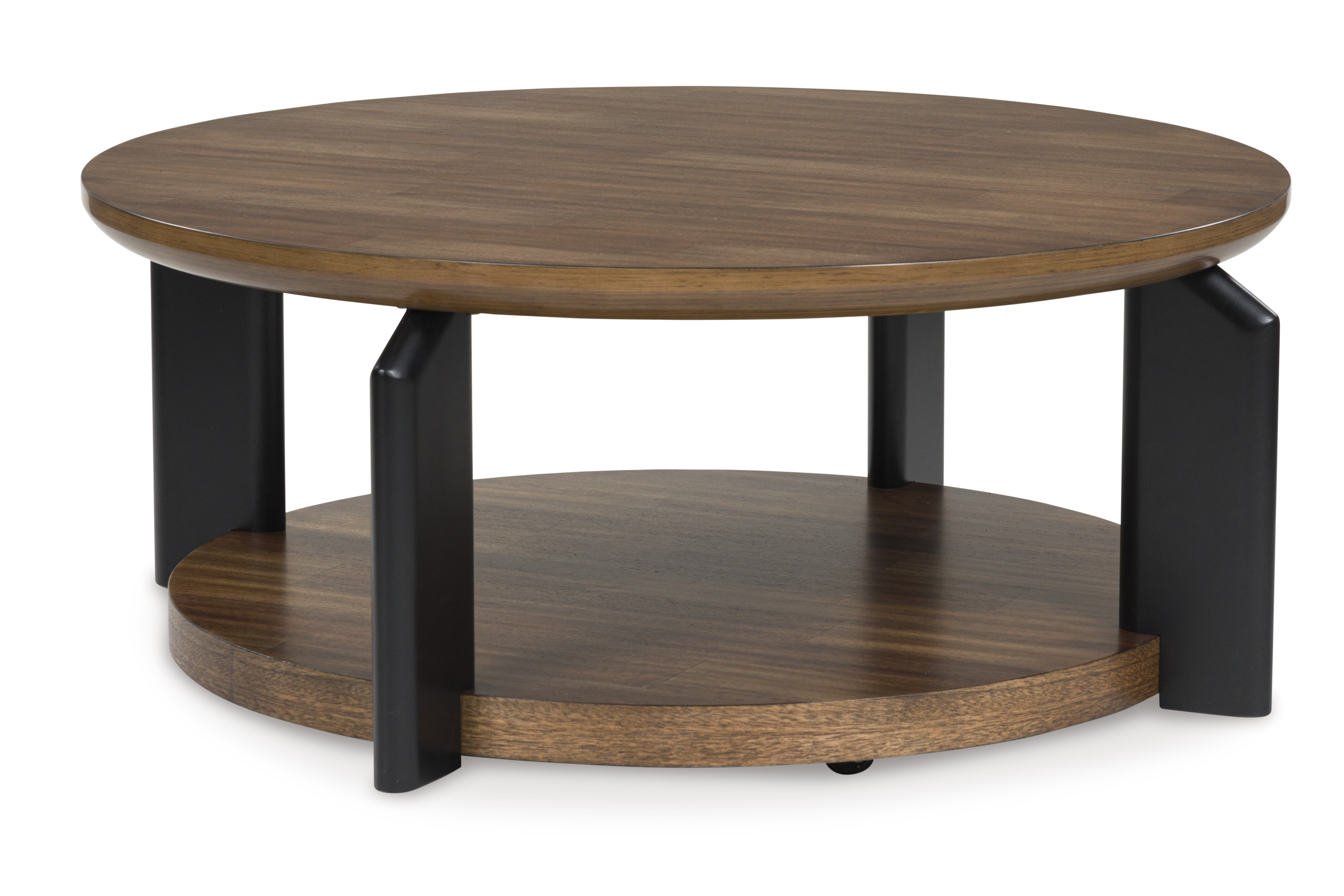
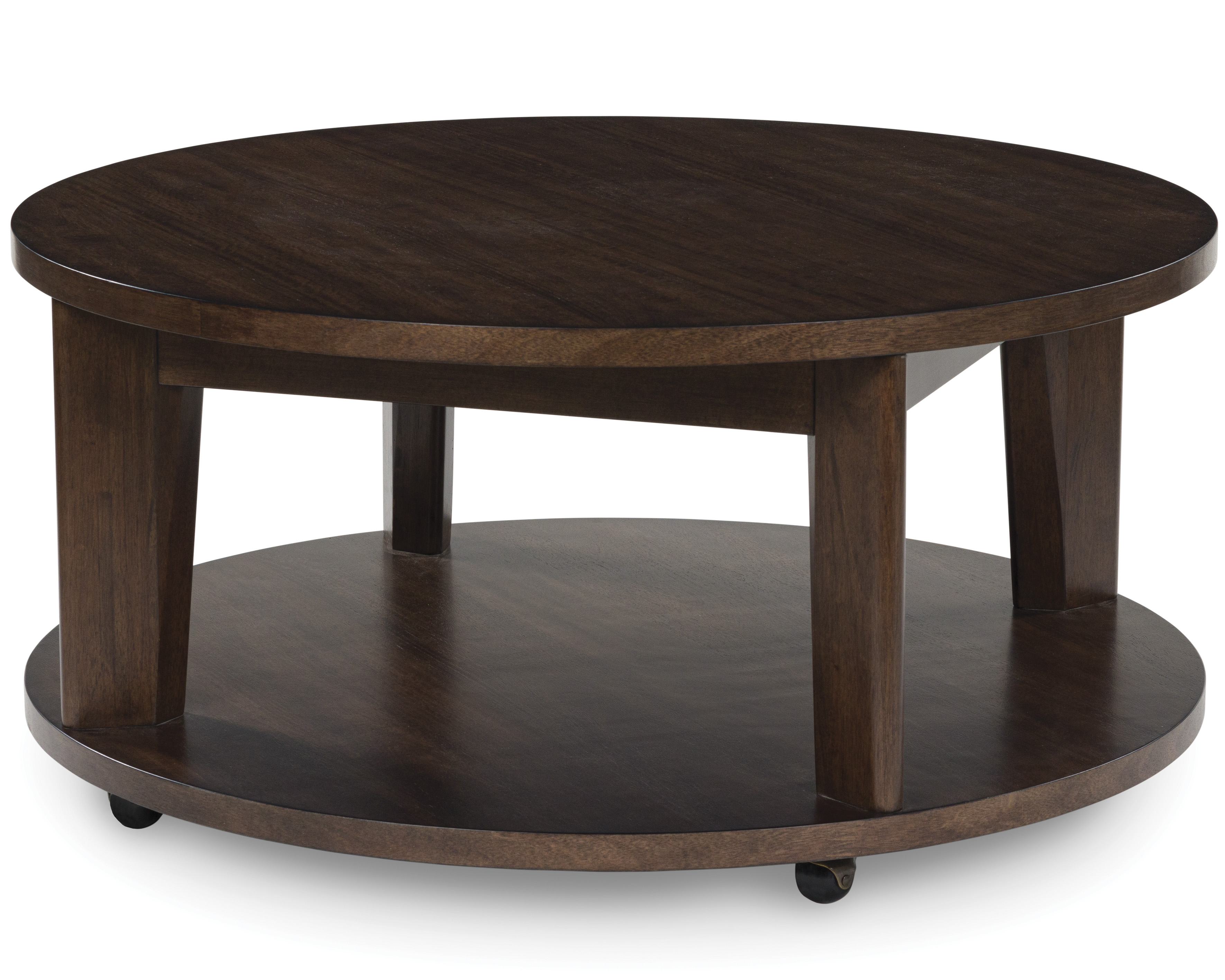
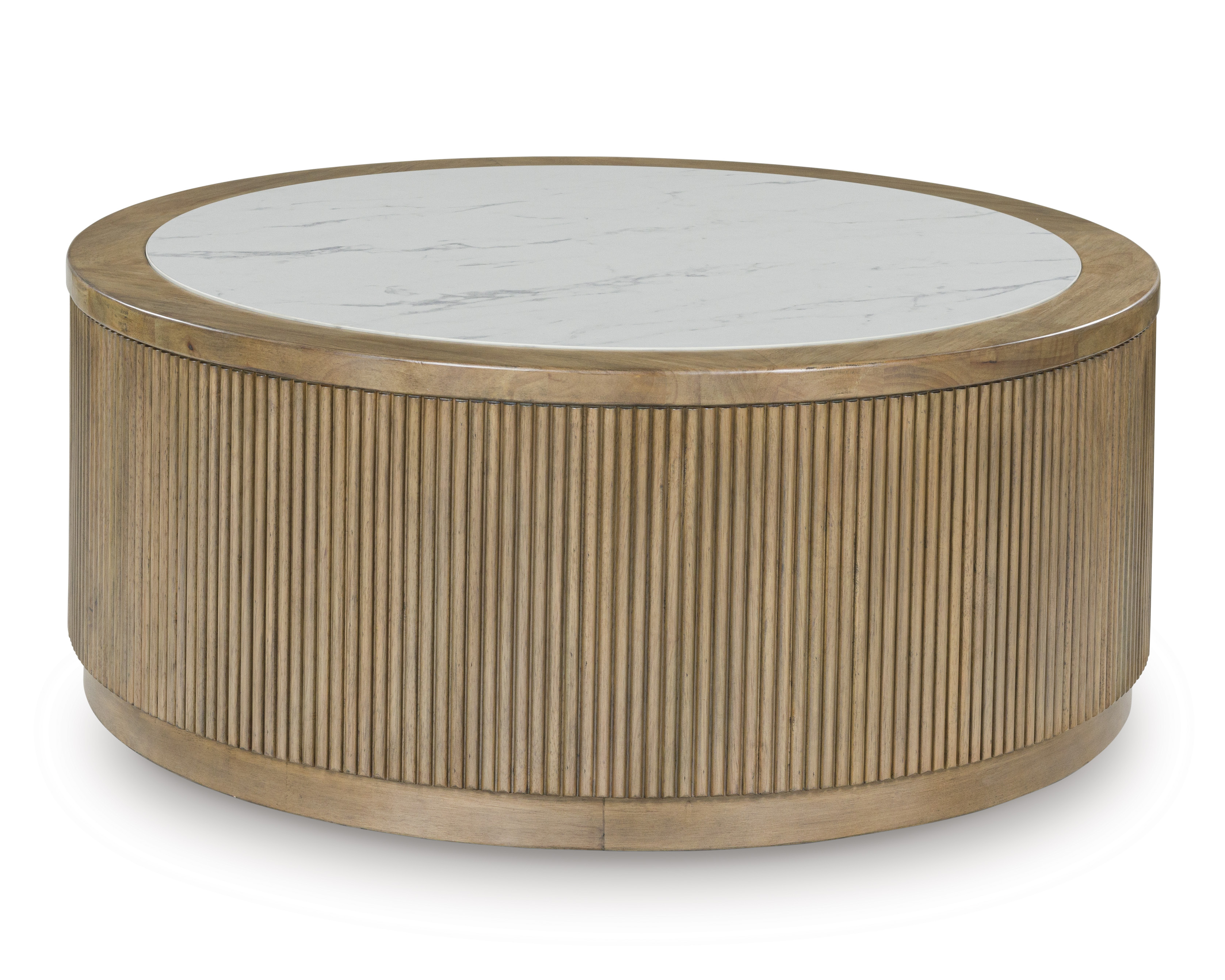
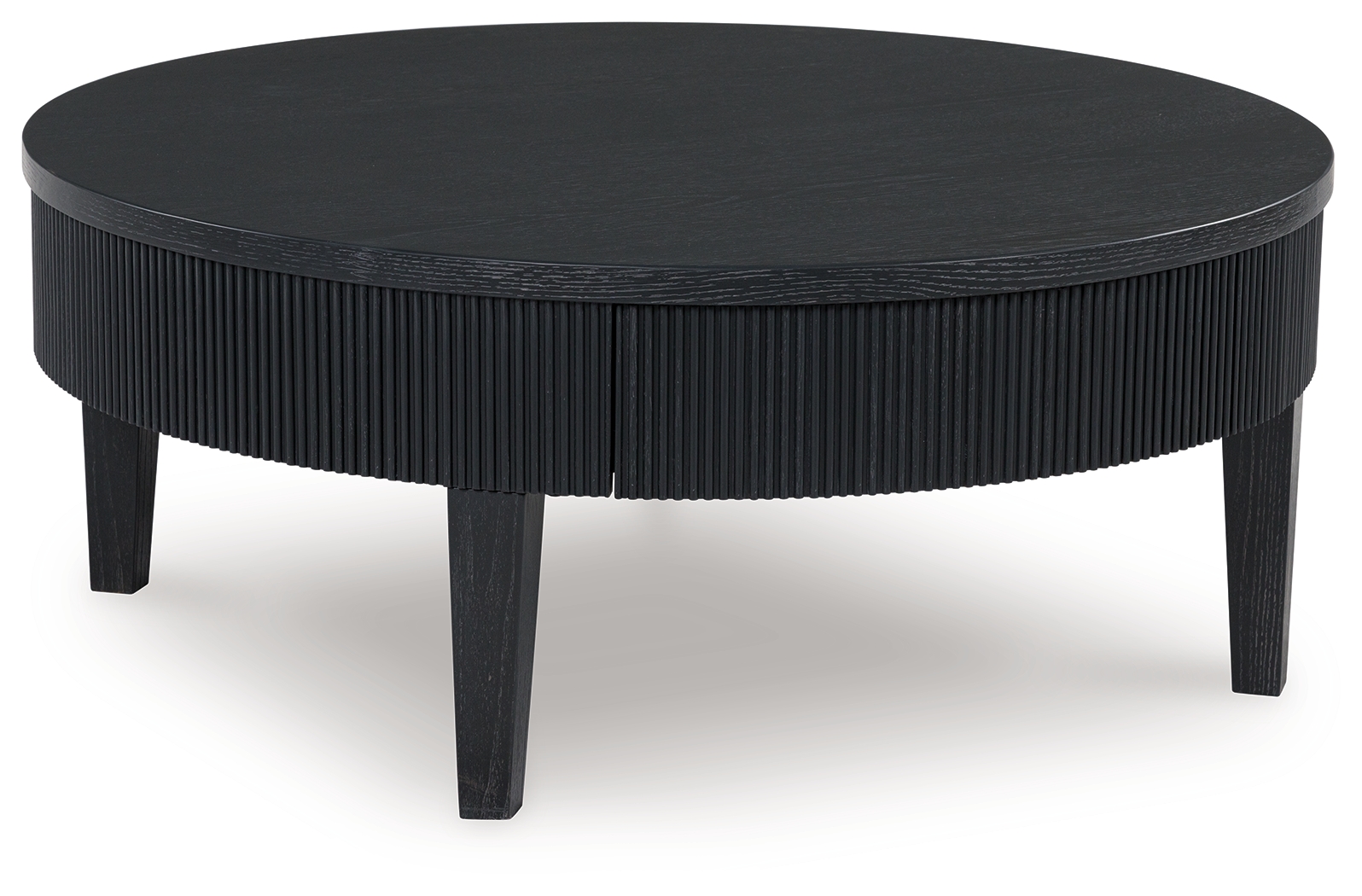
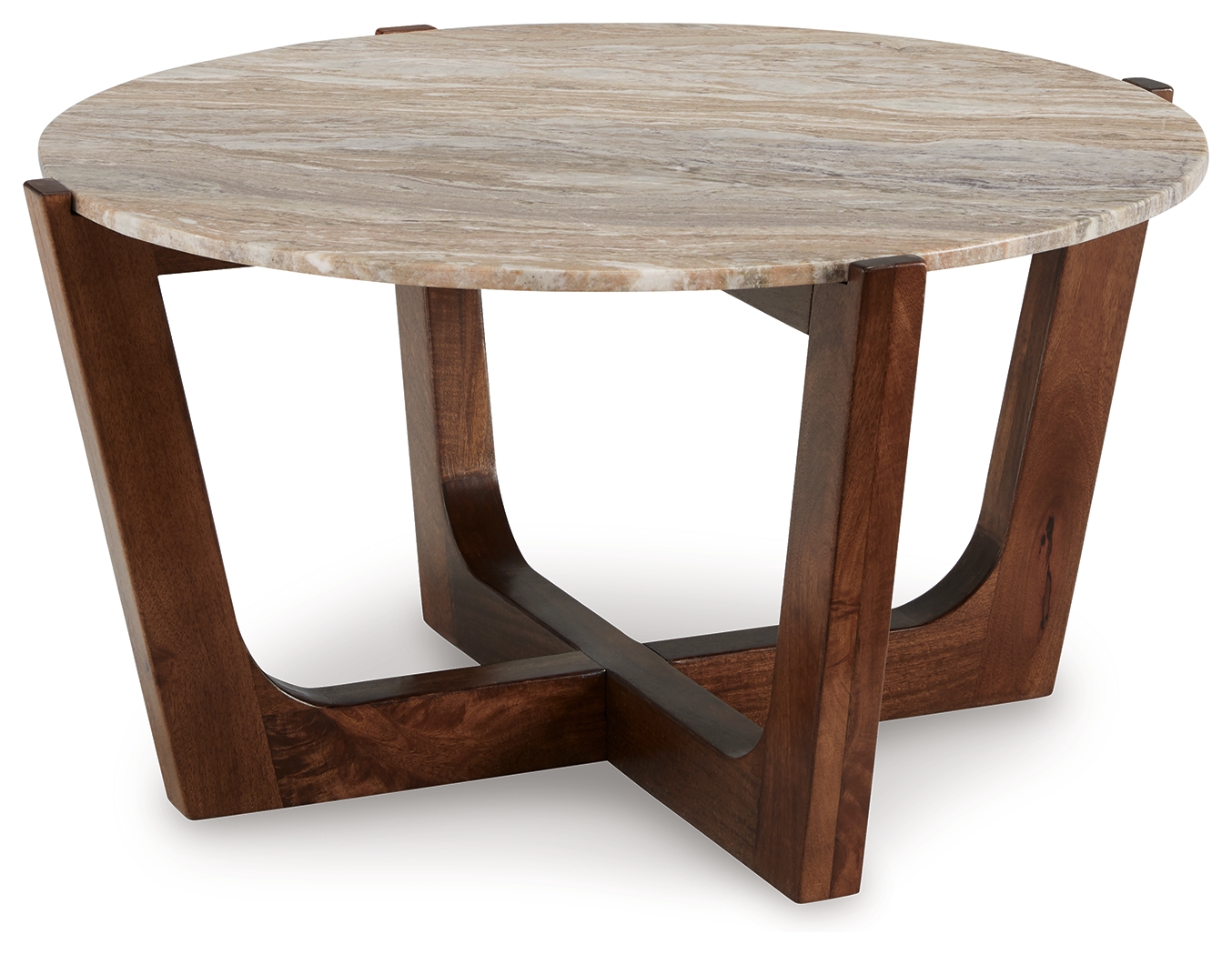
Round coffee tables work well in front of rectangular sofas, in family rooms where corner safety is a concern, and in rooms with curved or sectional seating arrangements. Standard size guidance: 36 inches diameter for small rooms, 42 to 48 inches for standard sofas, 48 inches and above for sectionals.
How do you determine the right diameter for a round coffee table?
The starting point is the sofa length. Apply the standard two-thirds rule: the coffee table diameter should be no more than two-thirds of the sofa's length. A 72-inch (6-foot) sofa pairs with a round table up to 48 inches in diameter. A 60-inch sofa pairs with a table up to 40 inches. In practice, 36-inch tables suit compact rooms and sofas under 72 inches; 42 to 48-inch tables are the most versatile and work with standard 7 to 8-foot sofas; tables 48 inches and above are reserved for sectionals or large U-shaped seating groups. Maintain 14 to 18 inches of clearance between the sofa front and the table edge on all sides, and ensure that traffic paths around the table remain at least 30 inches wide.
How do you use a pedestal base versus a four-leg base in a round table?
A pedestal base (a single center post supporting the tabletop) provides open space around the base, which creates visual lightness and makes leg room easier for people seated on a sofa or chairs close to the table. Pedestal bases also allow the tabletop to visually "float," which suits contemporary and formal room styles. Four-leg bases are more traditional and provide greater visual stability — the legs make the table look anchored rather than floating. Four-leg round tables work better in rooms with a more relaxed or transitional aesthetic. The stability difference is minimal at coffee table height and size, but pedestal bases with heavy marble or stone tops require a wider base disc or weighting to prevent tipping.
Why are round coffee tables recommended for families with young children?
The primary injury risk from coffee tables for young children is the corner impact — a child running or falling strikes a 90-degree corner at eye or forehead level. Round and oval tables eliminate this injury point entirely because there are no corners, only a continuous curved edge. The curved perimeter also allows children to move around the table naturally without needing to navigate past a projecting corner. Low round coffee tables (16 inches tall or below) further reduce injury severity by lowering the impact height. Tempered glass tops, even on round tables, are not recommended for homes with toddlers — a solid wood, stone, or upholstered ottoman-style drum table provides corner-free safety without a breakable surface.
How do you style a round coffee table in front of a rectangular sofa?
Center the table on the sofa with equal amounts of the sofa extending past the table on either side. The contrast between the round table and the straight sofa is intentional and effective — it softens the room's geometry and creates visual interest. To visually connect the two shapes, place a rectangular tray on the round tabletop: the tray introduces a straight-edged element that echoes the sofa while organizing the surface items. Keep the tray display simple — three to five objects (a stack of books, a candle, a small plant) arranged within the tray boundary. Avoid placing asymmetric or sprawling arrangements on a round table, which require the full surface and prevent the centered, composed appearance that works with the round form.