
 1-877-718-CLASSY (2527)
Modern Coffee Tables
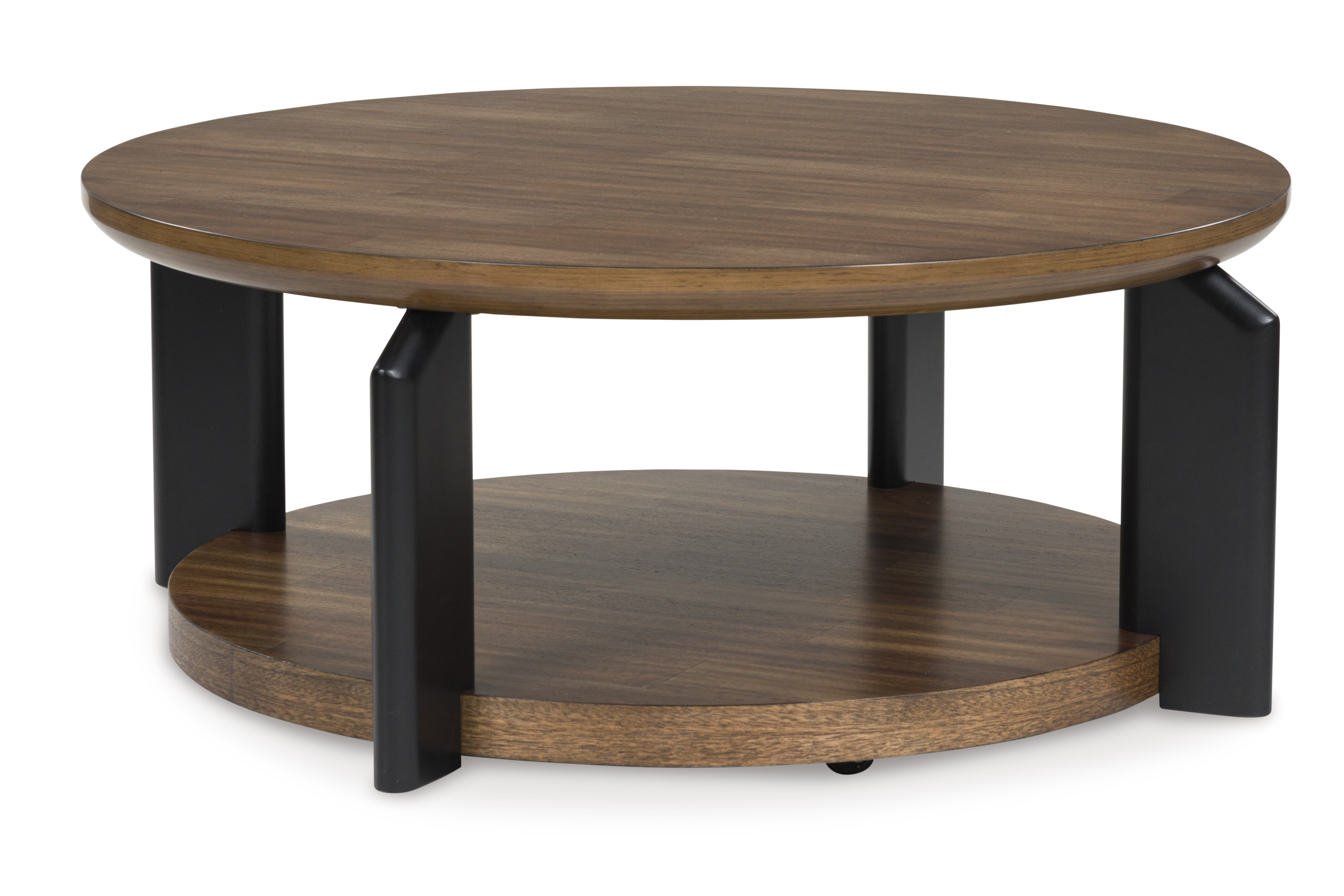
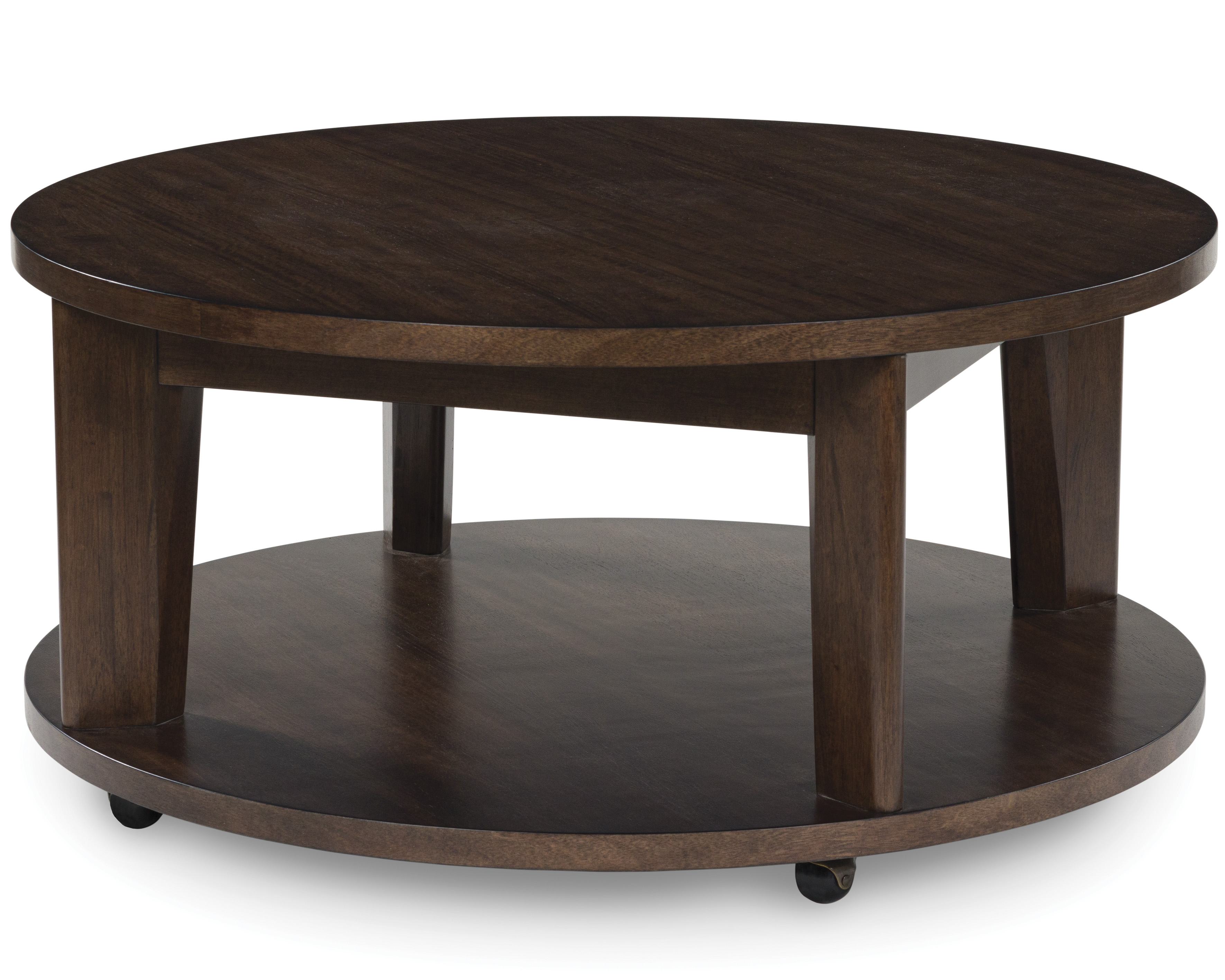
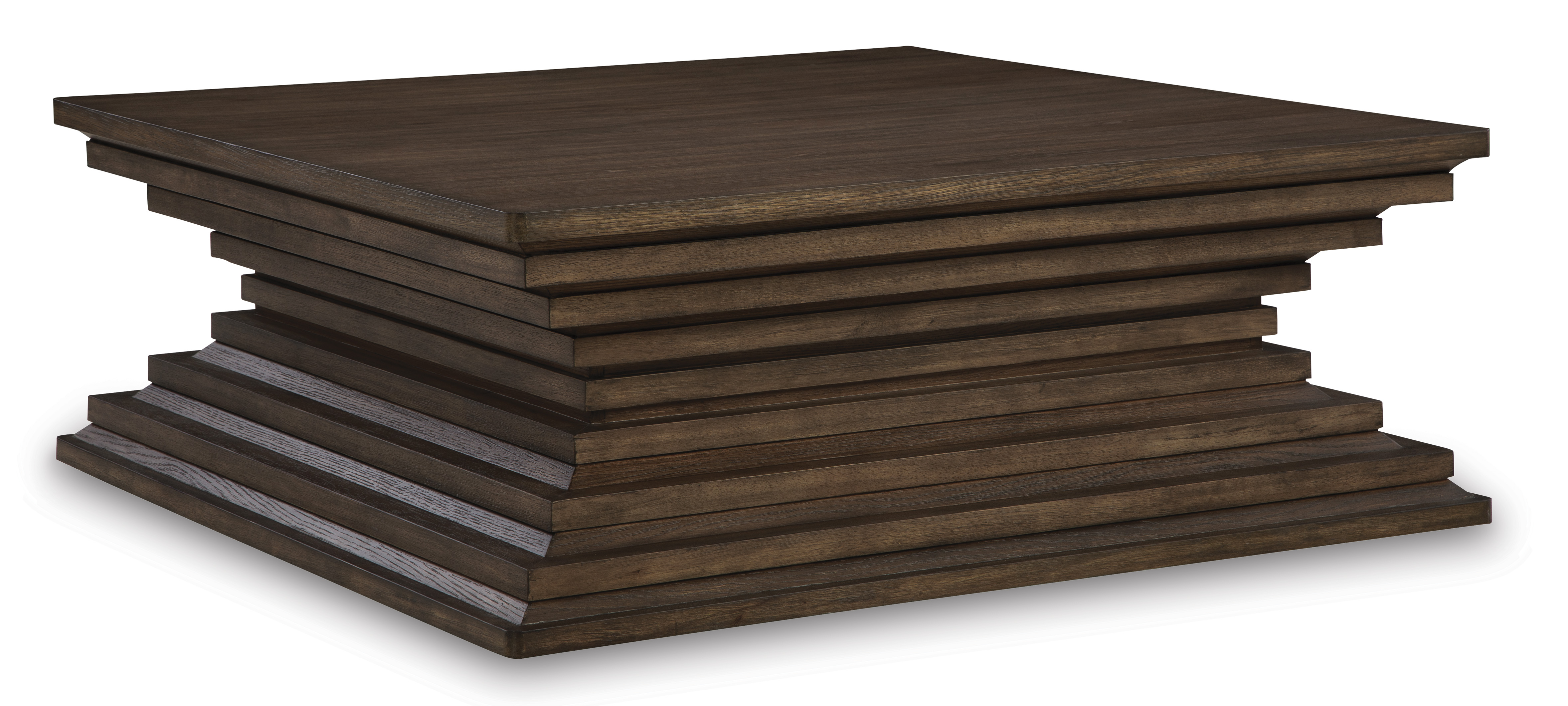
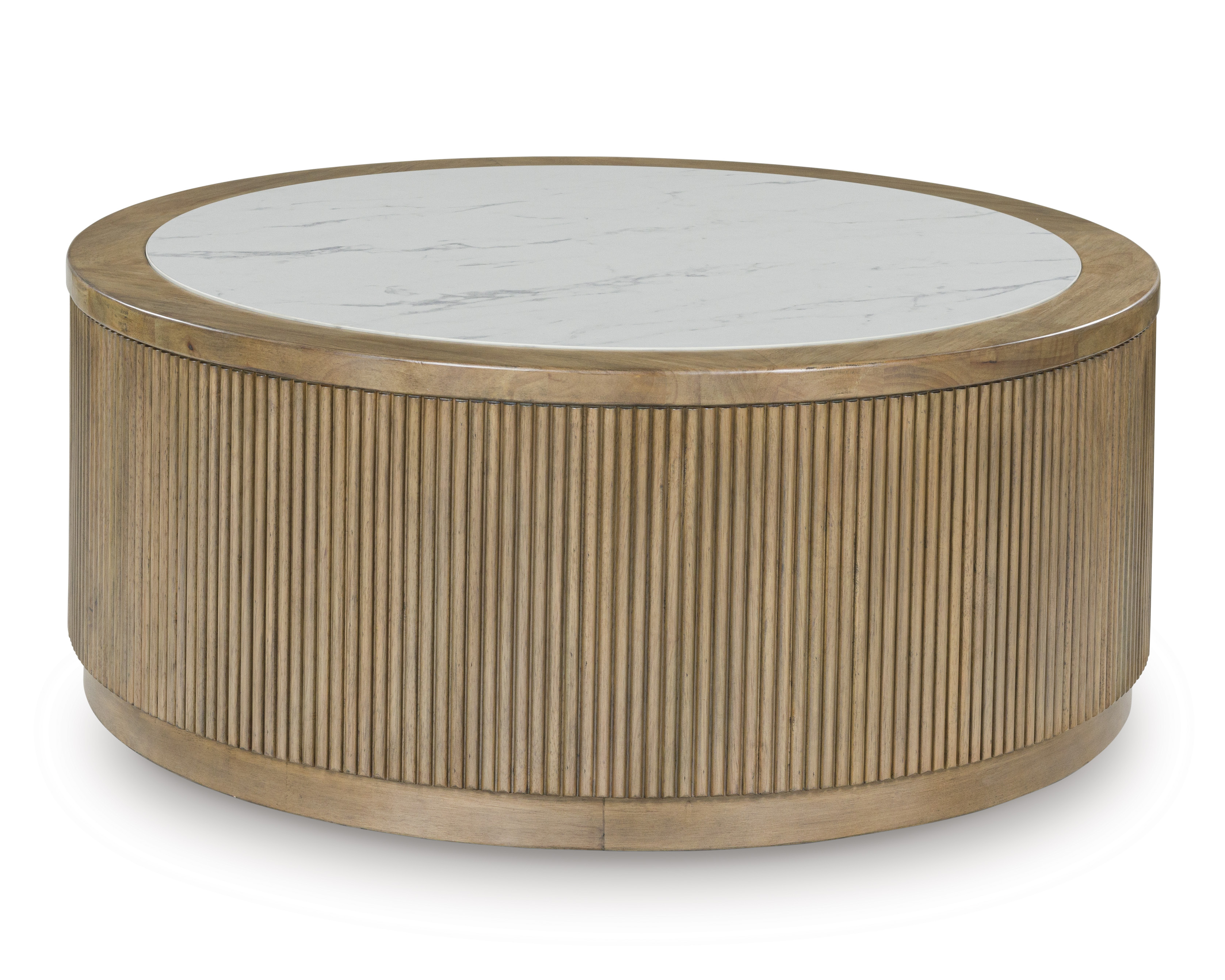
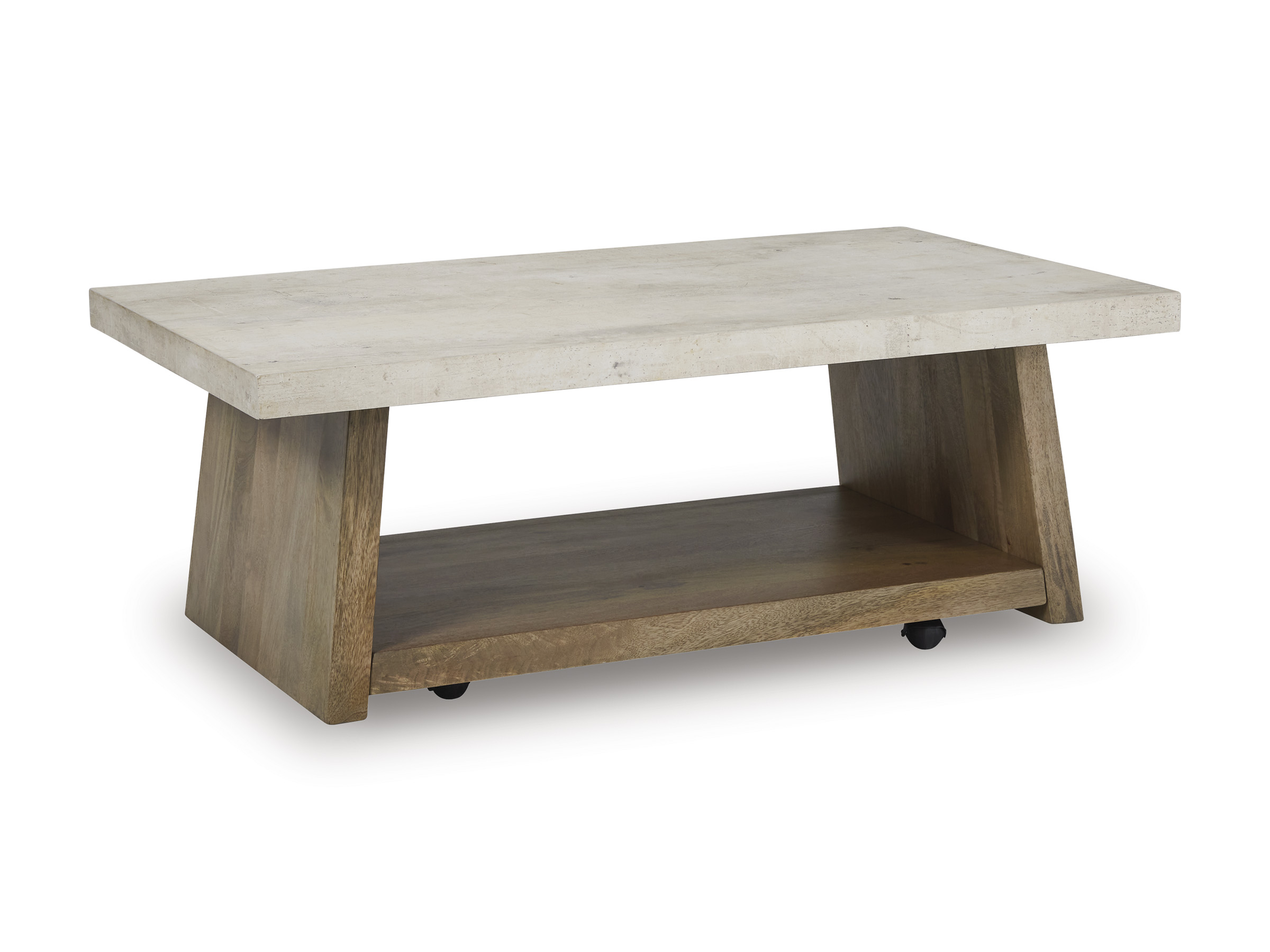
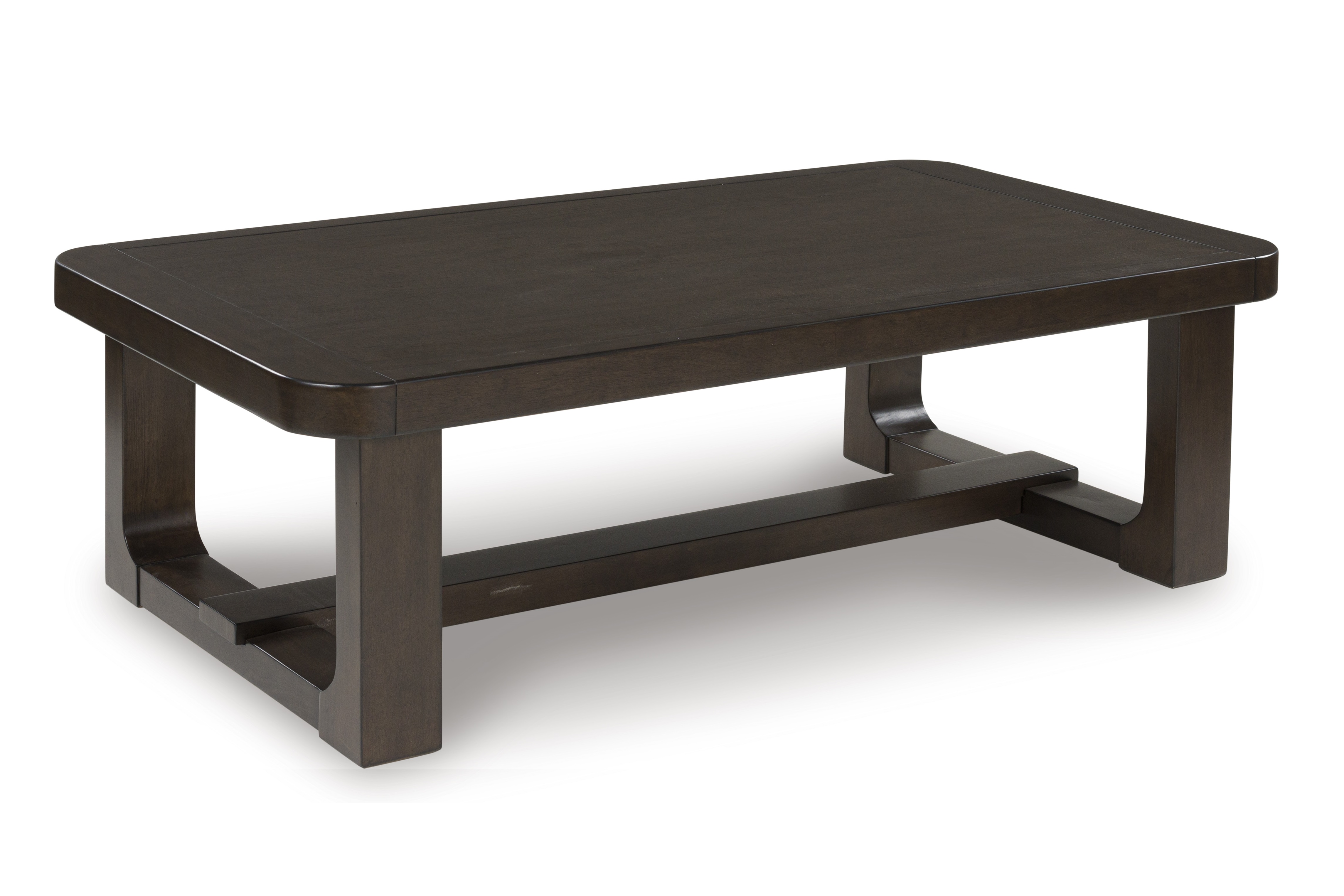
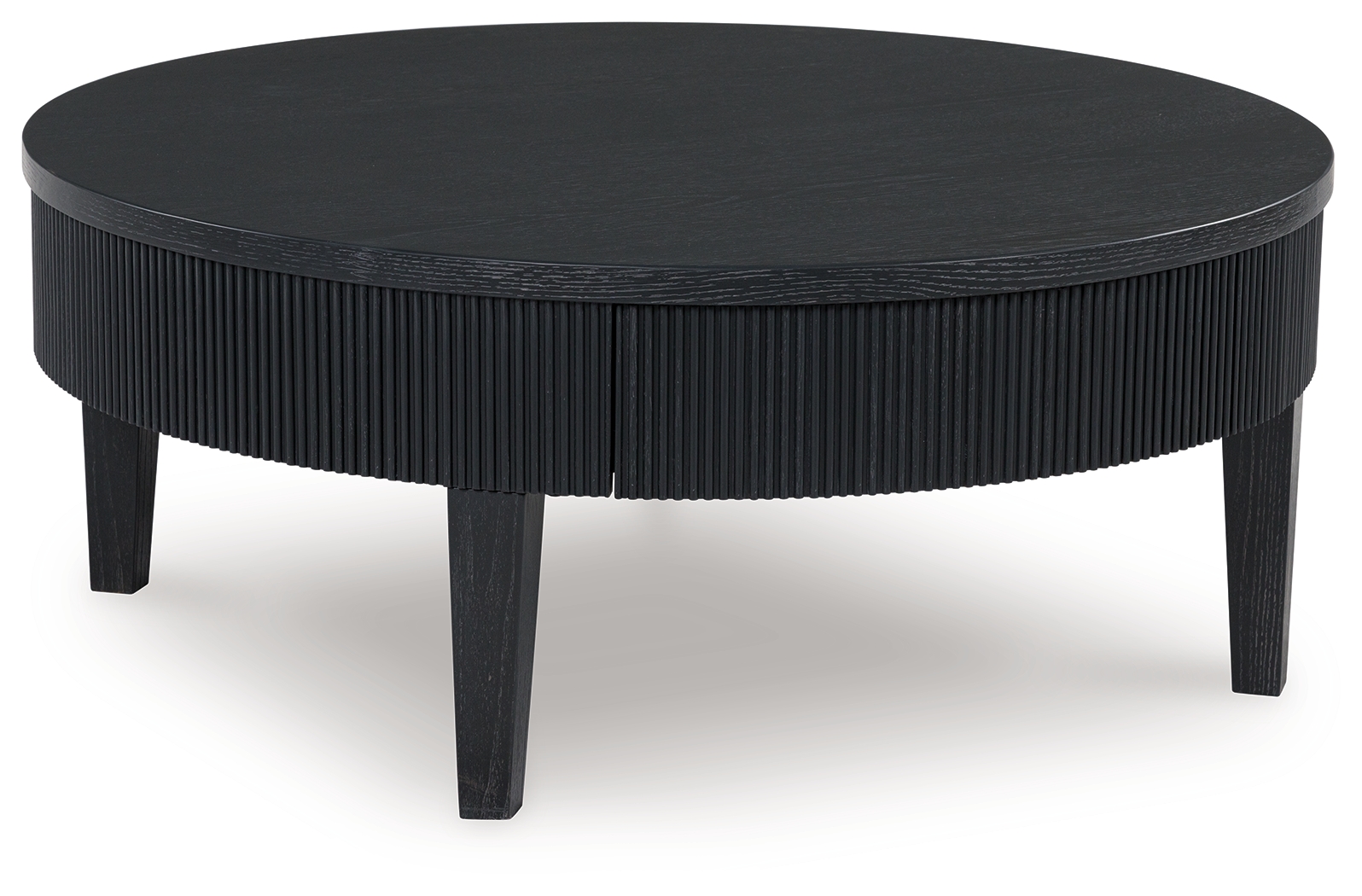
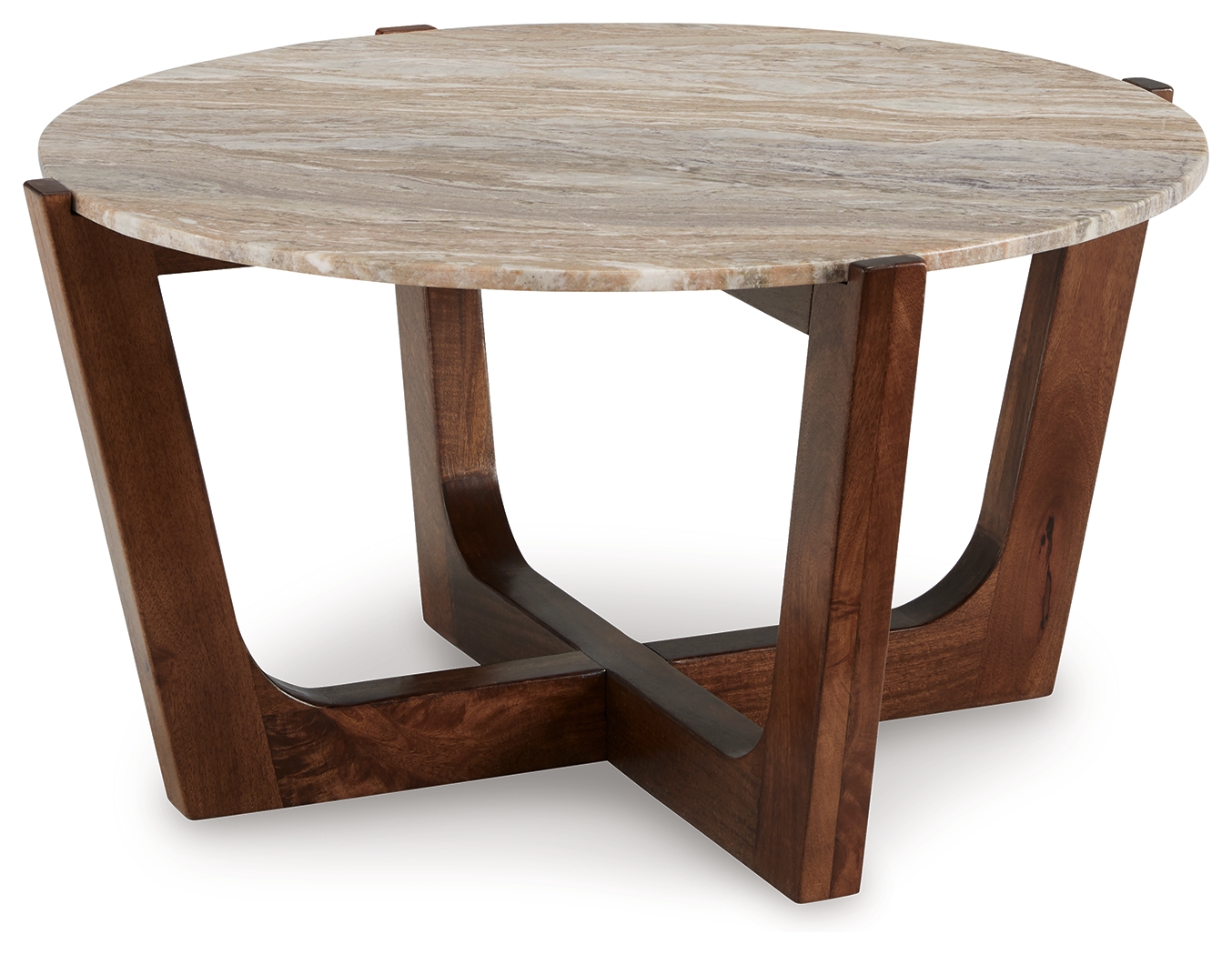
Modern coffee tables are defined by clean geometric forms, quality natural materials (walnut, marble, steel), the absence of decorative ornamentation, and a low profile that emphasizes horizontal space. The most characteristic forms are rectangular tables with tapered or hairpin legs and round pedestal tables.
What design characteristics define a modern coffee table?
Modern coffee table design follows the principle that form follows function: the shape is determined by use, and applied ornament is absent. Clean geometric outlines — straight edges, crisp corners, or perfectly circular forms — define the silhouette. Legs are either tapered (thin at the foot, thicker at the top), hairpin style (bent steel rod in an inverted V or Y shape), or waterfall edges (the tabletop material wraps continuously over the edge and down to the floor with no visible leg). Surface treatments emphasize the natural quality of the material — the grain of the walnut, the veining of the marble, the weave of the concrete texture — rather than applied finish or paint. Mixed-material construction, such as a walnut top on a steel frame, is common and reflects the modernist interest in combining natural and industrial materials.
What materials are most characteristic of modern coffee tables?
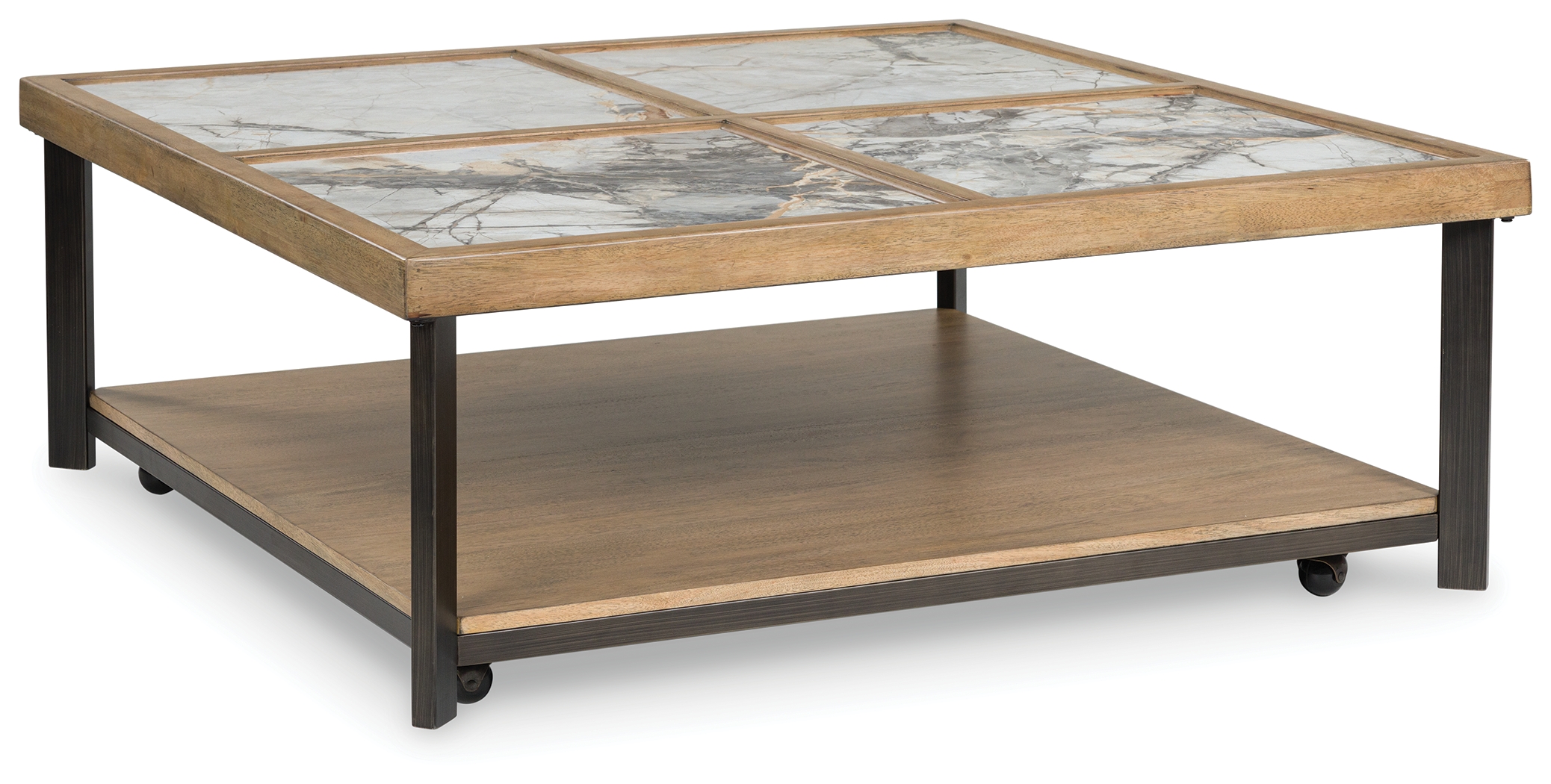
Solid walnut is the signature wood of mid-century modern design — warm chocolate-brown with straight or wavy grain, it provides warmth without heaviness. Teak and oak are also historically associated with modern furniture. Steel and iron frames in brushed, polished, or powder-coated finishes provide structural support with minimal visual mass, particularly in hairpin leg and geometric frame designs. Marble tops — Carrara white, gray Bardiglio, or black Nero Marquina — introduce natural pattern and luxury weight. Glass tops on metal or wood bases remain a standard modern configuration, particularly effective in smaller rooms where transparency is valued. Concrete tabletops appear in industrial-influenced modern rooms; they are heavy, require sealing, and suit spaces with other raw material accents. Acrylic tables are a more recent addition to the modern vocabulary — their visual transparency serves the same spatial function as glass.
How do you size a modern coffee table for your sofa?
The two-thirds rule applies: the coffee table length should be approximately two-thirds of the sofa's length. A 90-inch sofa is paired with a coffee table 55 to 60 inches long. Height is particularly important in modern design because modern sofas tend to have lower profiles (seat heights of 14 to 17 inches) than traditional or transitional sofas. A coffee table should be within 1 to 2 inches of the sofa seat height — in a modern room with a 15-inch seat height sofa, a 14 to 16 inch tall coffee table maintains the characteristic horizontal visual line. Clearance between sofa and table should be 14 to 18 inches. If the room has a sectional sofa, an oval or round table often works better than a rectangular one because it allows easier movement around the table from multiple seating positions.
What storage options are available in modern coffee tables?
The most common storage feature in modern coffee tables is an open lower shelf — a second tier at roughly half the height of the main top surface, used to store books, magazines, and remotes while keeping them accessible and visible. The lower shelf maintains the visual openness of the table because there are no solid cabinet fronts to block the sight line. Drawers are less common in strictly modern designs (they require hardware and a box construction that adds visual mass) but appear frequently in transitional modern tables. Lift-top coffee tables, where the tabletop surface raises to a working height, are a contemporary functional addition that aligns with the modern design preference for furniture that serves a direct purpose. Avoid tables with elaborate visible hardware — knobs, decorative pulls — as these conflict with the clean-line aesthetic.