
 1-877-718-CLASSY (2527)
Modern Living Room Furniture
Modern living room furniture refers to the design movement of the early-to-mid 20th century: clean lines, no applied ornamentation, natural materials (walnut, leather, wool), and the principle that form follows function. It is a specific historical style, not a synonym for "new" or "contemporary."
What are the design principles of modern living room furniture?
The foundational principle of modernist design is "form follows function" — the shape of a piece should be determined by its purpose, not by decorative convention. Applied ornament (carved moldings, turned legs, decorative hardware) is absent from authentic modern design. Instead, visual interest comes from the quality and grain of the material itself, the precision of the joinery, and the elegance of the proportions. Modern living room pieces are typically low to the ground — low-slung sofas, low coffee tables, and low sideboards create a horizontal visual line that emphasizes open space. Natural materials coexist with early industrial materials: walnut frames with molded fiberglass shells, leather upholstery on steel frames, wool rugs beneath wood tables.
What are the key modern living room pieces?
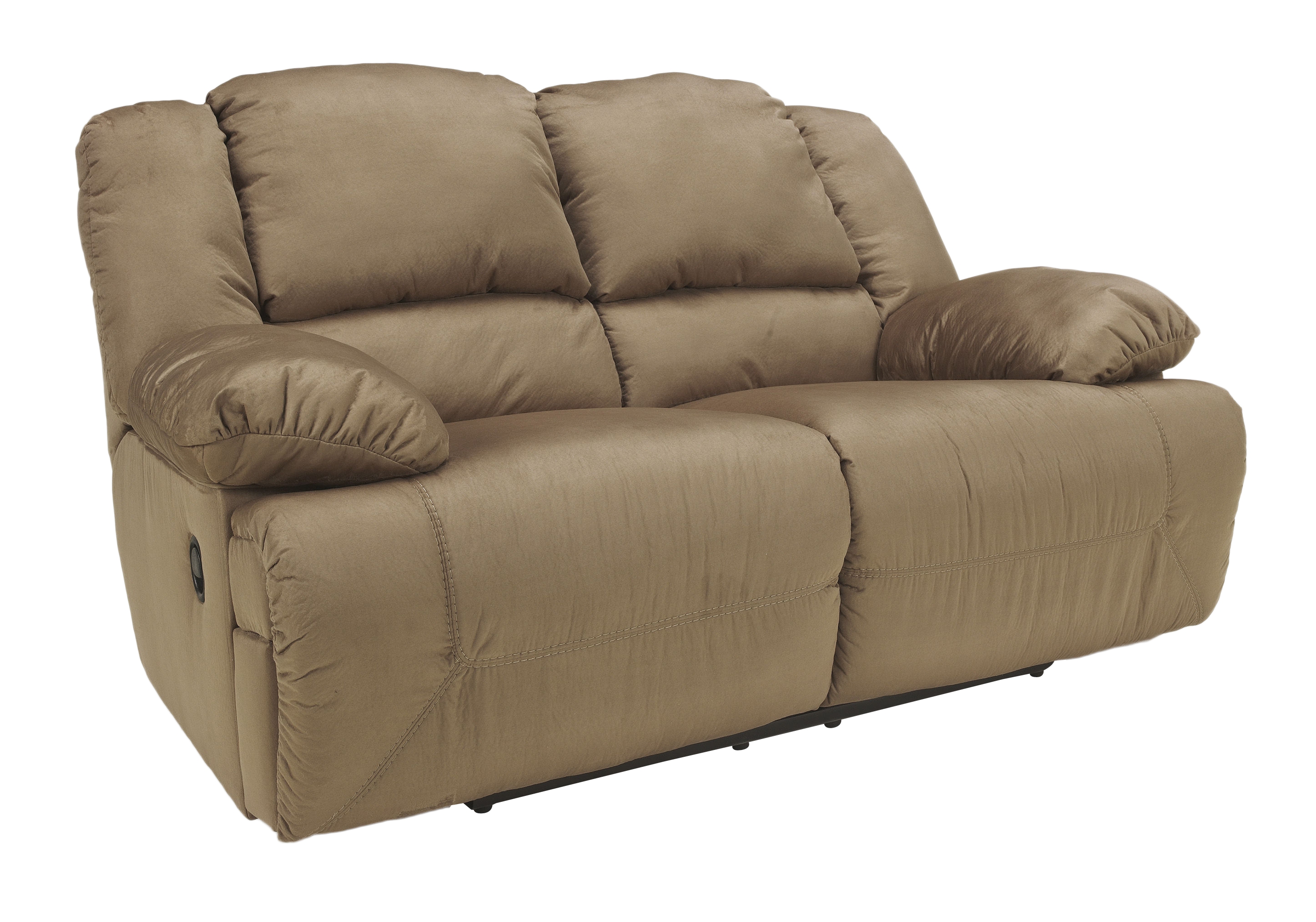
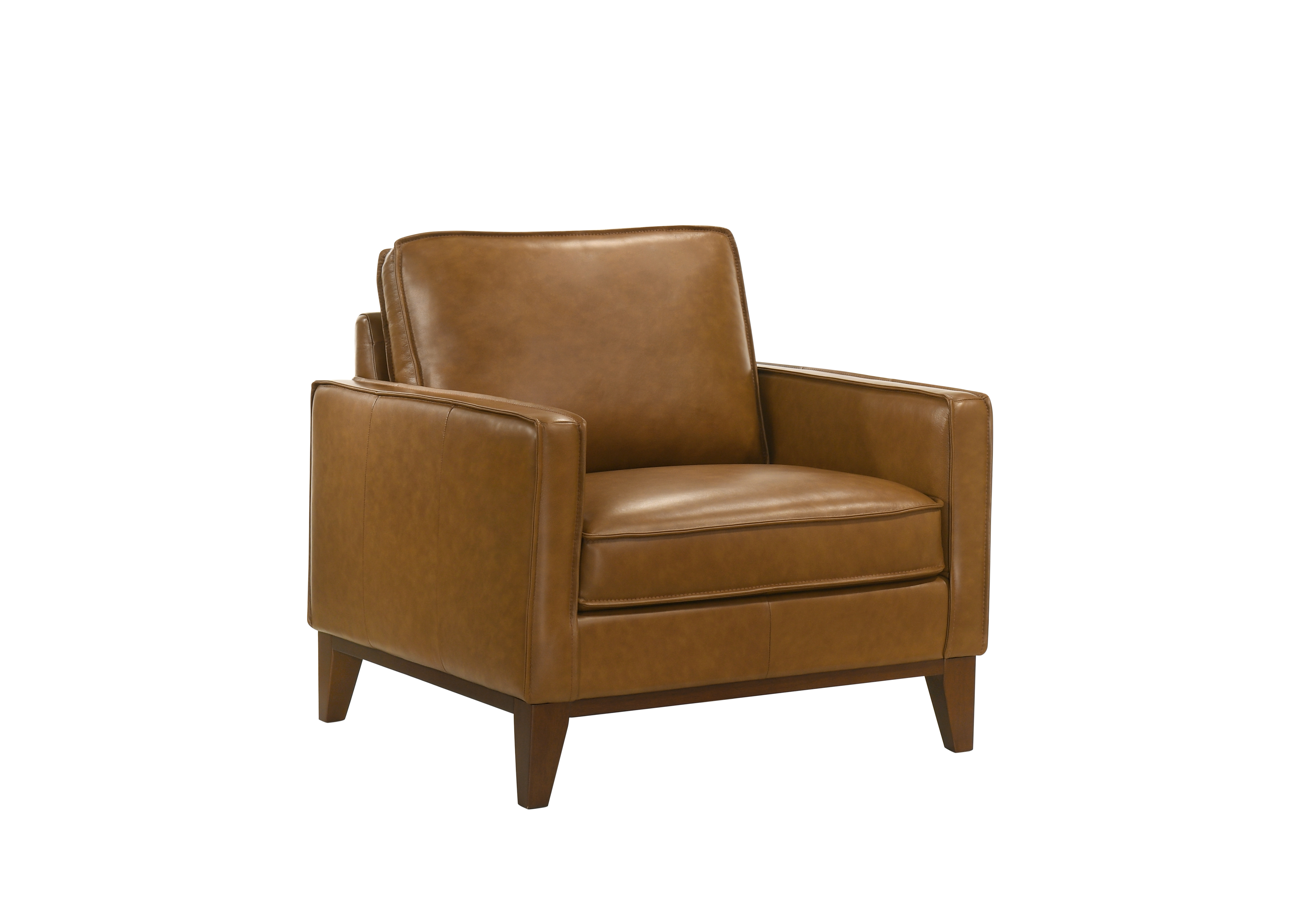
The sofa in a modern living room is typically low-profile (seat height 14 to 17 inches) with straight or gently tapered arms, tight cushioning or minimal padding, and upholstery in leather, wool, or linen. The coffee table is commonly made in solid walnut with tapered or hairpin legs, or a glass top on a steel frame. Barcelona-style lounge chairs — low, wide chairs with a crossed steel frame and leather cushions — are one of the most recognizable modern accent chair types. Area rugs in the modern tradition tend toward geometric patterns, abstract designs, or solid bold colors rather than traditional floral or Persian motifs. Low sideboards and credenzas (typically 24 to 30 inches tall on tapered legs) provide storage while maintaining the horizontal emphasis that characterizes modern interiors.
How do you achieve a modern living room without it feeling cold?
The coldness commonly associated with modern rooms comes from an over-reliance on hard materials — bare concrete, chrome, and white walls — without sufficient natural texture or warmth. Counter this by anchoring the room with warm wood: a walnut coffee table or teak sideboard introduces warmth that holds through the entire space. Choose upholstery in warm-toned fabrics — camel leather, rust linen, warm charcoal wool — rather than stark white or cool gray. Layer a wool or wool-blend area rug under the seating group; the texture and natural material absorb sound and add physical warmth. Add live plants — a large fiddle-leaf fig or a cluster of smaller plants in simple ceramic pots bridges the natural and architectural qualities of a modern room effectively. Use lighting in the 2700K to 3000K color temperature range, which renders warm amber light rather than cool blue-white.
What color palettes work in modern living rooms?
The classic modern palette centers on warm neutrals — off-white walls, walnut wood tones, and leather or wool upholstery in camel, rust, or warm charcoal. Accent colors in original mid-century modern design included bold primaries (orange, mustard yellow, avocado green) used in small doses — a single accent chair or a piece of artwork — against an otherwise restrained palette. Contemporary interpretations of modern style tend toward more muted versions of those same hues: terracotta rather than orange, olive rather than avocado, warm ochre rather than bright yellow. White walls with walnut furniture is a timeless modern combination that remains highly functional because the contrast prevents the room from reading as heavy.