
 1-877-718-CLASSY (2527)
Modern Bedroom Furniture
Modern bedroom furniture refers to the design language of the modernist movement (roughly 1920–1970), characterized by platform beds, flat slab drawer fronts, tapered legs, walnut or teak finishes, and no applied ornament. It is a historical style, not a synonym for "current."
What defines the modern bedroom furniture style?
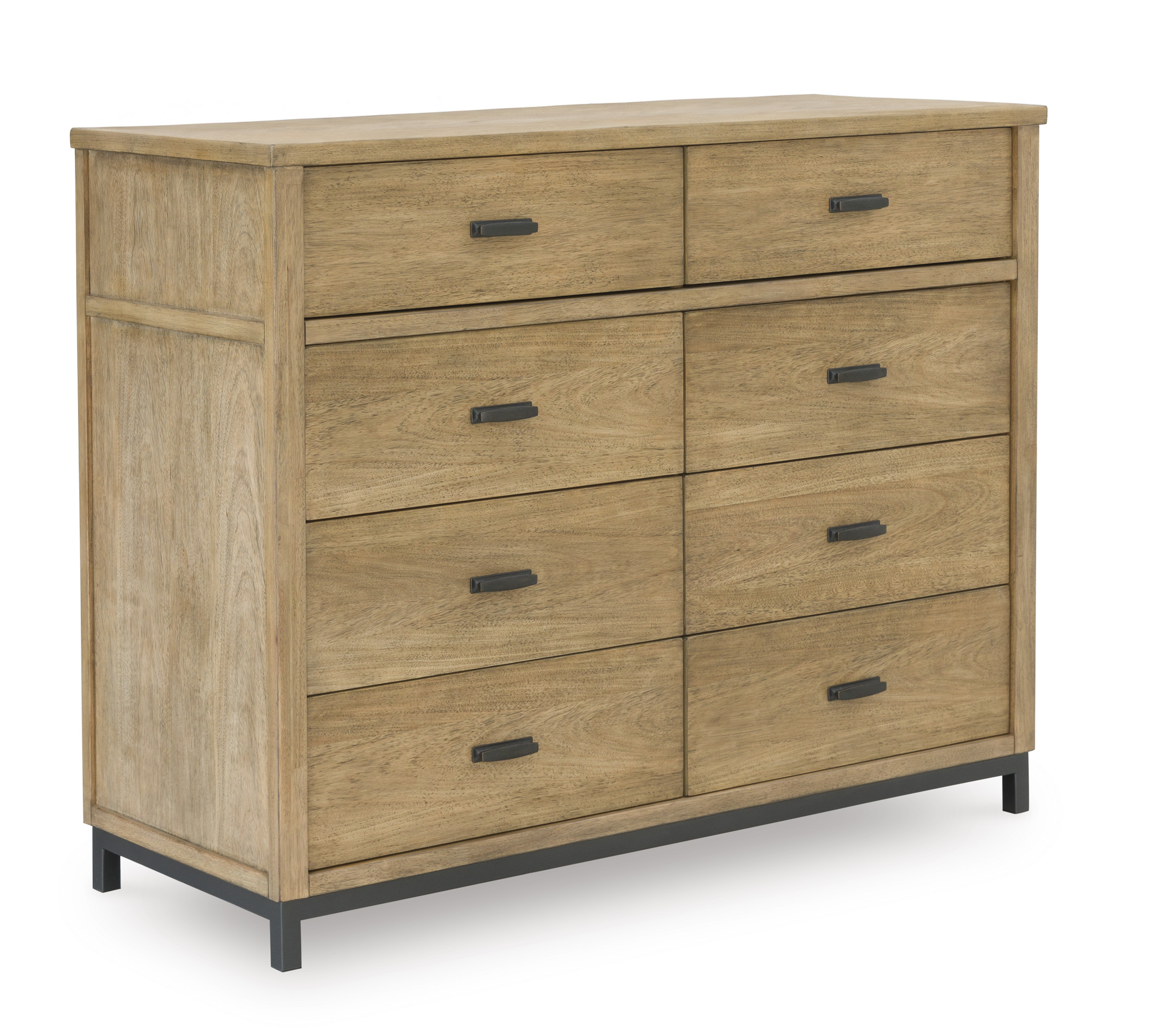
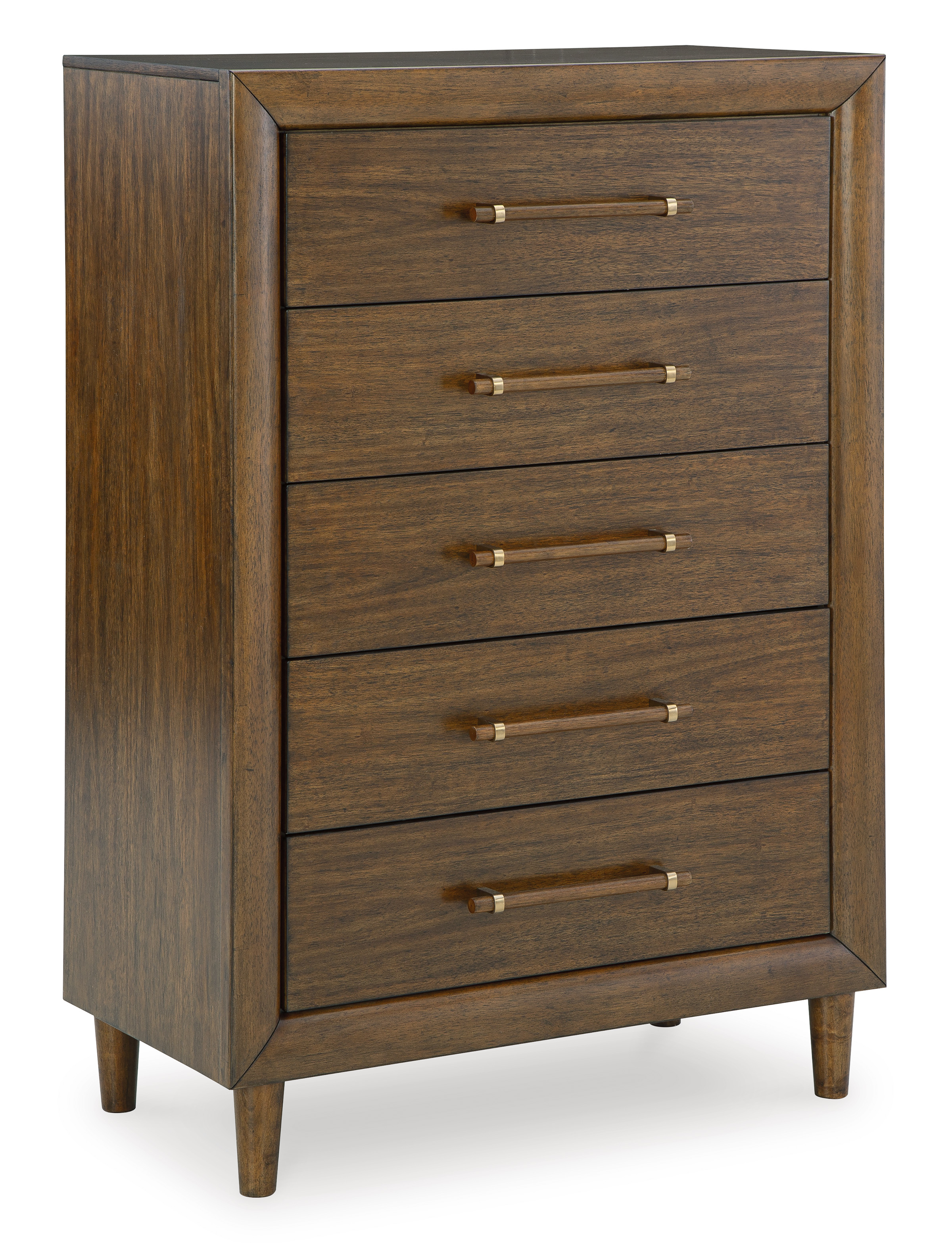
Modernist design emerged from the principle that form follows function — every design element should serve a purpose, and decoration for its own sake is waste. Applied to bedroom furniture, this means: bed frames are low, close to the floor, with simple geometric headboards or no headboard at all. Drawer fronts on dressers and nightstands are flush flat slabs without routing, bead molding, or raised panels. Hardware, when present, is reduced to simple cylindrical or bar pulls in chrome or brushed steel; many modernist pieces use push-to-open mechanisms to eliminate hardware entirely. Legs are tapered — either solid wood splayed slightly outward or thin metal hairpin legs — which visually lift the piece off the floor and contribute to the characteristic lightness of the style. The overall impression is of geometry and precision rather than warmth or decoration.
What materials are used in modern bedroom furniture?
Walnut is the most iconic wood of American mid-century modern furniture; its naturally dark, figured grain is visually complete without additional stain or heavy finish. Teak dominated Scandinavian modern production through the 1950s and 1960s because of its dimensional stability and warm tone; genuine teak is now expensive and largely replaced by teak-look veneers in current production. Woven cane was used extensively for headboards, drawer fronts, and chair backs in both American and European modern design. Bent plywood and molded fiberglass appeared in seat furniture (particularly Charles and Ray Eames designs); in bedroom furniture, plywood is more commonly used as a structural substrate with a walnut veneer face. Tubular steel frames — often in chrome or powder-coated black — are common in modern bed frames and nightstand bases.
How do you build a cohesive modern bedroom?
The defining discipline of a modern bedroom is editing. Start by clearing the room to its essentials: bed, two nightstands, and a dresser or chest. Every additional piece — bench, chair, desk — must earn its place by serving a clear function. Select a platform bed with a simple upholstered or wood panel headboard; avoid anything with curved silhouettes, carved detail, or heavy footboards. Keep the wall color simple: warm white, off-white, or a single muted accent wall. Limit the material palette to two woods and one metal tone — walnut with chrome, or oak with matte black, for example. Introduce texture through bedding (linen, wool, woven cotton) rather than through additional decorative objects. Leave empty space on nightstand surfaces and dresser tops — negative space is a design element, not a failure to decorate.
What are common modern bedroom layouts?
The typical modern bedroom layout centers the bed on the longest uninterrupted wall, with equal nightstand clearance on each side — 24 to 30 inches of walking space from the bed edge to adjacent furniture. The dresser is positioned on the opposite wall or on an adjacent wall, not flanking the bed (which is a more traditional arrangement). A low-profile platform bed in a modern room benefits from extra ceiling height — the contrast between the low furniture and the tall wall reads as intentional architecture rather than undersized furniture. In smaller rooms, a wall-mounted nightstand (floating shelf with a drawer) preserves floor space and reinforces the clean, pared-down quality of the style.