
 1-877-718-CLASSY (2527)
Wood Bedroom Furniture
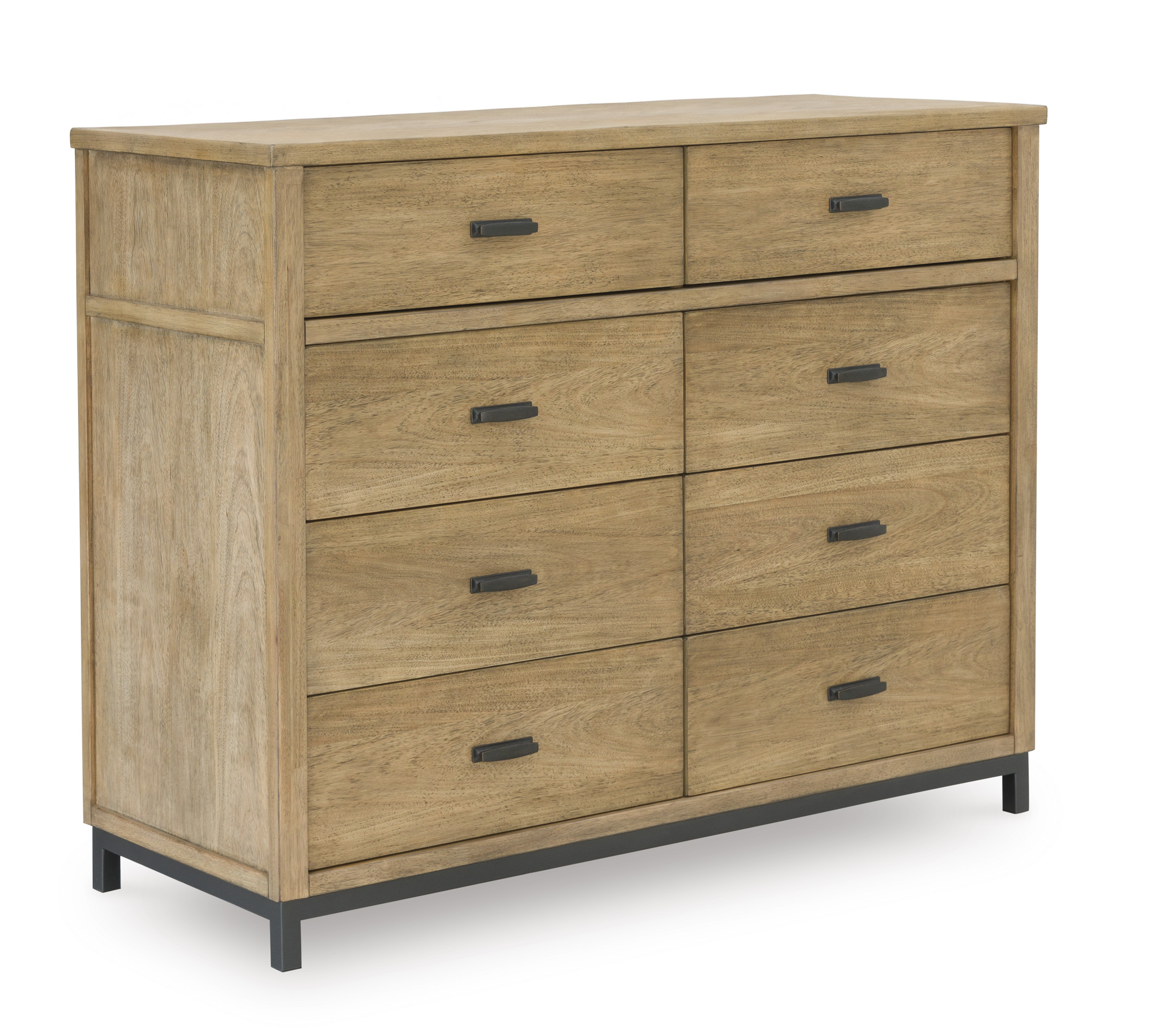
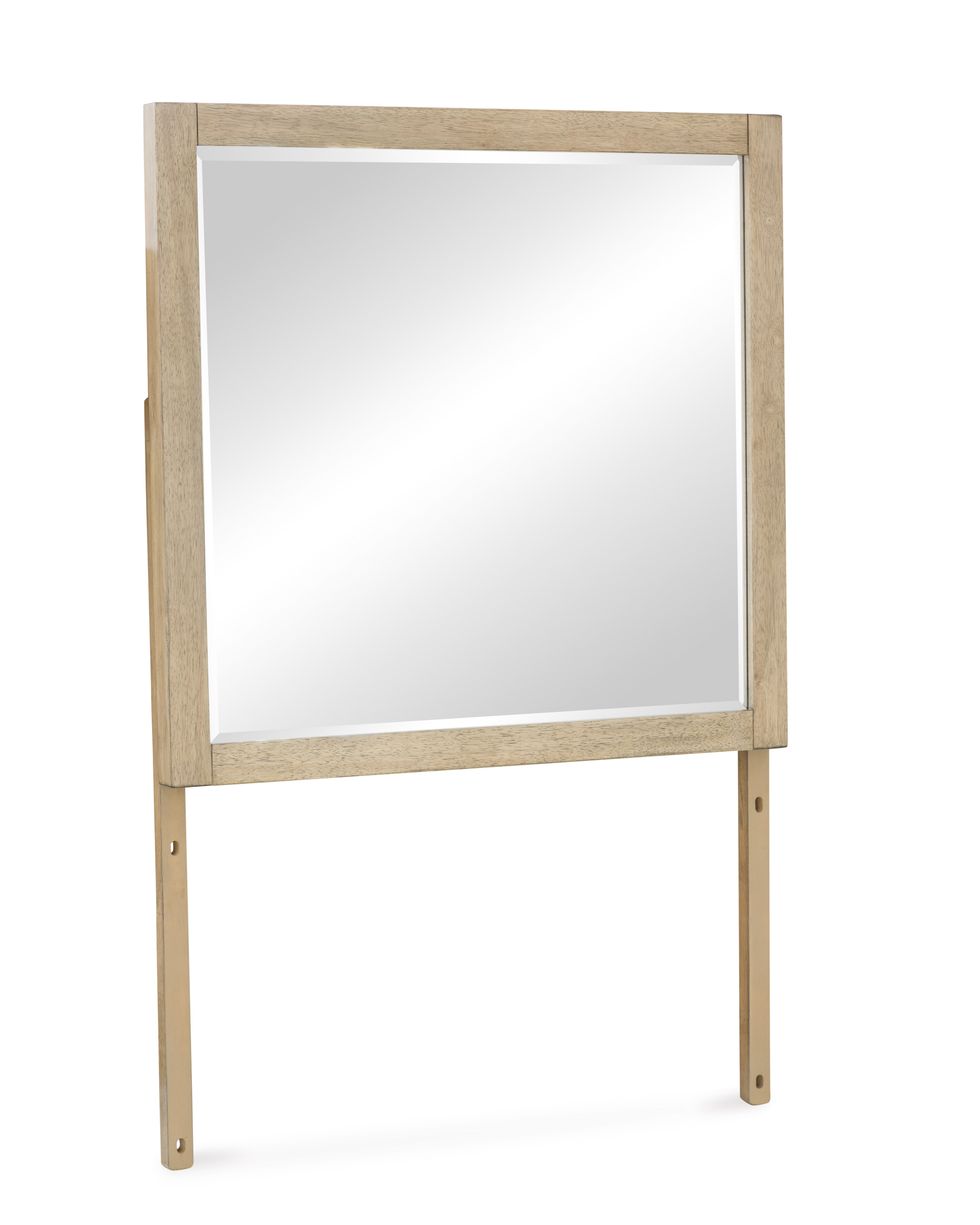
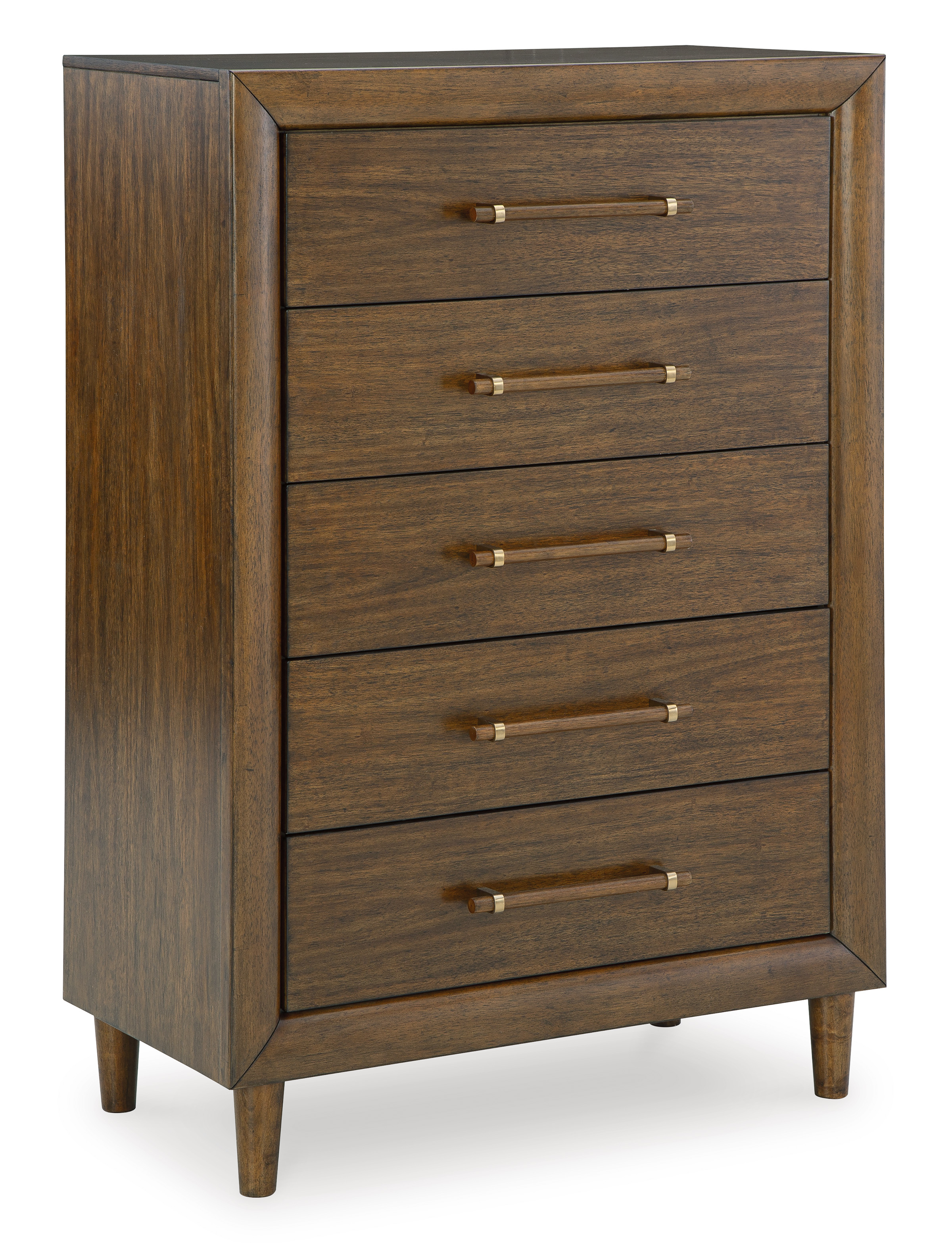
Wood bedroom furniture spans a wide range of species — each with distinct hardness, grain, and color — as well as construction types from solid hardwood to veneered plywood to engineered wood. The right choice depends on the style, durability needs, and finish preference of the buyer.
What are the main wood species used in bedroom furniture?
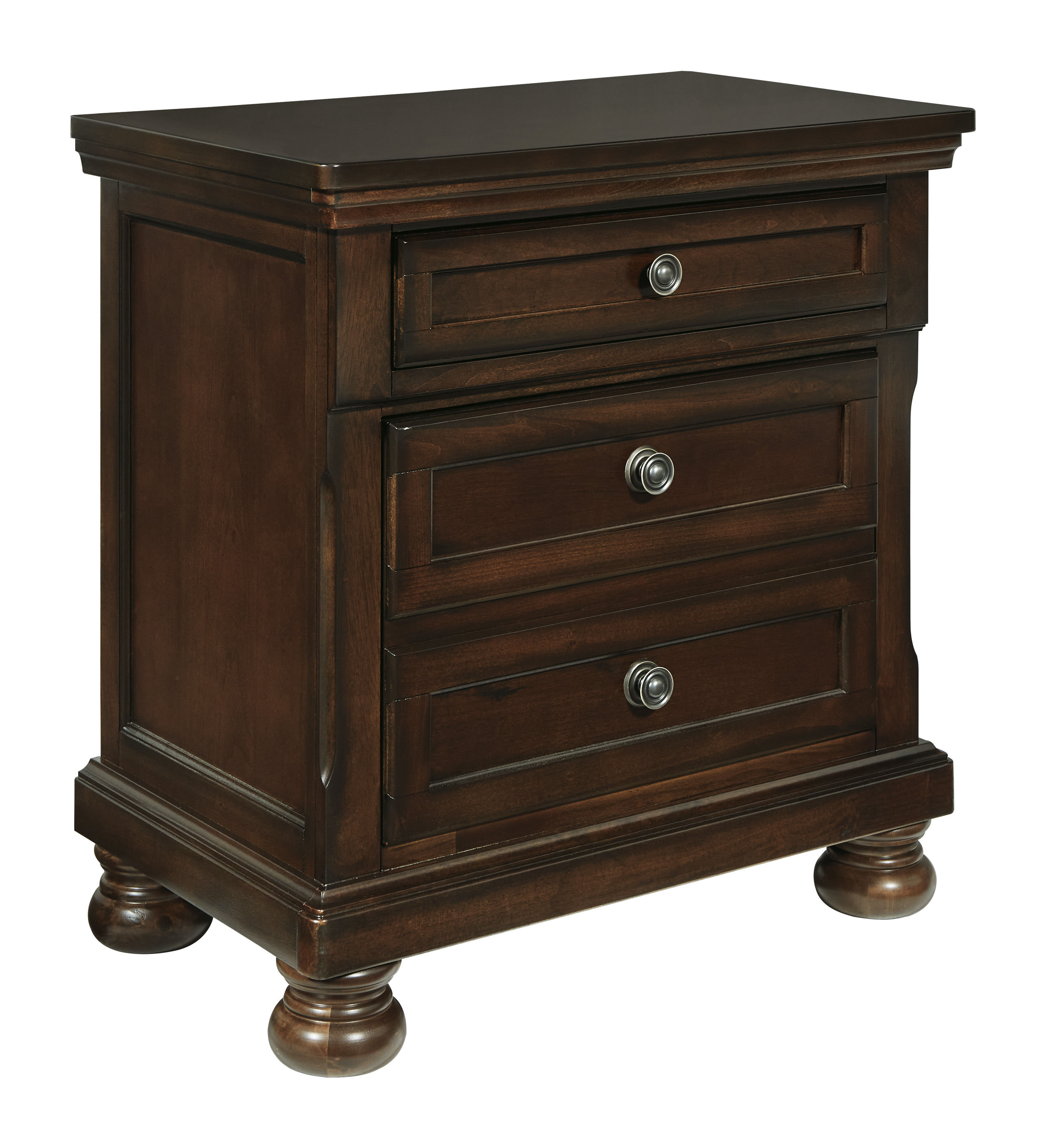
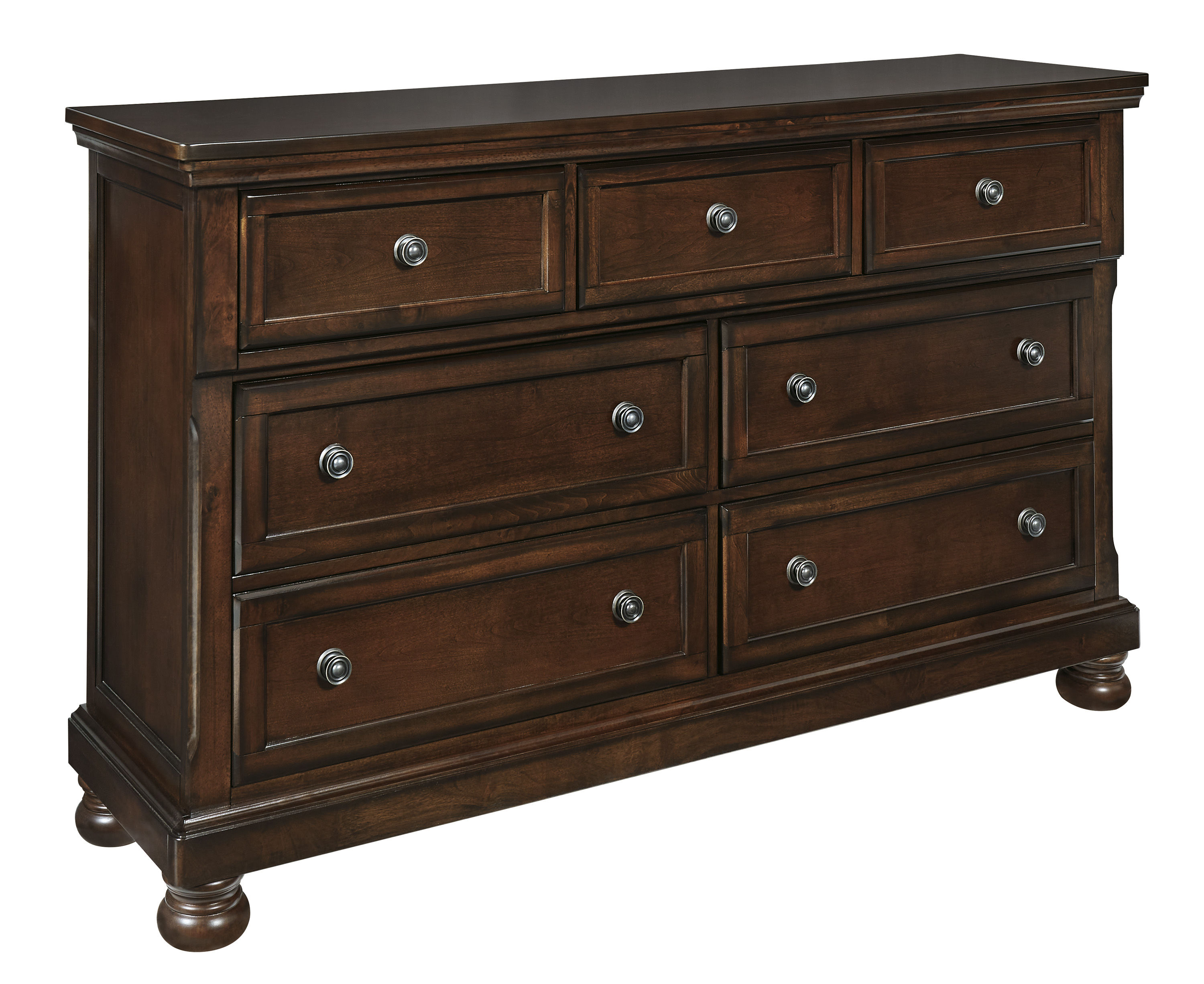
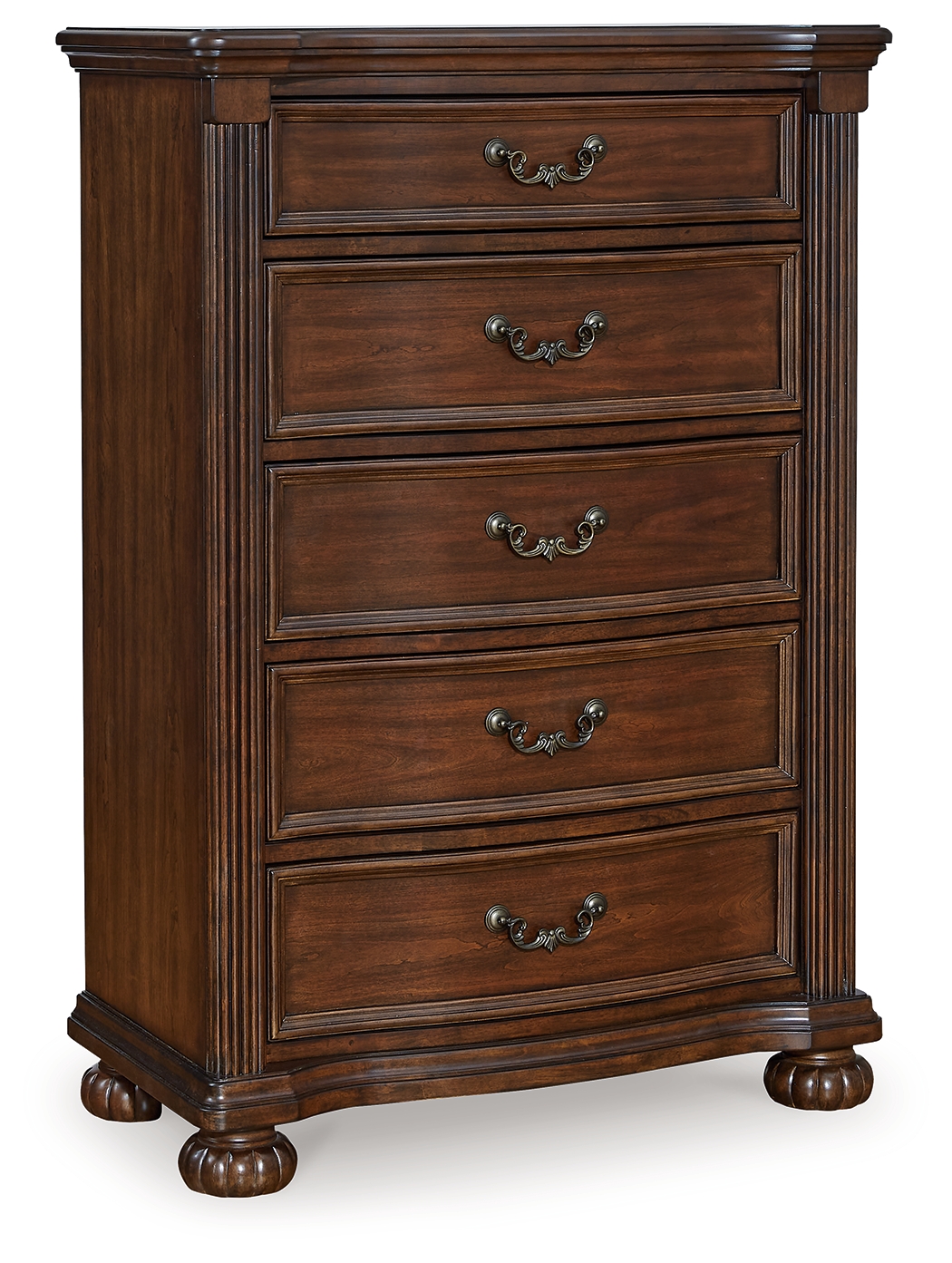
Oak (red and white) is one of the most widely used domestic hardwoods in American bedroom furniture. It has a prominent open grain, a Janka hardness of approximately 1290 (red oak) to 1360 (white oak), and takes both stain and natural finishes cleanly. It is available in a wide range from light natural to dark espresso. Walnut (American black walnut) has a naturally dark chocolate-brown color with occasional figure and curl in the grain, a Janka hardness of approximately 1010, and a fine texture that looks rich with a clear finish requiring no stain. Cherry (American black cherry) rates approximately 950 on the Janka scale, has a fine straight grain, a natural pinkish-tan color that deepens to reddish-amber over years of light exposure, and a natural luster. Maple (hard maple) is among the hardest common furniture woods at approximately 1450 Janka; it has a fine, uniform grain and a light creamy-white tone that is often left natural or lightly stained. Pine (eastern white, ponderosa) is significantly softer (~380–870 Janka depending on species) and more affordable, suited to country, farmhouse, and cottage bedroom styles where a less formal, more rustic character is desired.
How does solid wood compare to engineered wood and veneer?
Solid wood construction uses lumber throughout — case sides, drawer faces, structural frames, and panels are all cut from actual wood. The advantages are refinishability, excellent fastener retention, and the ability to be repaired by standard woodworking. The disadvantages are cost, weight, and susceptibility to seasonal movement — solid wood panels must be allowed to expand and contract with humidity changes, which quality furniture accommodates through floating panel construction. Veneer uses a thin slice of quality wood (typically 1/28 to 1/40 of an inch) applied over a substrate. When the substrate is plywood, veneered construction is dimensionally superior to solid wood for large flat panels and is used extensively in high-quality furniture. When the substrate is MDF or particleboard, the result is visually similar on the surface but structurally weaker. Engineered wood (MDF, particleboard) takes paint and thermofoil finishes cleanly but does not hold screws well when refastened and is highly vulnerable to water damage; it is appropriate for low-stress painted components but not for structural elements.
How does wood finish affect the appearance of bedroom furniture?
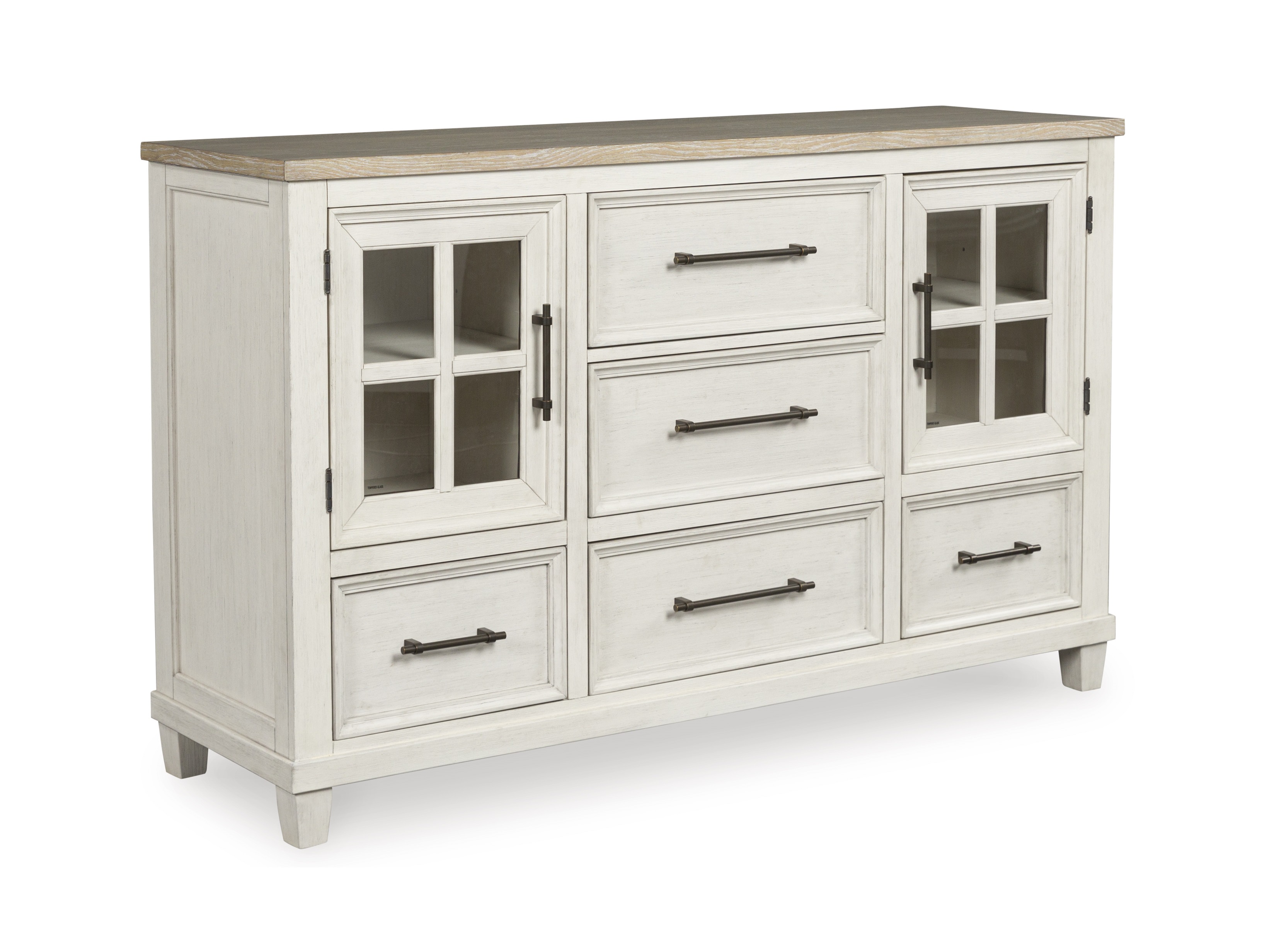
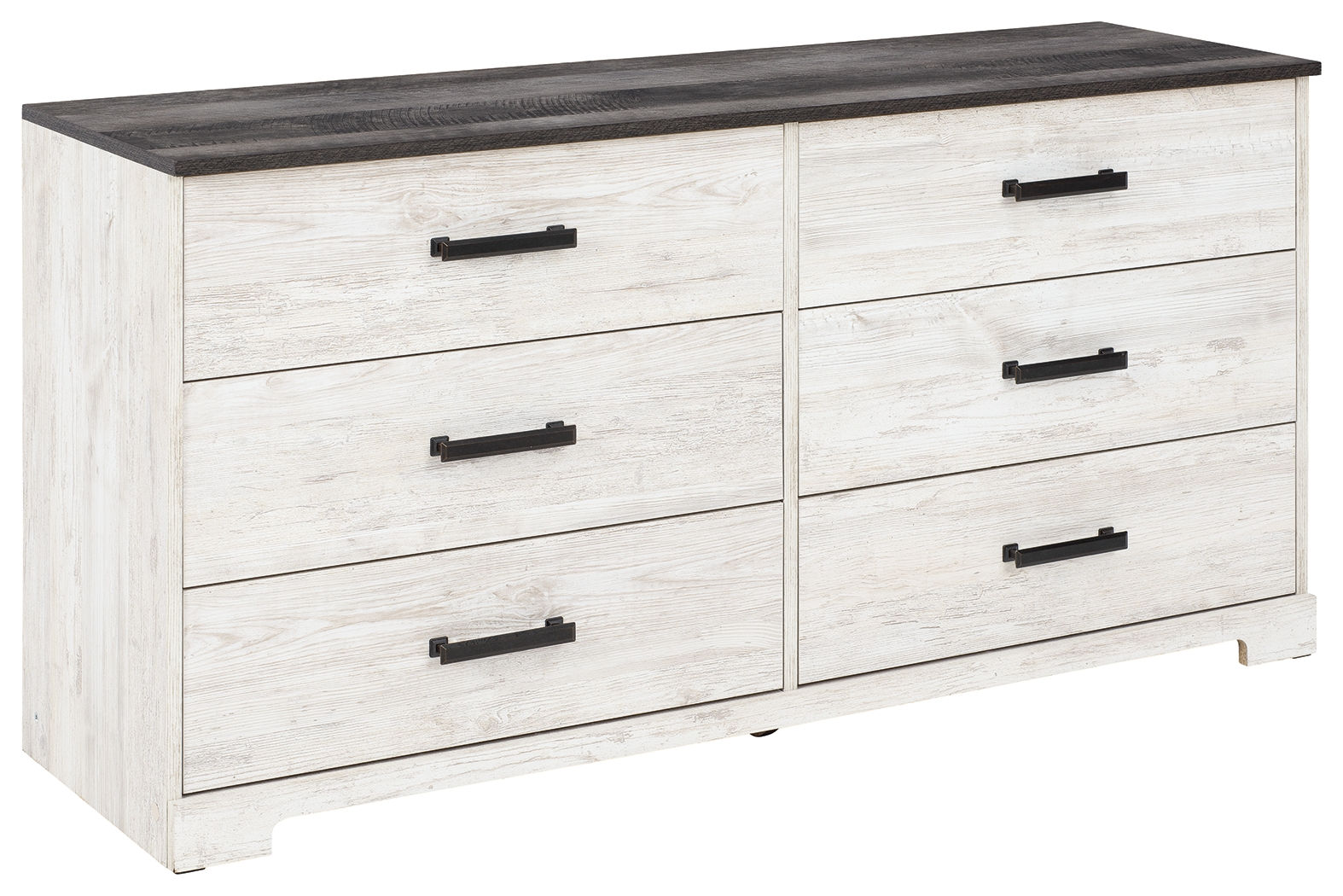
Stain penetrates the wood surface and alters its color while the natural grain remains fully visible. A light stain on oak shows the full grain pattern in a new tone; a dark espresso stain on oak produces a deep color while the grain remains readable beneath it. Lacquer is applied as a topcoat over stained or natural wood and provides a harder, more moisture-resistant surface; gloss lacquer produces a reflective sheen while satin and matte lacquer finishes appear flat and contemporary. Oil finishes (Danish oil, tung oil, hardwax oil) penetrate the wood and harden within the grain rather than forming a surface film — the result is a natural, low-luster appearance that feels like wood rather than a plastic coating. Oil-finished furniture requires periodic re-oiling but is easier to repair locally than lacquered furniture. Painted finishes on wood furniture (common in French Provincial, Shaker, and cottage styles) obscure the grain entirely and are available in any color; quality painted furniture uses hardwood or MDF substrates with multiple coats and a clear topcoat for durability.
How do you match or mix wood tones across bedroom furniture pieces?
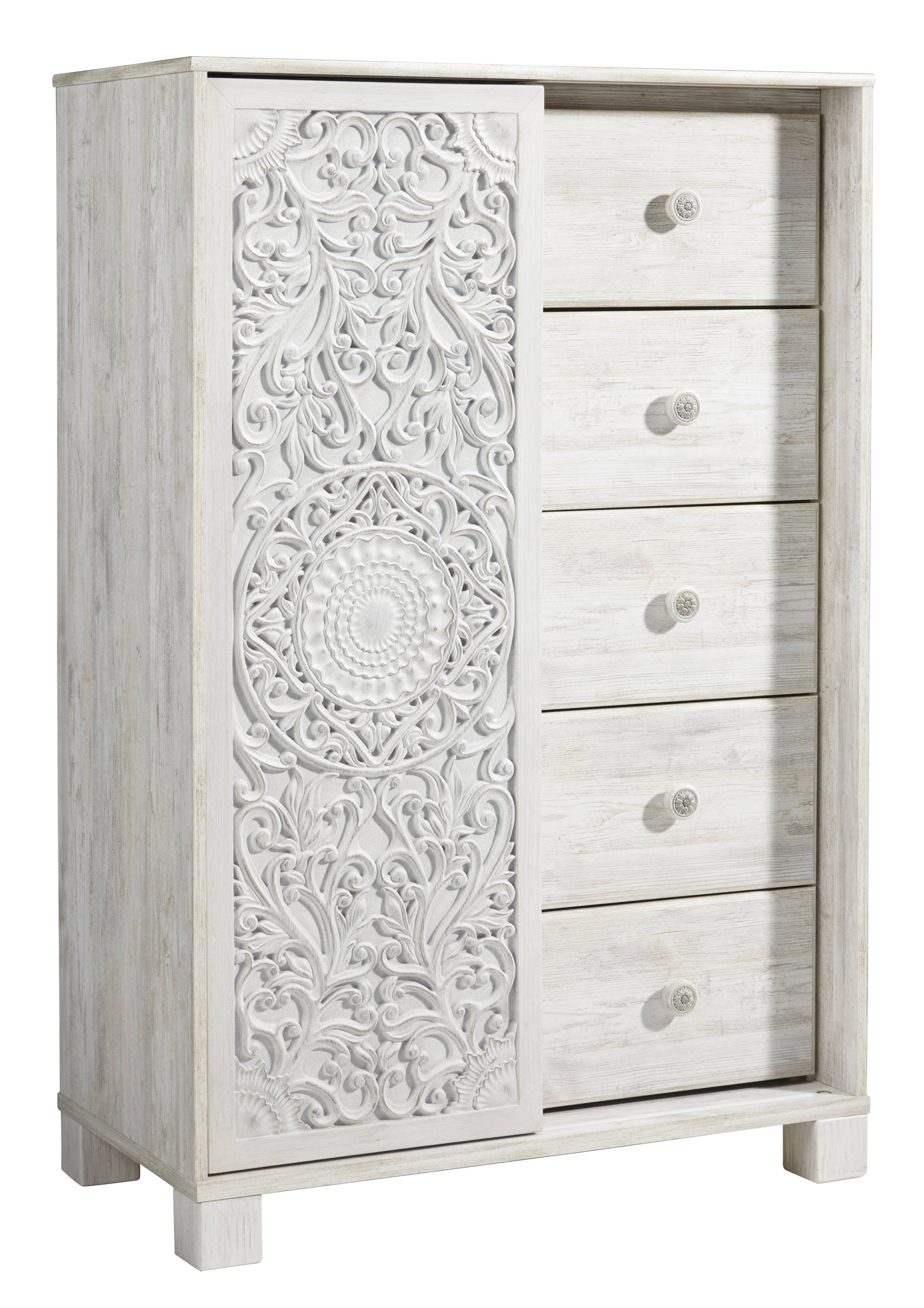
Matching wood tones precisely across pieces purchased at different times is difficult because finish batch variation, aging, and light exposure all shift the appearance of wood over time. The more practical approach is to work within a warm or cool family: warm-toned woods (natural walnut, cherry, honey oak, warm brown stain) pair harmoniously because they share undertones. Cool-toned woods (gray-washed oak, whitewashed pine, cool-stained maple) similarly read as a family. The challenge is the ambiguous middle — a piece that is neither clearly warm nor clearly cool, which reads as mismatched against both warm and cool companions. When intentionally mixing tones, differentiate them clearly: a natural walnut bed with a white-painted dresser reads as a deliberate two-tone palette, while a walnut bed with a reddish-brown stained oak dresser reads as an accidental near-miss.