
 1-877-718-CLASSY (2527)
Unique Bedroom Furniture
Unique bedroom furniture is distinguished by unusual materials, artisan or limited production, unexpected scale or silhouette, or genuine provenance — qualities that mass production cannot replicate. The most successful approach is to anchor the room with one truly distinctive piece and support it with simpler, complementary furniture.
What makes bedroom furniture unique?
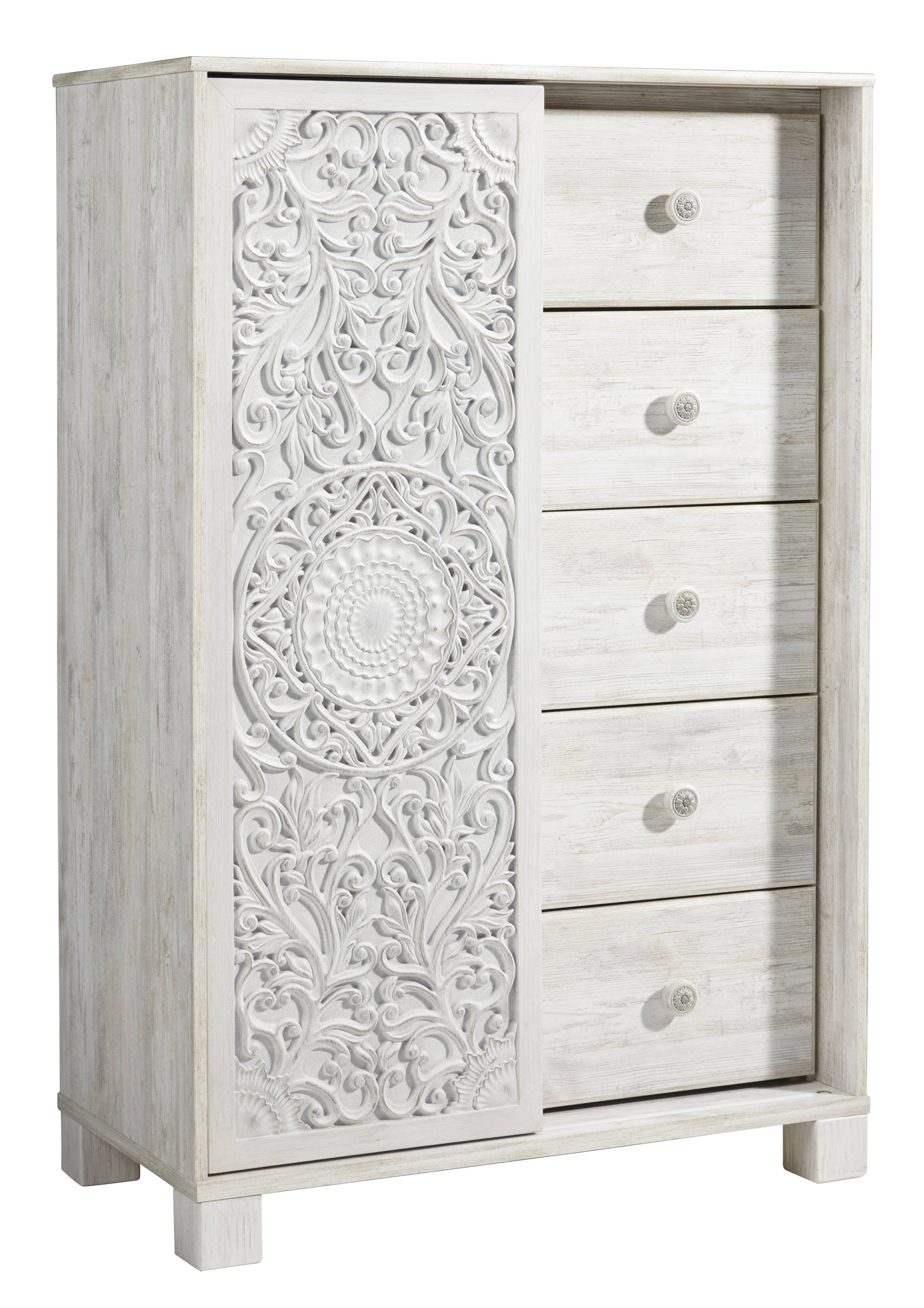
Uniqueness in bedroom furniture comes from several non-overlapping sources. Material rarity: reclaimed lumber from a specific building, a slab from a burl walnut that cannot be replicated, hand-wrought iron formed by a blacksmith's judgment rather than a die. Artisan construction: a nightstand with hand-cut joinery, a headboard upholstered in a hand-woven textile, a dresser with hand-painted decorative panels. Limited production: small-batch designers who make 20 or 50 of a design rather than thousands. Historical provenance: a genuine 1930s Art Deco vanity or a 1960s Danish Modern teak dresser carries specificity of place and time that current reproduction cannot replicate. Unexpected form: a bed frame with an asymmetric headboard, a dresser where each drawer face is a different size, a nightstand suspended from a wall bracket in an unusual geometric form.
Where do you find genuinely distinctive bedroom furniture?
Boutique furniture retailers that partner with independent or regional makers carry pieces not distributed nationally. Online platforms aggregating small-scale furniture designers allow direct access to limited-run pieces that would previously require knowing the right designer personally. Antique dealers and estate sales are the most reliable source for pieces with genuine historical uniqueness — particularly for mid-century modern, Art Deco, Arts and Crafts, and Victorian furniture that has survived in good condition. Architectural salvage dealers occasionally have unusual architectural elements — carved wood panels, old-growth lumber, industrial hardware — that can be incorporated into custom furniture. Independent furniture makers who work on commission allow you to specify every dimension, material, and finish detail, producing a piece that exists in exactly one bedroom.
How do you mix distinctive pieces without the room looking mismatched?
The difference between an intentionally eclectic bedroom and a mismatched one is the presence of a unifying thread. Choose one element that runs through all the furniture: a consistent wood tone (all warm, or all cool), a repeated metal finish (brass hardware on multiple pieces, for example), a shared design era (all furniture from the mid-century period, regardless of country of origin), or a consistent color family. Scale is equally important — a delicate antique nightstand next to a massive contemporary platform bed looks accidental, while two differently styled pieces of comparable visual weight read as collected. Bedding in a simple, neutral palette serves as a visual bridge across pieces that otherwise differ significantly in style.
How do you mix style eras intentionally in a bedroom?
Identify the dominant style and let supporting pieces defer to it. If the bed is a traditional carved mahogany sleigh bed, the dresser can be a transitional or simplified traditional piece without competing — but a strictly minimalist contemporary dresser will read as a collision. Conversely, if the anchor is a mid-century platform bed in walnut, a pair of vintage rattan nightstands works because both share the post-war American design sensibility, while a Victorian carved chest of drawers would not. One tested approach: select one style for all large pieces (bed, dresser) and allow variation in accent pieces (nightstands, bench, chair), where scale is small enough that difference reads as interest rather than incompatibility.