
 1-877-718-CLASSY (2527)
Sectional Sofas
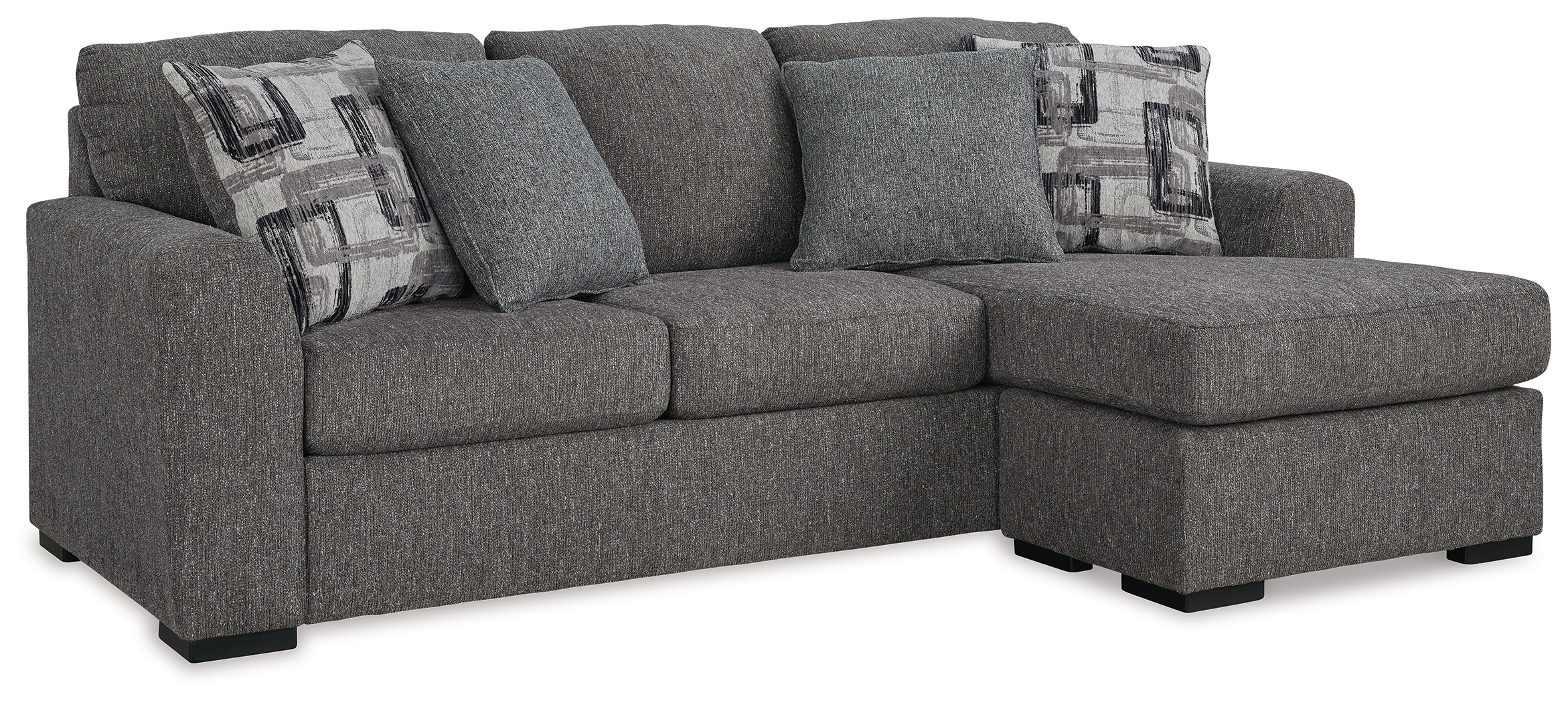
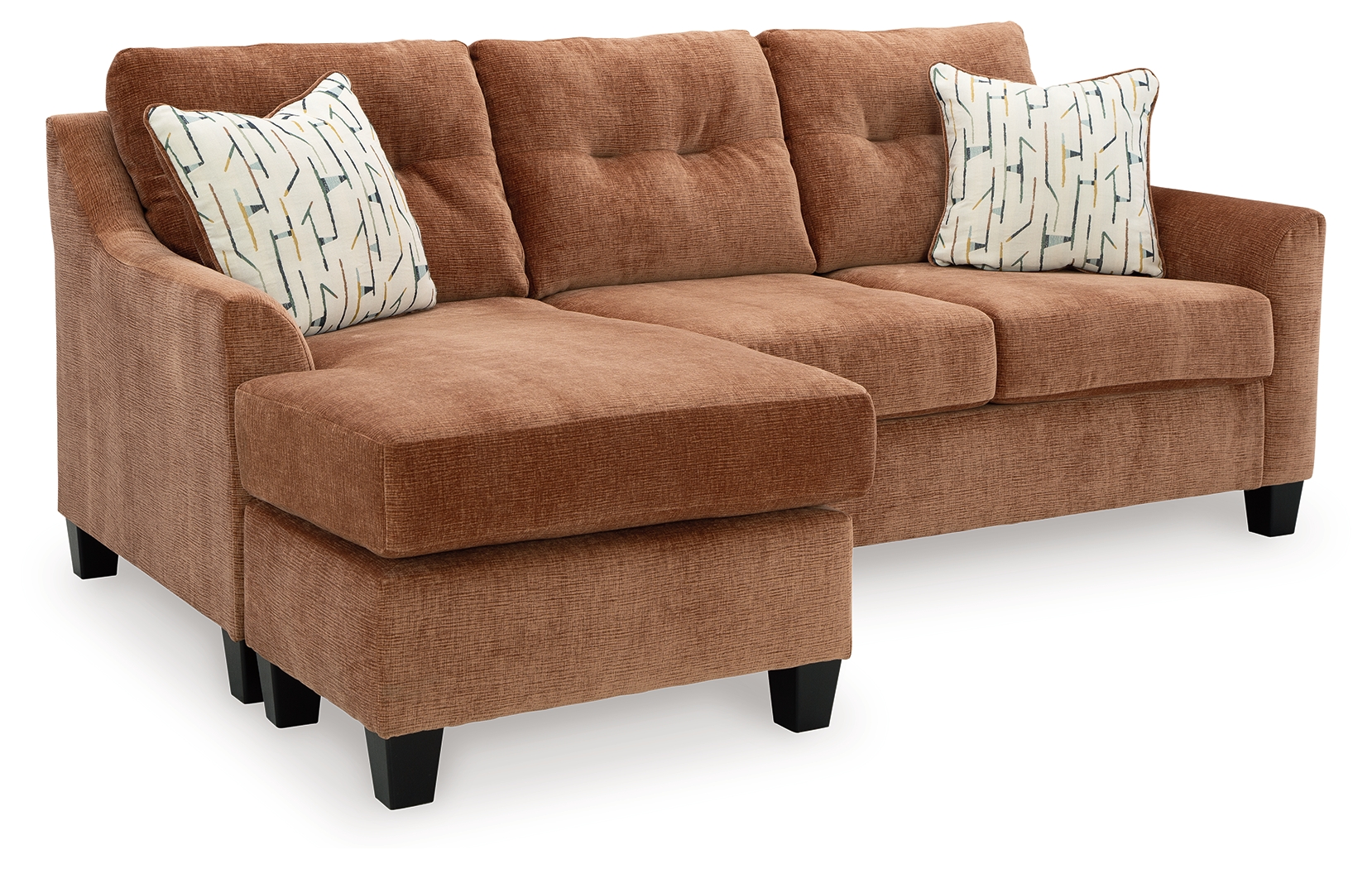
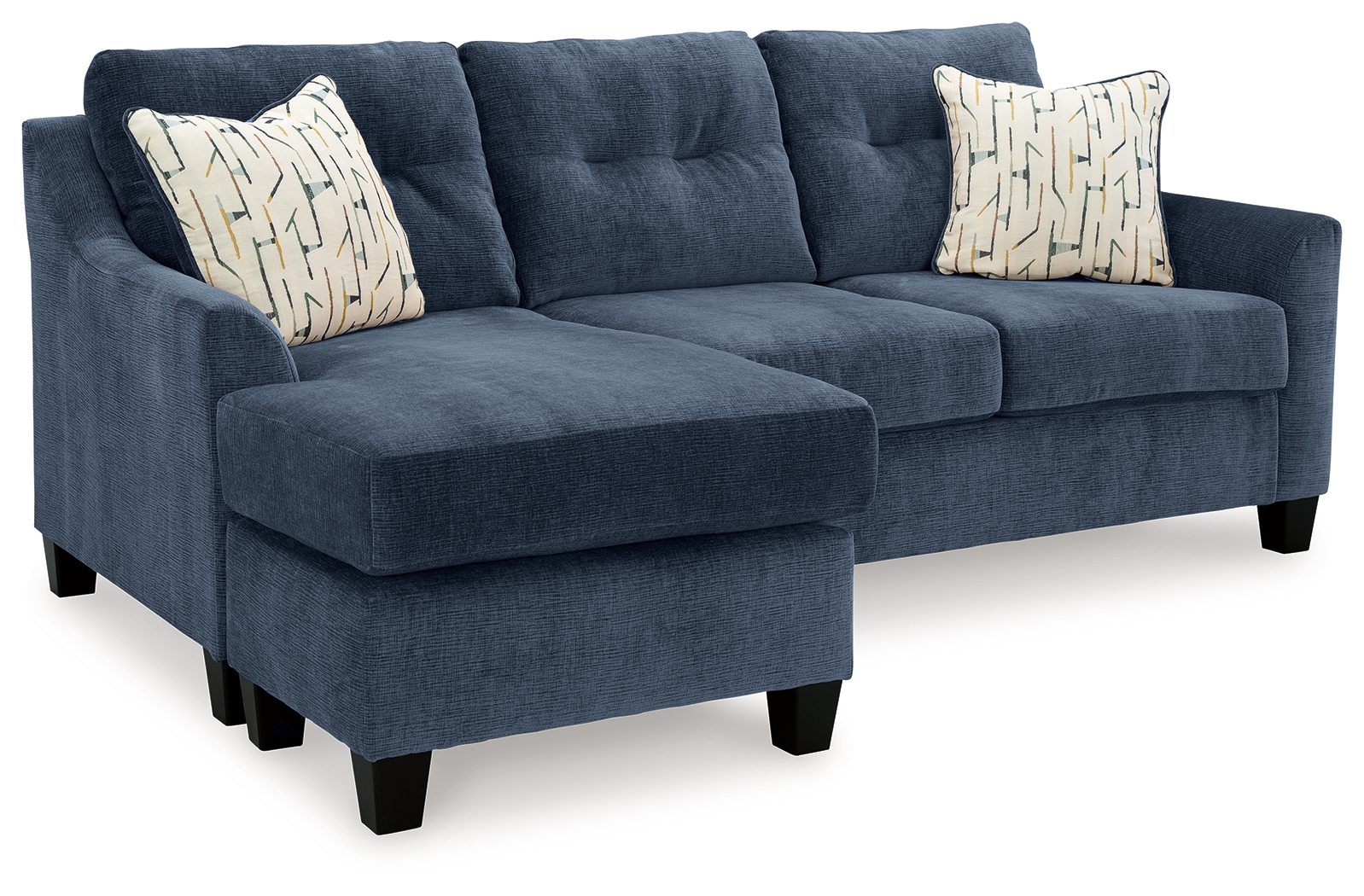
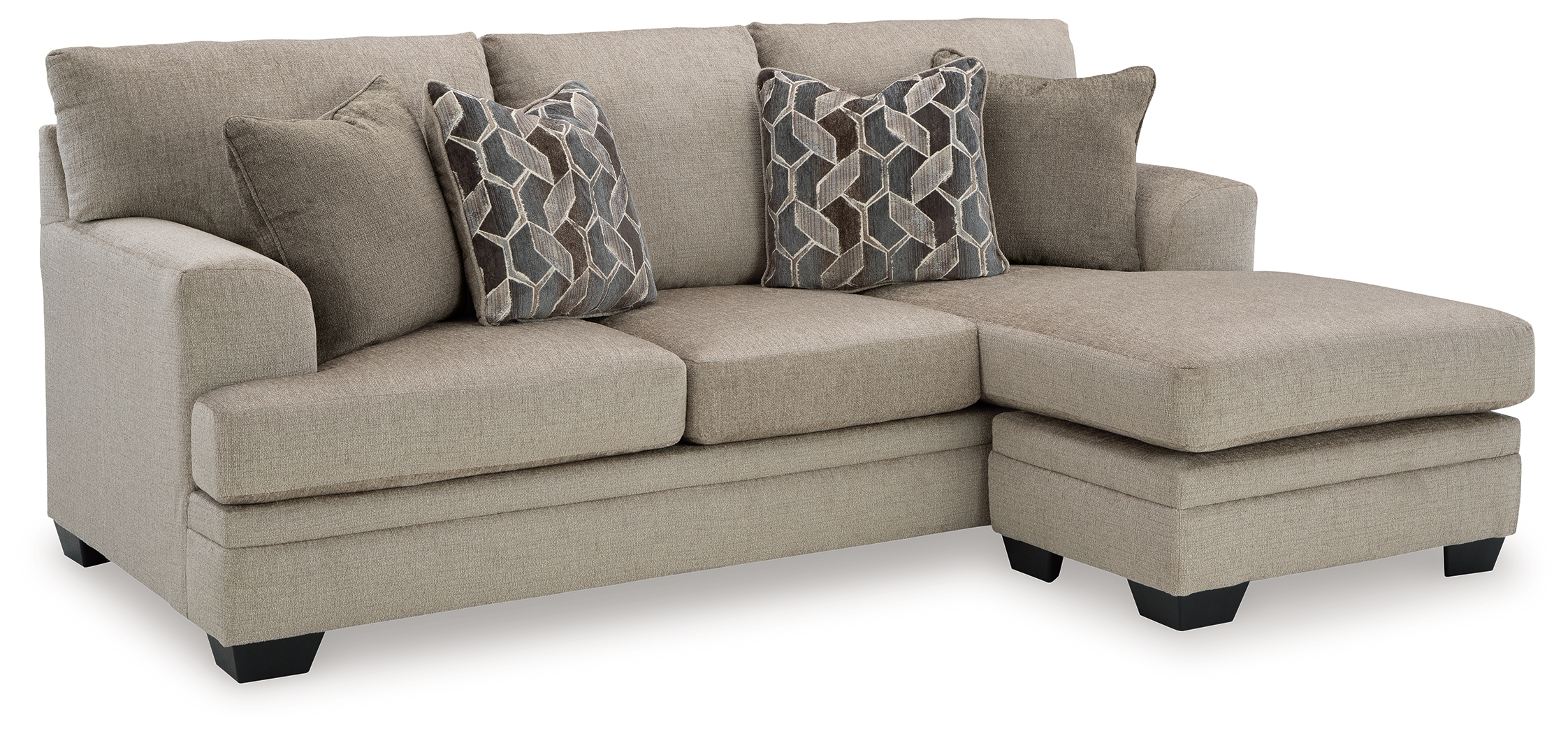
A sectional sofa is a multi-piece modular seating system — typically an L-shape or U-shape — that provides more seating than a traditional sofa and can be configured to fit your specific room layout.
What size sectional sofa fits my room?
Sizing a sectional starts with measuring your room — not just the wall where it will sit, but the full open floor area around it. For rooms under 15x15 feet, a 2-piece sectional under 100 inches wide is typically the right scale. Medium rooms between 15 and 18 feet can accommodate a 3-piece sectional up to 120 inches across. Large open-concept spaces can handle 4-piece sectionals or full U-shapes that run 140 inches or more. When measuring for an L-shaped sectional, record both the length of each arm separately, not just the overall footprint. Once placed, you need at least 18 inches of clearance between the sectional and any adjacent wall, and a minimum 30-inch-wide traffic path between the sectional and other furniture. A coffee table should sit 12–18 inches from the front edge of the sectional.
What sectional configuration works best?
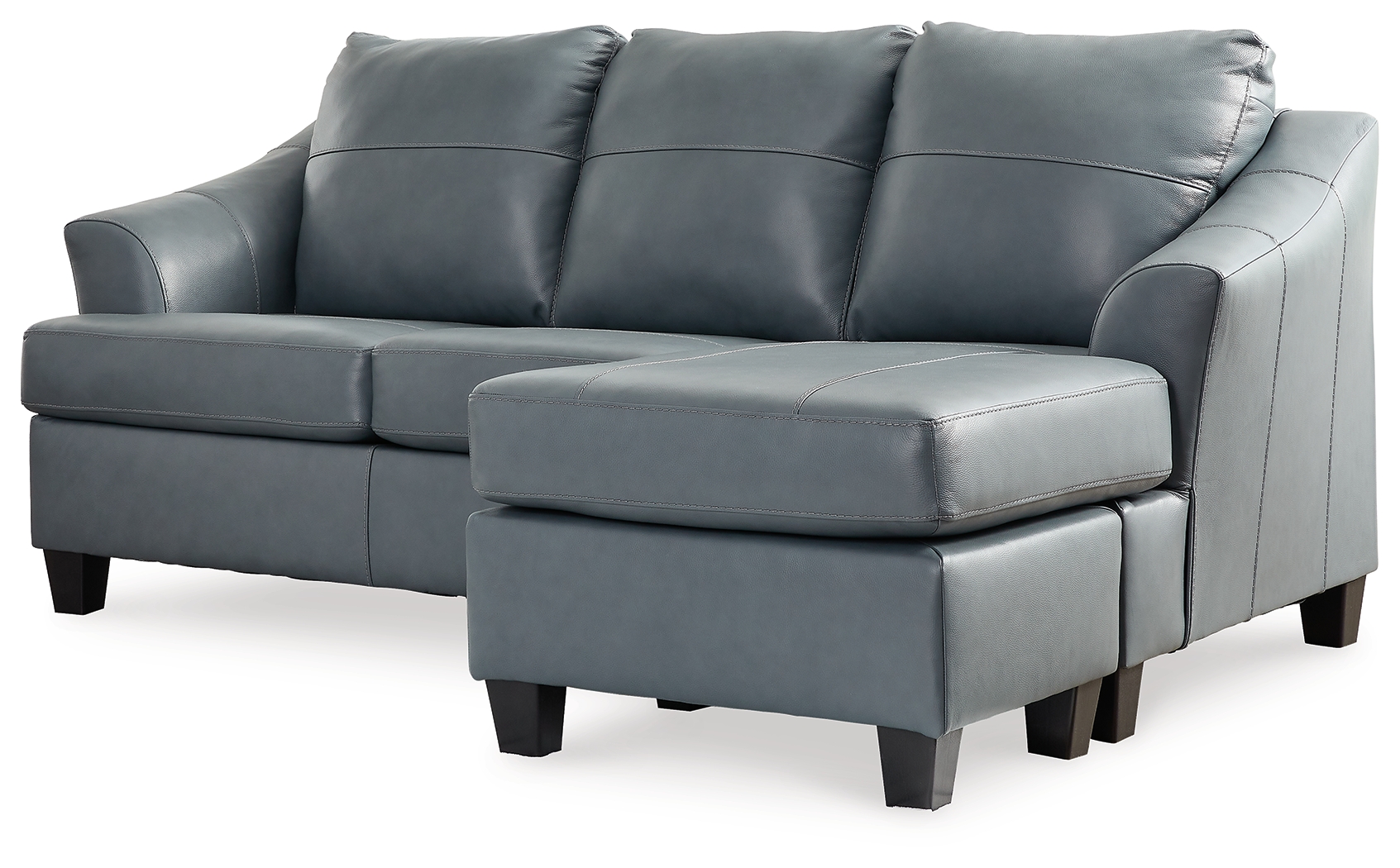
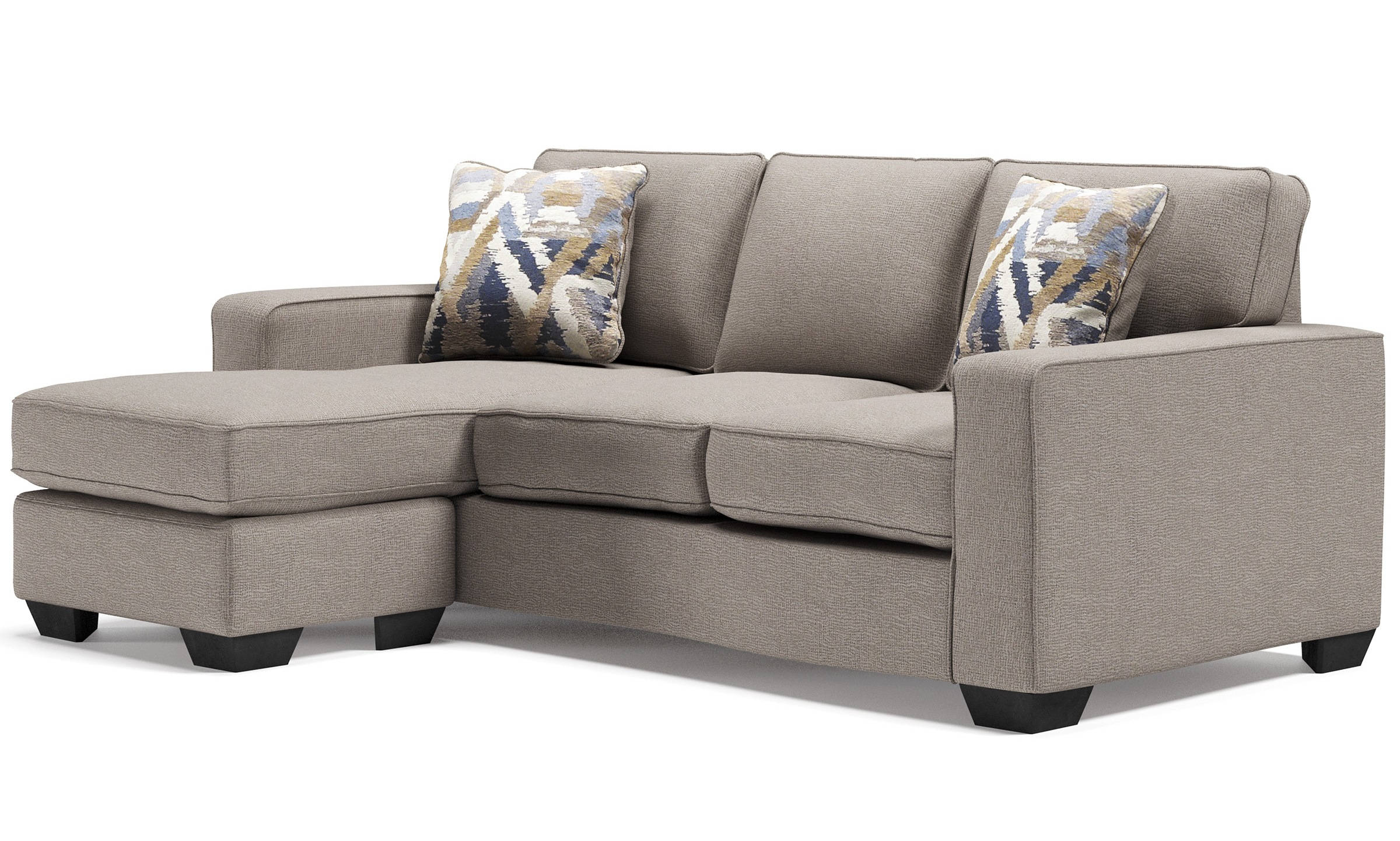
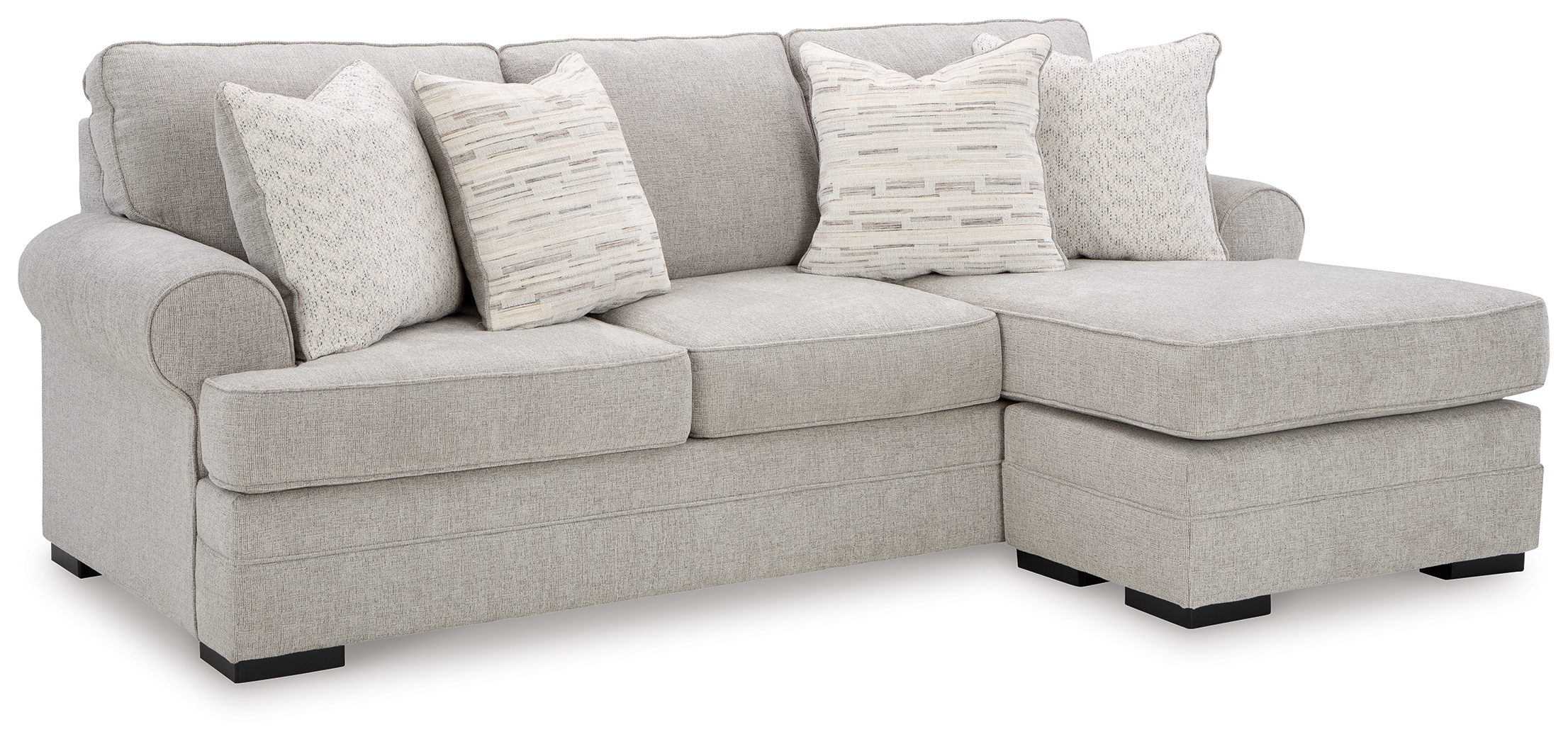
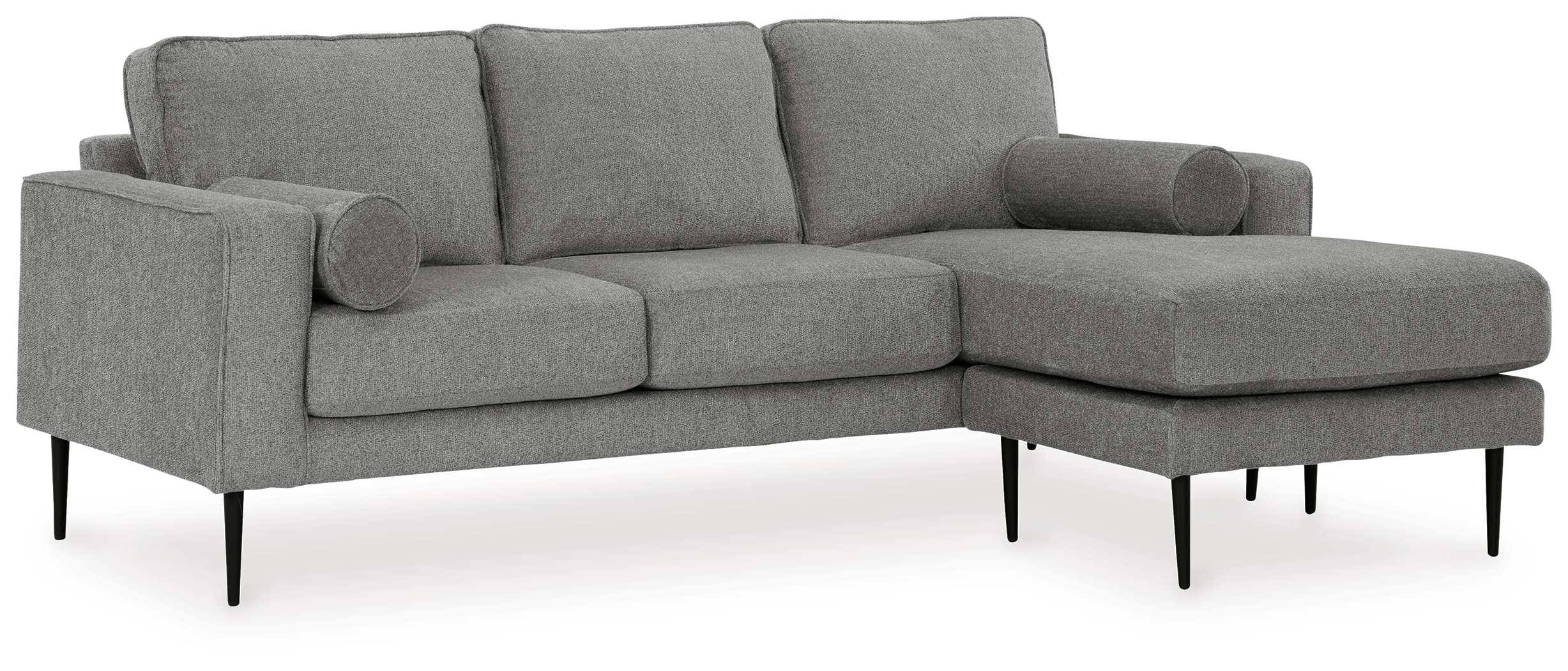
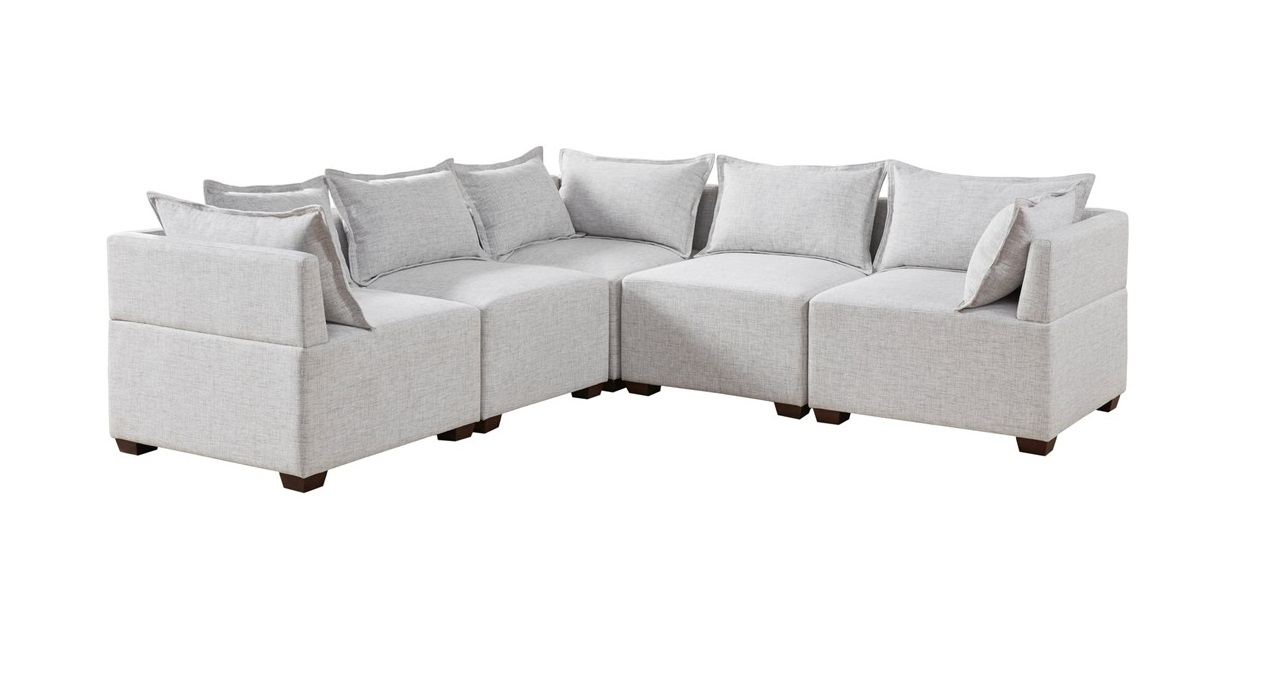
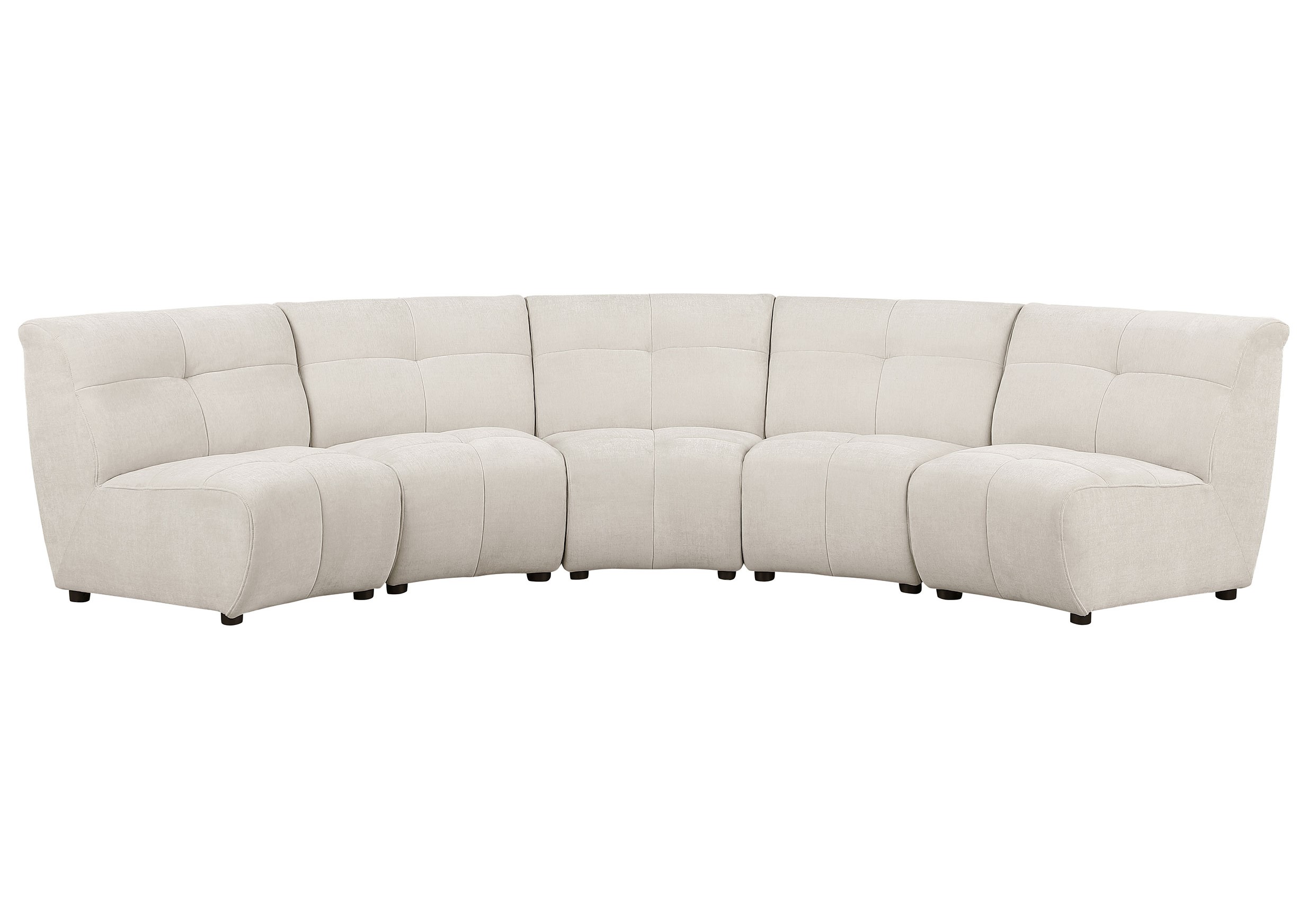
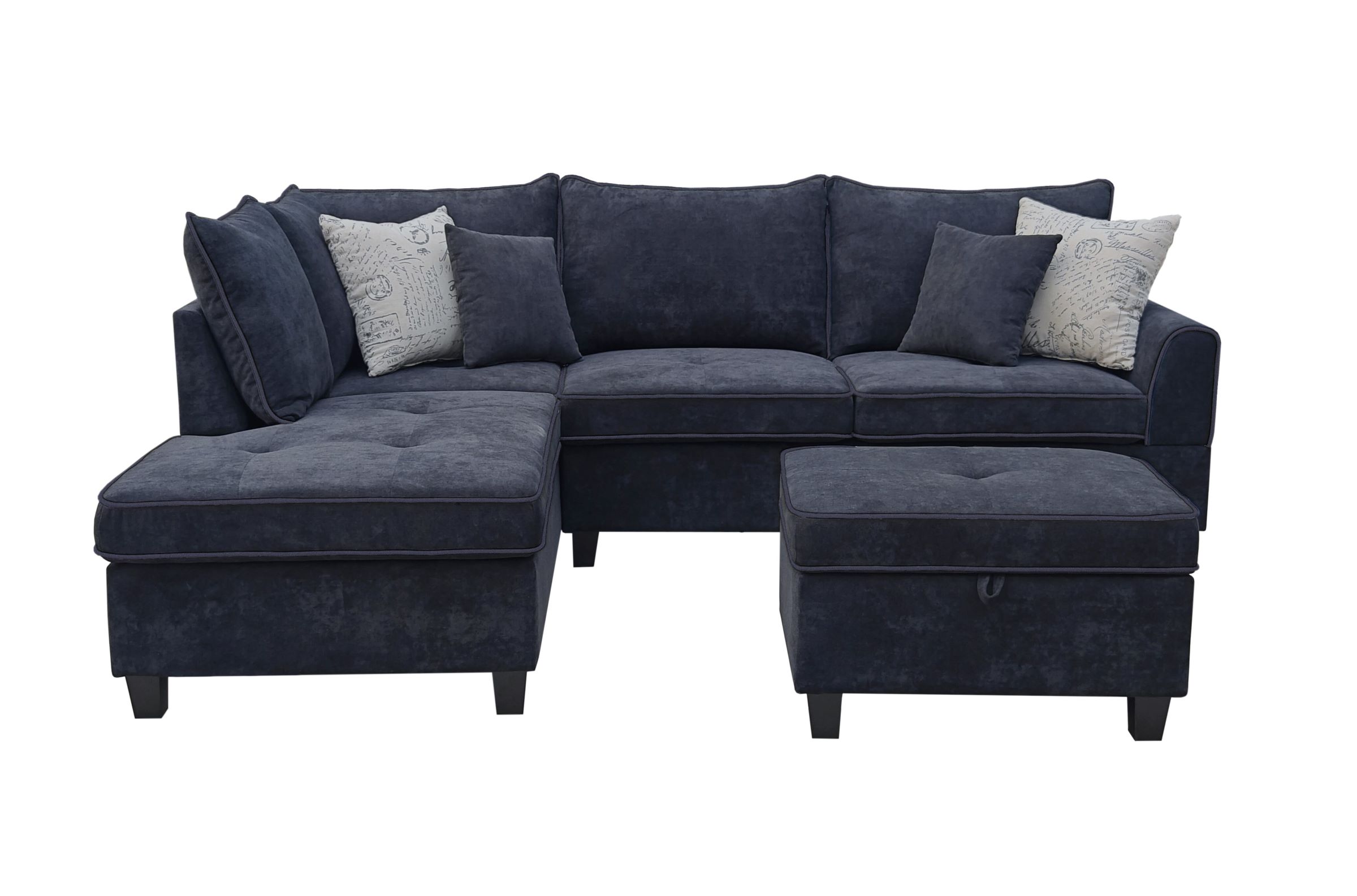
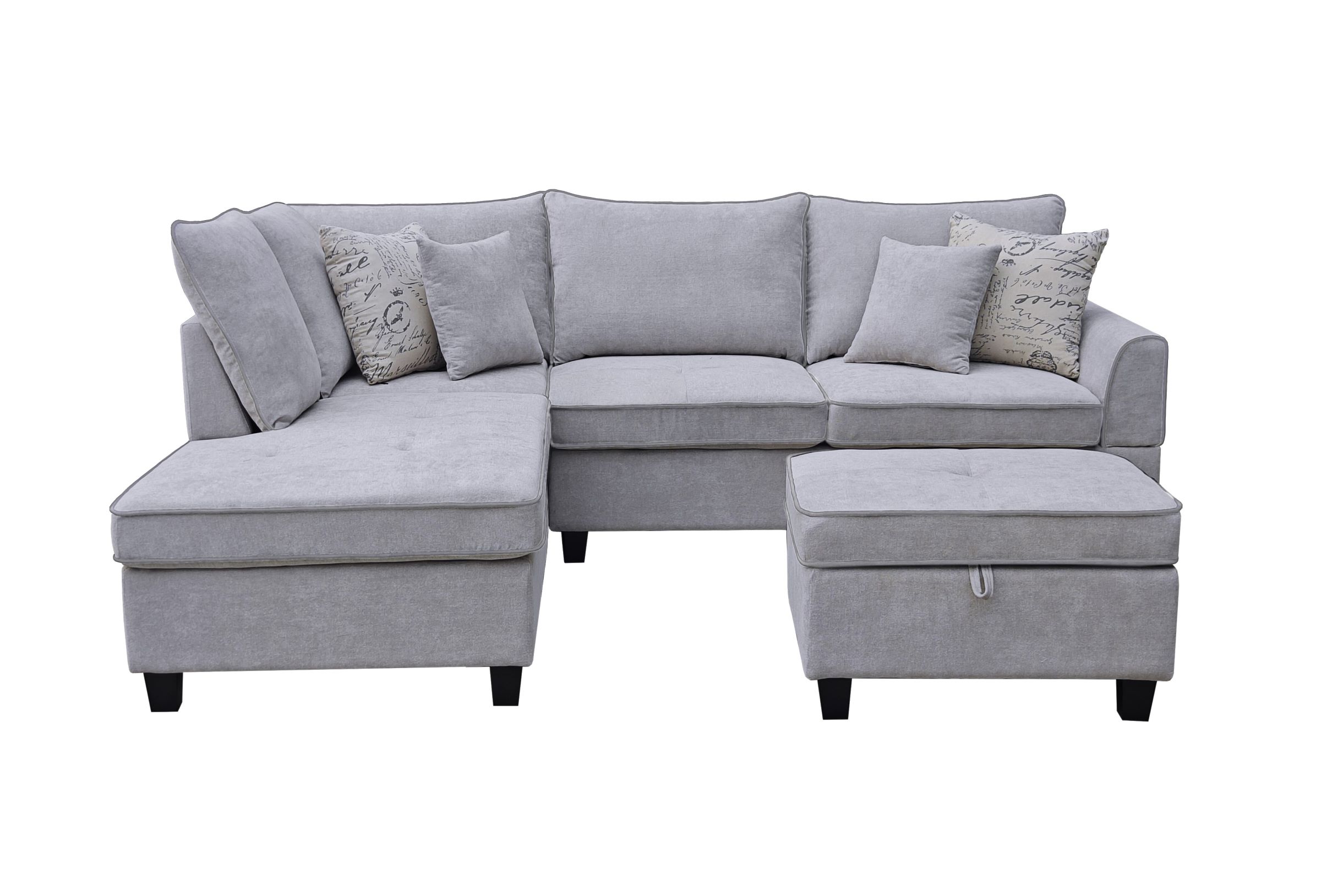
The L-shape is the most common sectional configuration and works well in the majority of living rooms because it tucks naturally into a corner and leaves open space for traffic flow. The U-shape offers maximum seating but requires a large room — typically at least 14x18 feet — so that the open end of the U does not feel cramped. Within those basic shapes, you have the option of a chaise end, which adds a lounging surface but reduces the seating count, or a standard armless end that seats more people. Many sectionals now offer a reversible chaise, meaning the chaise can be moved to either side before delivery — this is useful if your room layout may change or if you are not yet certain which direction works best. Curved and arc sectionals suit round or square rooms better than rectangular ones and soften the hard angles common in modern interiors.
What fabric should I choose for a sectional sofa?
The right fabric depends primarily on how the sectional will be used. Microfiber is one of the most practical choices — it is tightly woven, resists spills, and holds up to daily use. Polyester blends perform similarly and are often marketed as performance fabrics, meaning they have been treated to resist staining. Genuine leather is the easiest fabric to wipe clean and becomes more supple over time, but it is the most expensive option and can crack if not conditioned regularly. Faux leather costs less but tends to peel after several years of heavy use. Linen and velvet both offer a refined look but are harder to clean and show wear more quickly — they are better suited to households without pets or young children. Before purchasing, request a fabric swatch and rub it firmly with a damp white cloth to check for color transfer or pilling. Ask the retailer for the fabric's abrasion rating — anything above 15,000 double rubs is considered durable for residential use.