
 1-877-718-CLASSY (2527)
Sectional Couches: What to Know Before You Buy
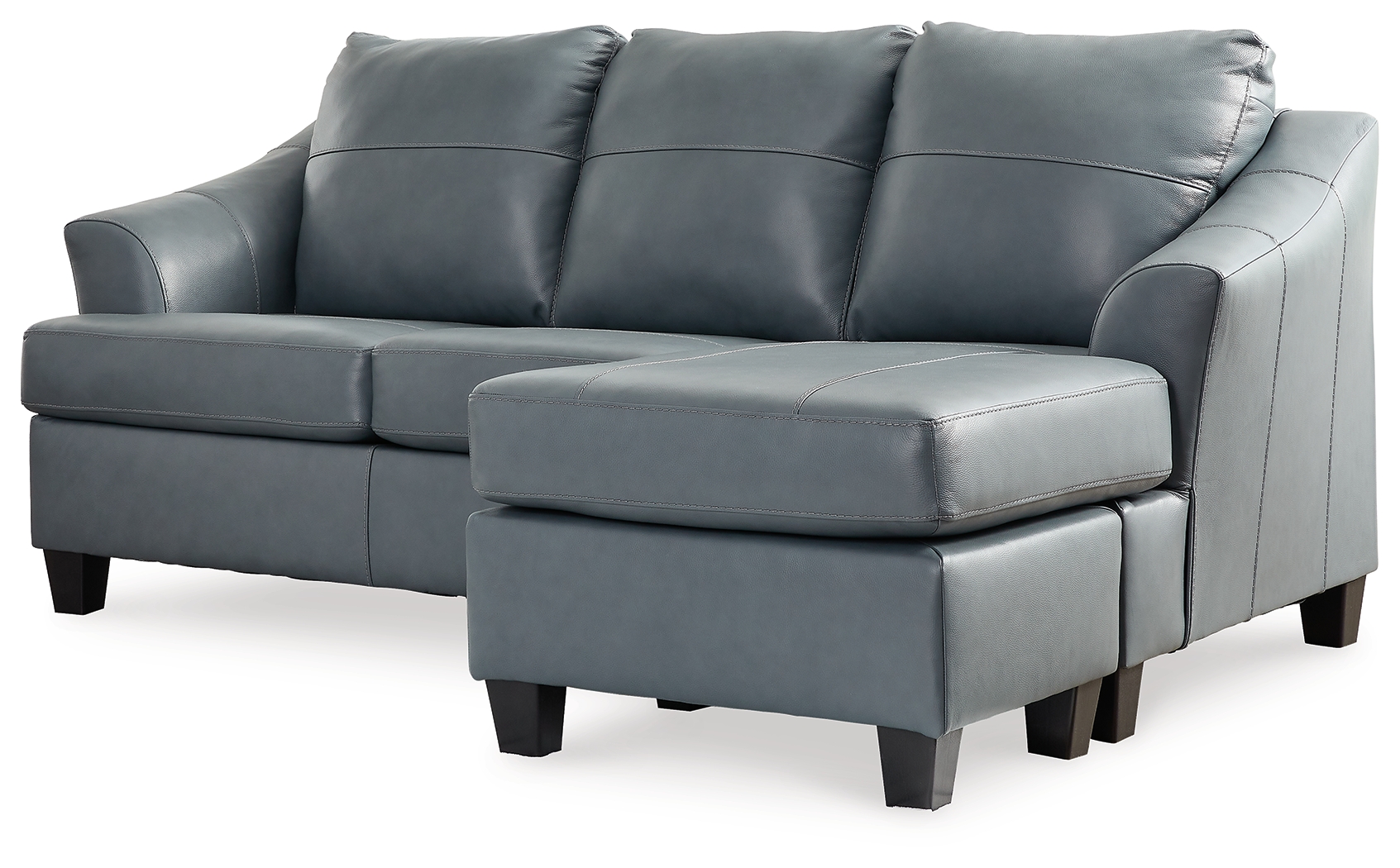
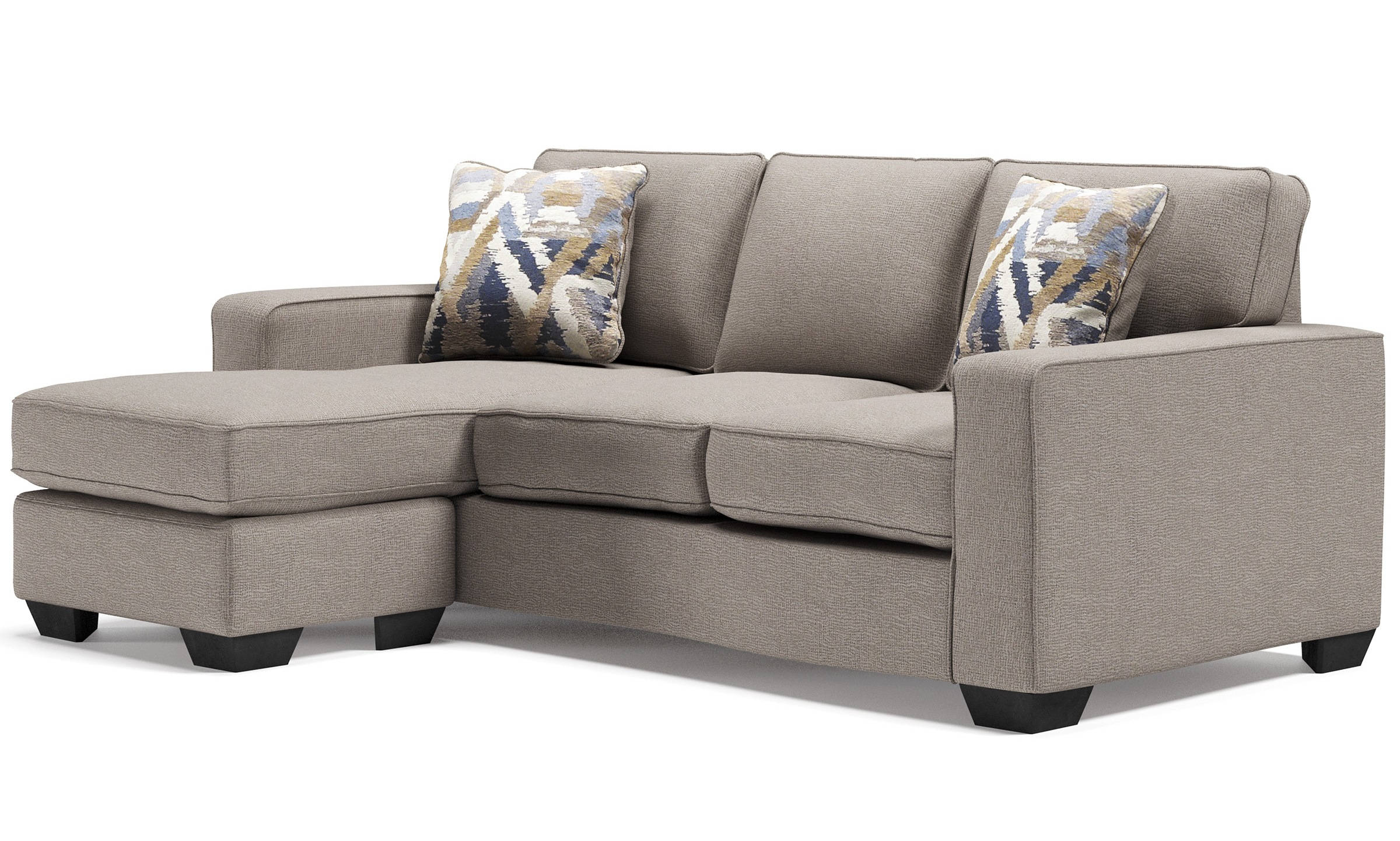
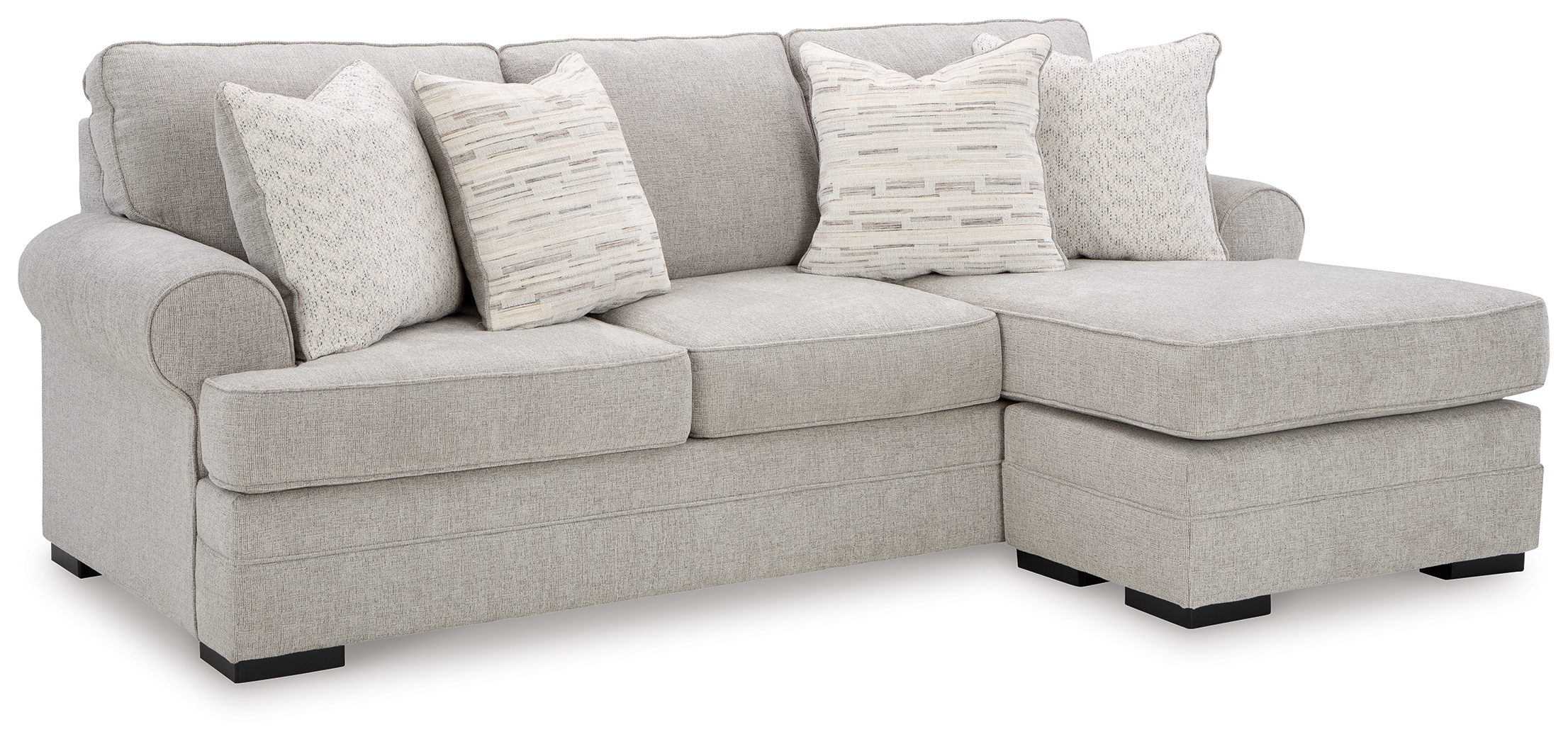
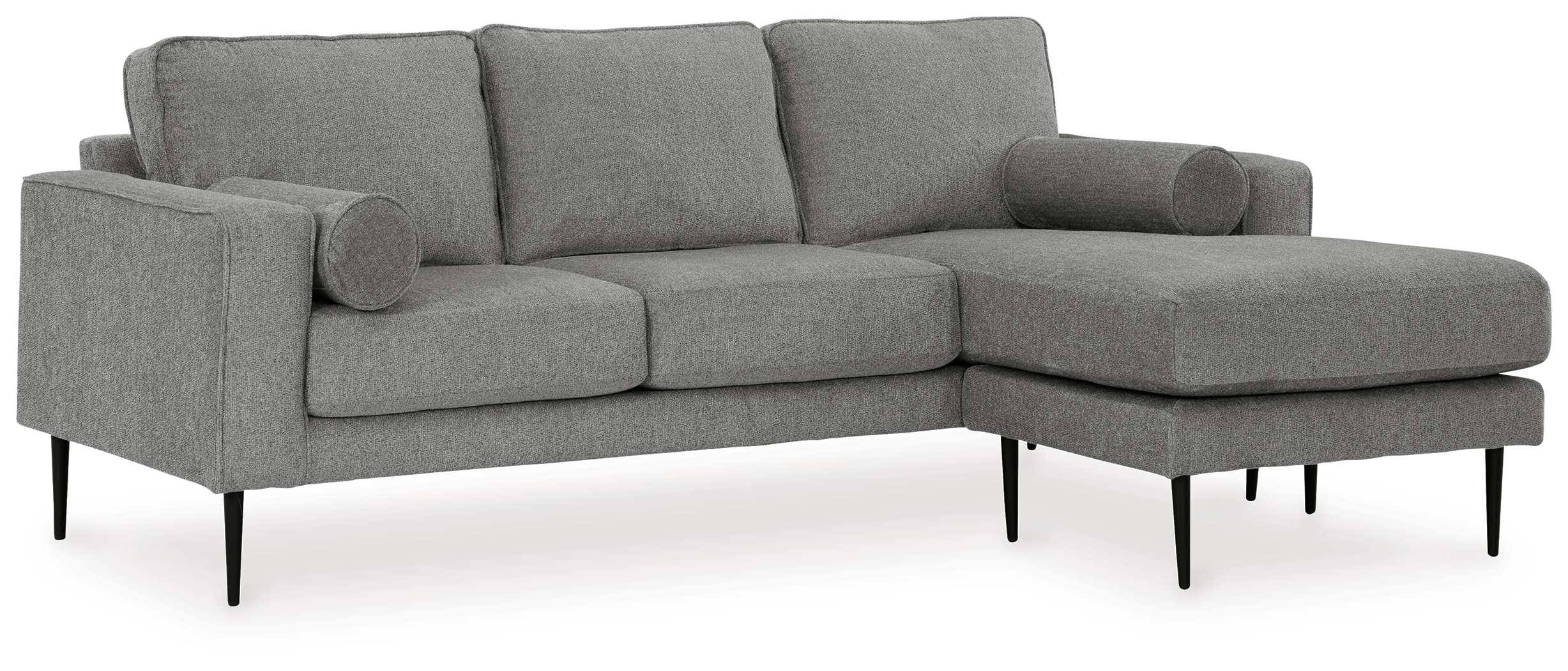
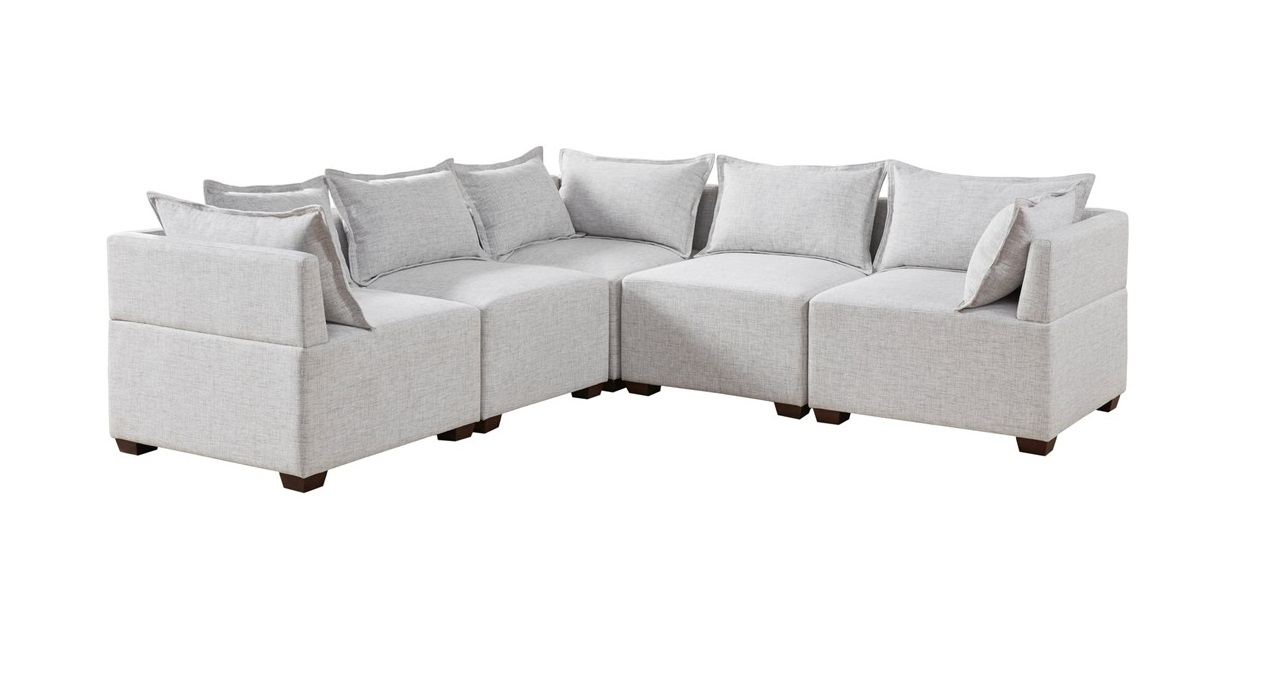
A sectional couch is a multi-piece upholstered sofa — typically an L-shape, U-shape, or curved configuration — that provides seating for five or more people in a single connected unit. Because sectionals ship as separate interlocking pieces, they can fit through standard doorways that a single large sofa could not.
L-shape vs U-shape vs curved sectional: which configuration fits your room?
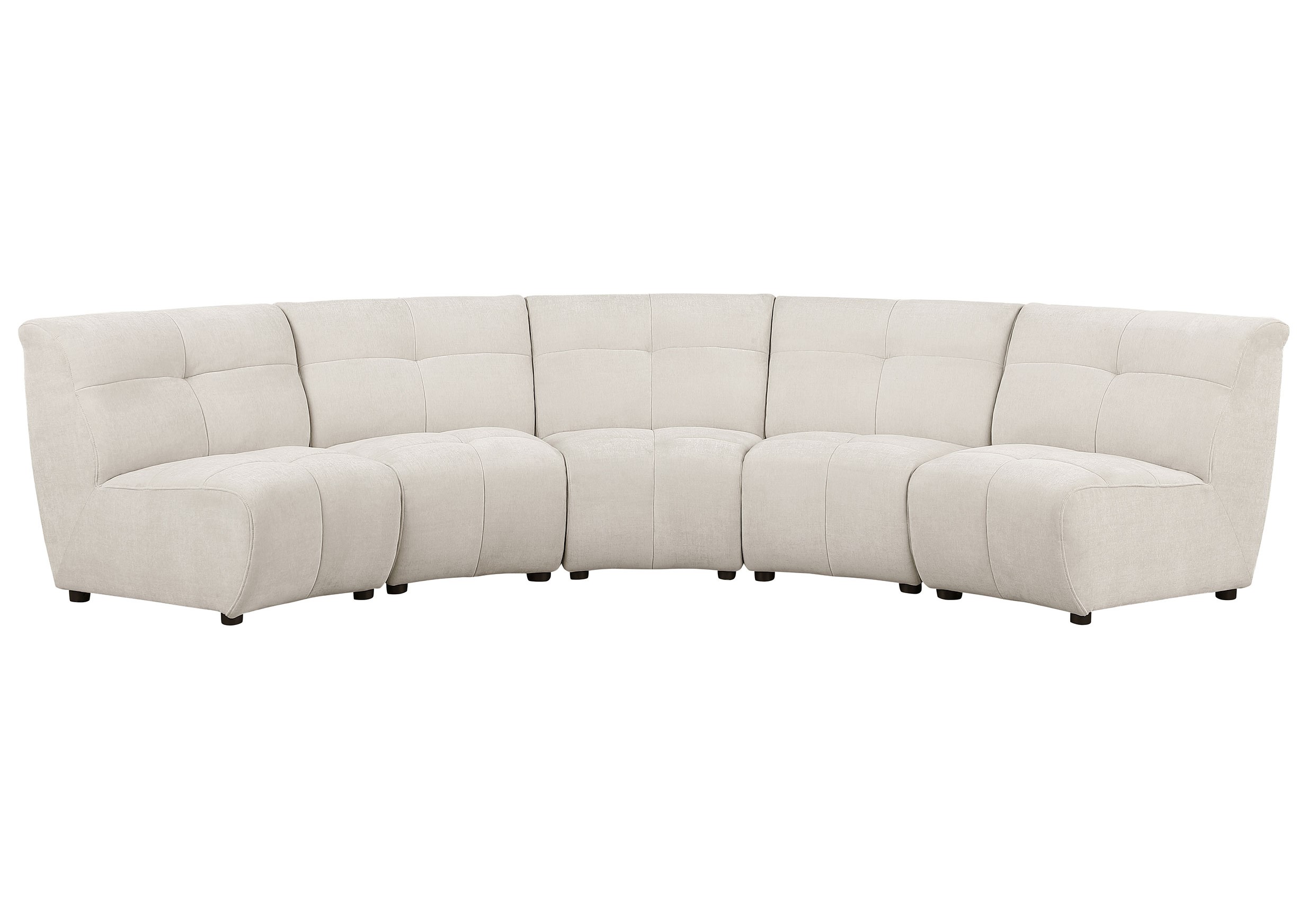
An L-shape sectional (two sections joined at a right angle) is the most common and fits rooms as small as 12 feet by 12 feet. It anchors one or two walls and leaves the rest of the room open. A U-shape sectional adds a third run of seating directly opposite the main sofa, creating an enclosed conversation area — it requires at least 15 feet by 15 feet to avoid cramping the space. Curved sectionals soften a room visually and work well in open-plan layouts where there is no wall to push the sofa against, but they require more square footage because you cannot push a curved back flat against a wall without a gap.
How do I measure to make sure a sectional fits through my doorway?
Sectionals arrive in individual pieces, so you are measuring each section separately, not the assembled unit. Check the height and width of each piece against your door opening (standard exterior door is 80 inches tall by 36 inches wide; interior doors are often 80 by 32 or 30). The trickiest scenario is moving a chaise piece around a tight hallway turn. Measure the diagonal clearance at the turn: stand at the corner and measure from the wall you are moving away from to the opposite wall on the turn. A chaise piece that is 68 inches long needs roughly 50 inches of diagonal clearance to make a 90-degree turn. If your building has an elevator, check interior elevator dimensions before ordering.
Why does reversible chaise direction matter when ordering?
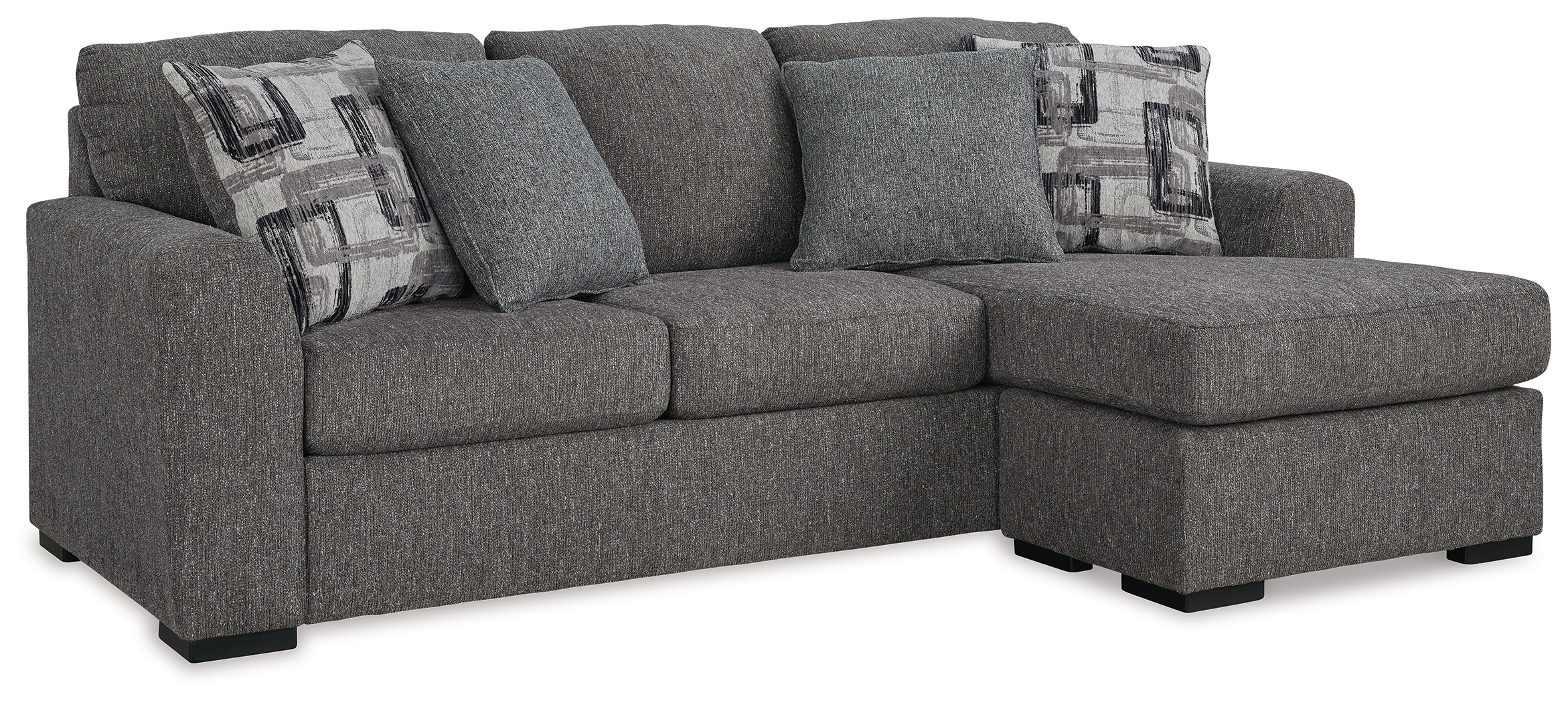
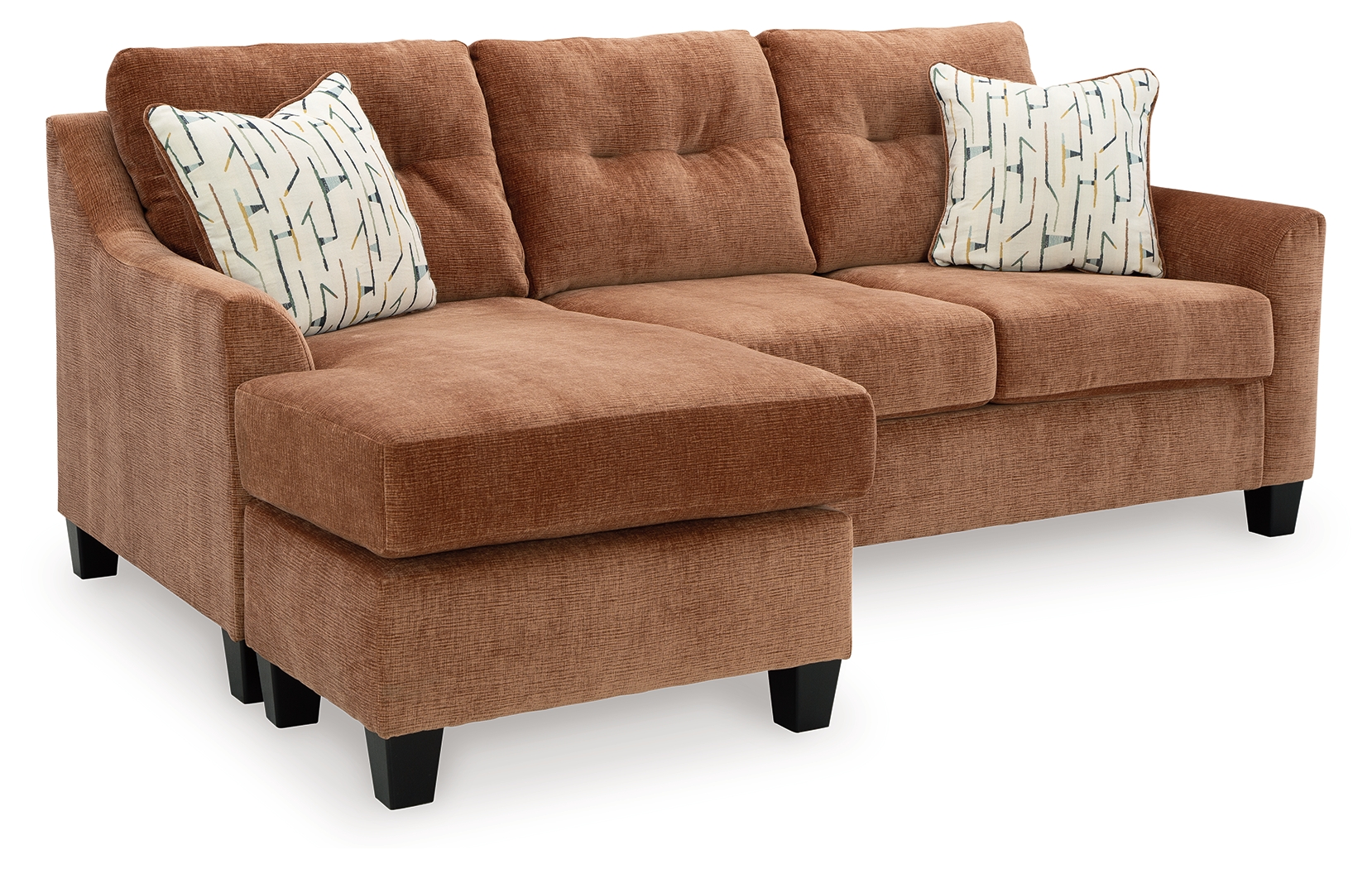
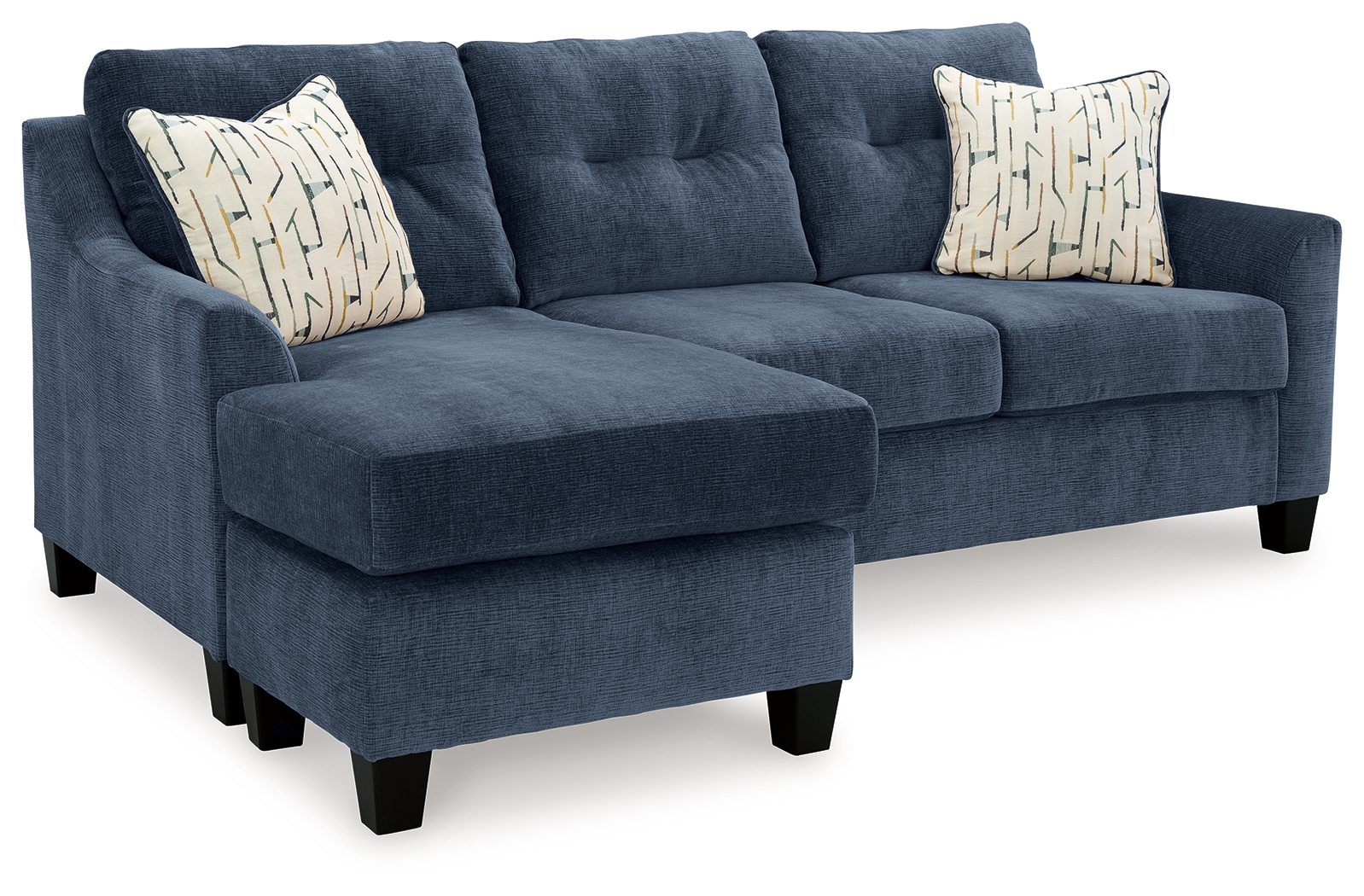
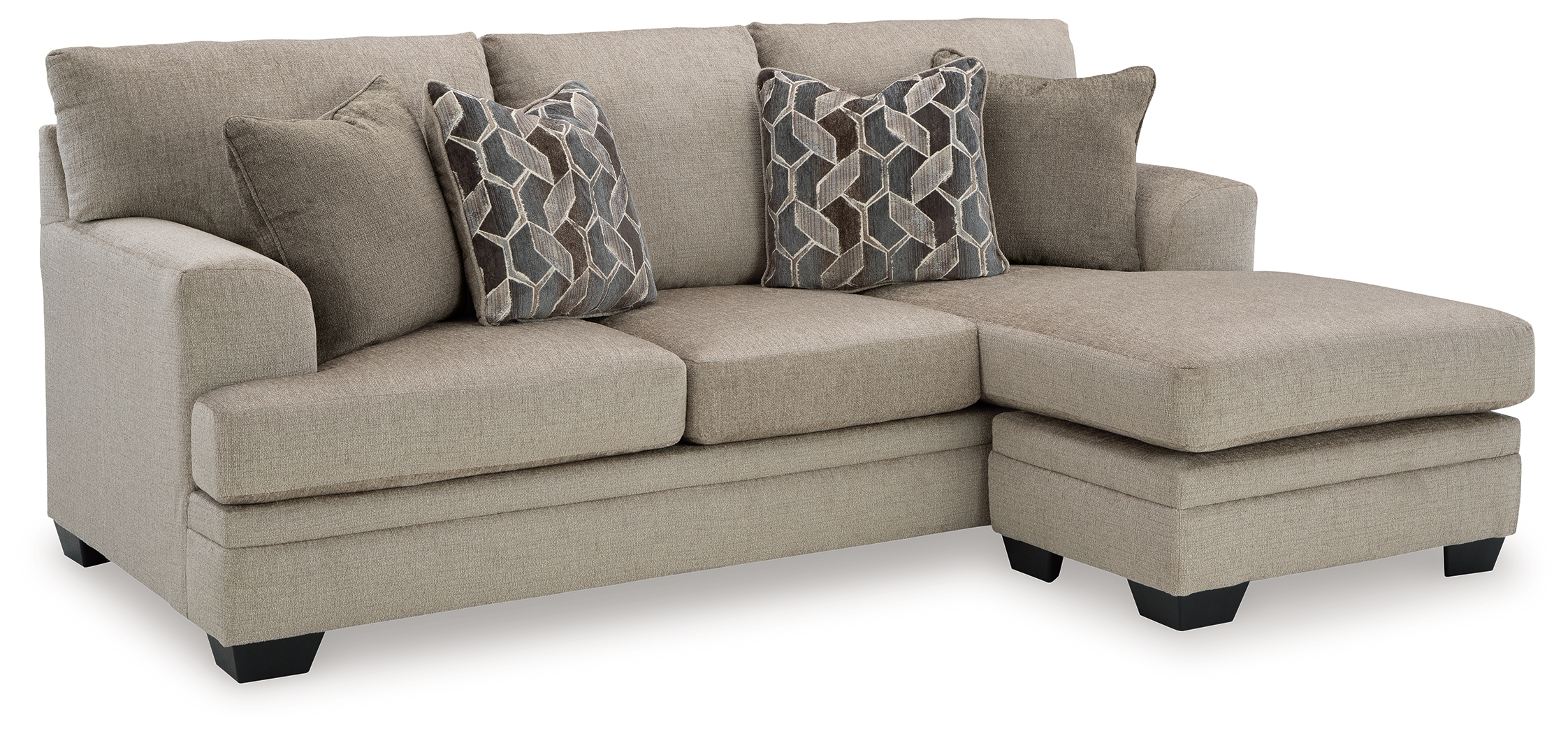
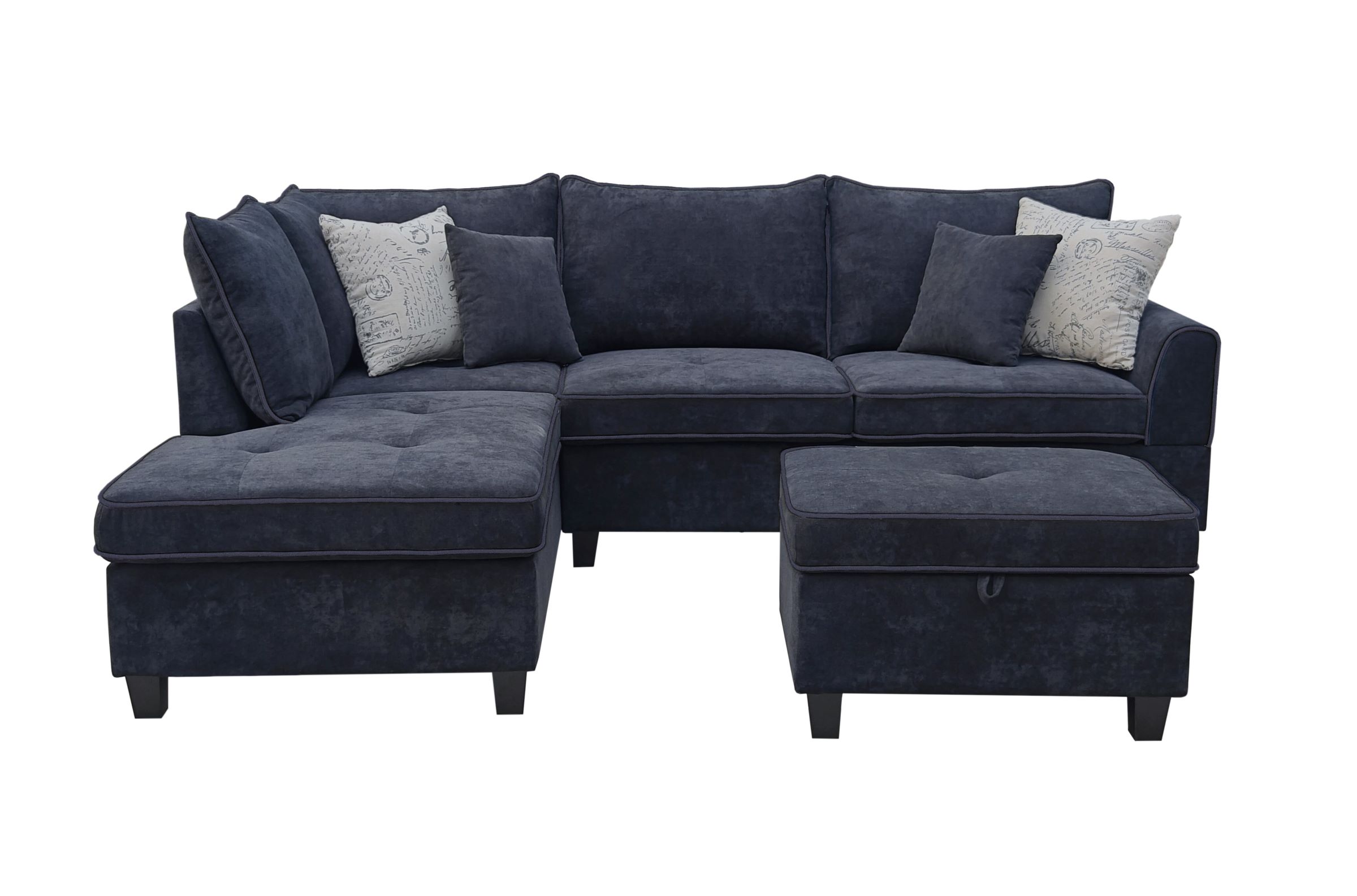
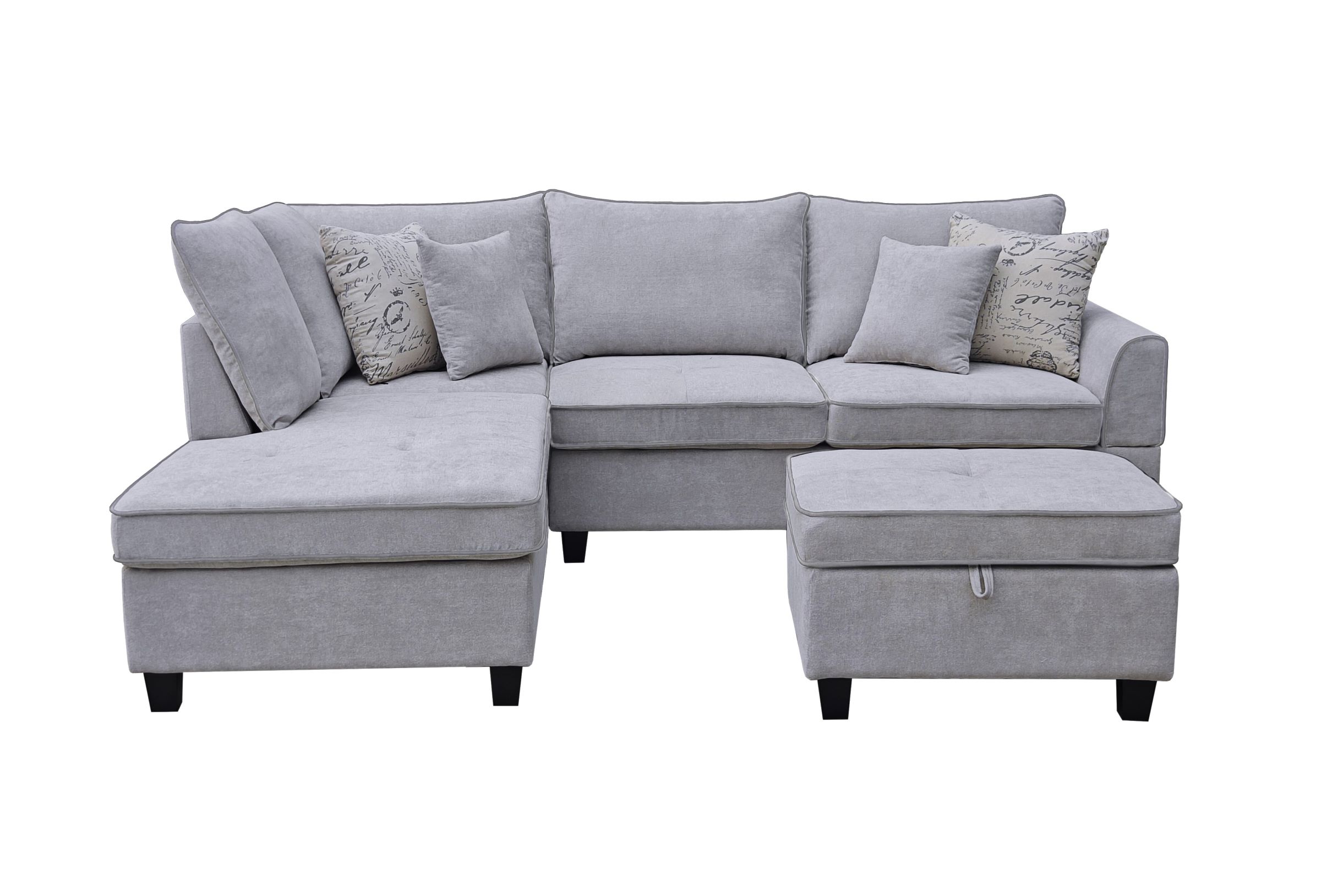
The chaise direction is set at the factory and cannot be changed after purchase. Left-facing (LAF) and right-facing (RAF) refer to which side the chaise extends when you are seated on the sofa looking toward the room. If you order the wrong orientation, the chaise will block a doorway, face a wall, or sit in front of a window. Before ordering, stand in the spot where the sofa will go, face outward toward the room, and note which side you want the chaise — that is your facing direction. Some sectionals are sold as reversible, meaning the chaise can be attached on either side; these cost slightly more but eliminate the orientation guesswork.
How deep should a sectional couch be for comfortable use?
Overall depth (front of cushion to back of frame) falls into two practical ranges. A depth of 35–40 inches supports lounging and works well in a relaxed family room where people want to stretch out or lie down. The usable seat depth in this range is typically 22–26 inches. A depth of 30–33 inches sits you more upright, which suits people who prefer back support, spend time reading or working on a laptop, or who are under 5'6" tall (shorter users often find that deep-seat sectionals prevent them from sitting with their back against the cushion). Measure your current sofa if you know whether it feels comfortable, and use that as a reference point.
What frame construction is most durable in a sectional couch?
Kiln-dried hardwood — birch, beech, poplar, and oak are common — is the most durable frame material. The kiln-drying process drops the wood's moisture content to around 6–8%, which prevents warping, shrinking, and joint loosening over time. Joints should be glued and corner-blocked (a triangular block reinforcing each corner) in addition to being screwed. Frames described only as "wood" without specifying hardwood or kiln-drying are often softwood (pine or rubberwood), which is less expensive but noticeably less durable at the joints under daily use. Metal frames are strong and resistant to warping but can develop squeaks at the bracket connections. Ask specifically for "kiln-dried hardwood with corner-blocked joints" when evaluating a sectional at any price point.