
 1-877-718-CLASSY (2527)
Round Dining Room Tables
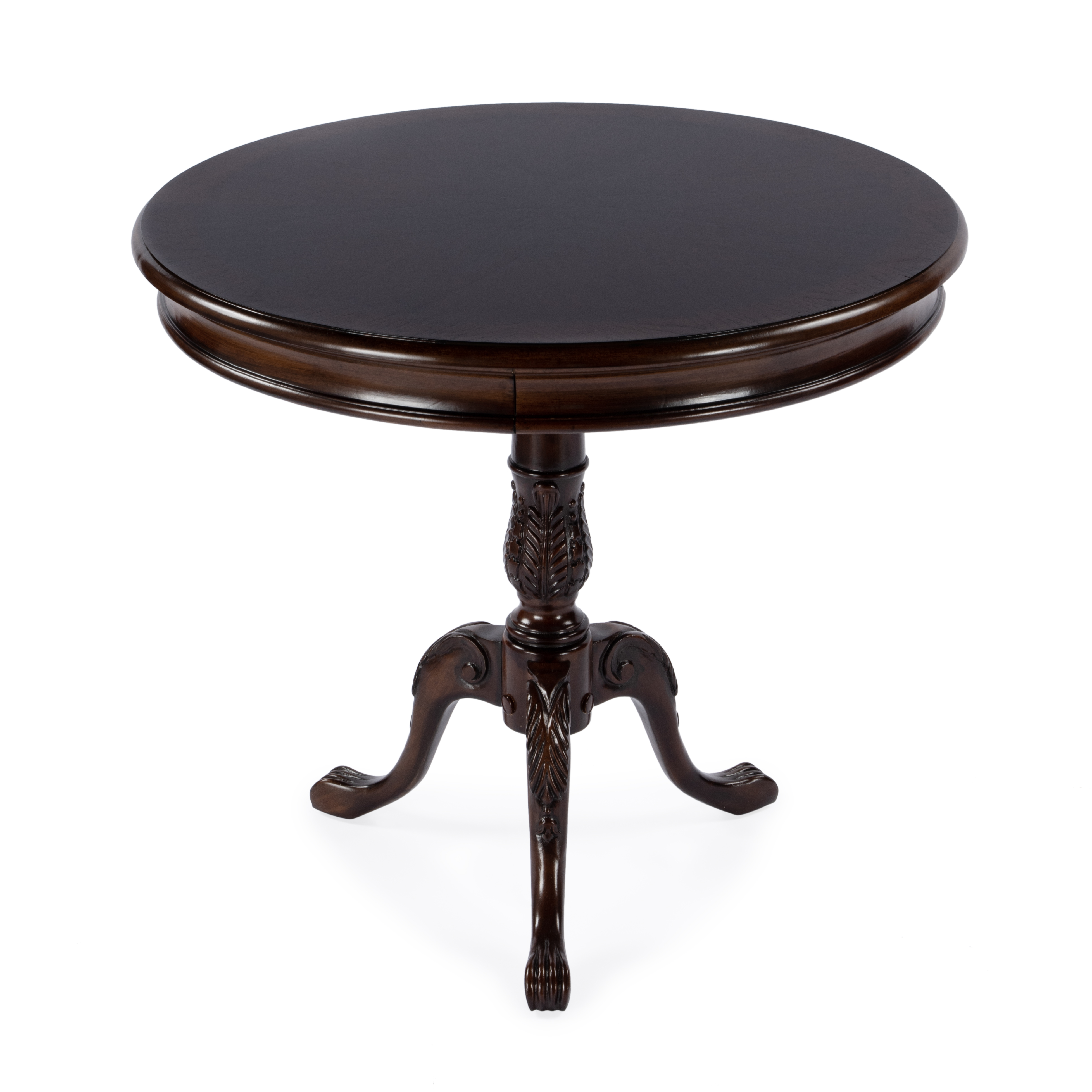
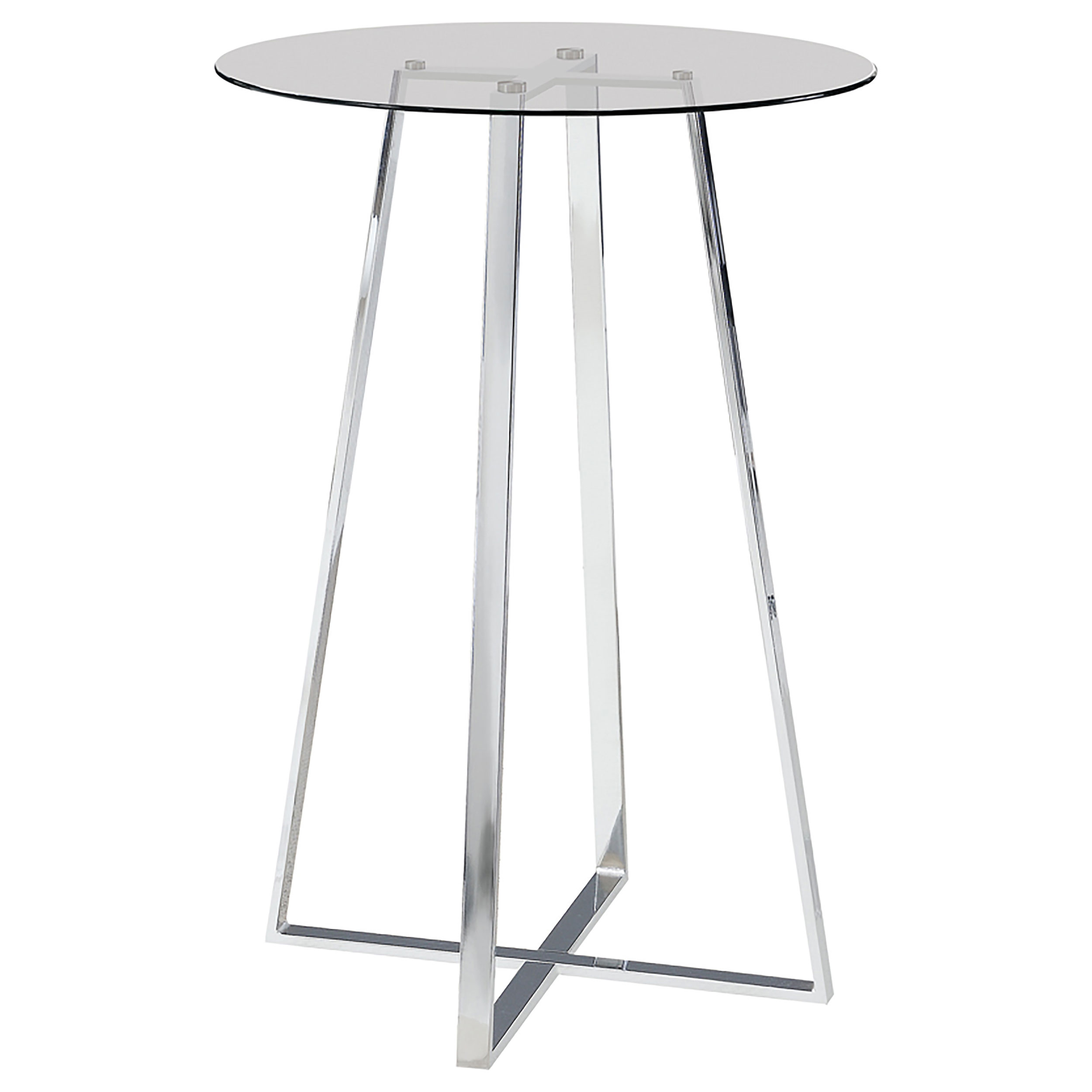
A 36-inch round table seats up to 4, a 48-inch table seats 4 to 6, and a 60-inch table seats 6 to 8 — round tables are best suited to square rooms and work most efficiently with a pedestal base that allows chairs at any position.
How much space does a round table require?
The minimum room footprint for a round dining table is the table diameter plus 72 inches — 36 inches of chair clearance on each opposing side. A 48-inch round table requires approximately 10 by 10 feet of floor space at minimum, or ideally 11 by 11 feet for comfortable traffic flow. A 60-inch round table requires 11 by 11 feet at minimum, with 12 by 12 feet preferred. Round tables suit square rooms naturally because their seating perimeter fills all four sides of the table zone evenly, while a rectangular table leaves the two short ends underutilized in a square room.
Why does a pedestal base work better than four legs on a round table?
A pedestal base places all support mass at the center of the table, leaving the perimeter completely free. Chairs can be placed at any point around the table without encountering a leg obstacle, and seated diners can angle their legs in any direction. This is particularly valuable for round tables, which have no designated head or foot position — every seat is equal, and free legroom reinforces that equality. A four-leg round base places legs at quarter-circle intervals, creating four obstruction points around the perimeter that restrict chair placement and can interfere with the legs of seated diners at those positions.
What are the conversation advantages of a round table?
At a rectangular table, the seats at the two long sides face each other but the seats at the ends are distant from center and angled away from direct eye contact with most other diners. At a round table, every seat faces every other seat at roughly equal distance. This geometry makes conversation between all diners at the table natural rather than requiring raised voices or turning to speak to people at the table ends. The effect is most pronounced at tables of 6 or fewer — beyond 8 seats on a round table, the diameter is large enough that cross-table conversation becomes difficult again.
Do round tables come with extension options?
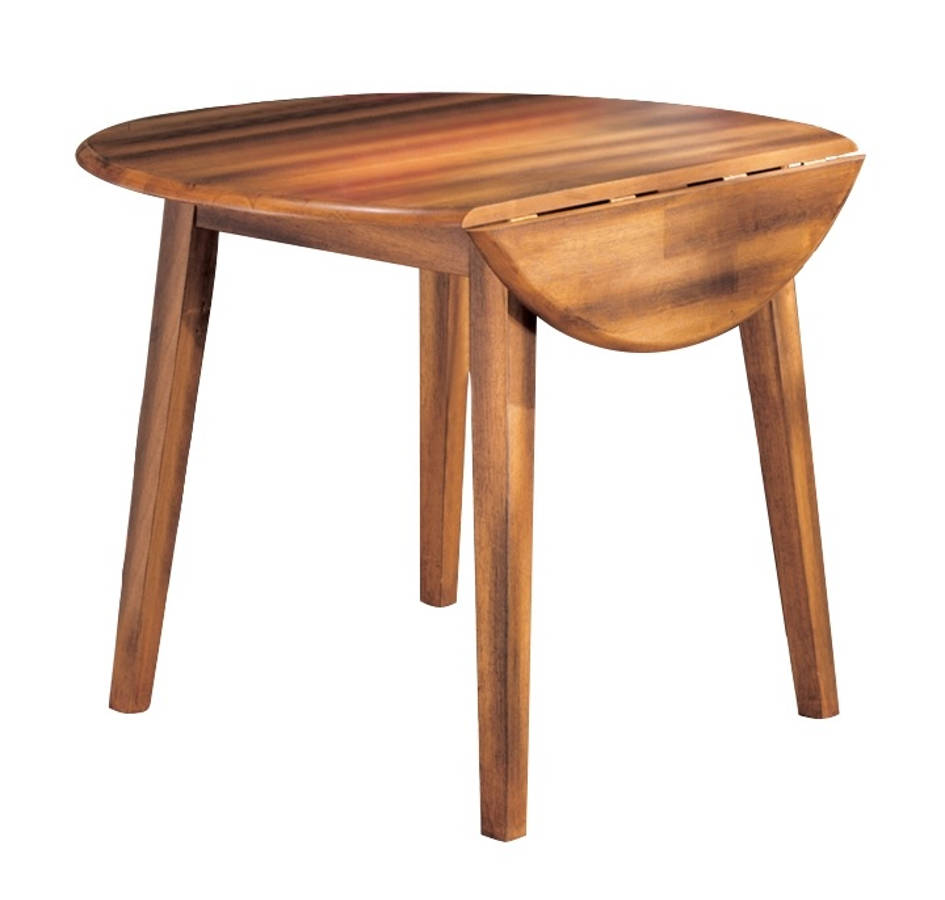
Round extension tables exist, though the selection is smaller than for rectangular extension tables. The most common extension mechanism for a round table adds a center leaf between two half-round table sections, converting the shape from round to oval when open. A 48-inch round table extended with an 18-inch leaf becomes a 48-by-66-inch oval, adding seating for 2 additional guests. Some manufacturers offer pie-section leaf systems that expand the round perimeter while maintaining a round shape, but these mechanisms are less common. When buying a round extension table, confirm the open configuration dimensions and shape — most become oval, not larger round.