
 1-877-718-CLASSY (2527)
Queen Mattresses
A queen mattress measures 60"x80" and is the most popular mattress size in the US — large enough for two adults, and fitting comfortably in most master bedrooms sized 10x10 feet or larger.
What queen mattress type should I choose?
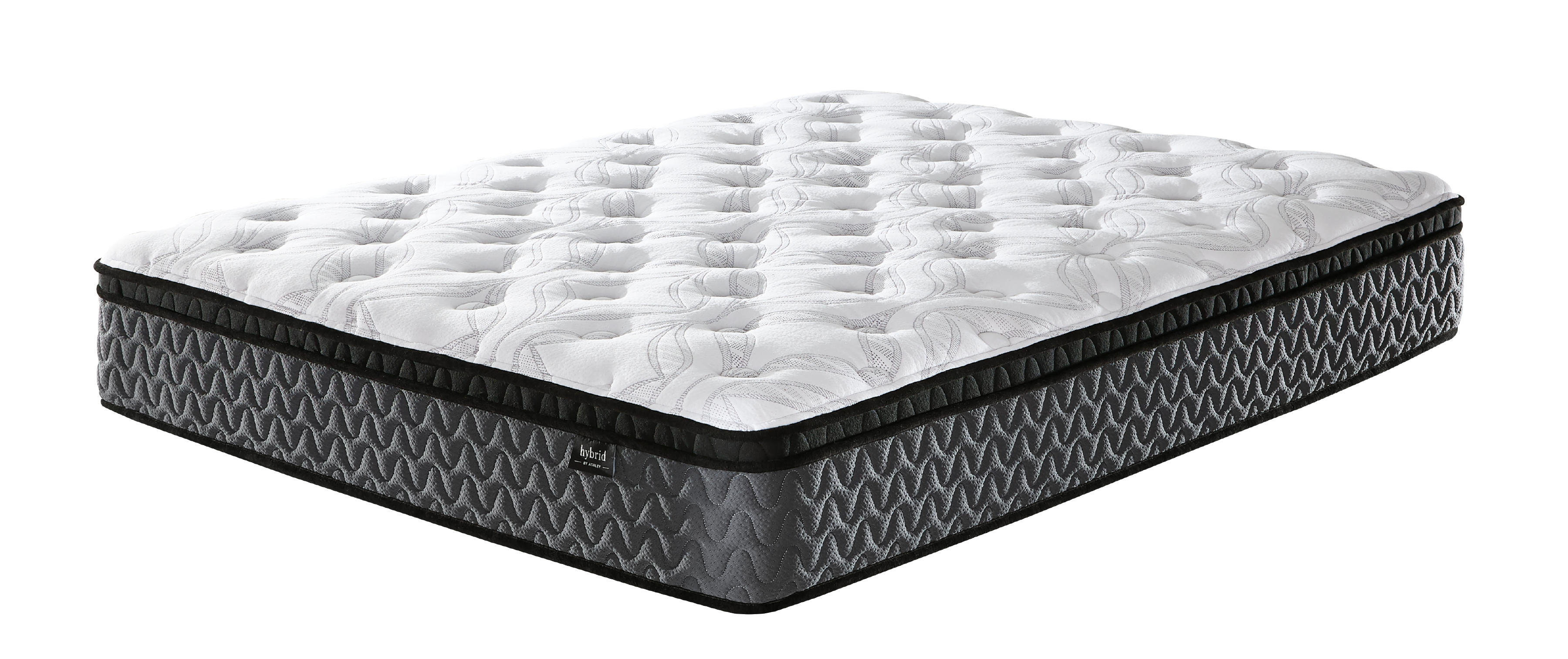
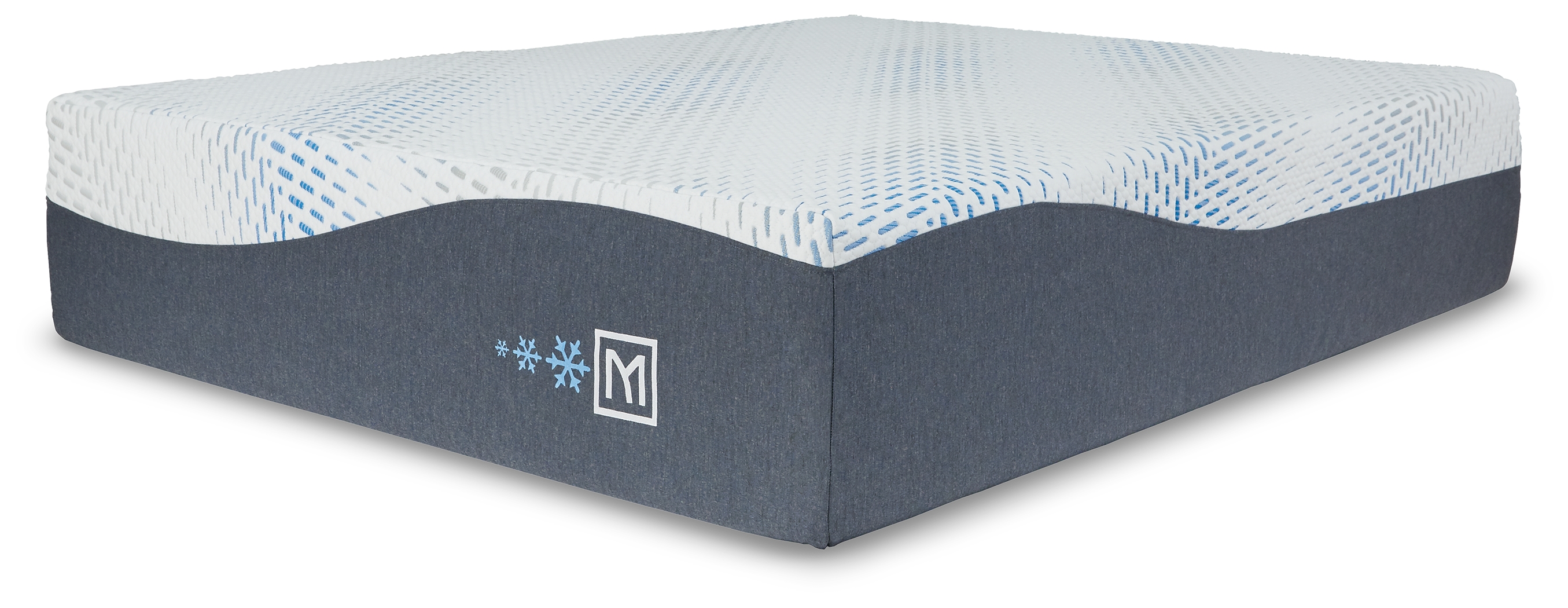
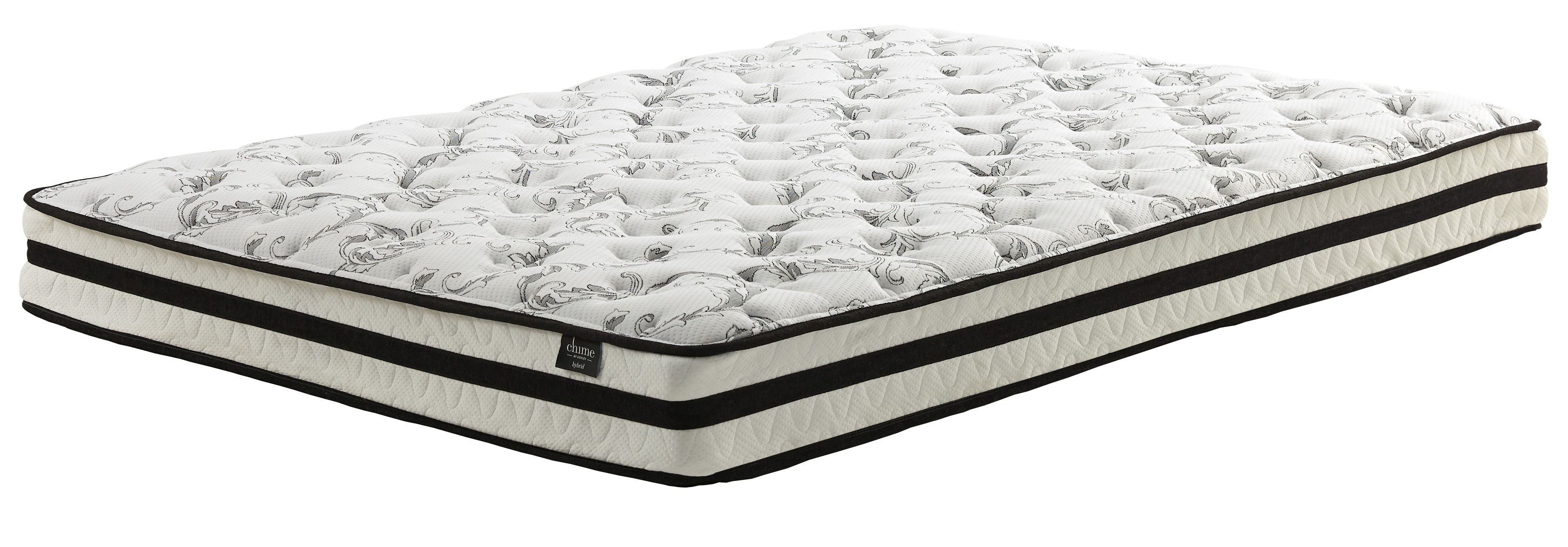
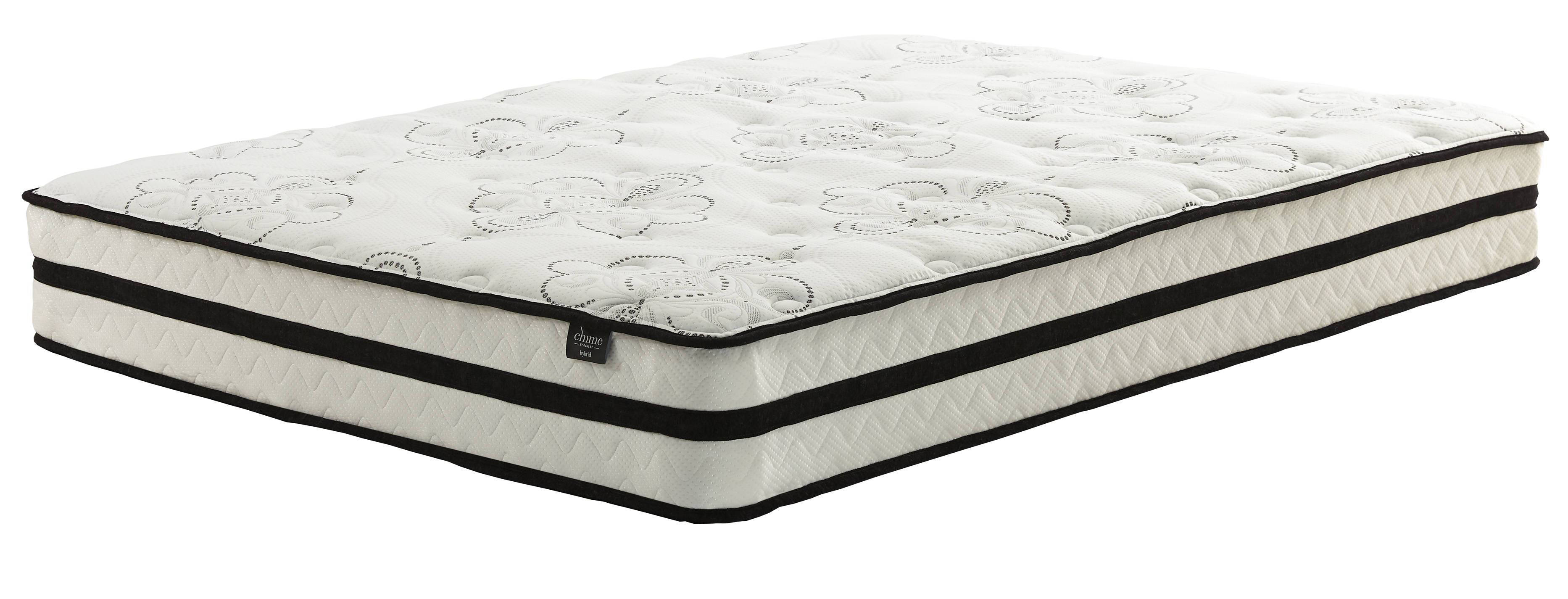
Memory foam mattresses conform closely to the body, reducing pressure on shoulders and hips and isolating motion so that one partner's movement doesn't disturb the other. The tradeoff is heat retention — foam traps body heat, which is why gel-infused or open-cell foam versions exist. Innerspring mattresses use a coil support system that provides more bounce, stronger edge support, and better airflow for cooler sleep. They are less effective at motion isolation than foam. Hybrid mattresses layer foam or latex comfort materials over a pocketed coil base, combining the pressure relief of foam with the support, cooling, and edge performance of innerspring — they are currently the best-selling mattress type. Latex mattresses (natural or synthetic) are durable, resistant to dust mites, and sleep cooler than memory foam, but are significantly heavier and more expensive.
What firmness level do I need?
On a standard 1–10 firmness scale (1 being softest, 10 being firmest), sleep position is the primary guide. Side sleepers generally need medium-soft (3–5) to allow the shoulder and hip to sink in and keep the spine neutral. Back sleepers do best with medium-firm (5–7), which supports the lumbar curve without allowing the hips to drop. Stomach sleepers need firm (7–9) to prevent the hips from sinking below the chest, which strains the lower back. Body weight is a secondary factor: heavier sleepers (over 230 lbs) tend to need one to two firmness levels firmer than the guideline above to achieve the same feel, while lighter sleepers (under 130 lbs) often need one level softer. Couples with different preferences can look for split-firmness models or choose medium-firm (6) as a compromise that works for most sleep positions.
What size bed frame do I need for a queen mattress?
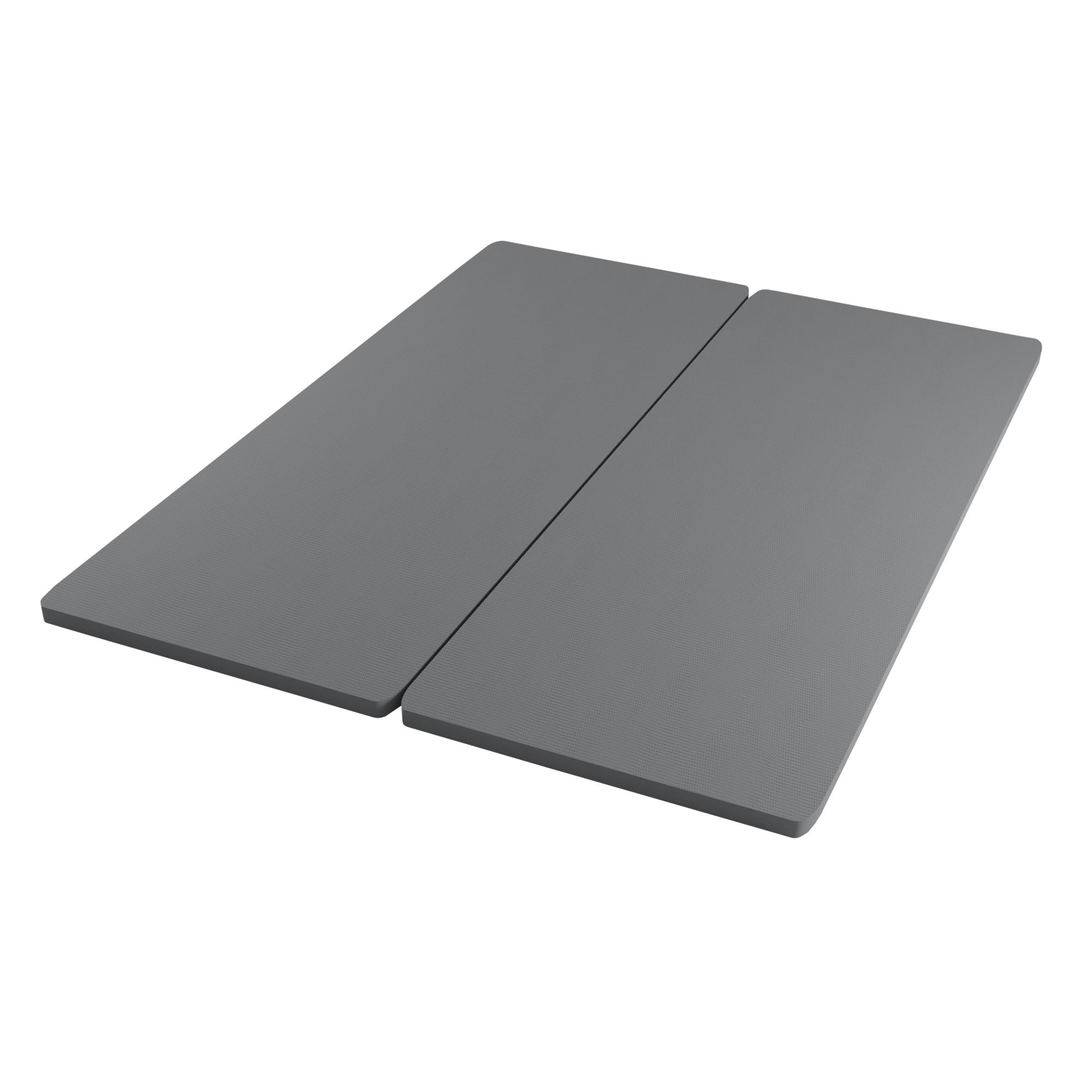
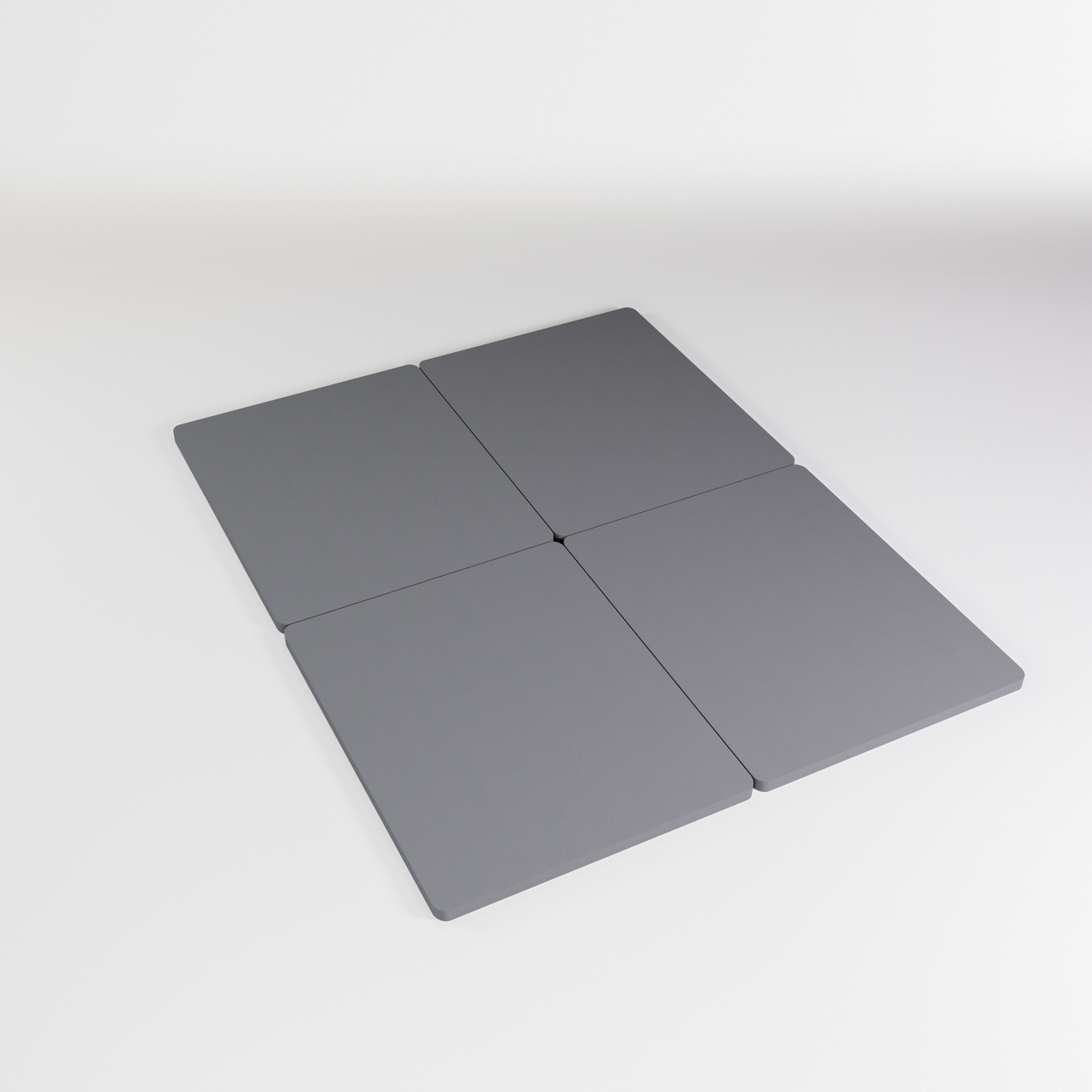
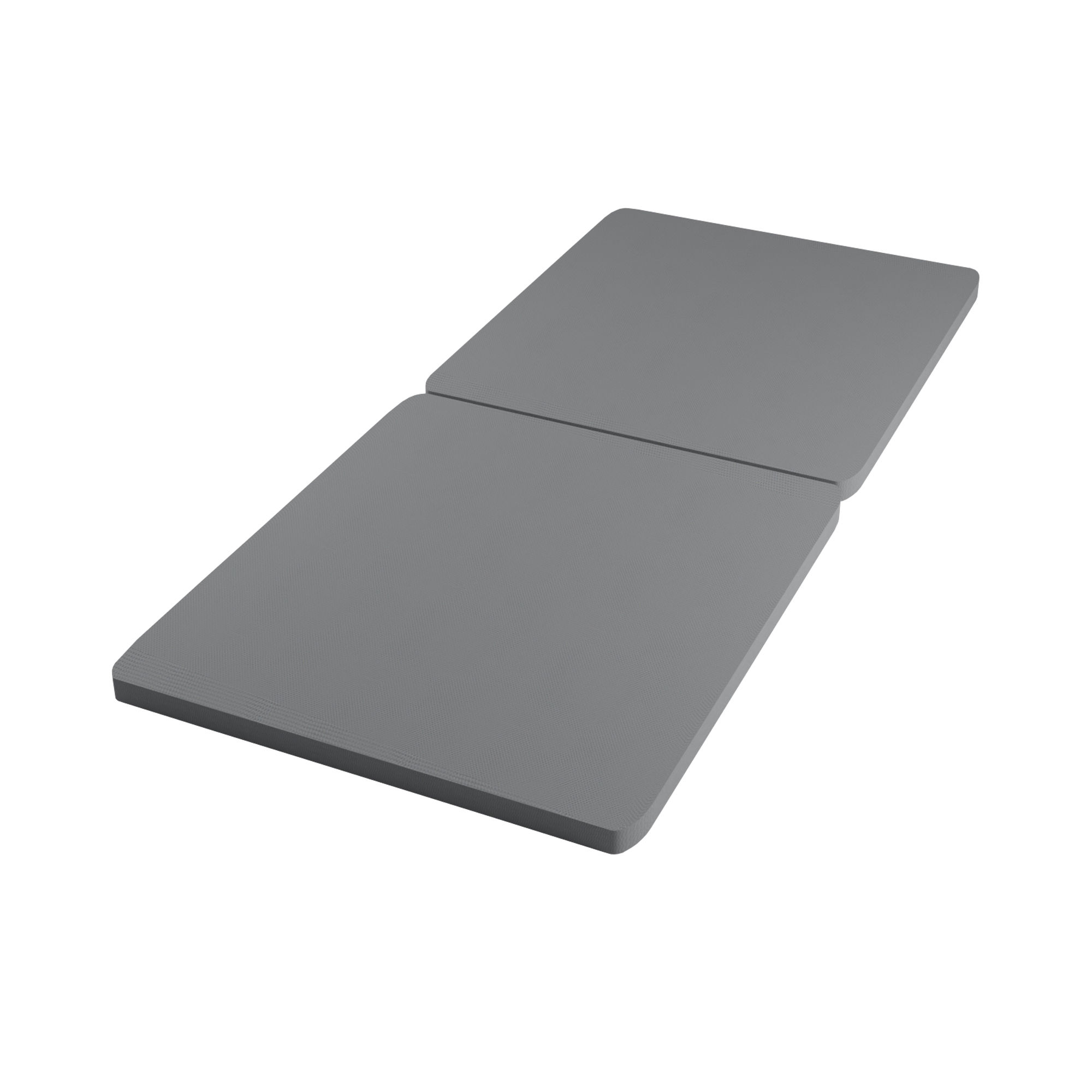
A queen bed frame must have an interior sleeping surface of at least 60"x80" to fit a standard queen mattress without overhang. Most queen frames measure 63–65 inches wide and 82–86 inches long on the outer dimension to account for the frame rail thickness. Platform frames have a solid or slatted surface and do not require a box spring; the mattress sits directly on the platform, reducing the overall bed height. Traditional metal frames or wooden frames without a solid deck require a box spring or bunkie board under the mattress for support. Queen headboards are typically 61–68 inches wide; an oversized headboard can be wider. Confirm doorway clearance before delivery — queen mattresses are usually rolled and compressed in a box when ordered online, but platform frames and headboards may require a doorway at least 30–32 inches wide to maneuver into place.
Queen Mattress Buying Tips
- Test a mattress for at least 10 minutes lying in your normal sleep position — sitting on the edge for a few seconds tells you very little about how it will feel at night.
- Look for a sleep trial of at least 100 nights when buying online; reputable brands offer 100–365 nights with free returns.
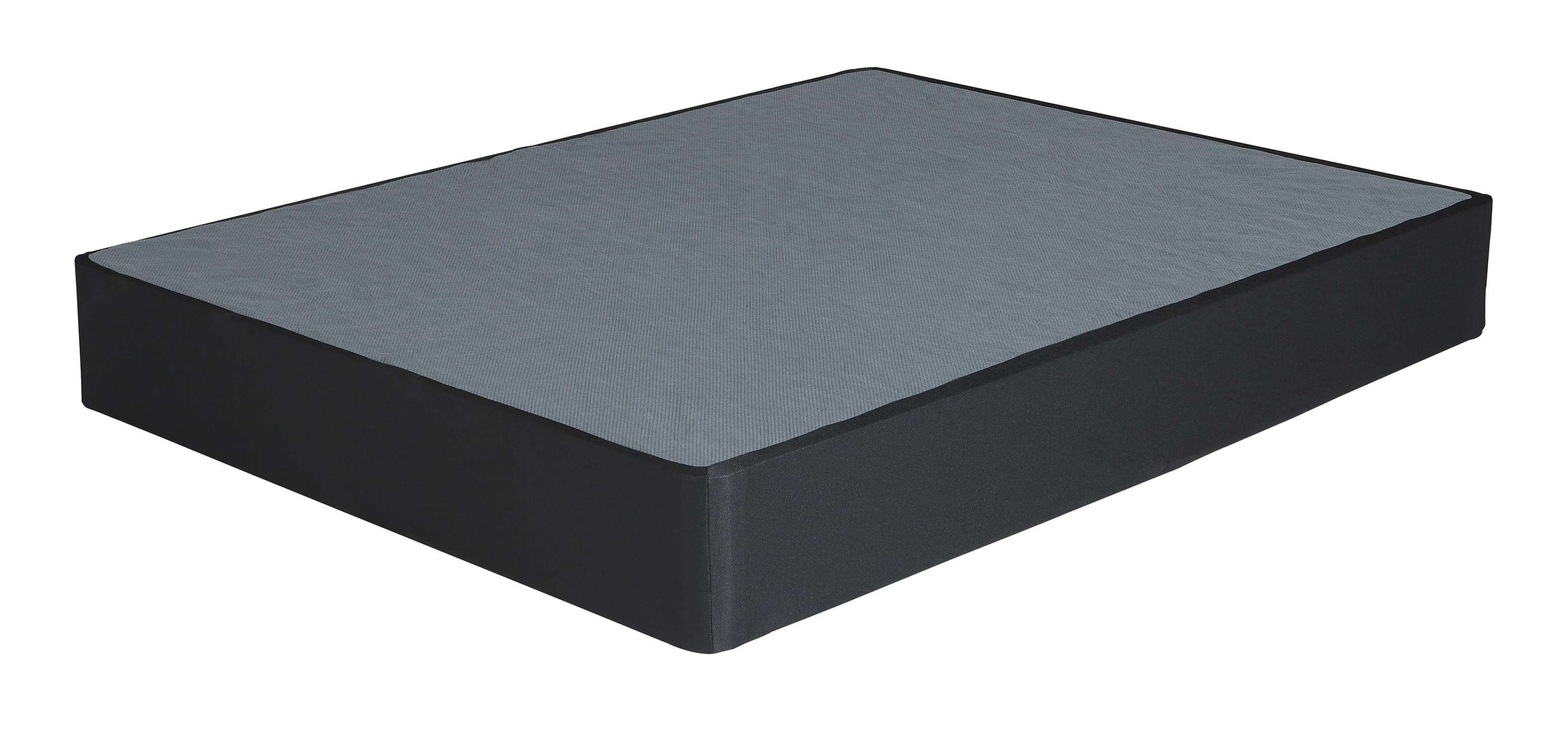
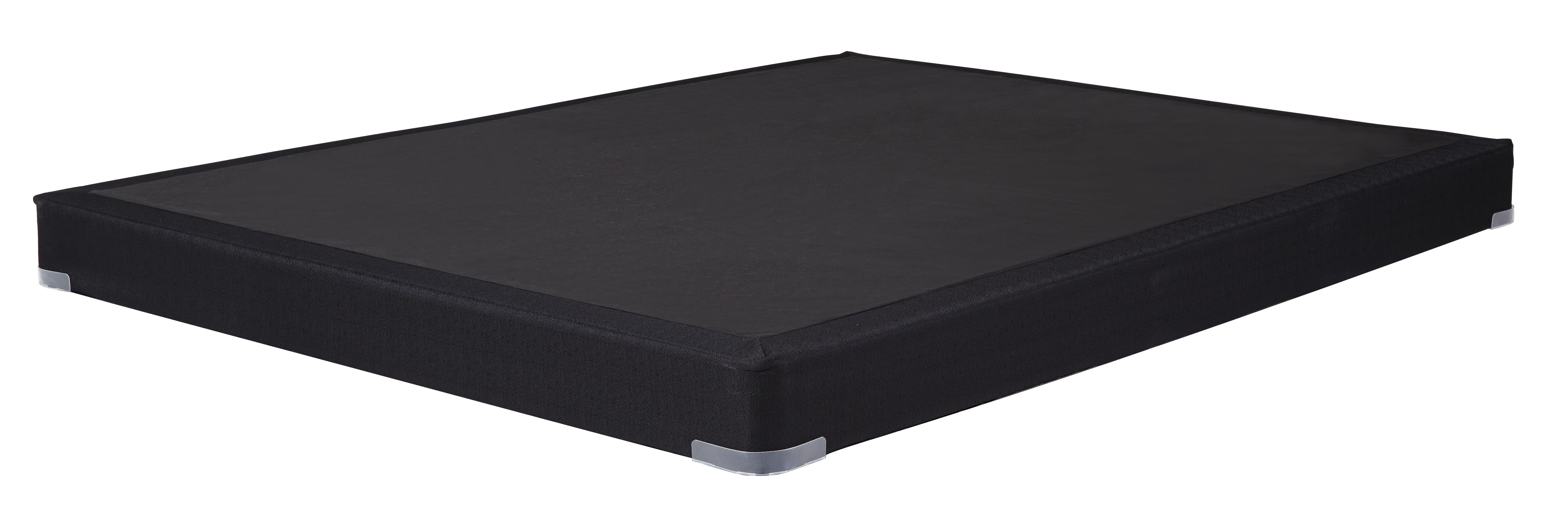
- Check whether a foundation or box spring is included or sold separately — the total cost for the sleep system is often higher than the mattress price alone.
- Rotate (but do not flip) most modern foam and hybrid mattresses 180 degrees every 3–6 months to distribute wear evenly.
- Use a mattress protector from day one — most mattress warranties are voided by stains, and a waterproof protector costs far less than a warranty claim replacement.