
 1-877-718-CLASSY (2527)
Mattress Sets Guide
A mattress set includes a mattress and a matching box spring or foundation. Sets are designed to work together, often at a lower combined price than buying separately, and using the matching foundation typically satisfies manufacturer warranty requirements.
What does a mattress set include?
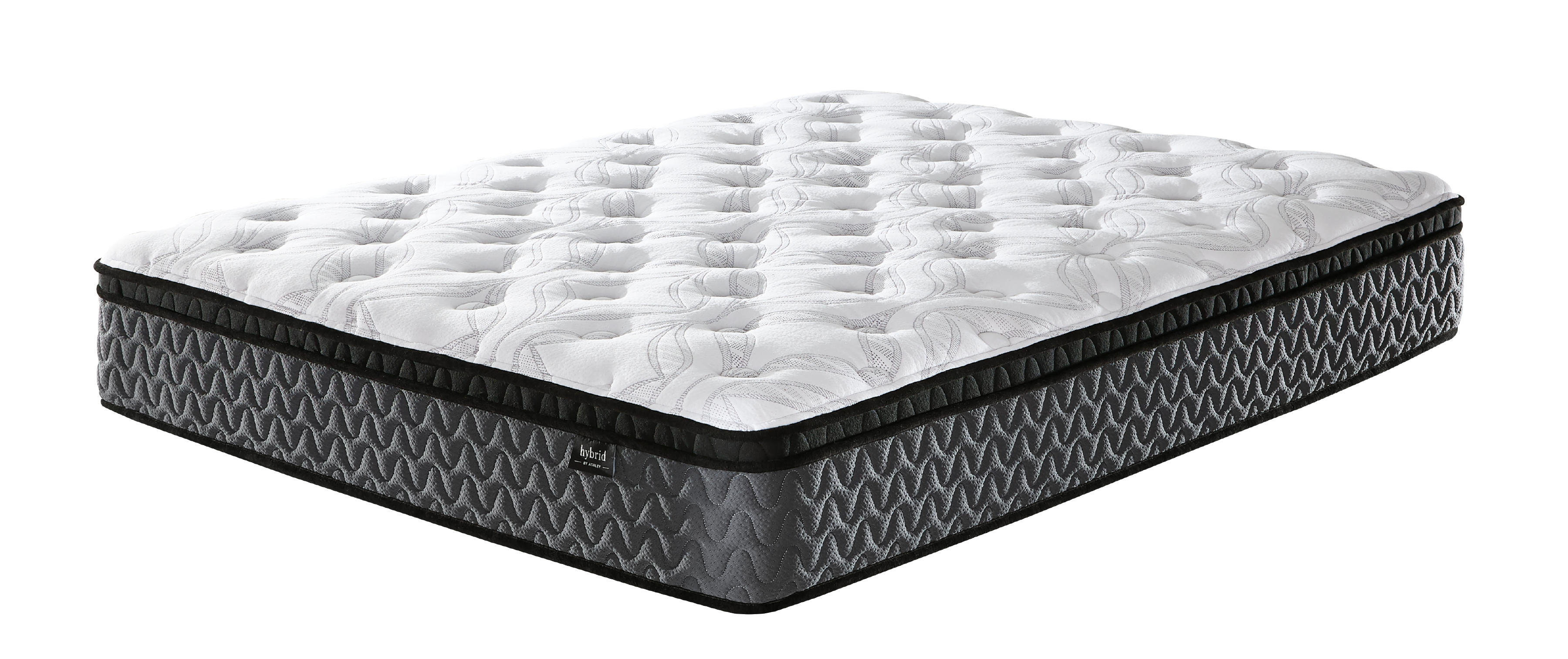
A standard mattress set consists of the mattress itself plus a box spring or foundation of the same size. Some sets also include a metal bed frame that supports the box spring, though this is less common in modern sets. The box spring or foundation adds structural support under the mattress, raises the sleeping surface to a comfortable height, and in the case of a traditional box spring, absorbs some of the shock from movement. Sets are available in all standard sizes: twin, twin XL, full, queen, king (which uses two twin box springs), and California king.
When do you need a box spring versus a platform base?
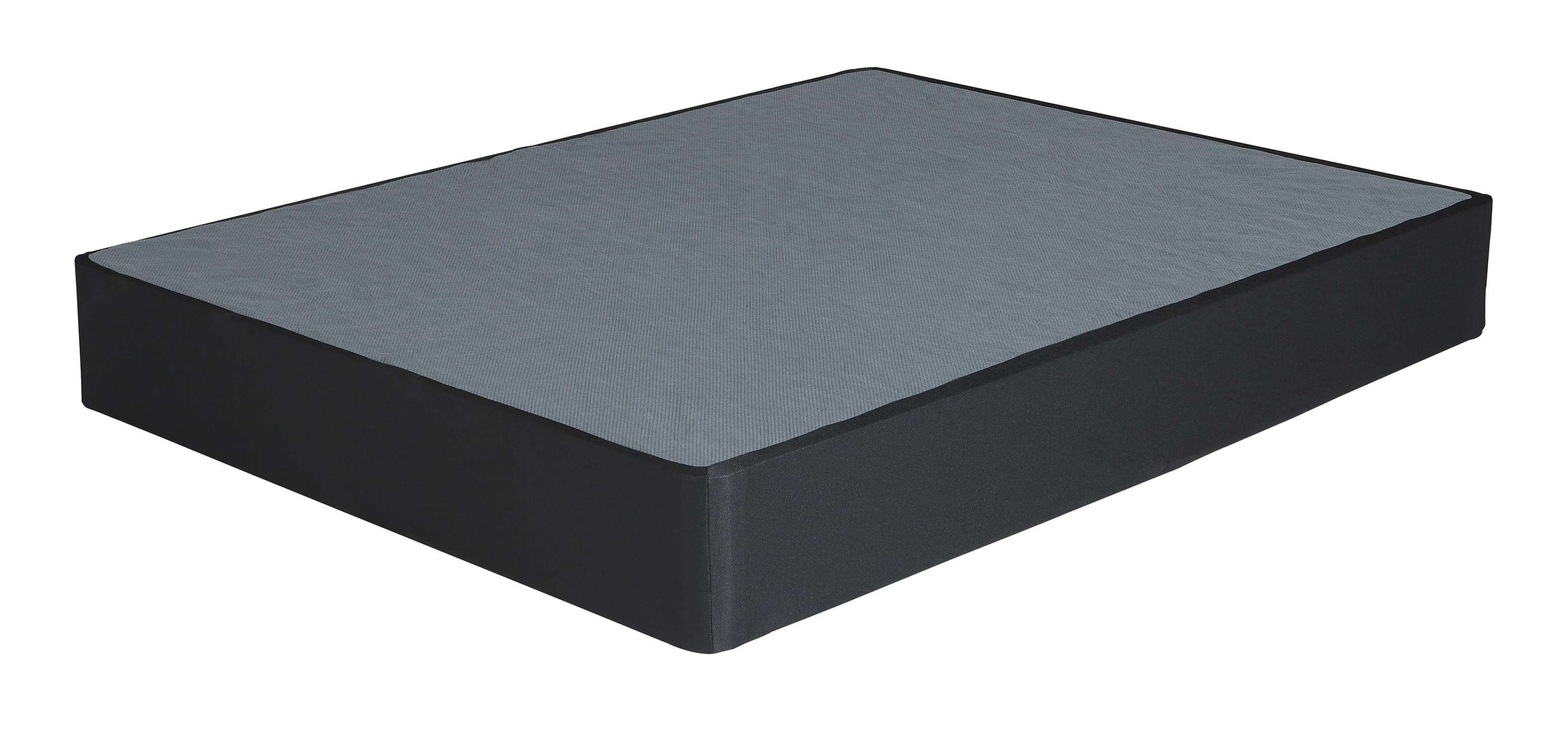
The answer depends on your mattress type and bed frame. Traditional innerspring mattresses were engineered to work with a box spring — the combined system provides the correct support and flex. Many manufacturers void the warranty if an innerspring mattress is placed on an incompatible surface. Foam mattresses, hybrid mattresses, and latex mattresses are better served by a rigid, flat base — a platform frame, solid foundation, or adjustable base. These mattress types do not benefit from the slight spring in a box spring and can actually develop uneven support if placed on one. Modern foundation boxes look like box springs but have a rigid internal grid rather than springs, making them appropriate for all mattress types.
What are the alternatives to a box spring?
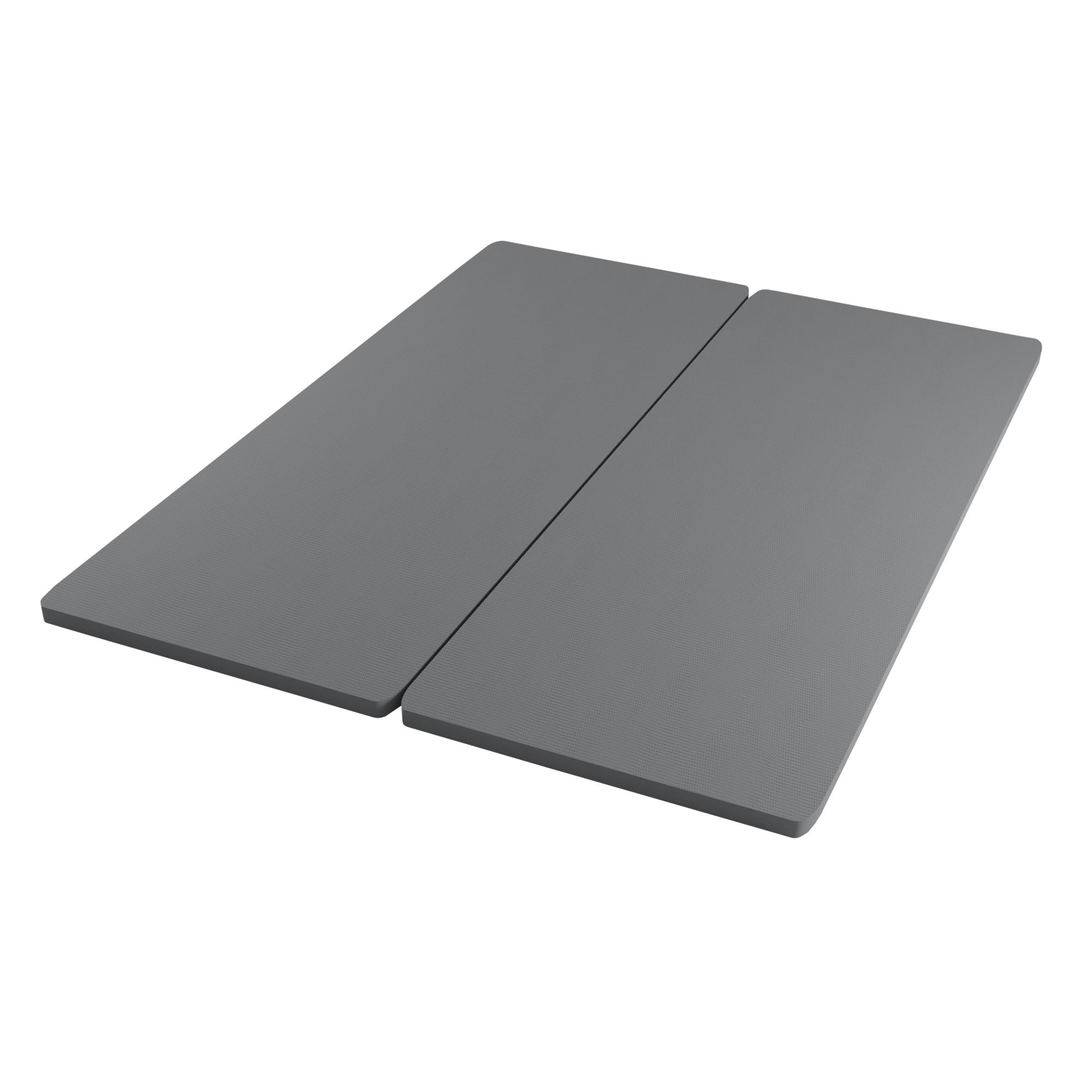
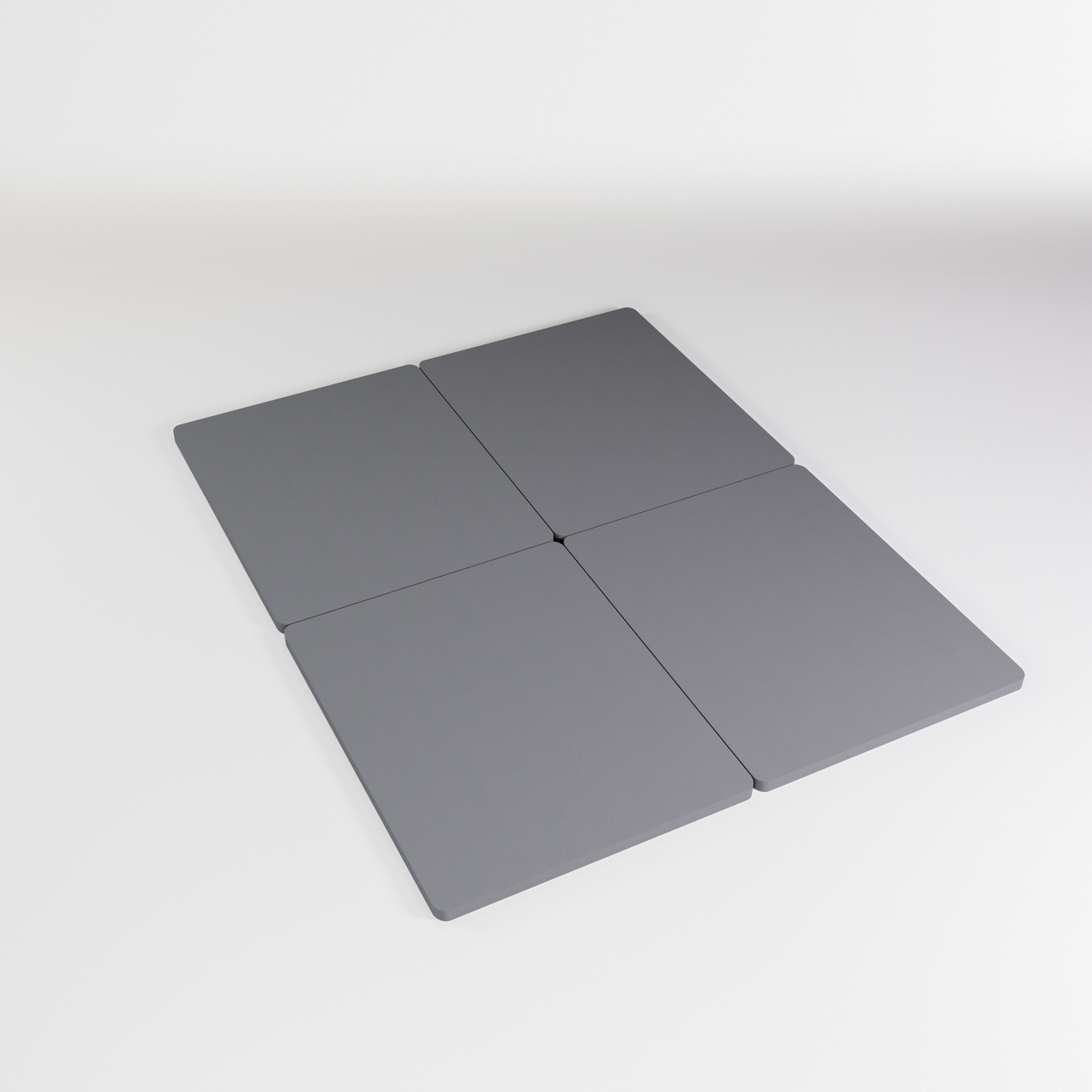
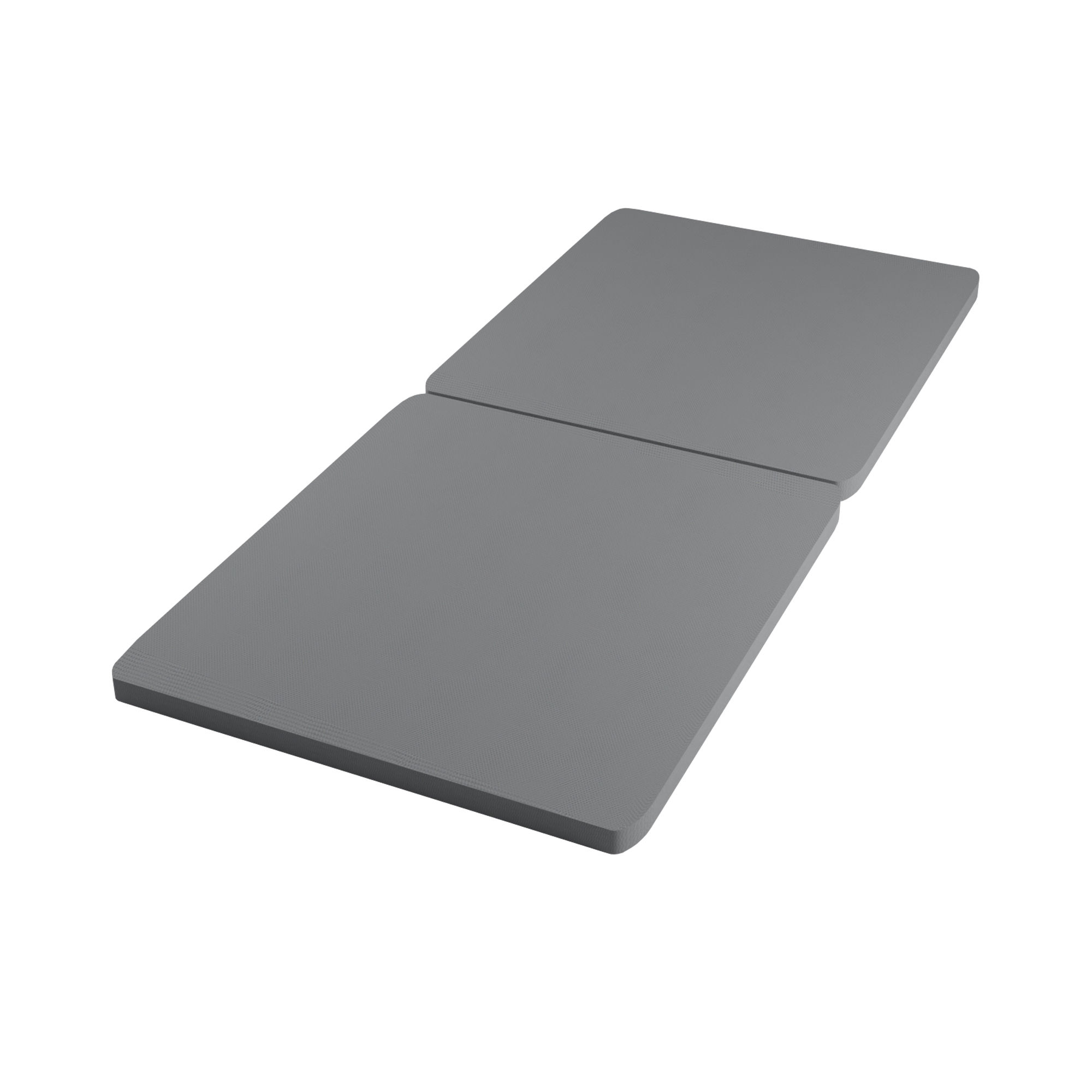
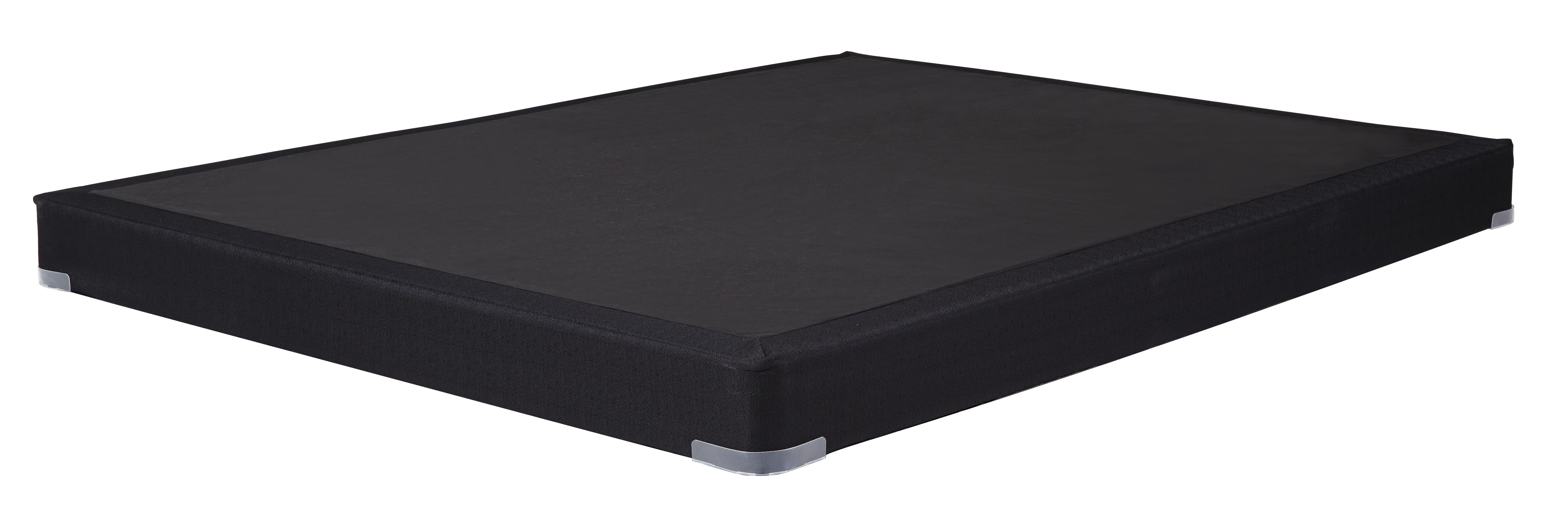
Several modern base options replace or supplement a box spring. A platform bed frame has a built-in slat system or solid surface that supports the mattress directly — no box spring needed, and the lower profile (typically 18 inches floor to top of mattress) suits contemporary room aesthetics. A bunkie board is a 1 to 2 inch thin panel that sits between the mattress and a slatted frame to provide a smooth surface without adding significant height. An adjustable base raises the head and/or foot of the mattress electronically and is compatible with foam and hybrid mattresses but not traditional innerspring. A slatted frame works if the slats are spaced no more than 2.75 to 3 inches apart — wider gaps allow foam mattresses to sag between slats over time.
How does base choice affect bed height?
A mattress alone on a platform frame typically sits 18 to 20 inches from floor to sleeping surface. Adding a standard box spring (9 inches) brings the total to 24 to 28 inches. A low-profile box spring (5 inches) results in a final height of 21 to 25 inches. An adjustable base adds 7 to 10 inches, resulting in a sleeping surface 26 to 30 inches high. Ergonomically, a bed height of about 25 inches — where a seated person can place their feet flat — is considered most practical for adults. For elderly individuals or those with mobility limitations, a higher bed (28 to 32 inches) is often easier to get in and out of.