
 1-877-718-CLASSY (2527)
Living Room Tables
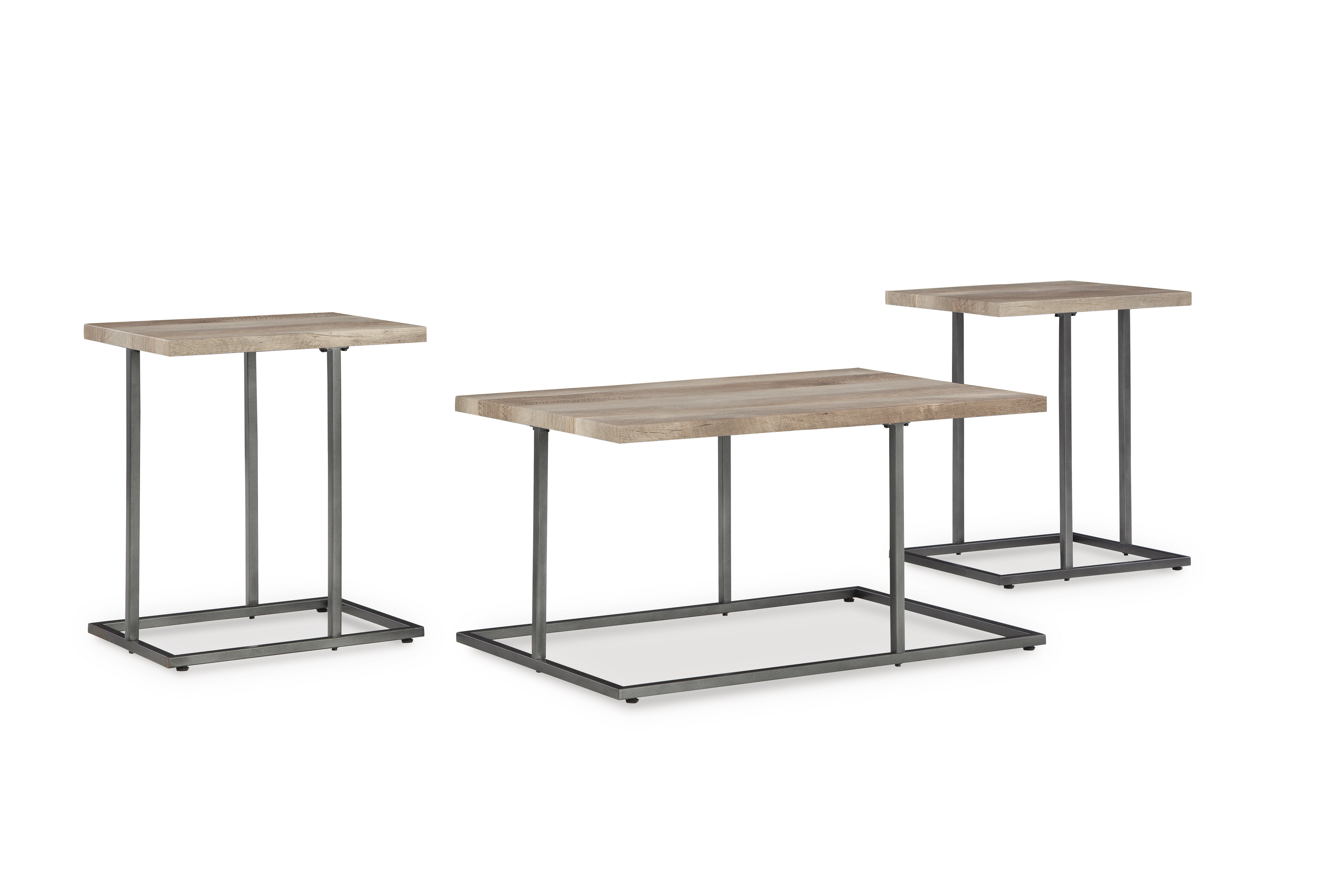
Living room tables include five main types — coffee tables, end tables, console tables, sofa tables, and nesting tables — each placed in a specific location and serving a distinct function. The coffee table should be approximately two-thirds the length of the sofa; end tables should match the sofa arm height within 1 to 2 inches.
What are the different types of living room tables and how are they used?
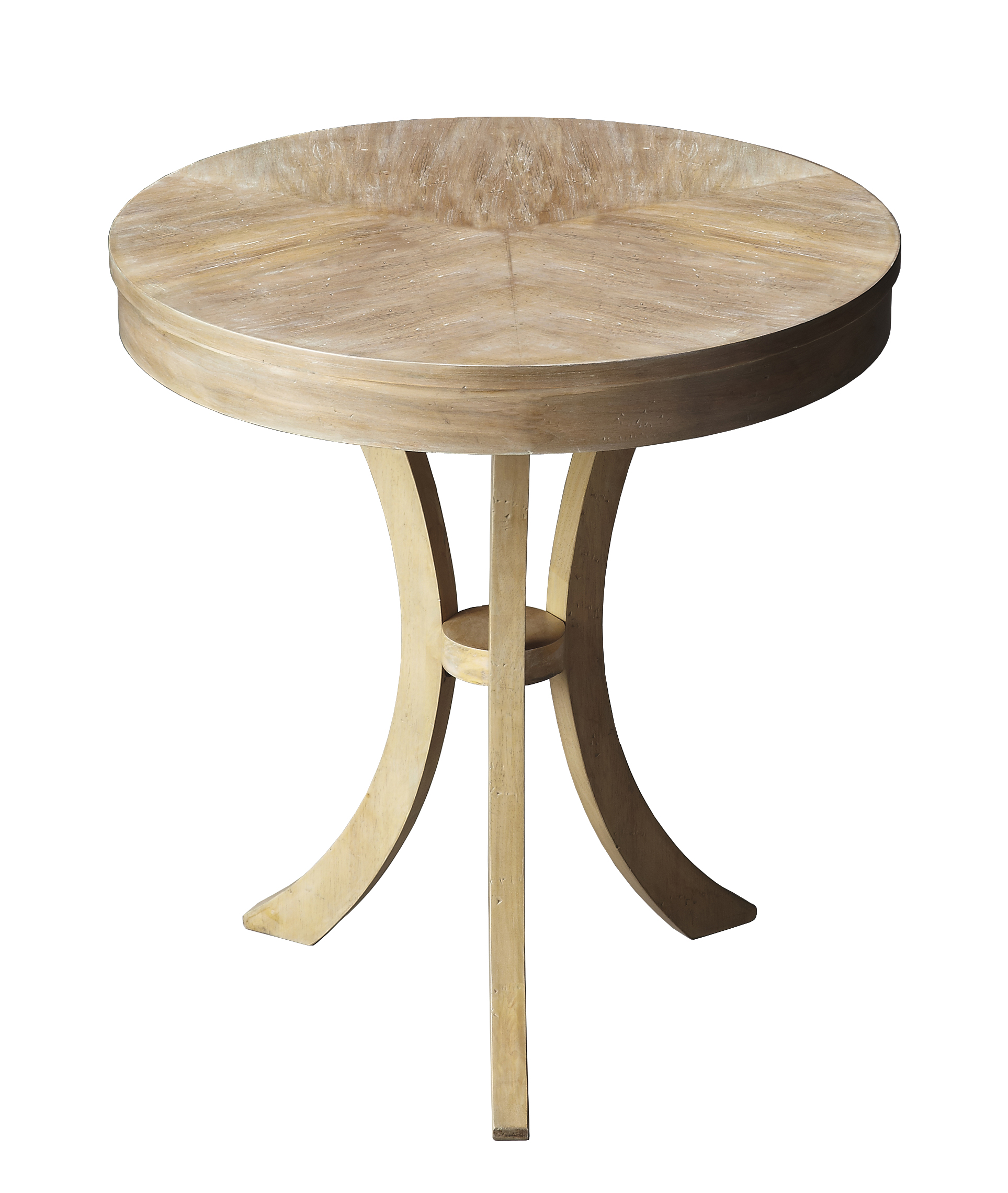
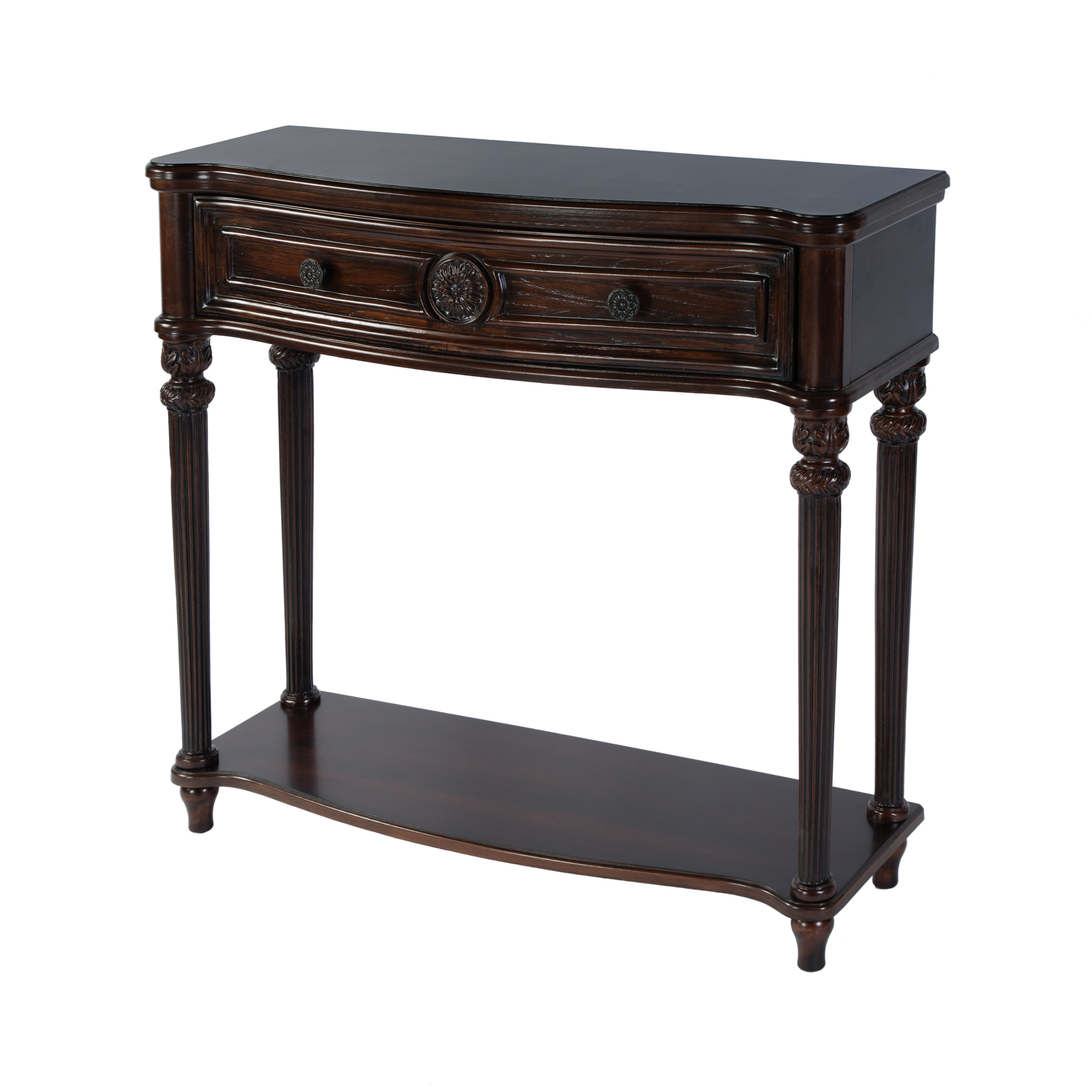
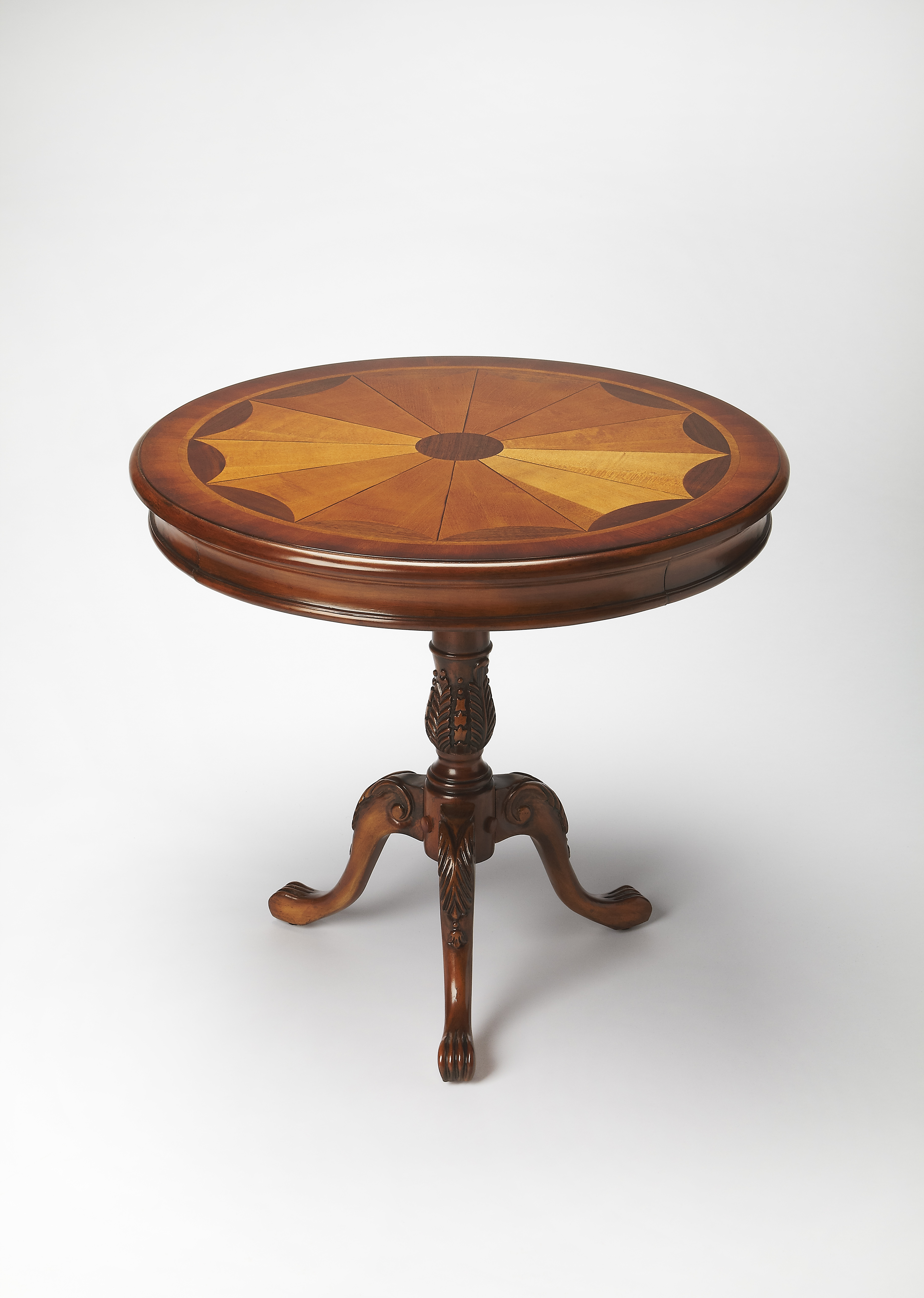
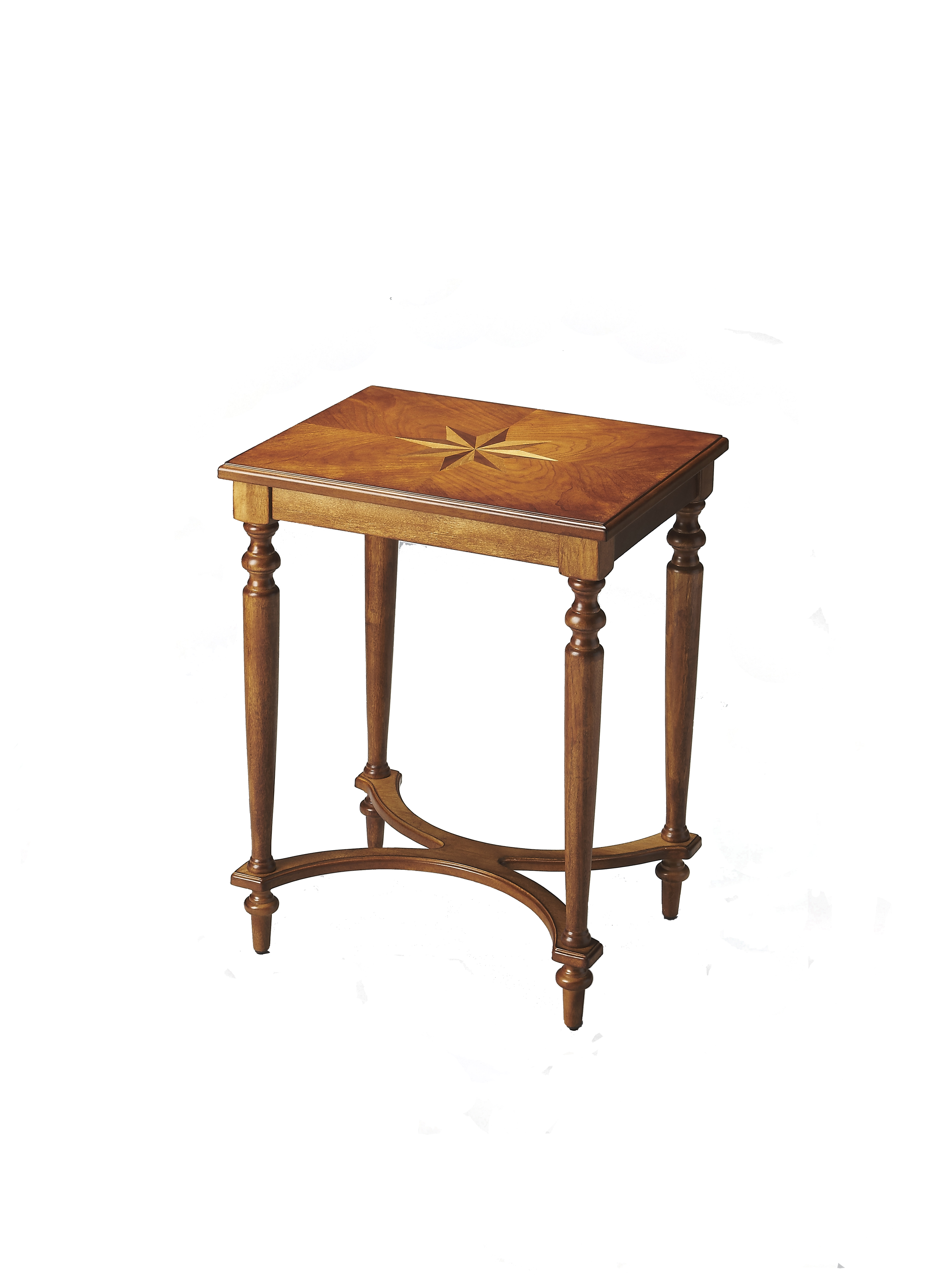
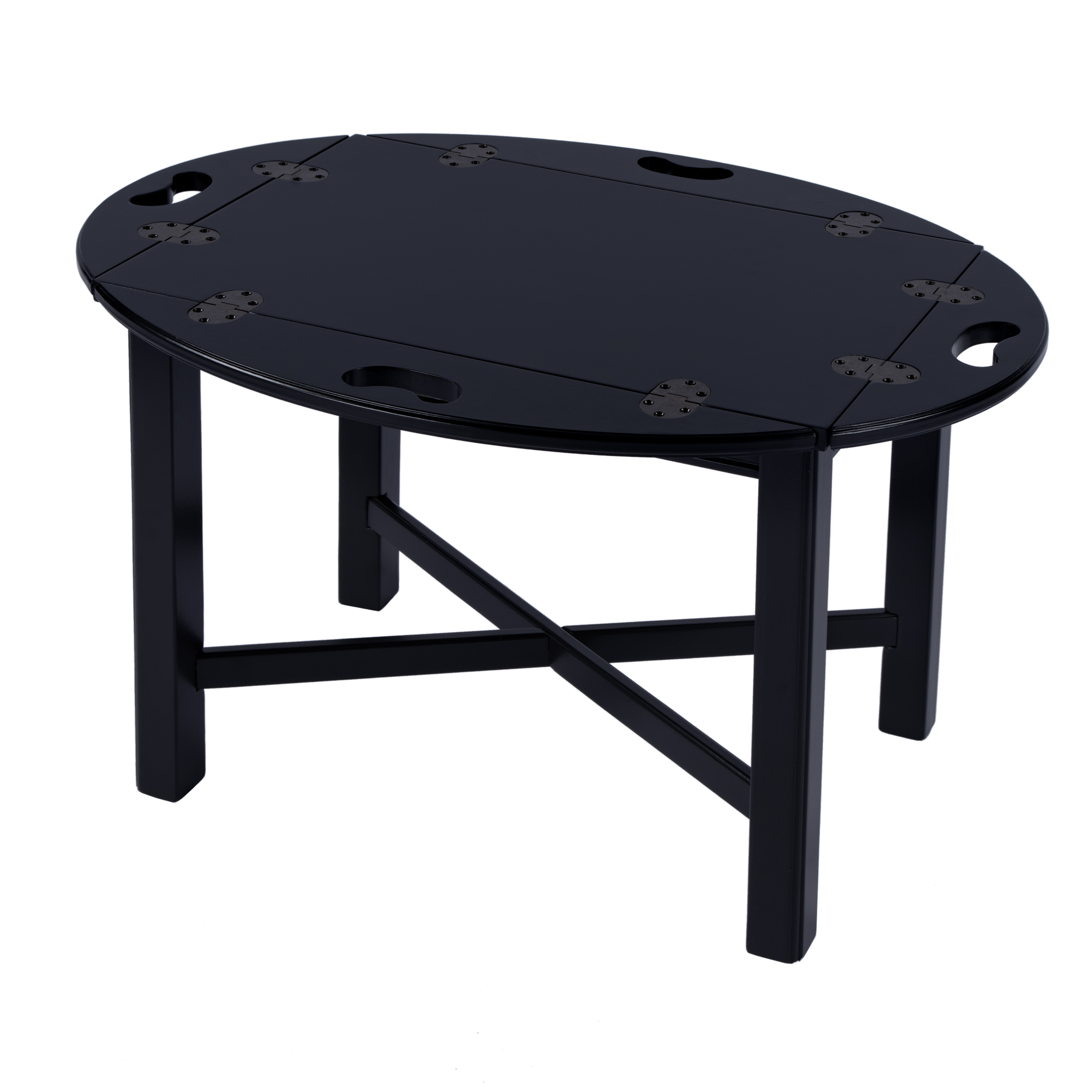
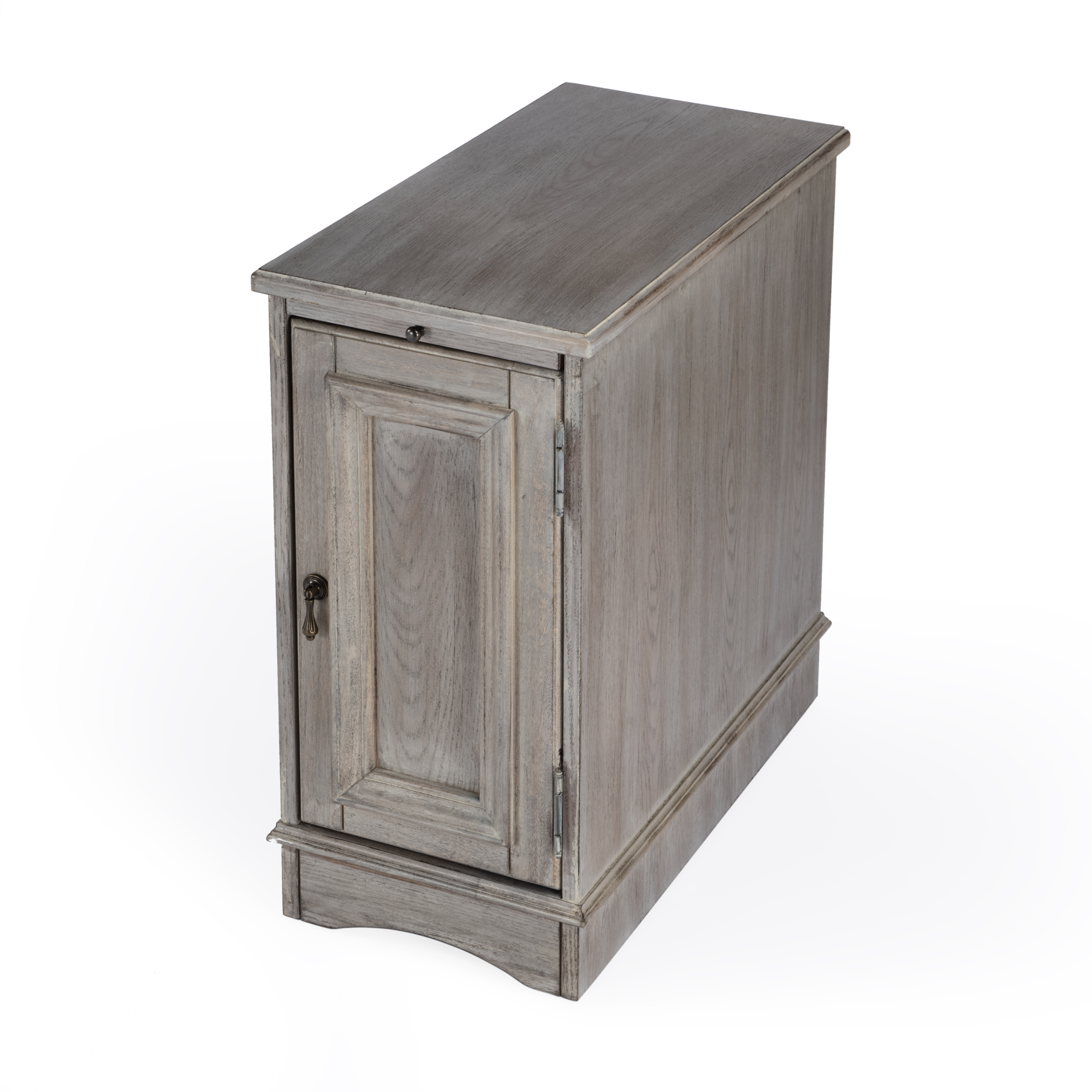
Coffee tables are the primary surface piece in a living room seating group, placed in front of the sofa at a height of 16 to 18 inches — close to seat height for comfortable reach. End tables (side tables) sit at the ends of sofas and beside accent chairs; they hold table lamps, drinks, and small objects. Console tables are narrow and tall (30 to 36 inches high, 10 to 14 inches deep) and are placed against walls or behind sofas where a deep table would block traffic. Sofa tables are a specific type of console placed directly behind a free-floating sofa, at or slightly below the sofa back height, to anchor the back of the seating arrangement and provide a surface for lamps and decor. Nesting tables (usually sold in sets of two or three) are graduated-size tables that stack under each other for storage; individual pieces pull out to provide surfaces for additional seating during entertaining or family use.
How do you size a coffee table for a sofa?
The standard rule is that the coffee table should be approximately two-thirds the length of the sofa. A 90-inch sofa (7.5 feet) pairs well with a coffee table 55 to 60 inches long. The coffee table should sit 14 to 18 inches in front of the sofa — close enough to reach from a seated position without leaning forward uncomfortably, but far enough to allow people to walk through. In height, a coffee table should be within 1 to 2 inches of the sofa seat height (typically 16 to 18 inches) so that the surface is at a natural reach. For sectionals, measure the length of the facing section and apply the same two-thirds rule.
What materials are used in living room tables, and can you mix them?
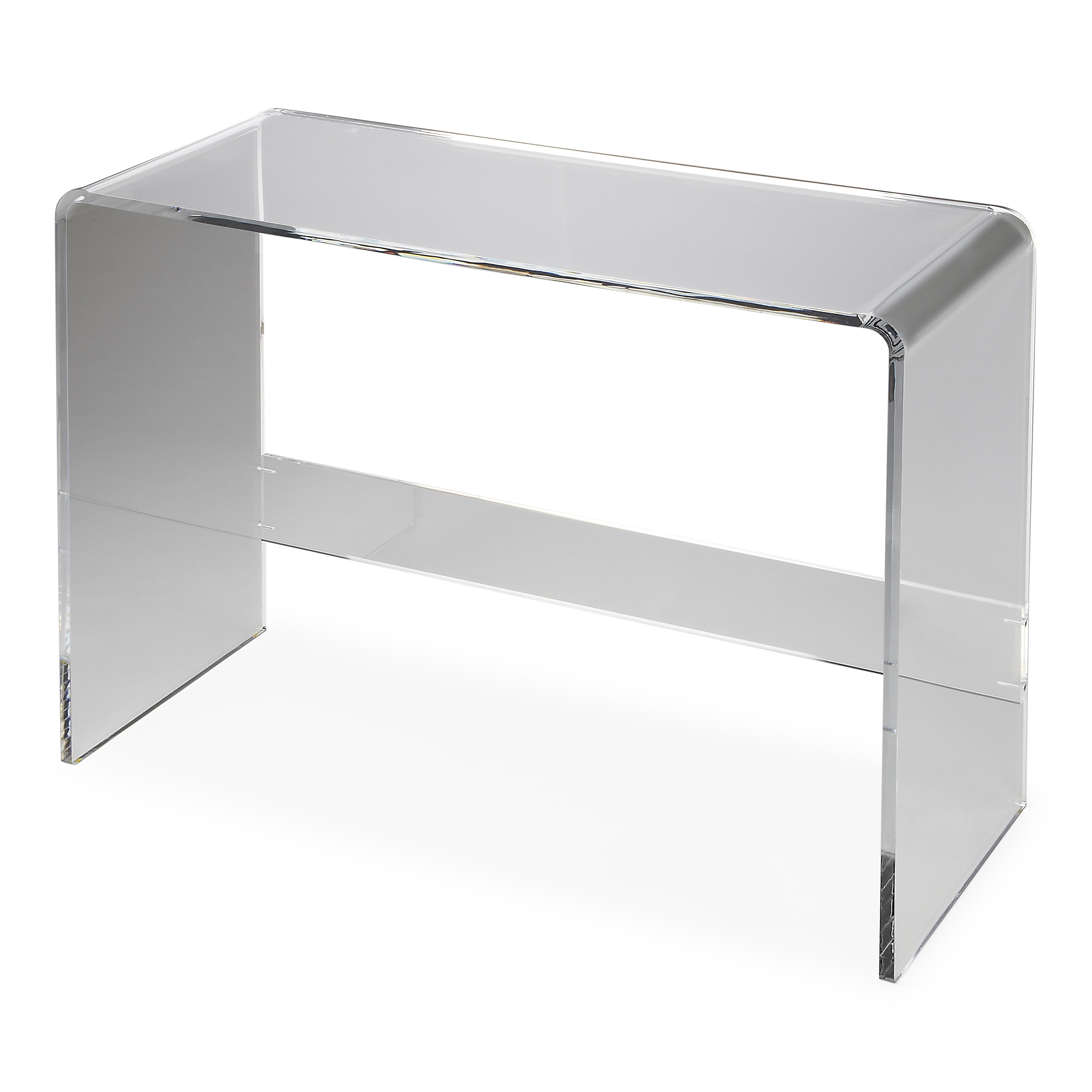
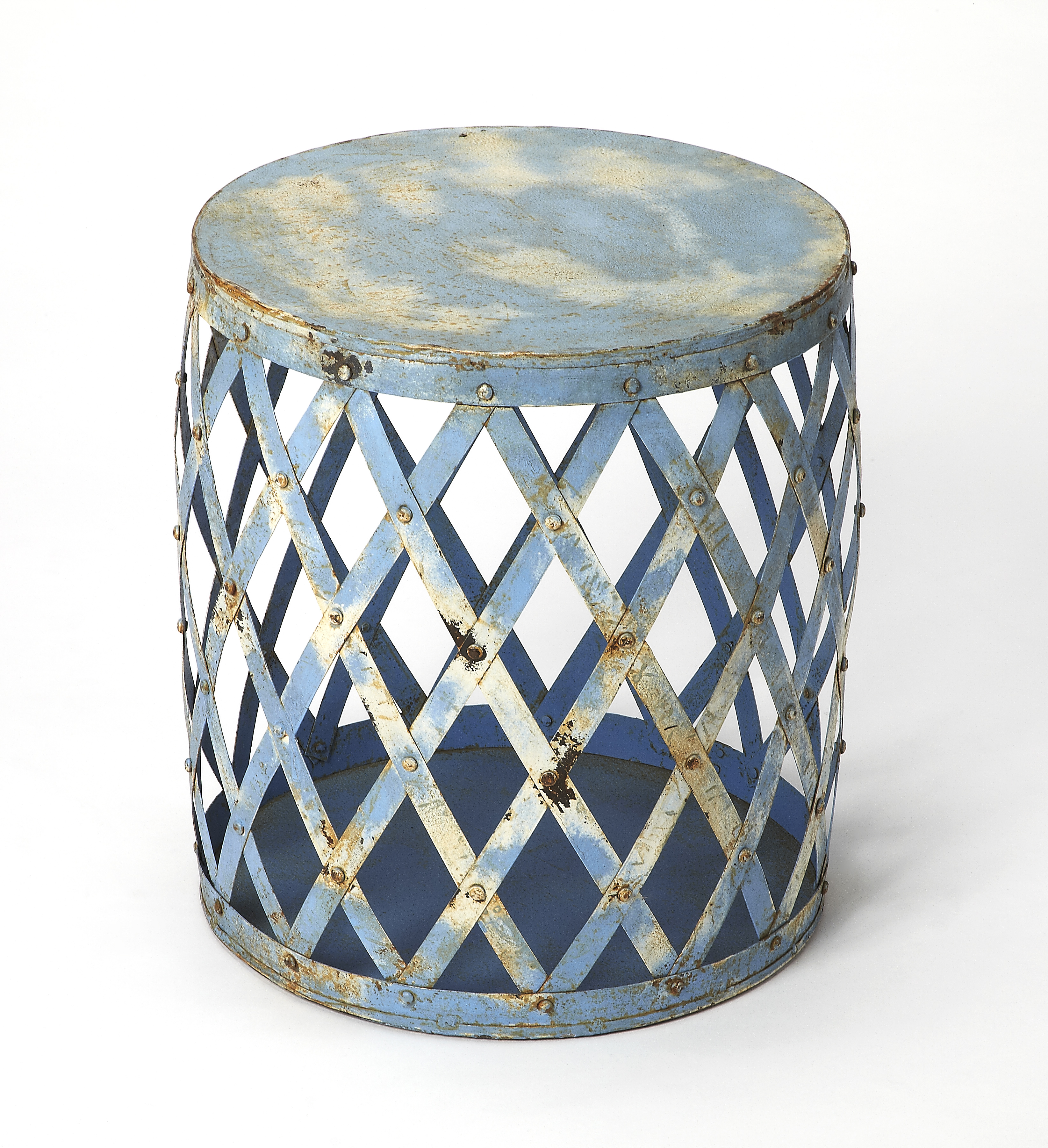
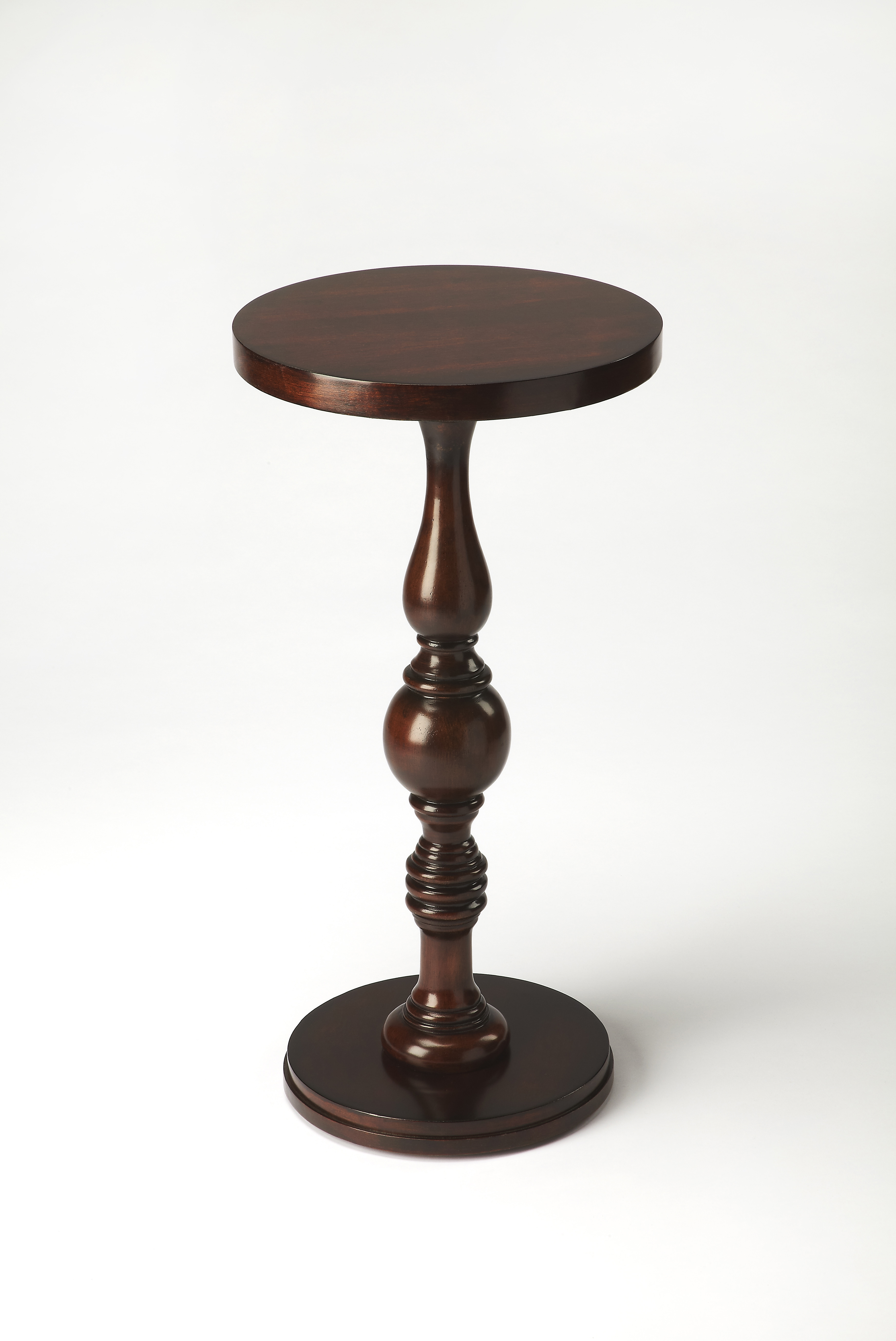
Living room tables are made in wood (solid and veneer), metal, glass, marble and stone, acrylic, and combinations of these. Mixing materials within one room is standard — the practice adds visual interest and prevents the room from looking like a matched set. Effective mixing follows two principles: keep the number of distinct materials limited to three or four across all tables in the room, and ensure at least one attribute connects tables to each other or to other pieces. A walnut coffee table, black metal end tables, and a marble-topped console table work together because the warm wood tone and the cool metal are balanced, and the marble's veining can pick up both tones. Glass tables are versatile because their transparency makes them compatible with nearly any surrounding material.
What should you consider when choosing tables for a room with young children?
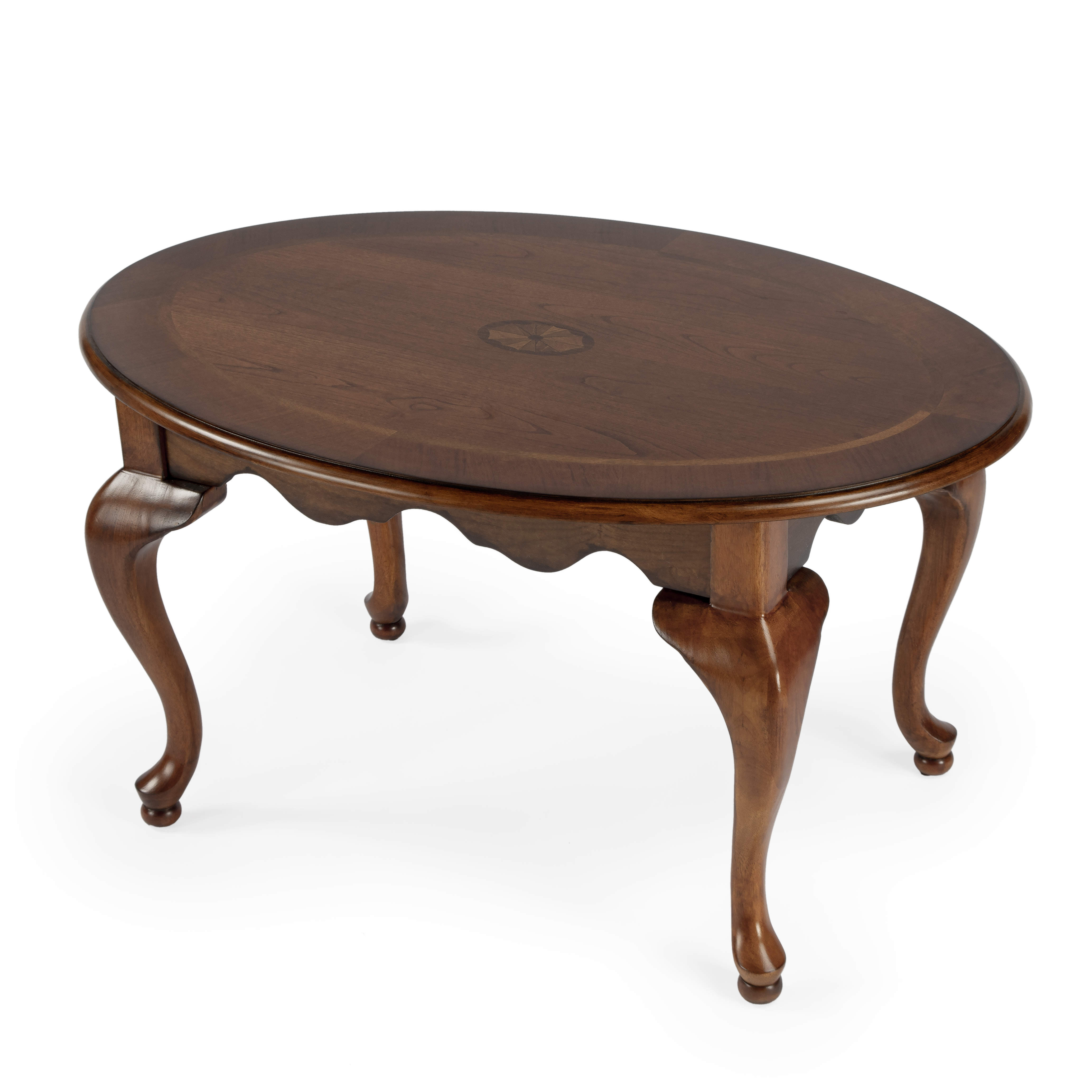
Sharp corners on coffee tables and end tables are the primary safety concern in rooms used by toddlers and young children. Round and oval coffee tables eliminate corner injuries entirely; oval tables offer the same safety while still fitting naturally in front of a rectangular sofa. If a rectangular table is preferred, look for tables with corner radius (softly rounded corners rather than 90-degree edges) or consider adding silicone corner guards. Low coffee tables (16 inches or below) reduce the impact height if a child falls against the edge. Glass tops are not recommended in rooms with young children regardless of corner shape — tempered glass is safe in the sense that it breaks into blunt pellets rather than shards, but the breaking event itself is hazardous. Solid wood, stone, and metal tops are more appropriate for family rooms with toddlers.