
 1-877-718-CLASSY (2527)
Living Room Accent Chairs
Living room accent chairs include several distinct types — club chairs, wingbacks, barrel chairs, slipper chairs, and chaises — each with different proportions and best uses. Standard accent chairs run 28 to 32 inches wide with seat heights of 17 to 19 inches.
What are the main types of living room chairs and what is each best for?
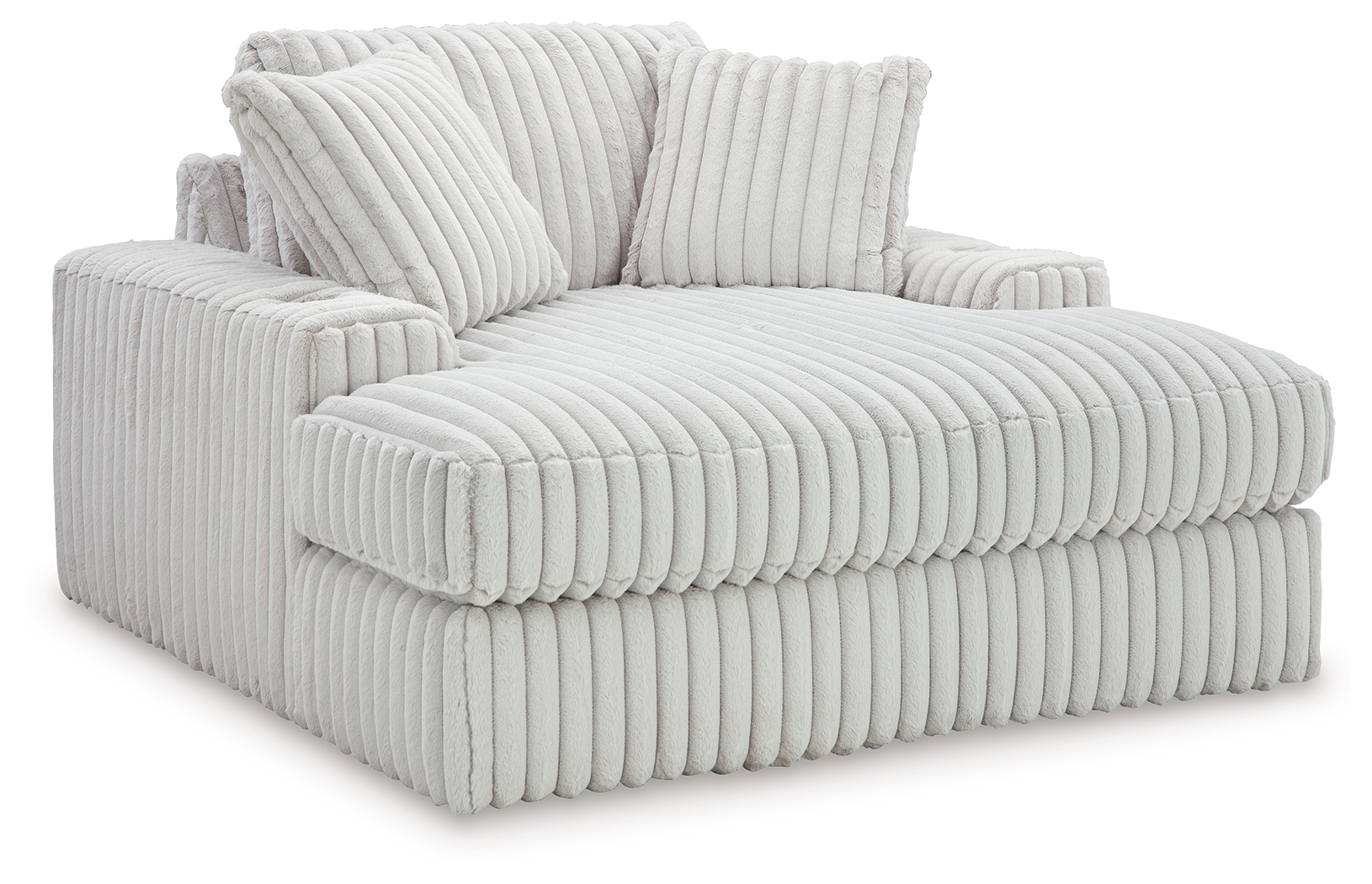
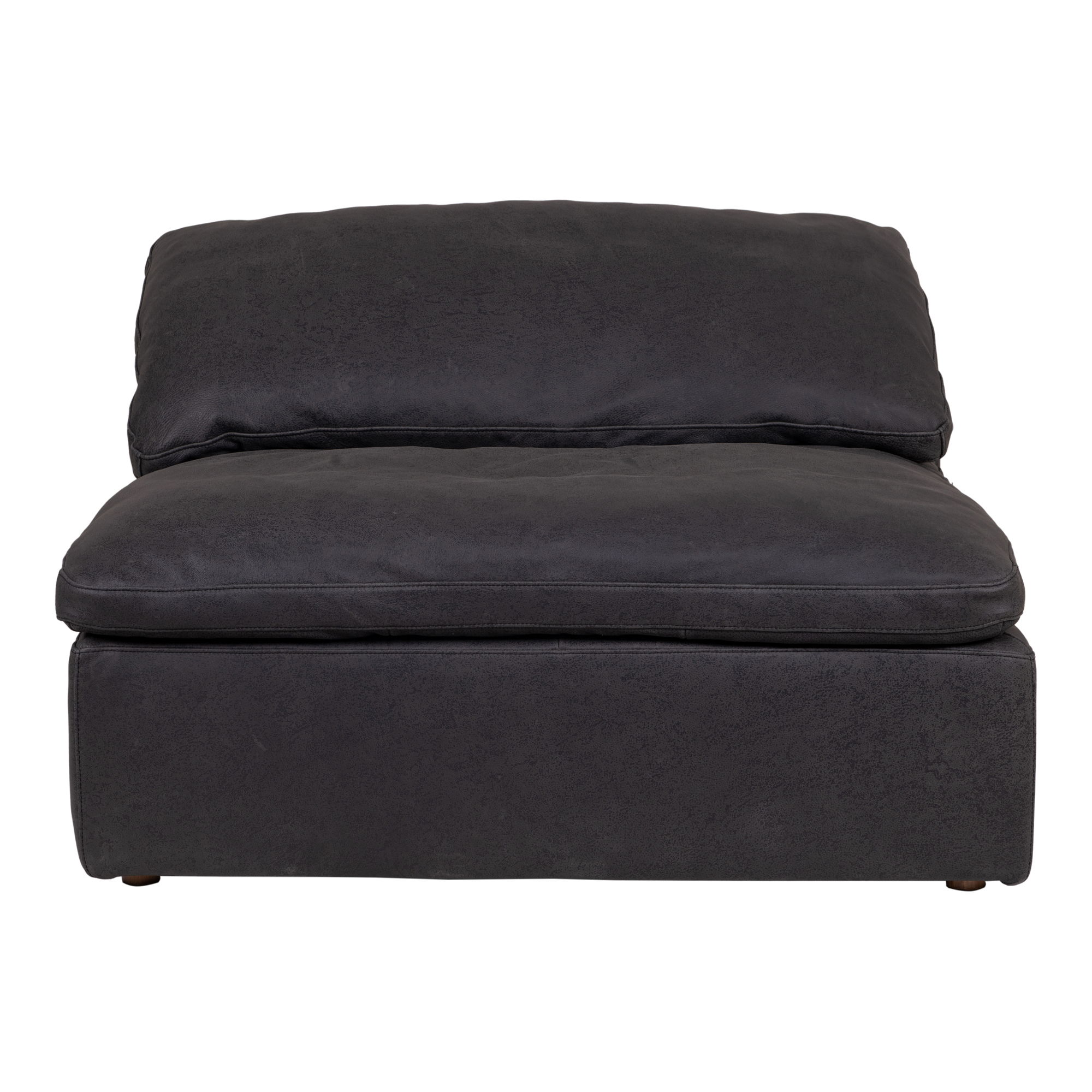
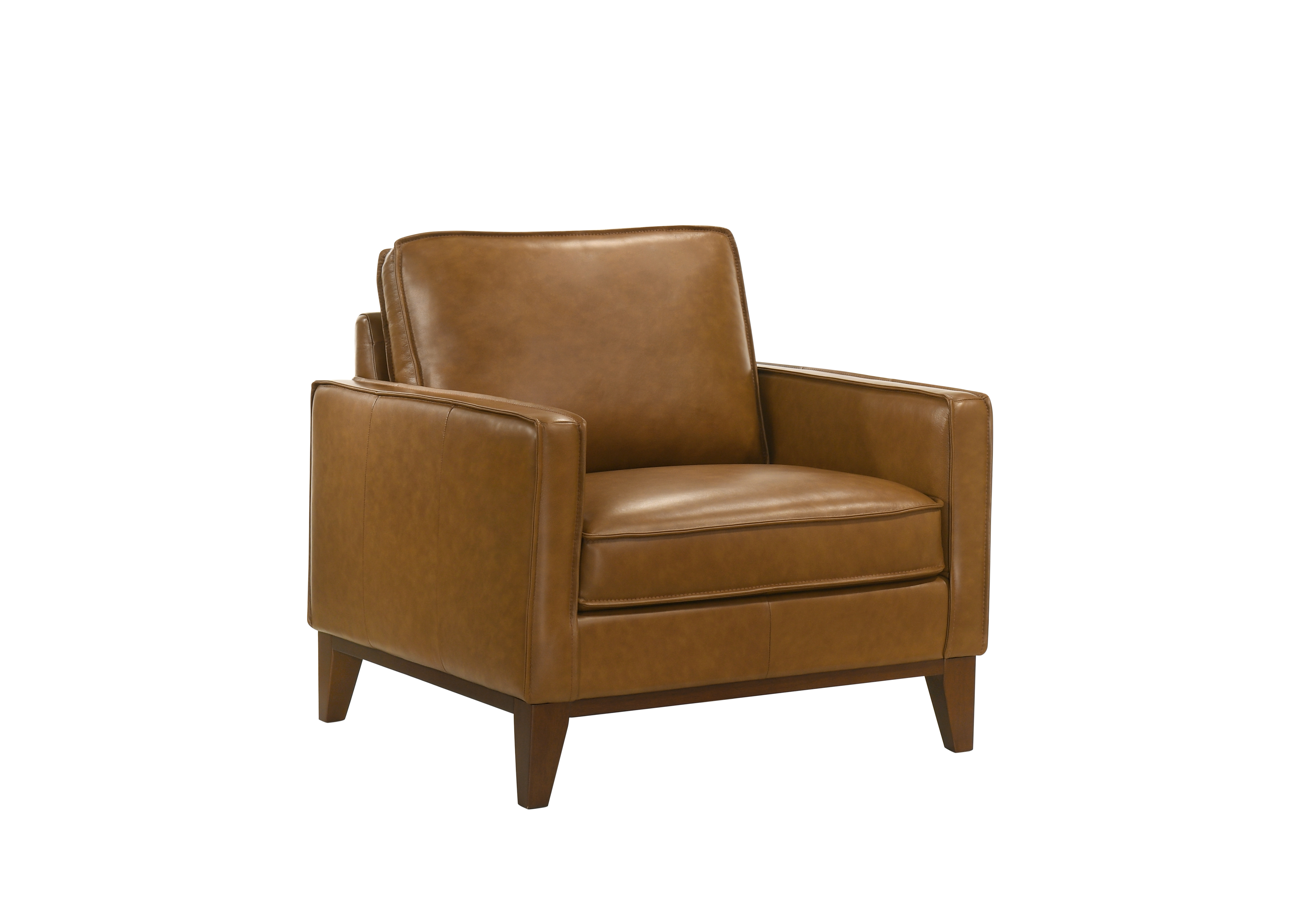
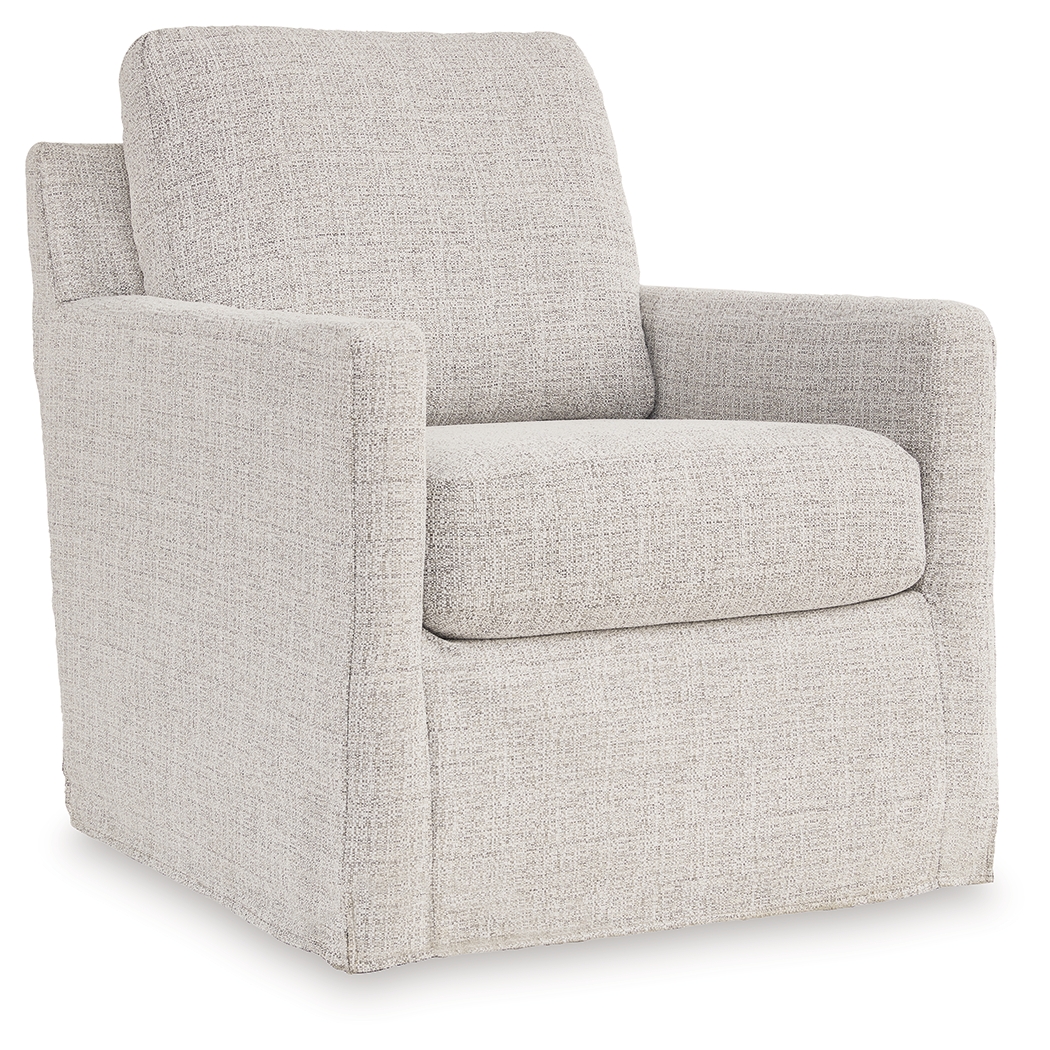
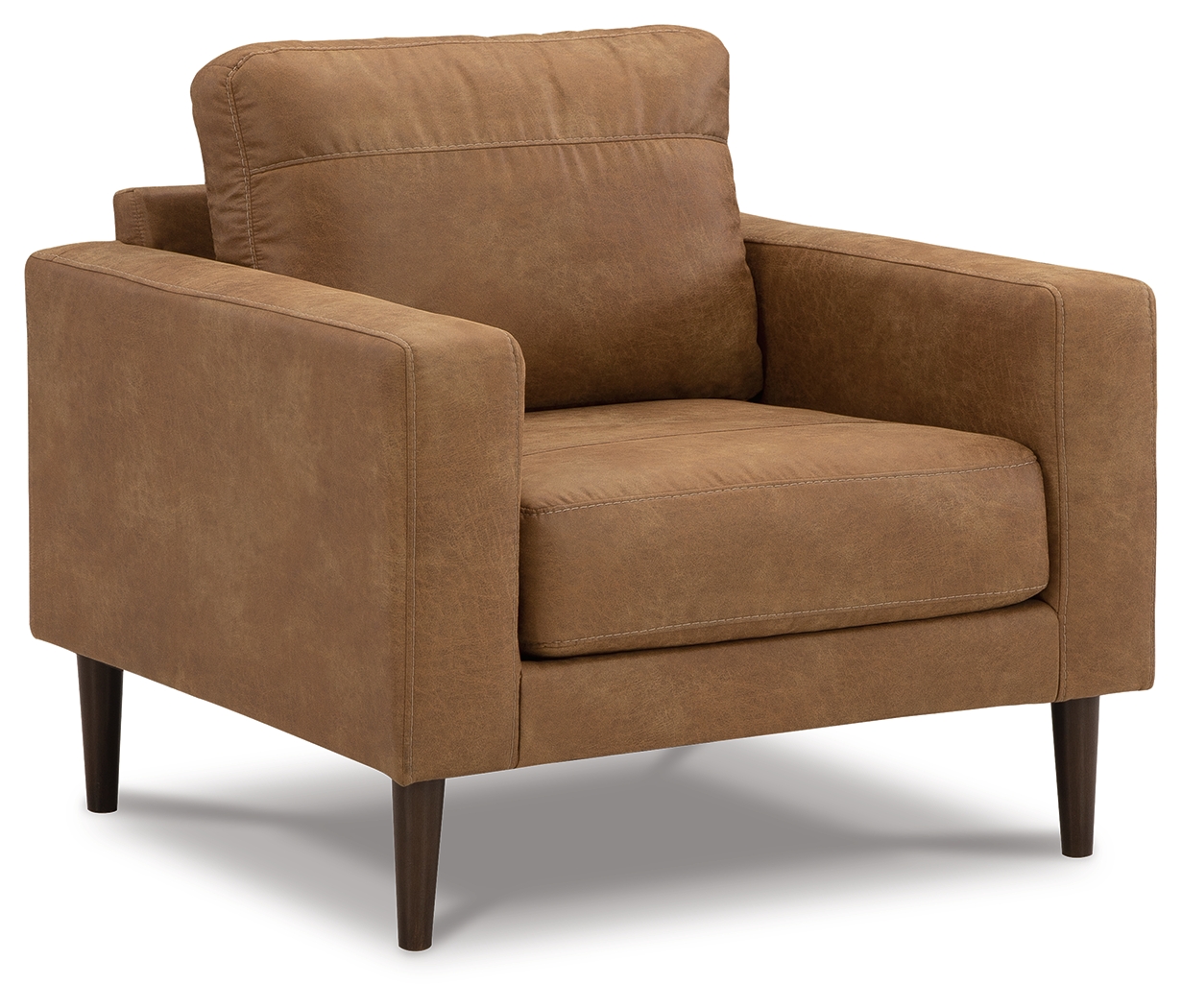
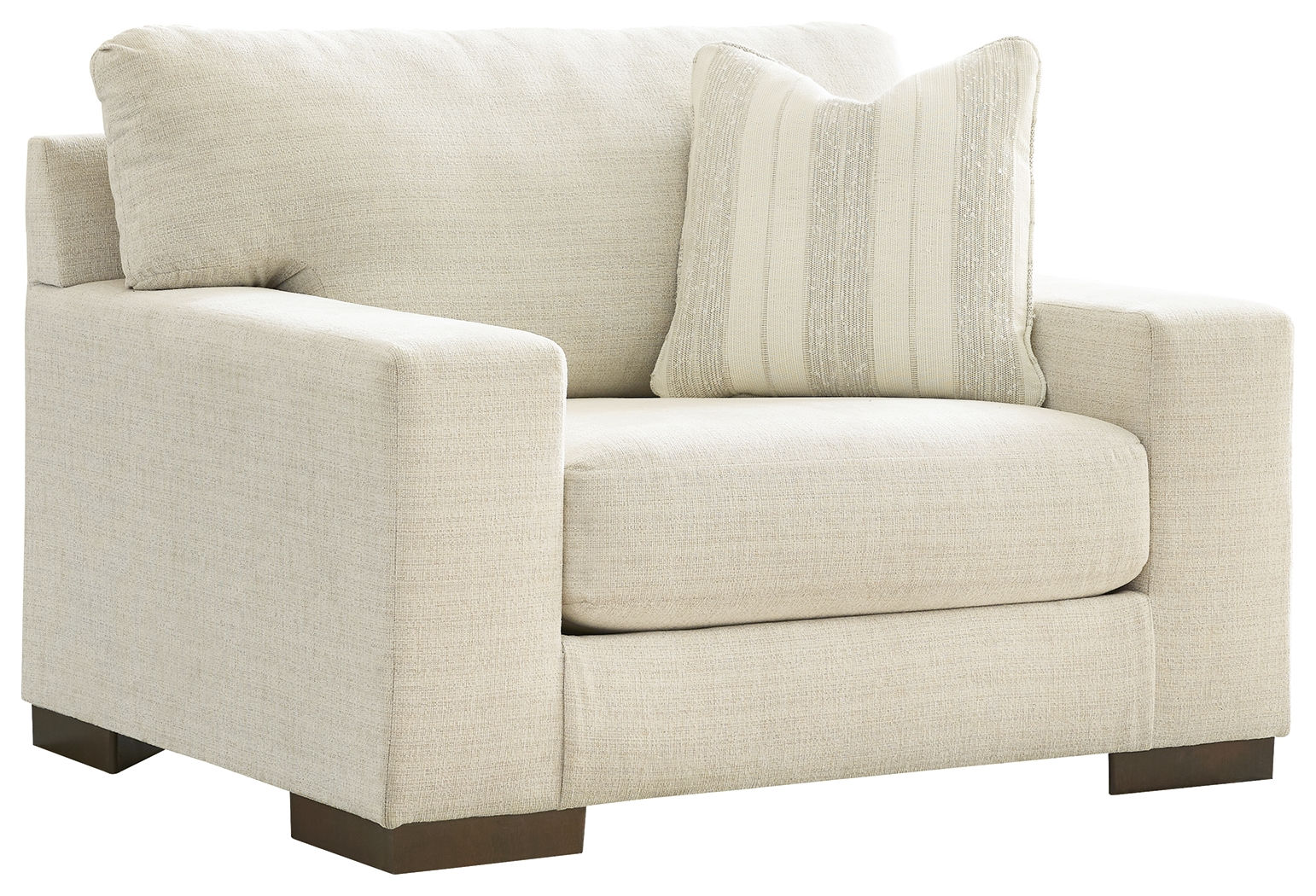
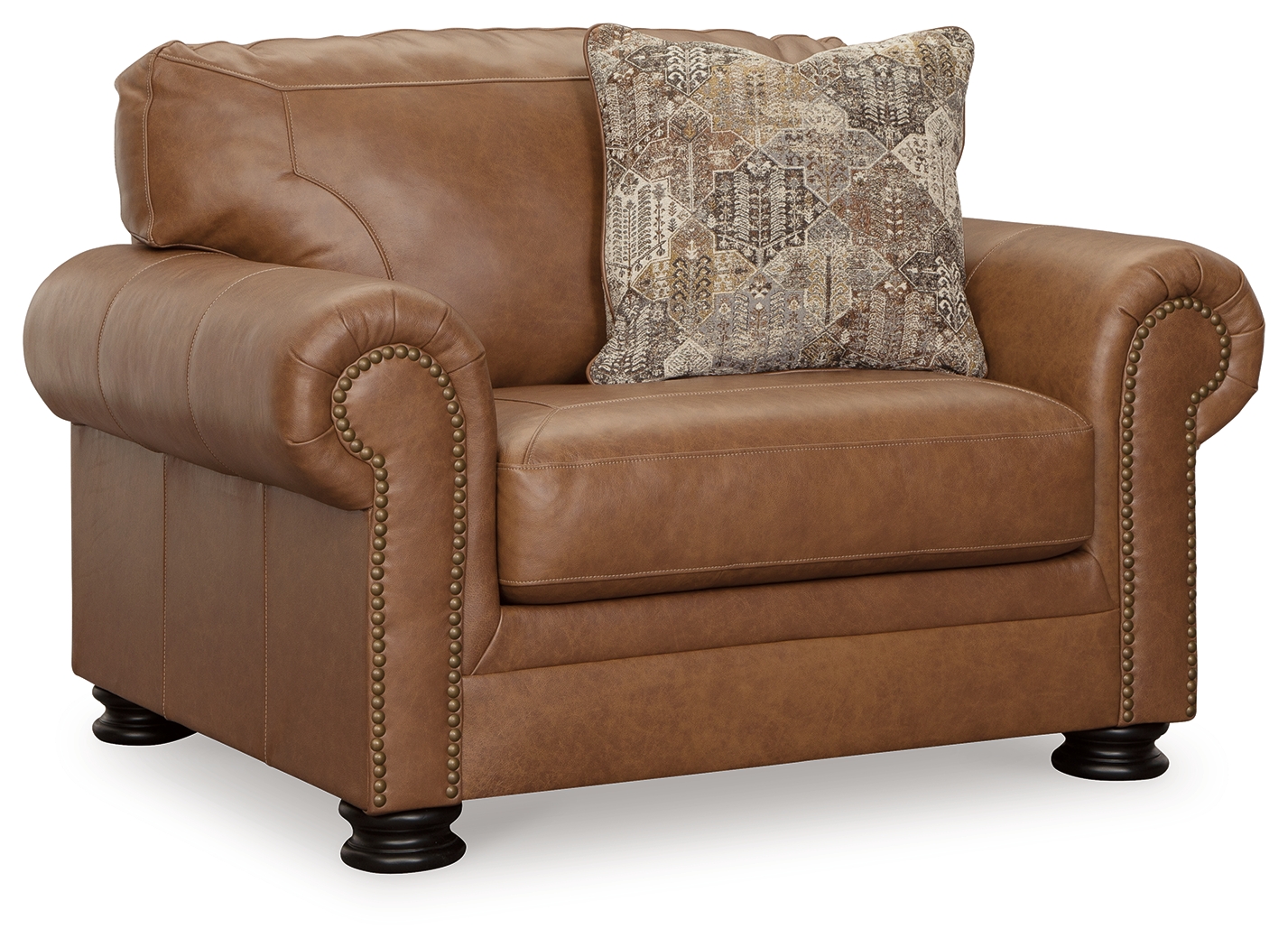
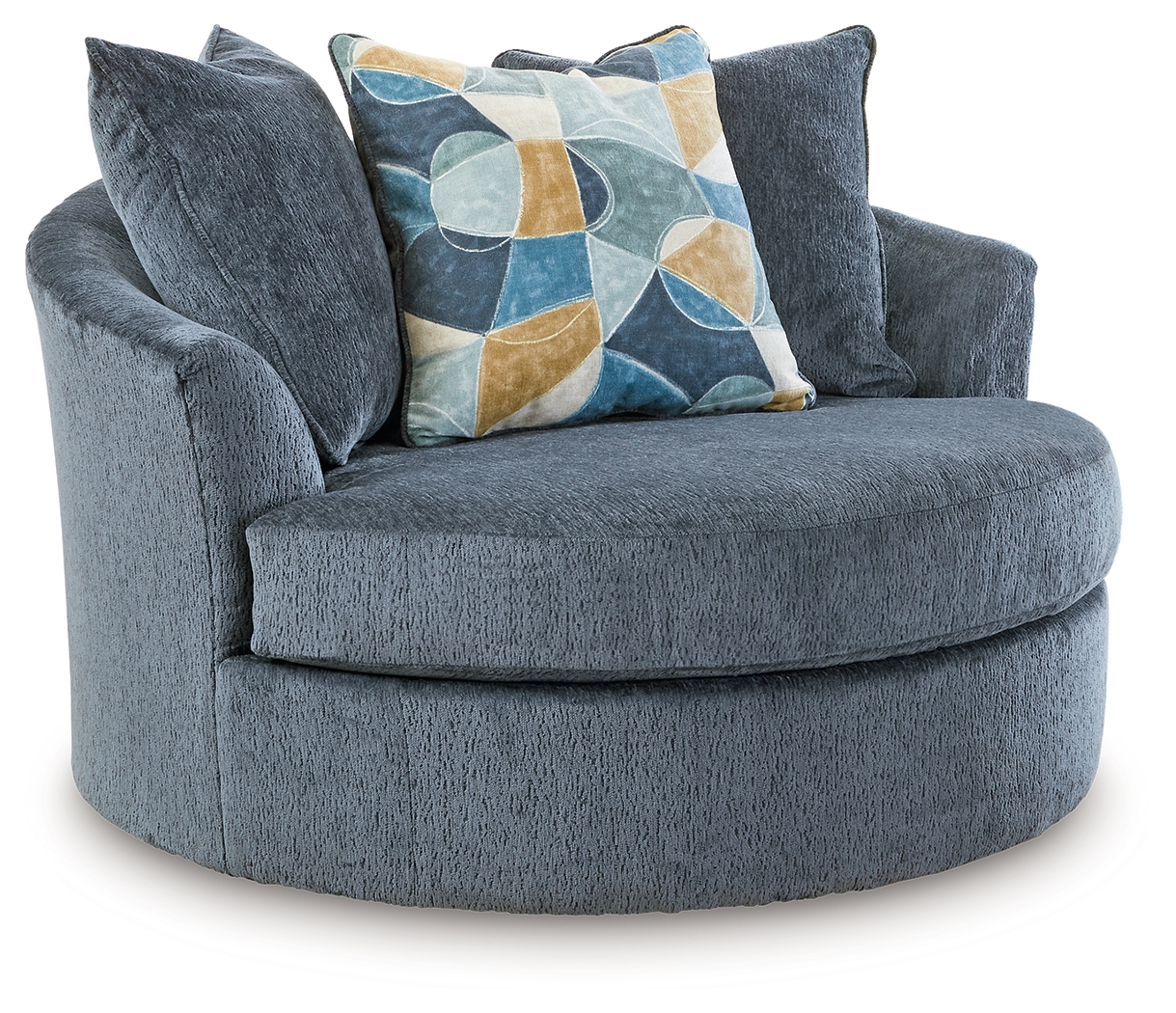
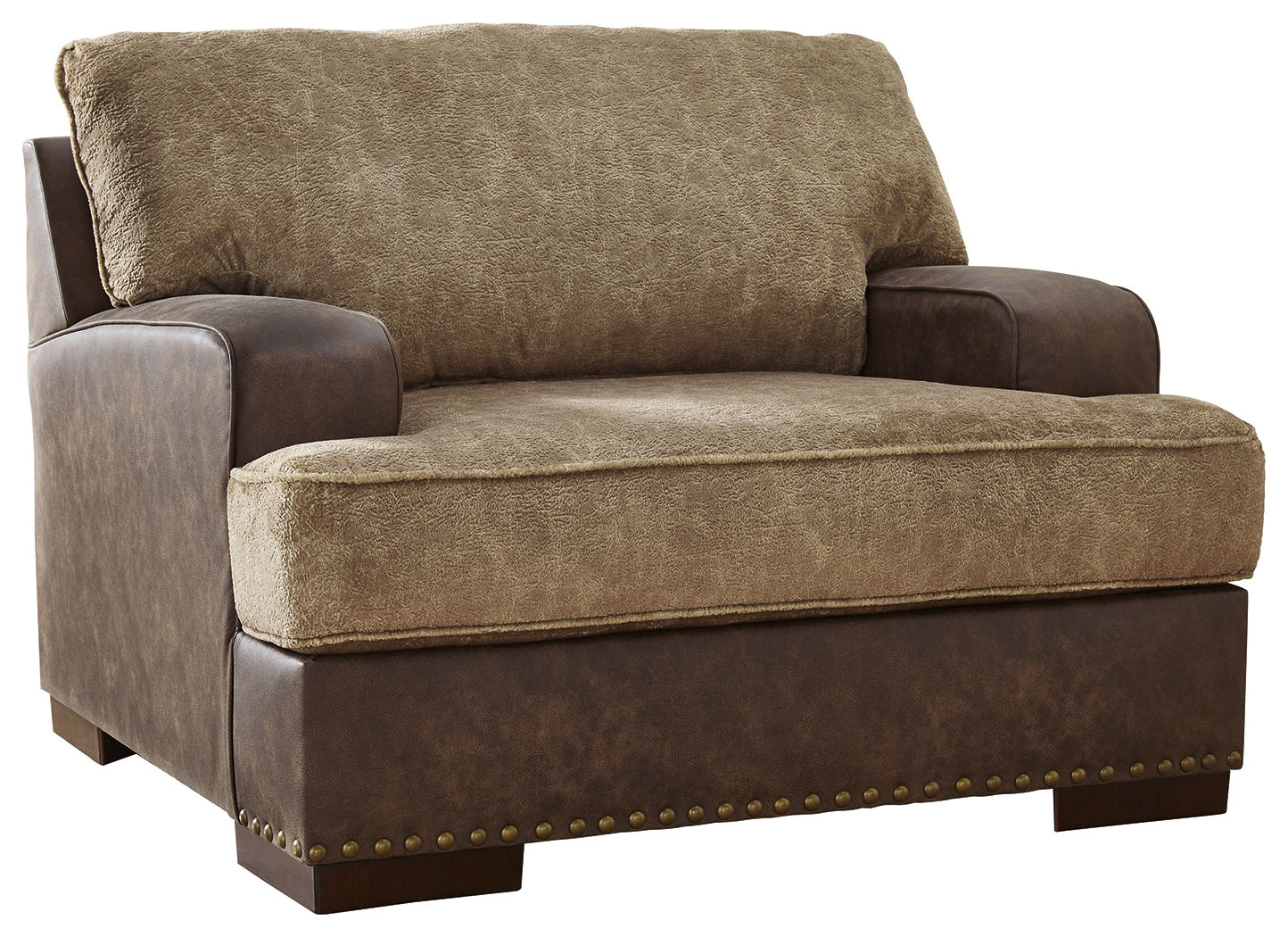
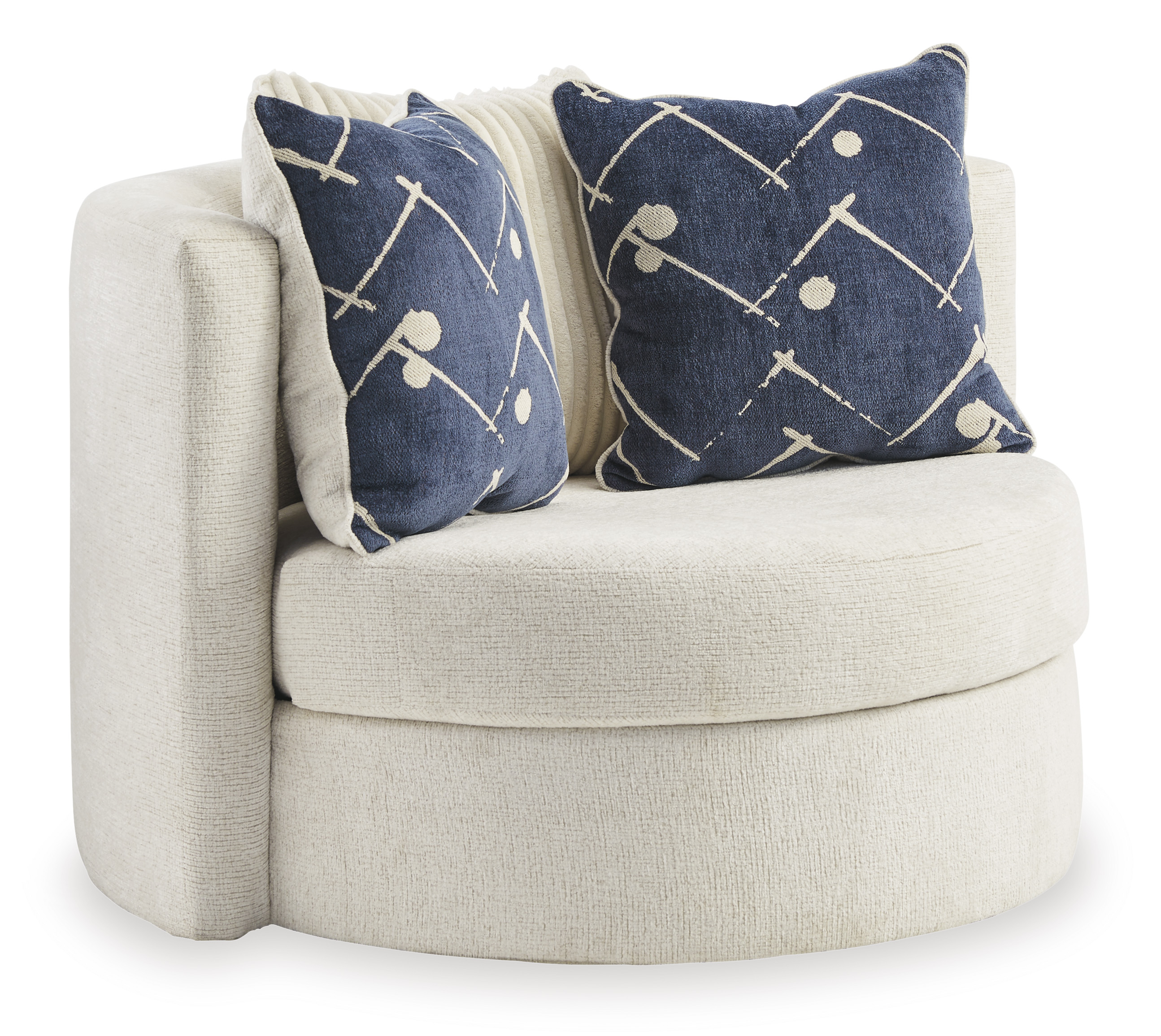
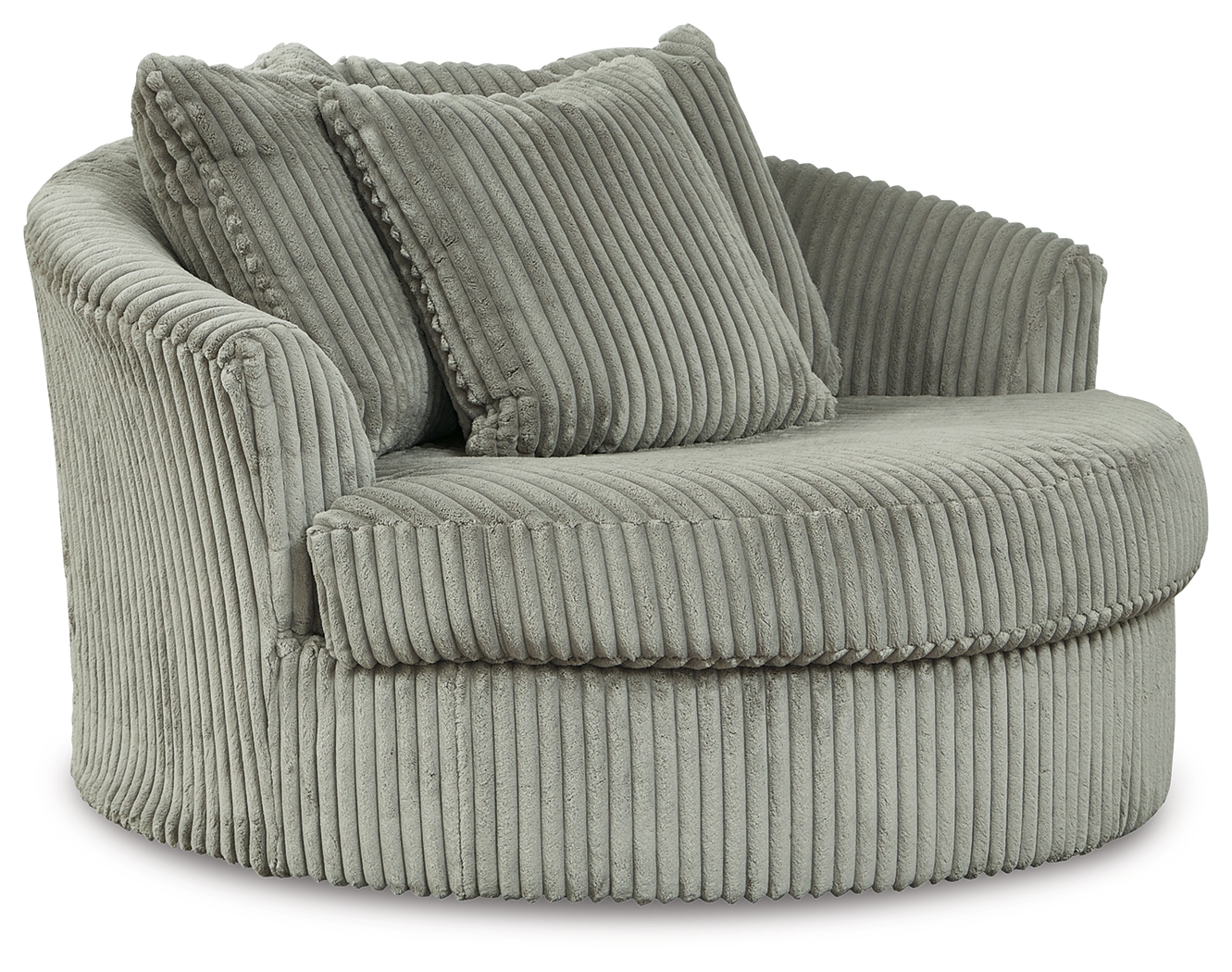
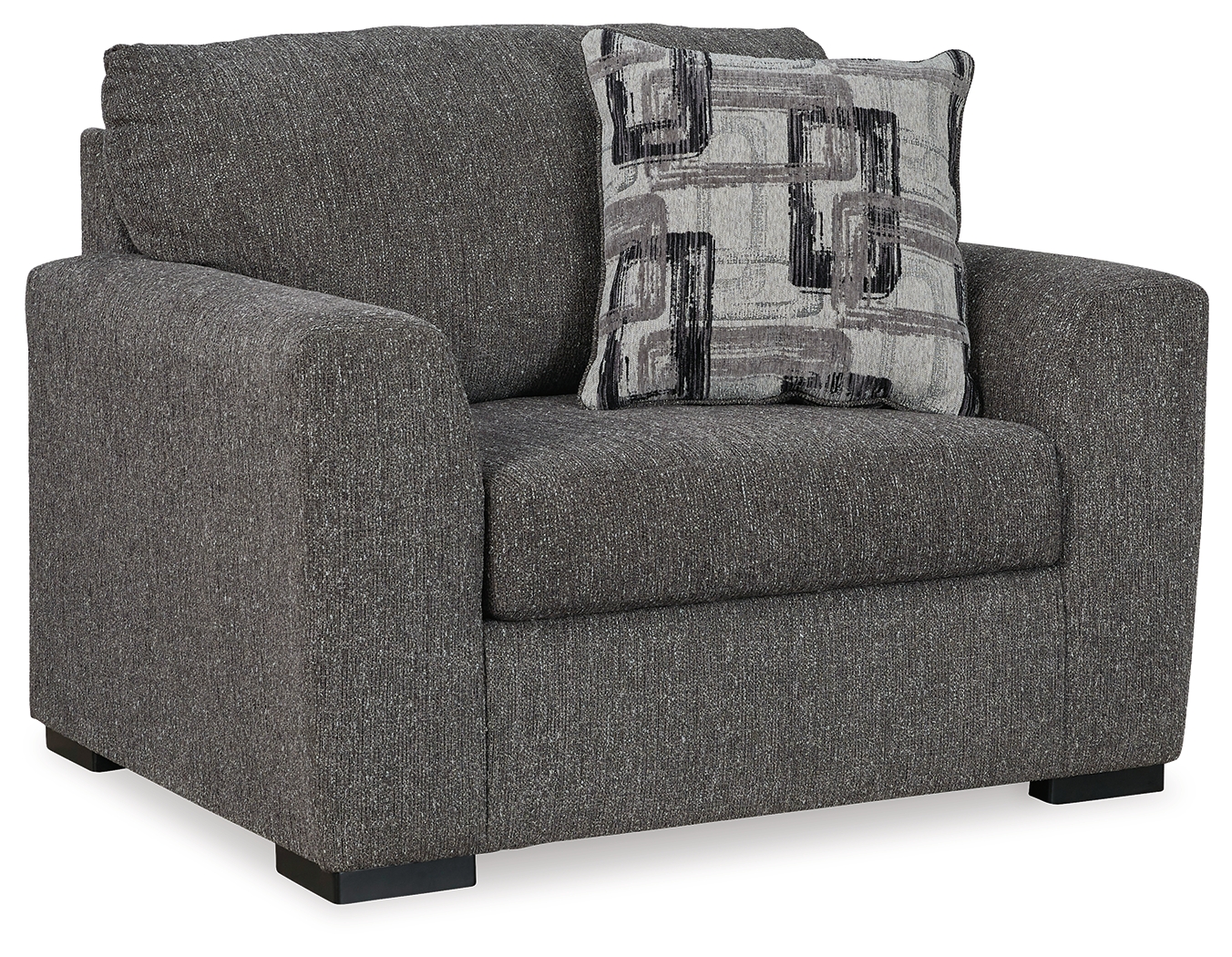
Accent chairs (also called occasional chairs) is the broadest category — any chair added to a living room for supplemental seating or visual interest. Within that category, club chairs have wide padded arms and deep seats suited to reading or relaxed lounging; they run 30 to 34 inches wide. Wingback chairs have high backs with projecting side wings that create an enveloping, formal silhouette — they work well in traditional or transitional rooms and at the head of a seating group. Barrel chairs have a curved, continuous back that wraps around the sitter in a half-circle, suited to both contemporary and mid-century rooms; their compact footprint (typically 30 to 32 inches wide) makes them useful in mid-size rooms. Slipper chairs are armless with a low-slung profile (24 to 28 inches wide, seat height around 17 inches) — they fit in tight spaces and work well as a third or fourth seat in a room without adding visual bulk. Chaises are elongated lounge chairs with an attached leg rest, used in larger living rooms or bedroom sitting areas where extended lounging is the primary use.
How do you choose an accent chair that works with your sofa?
Three factors determine whether an accent chair and sofa work together: scale, seat height, and style relationship. Scale: a chair should be proportional to the sofa — a petite slipper chair next to a deep sectional looks out of place, while an oversized club chair next to a small two-seater loveseat crowds the room. Seat height: aim for the chair's seat height to be within two to three inches of the sofa's seat height so that seated users are at a similar eye level for conversation. Style: the chair does not need to match the sofa fabric or wood finish, but it should share at least one visual attribute — a similar leg finish, a color that pulls from the sofa's upholstery, or a silhouette from the same broad style family (curved forms together, straight-lined forms together). A chair in a contrasting but complementary fabric or color creates intentional visual interest.
Should you buy a single accent chair or a chair-and-ottoman set?
A chair-and-ottoman set functions as a chaise alternative — it provides a lounge seating option without the fixed length of a built-in chaise, and the ottoman can be moved to serve as a footrest for the sofa or as extra seating when needed. Chair-and-ottoman sets work well in rooms where one person will use that chair regularly for longer periods. A single accent chair without an ottoman has a smaller footprint and greater visual lightness in the room — better suited to rooms where the chair is secondary seating that is used occasionally rather than a primary lounging spot. If the room has a large sectional that already provides ample lounging space, a single accent chair is typically the more practical and less visually cluttered choice.
What dimensions matter when measuring for an accent chair?
The three key dimensions are overall width, seat depth, and seat height. Width (28 to 34 inches for most accent chairs) determines whether the chair fits the available floor space and whether it is proportionally appropriate next to the sofa. Seat depth (typically 20 to 24 inches) affects comfort: deeper seats suit taller people and relaxed lounging; shallower seats are more upright and formal. Seat height (17 to 19 inches for most chairs) affects both comfort — people under 5'4" may find an 18-inch seat height comfortable while taller individuals may prefer 19 to 20 inches — and the visual relationship to surrounding pieces. Allow a minimum of 18 inches between the front of the chair and the coffee table, and 30 to 36 inches of clear floor for traffic paths around the seating group.