
 1-877-718-CLASSY (2527)
Leather Living Room Furniture
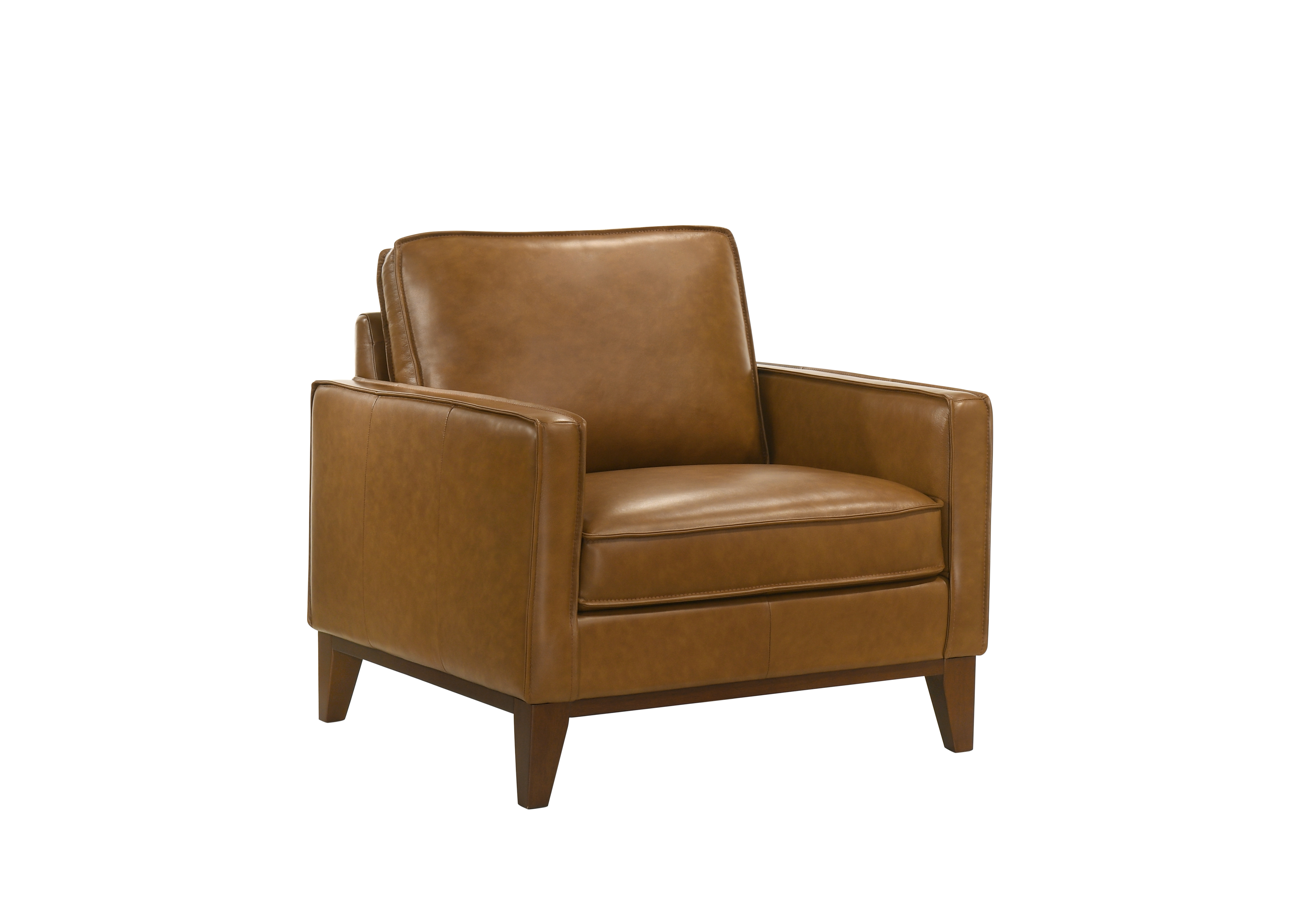
Leather living room furniture ranges from full grain genuine leather — the most durable grade, which develops a patina over decades — to bonded leather, which typically peels within 3 to 5 years. Understanding the grade before purchasing determines the long-term value of the piece.
What are the leather grades used in living room furniture?
Leather for furniture is graded based on which layer of the hide is used and how much processing it undergoes. Full grain leather uses the outermost layer of the hide with the natural grain intact — it is the densest, most breathable, and most durable grade. Top grain leather has been sanded to remove surface imperfections and is then embossed with a uniform grain; it is more consistent-looking than full grain but slightly less durable. Corrected grain leather has been heavily processed and coated with a uniform pigmented finish, making it highly resistant to stains and moisture but less natural in feel. Bonded leather is not a leather grade in the traditional sense — it is made from shredded leather scraps mixed with polyurethane and bonded to a fabric backing. It contains as little as 10% to 20% genuine leather by area and peels or flakes as the bonding layer fails, typically within 3 to 5 years.
What is the difference between aniline and protected leather?
Aniline leather is dyed with soluble dyes that penetrate the hide without adding a surface coating, leaving the natural grain and texture fully visible. It has the softest feel and the most natural appearance of any leather type, and it develops the richest patina over time. The tradeoff is vulnerability: aniline leather absorbs liquids, stains relatively easily, and fades with sun exposure. Semi-aniline leather adds a thin protective coating while retaining much of the natural appearance. Protected (pigmented) leather has a polymer coating applied to the surface, which makes it highly resistant to stains, spills, and fading. It has a more uniform appearance and is easier to clean, making it the practical choice for households with children or pets. The feel is firmer and less natural than aniline leather.
How does genuine leather age compared to bonded leather?
Genuine leather — full grain in particular — is one of the few furniture materials that improves with age. The hide develops a patina as it absorbs oils from regular use and exposure to air, gradually deepening in color and character in a way that is unique to each piece. Well-maintained full grain leather sofas from 20 or 30 years ago are frequently still in use. Bonded leather behaves in the opposite way: because the surface layer is a manufactured composite rather than a continuous hide, the bonding between layers degrades with use. Cracking, peeling, and flaking typically begin at areas of highest contact — seat cushion edges, armrests, headrests — and accelerate once started. No conditioning or treatment reverses bonded leather delamination once it begins.
How do you clean and condition a leather sofa?
Dust leather furniture weekly with a dry microfiber cloth. For surface grime, use a slightly damp cloth with a small amount of leather-specific soap — standard household cleaners, solvents, and baby wipes contain chemicals that strip protective coatings and dry out the hide. Blot spills immediately rather than wiping; wiping spreads the liquid into the seams. Apply a leather conditioner every six months in most climates, and every three to four months in dry climates or rooms with forced-air heat, which desiccates leather quickly. Avoid positioning leather furniture within two to three feet of heating vents, fireplaces, or windows with direct sun exposure — heat and UV are the primary causes of leather drying and cracking ahead of schedule.