
 1-877-718-CLASSY (2527)
Futons: Frame Types, Mattress Fills, Sizes, and Care
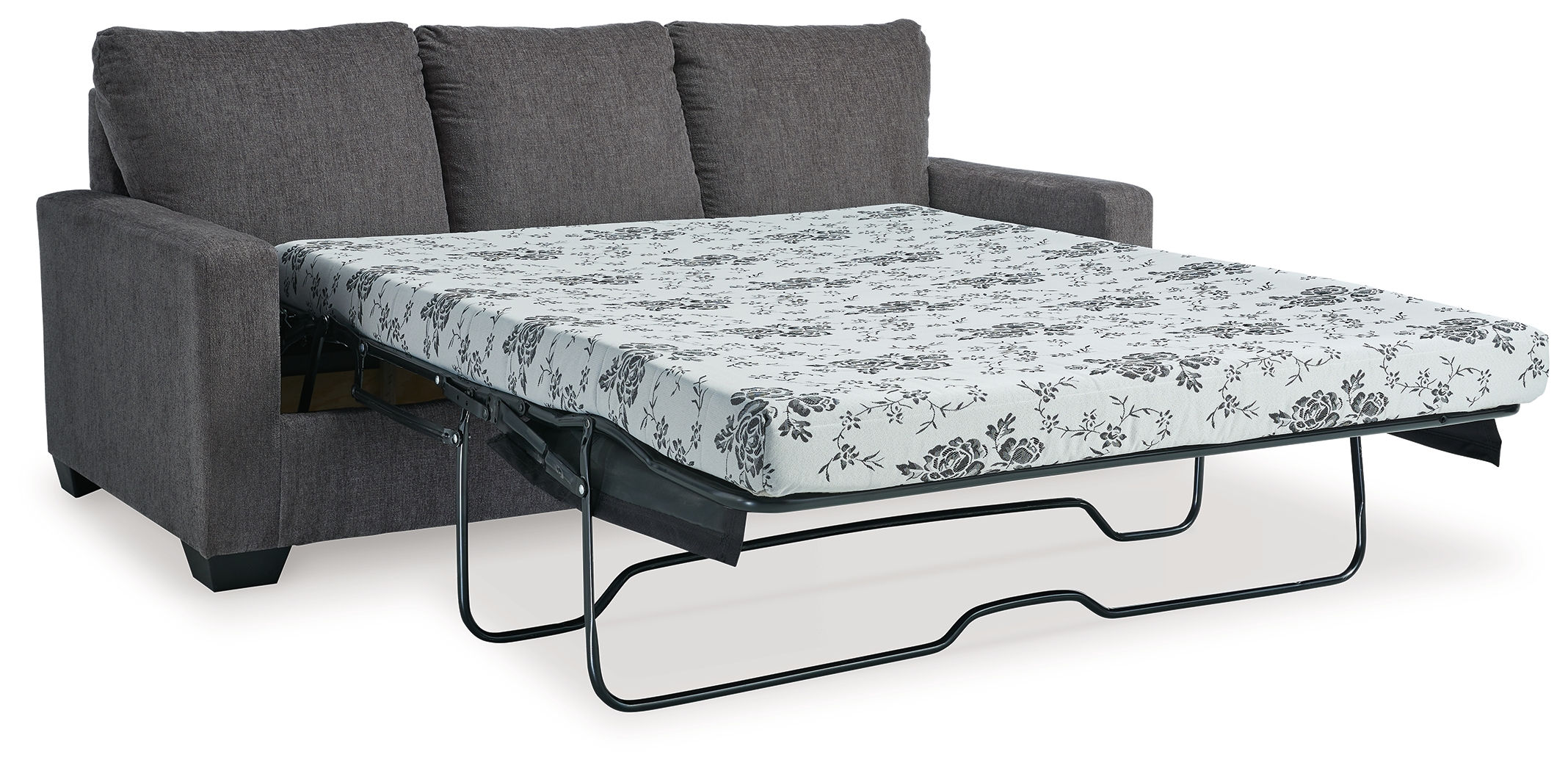
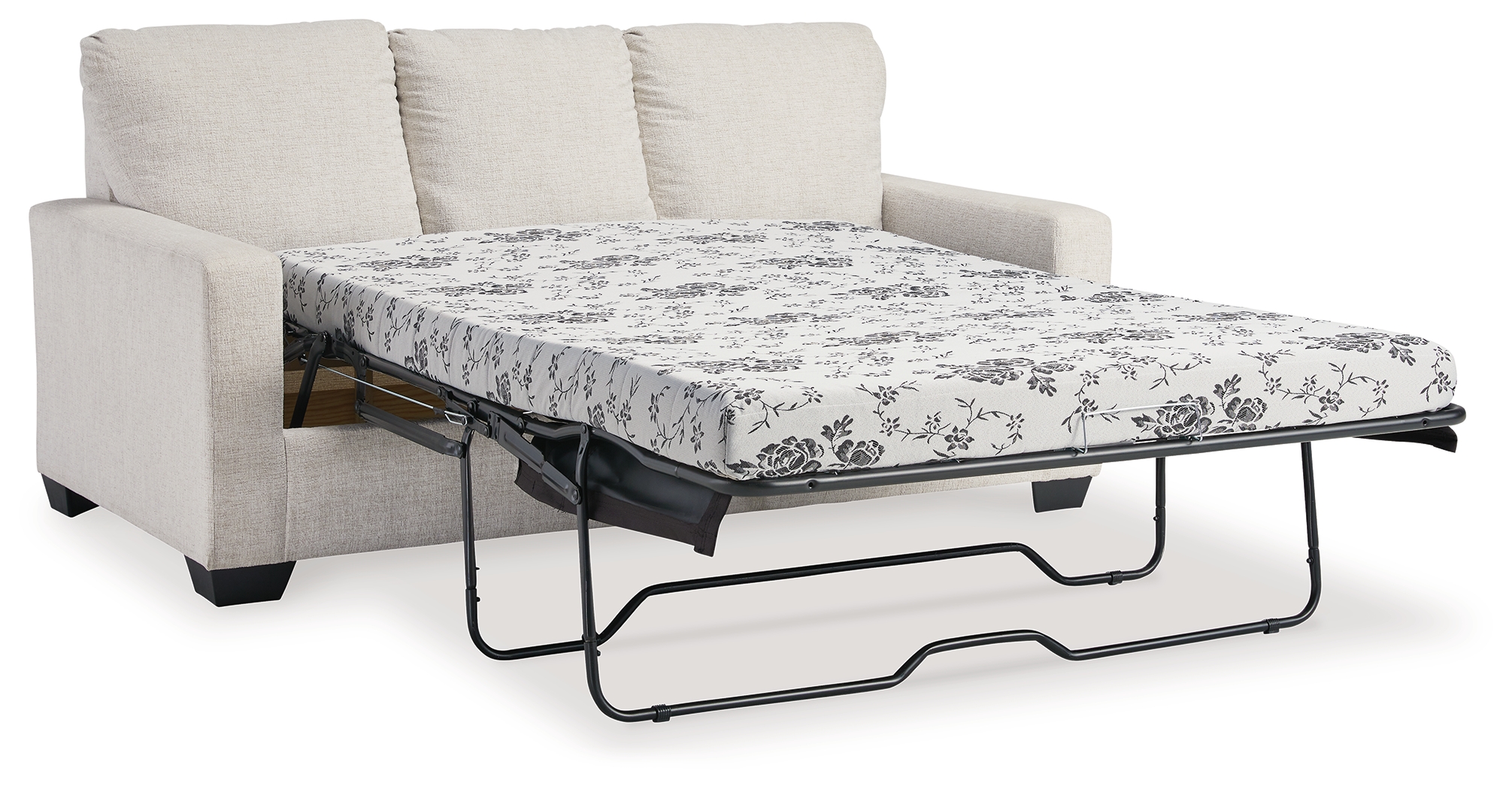
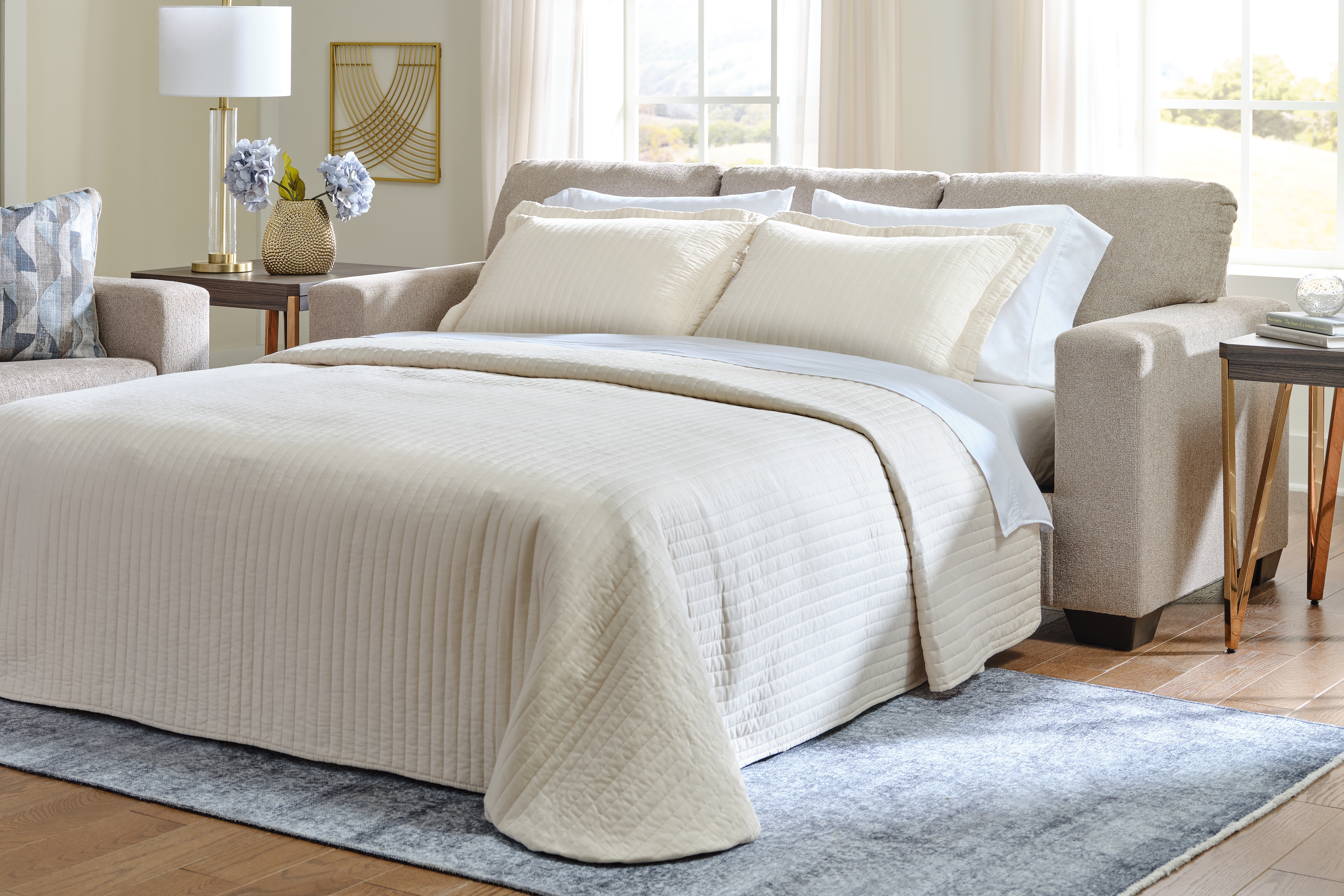
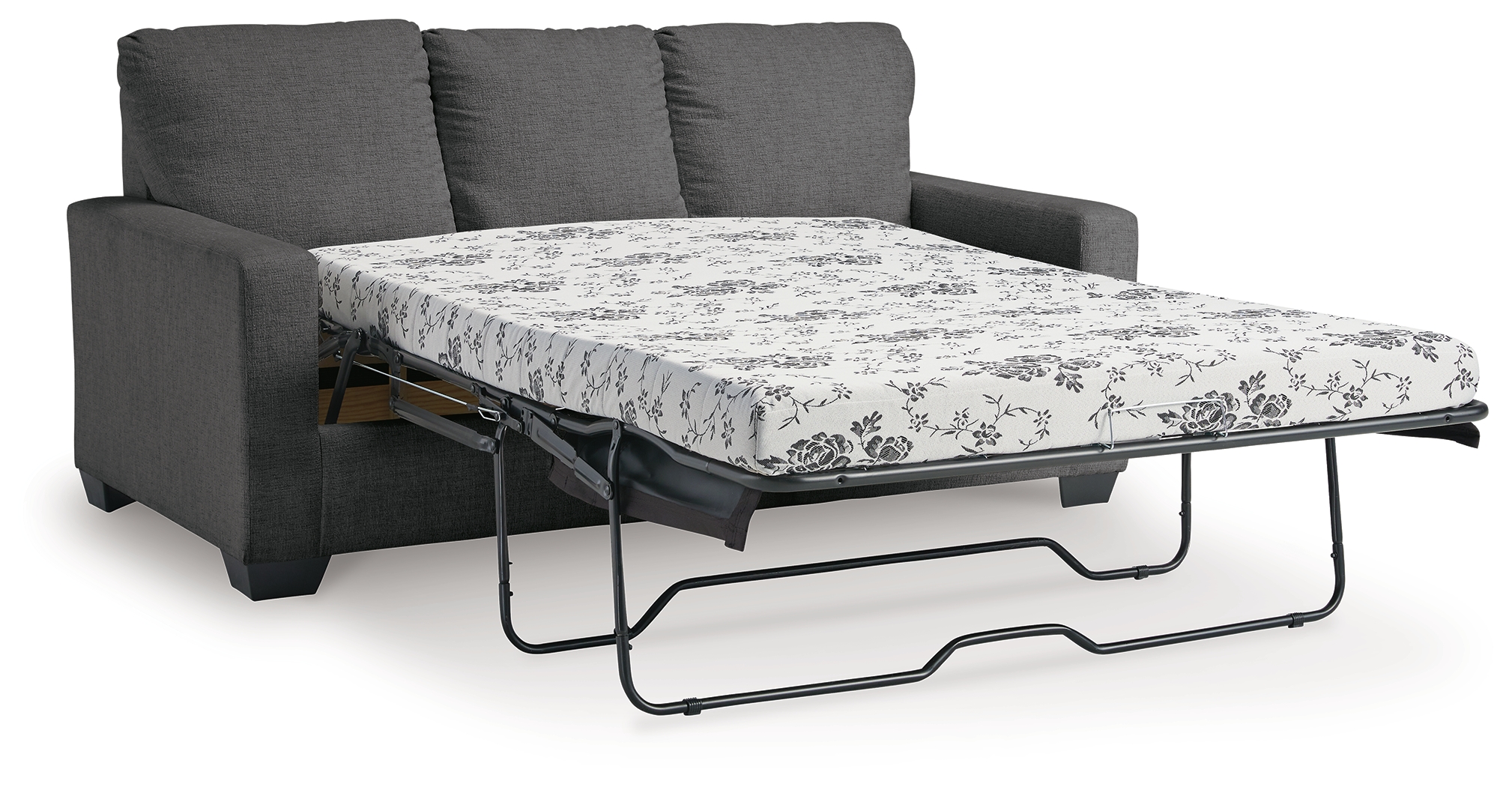
A futon is a two-position sofa-bed consisting of a hinged frame and a thick mattress that serves as both the sofa seat/back and the sleeping surface. It converts from sofa to flat bed in seconds by releasing a locking hinge. Futons are available in twin, full, and queen sizes, with frames in metal, softwood, or hardwood and mattresses in cotton, foam, and innerspring fills.
What is the difference between bi-fold and tri-fold futon frames?
A bi-fold futon frame has a single hinge point where the back meets the seat. When folded flat, the back lowers to become a continuous sleeping surface. This is the most common futon frame design and creates the cleanest flat sleeping surface because there is only one fold point in the mattress. A tri-fold futon frame has two hinge points — the frame folds in thirds — which allows it to function as a sofa, a lounger (back at an angle, foot raised), and a flat bed. Tri-fold frames are more versatile for lounging positions but create two compression points in the mattress when folded. For primary sleeping use, a bi-fold frame creates a flatter, more consistent sleeping surface.
How do metal, softwood, and hardwood futon frames compare in durability?
Metal frames — typically powder-coated steel — are the most durable structurally, resistant to warping and moisture, and tend to last the life of the mattress and beyond. They are lighter than wood frames of the same strength and most common in basic or budget futons. Softwood frames (pine is most common) are less expensive than hardwood, easier to work aesthetically, and adequate for occasional-use futons, but the hinge joints loosen over time with regular use. Hardwood frames (oak, beech, birch) offer the best balance of aesthetics and durability for a wood futon — the joints hold up better under daily conversion stress. If the futon will be converted between sofa and bed frequently (daily or near-daily), hardwood or metal frames are the better investment.
What futon mattress fill types are available and how comfortable is each?
Cotton-fill futon mattresses use layered compressed cotton batting. They are the most traditional fill, providing a firm sleeping surface when new, but cotton compresses with use and loses support within 3–5 years of regular use. They are best suited for occasional sleeping or a futon used primarily as a sofa. Foam futon mattresses use dense polyurethane foam and offer more consistent support than cotton across their lifespan. Thickness of 6–8 inches is practical; avoid foam mattresses under 6 inches for sleeping use. Innerspring futon mattresses use a coil system similar to a basic mattress and offer the best sleeping support of the three types. They are heavier, more expensive, and the closest in feel to sleeping on a conventional bed. Hybrid futon mattresses combine an innerspring base with a foam or cotton top layer and are available in premium futon lines.
Can a futon serve as a primary bed?
A futon can serve as a primary bed if the mattress and frame meet the right specifications. An 8-inch innerspring futon mattress on a hardwood or metal bi-fold frame provides a sleeping surface comparable to a basic box-spring mattress and can be used nightly. The practical limitation for primary sleeping is mattress replacement frequency — innerspring futon mattresses need replacement every 8–12 years, and cotton or foam fills faster. The other limitation is back height for some users: a futon frame lying flat does not have the elevation of a bed frame, so getting up can be more difficult for elderly users or those with mobility concerns. For occasional and frequent guest use, futons are practical and low-cost; for full-time primary sleeping, a dedicated bed frame and mattress is a better long-term solution for most people.
How do I maintain a futon mattress?
Flip the mattress top-to-bottom and rotate it end-to-end every 2–3 months. This distributes wear across all four quadrants of the mattress rather than concentrating it in the area where most sleeping weight falls. A washable cotton or microfiber futon cover protects the mattress from spills and body oils and can be removed for laundering. When the futon is in sofa position and not being slept on, air the mattress occasionally by leaving the futon flat and uncovered for a few hours — this prevents moisture buildup in the fill layers, particularly with cotton-fill mattresses. Replace a futon mattress when it feels uneven, compressed, or uncomfortable after flipping — do not replace the entire frame unless the frame itself is damaged.