
 1-877-718-CLASSY (2527)
Formal Dining Room Tables
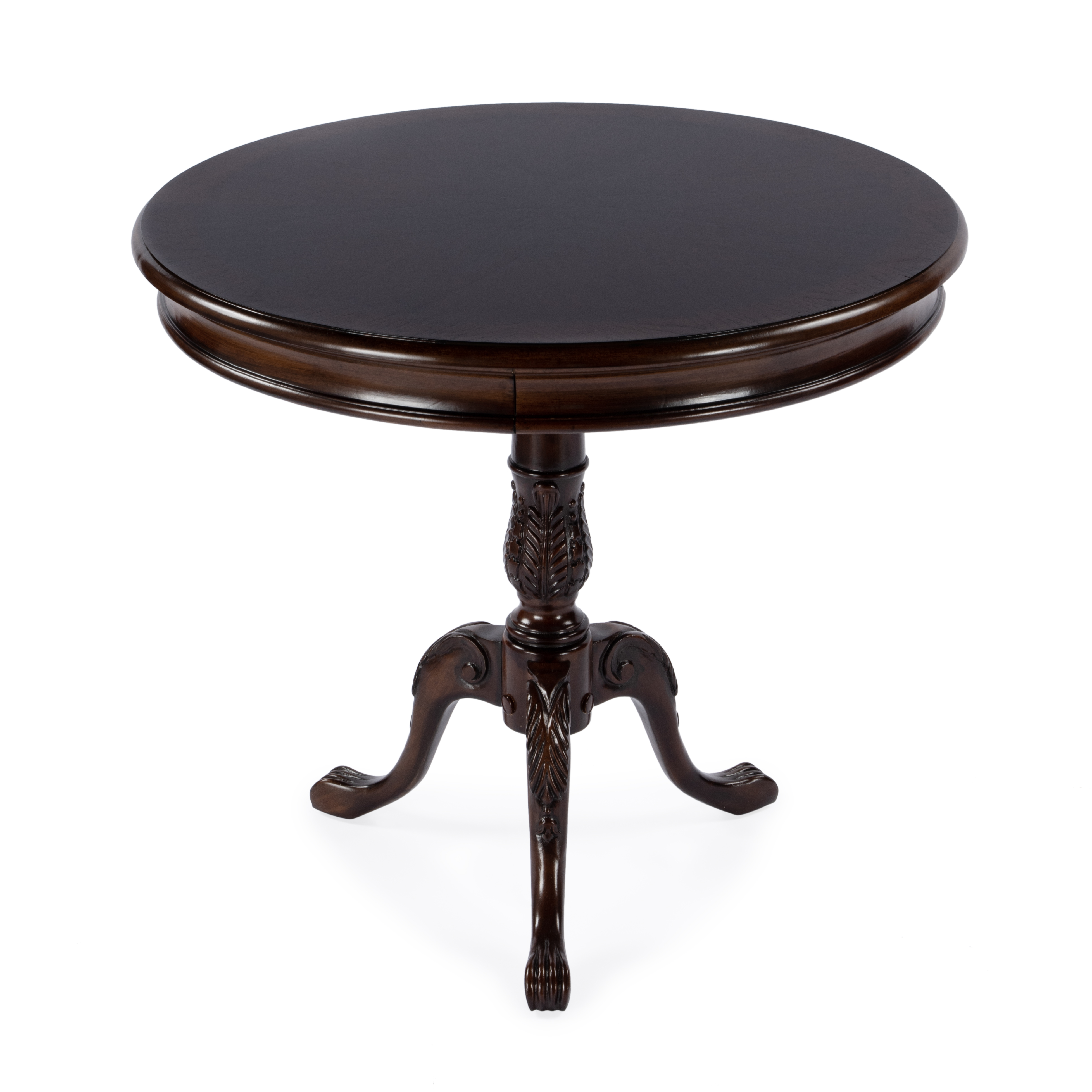
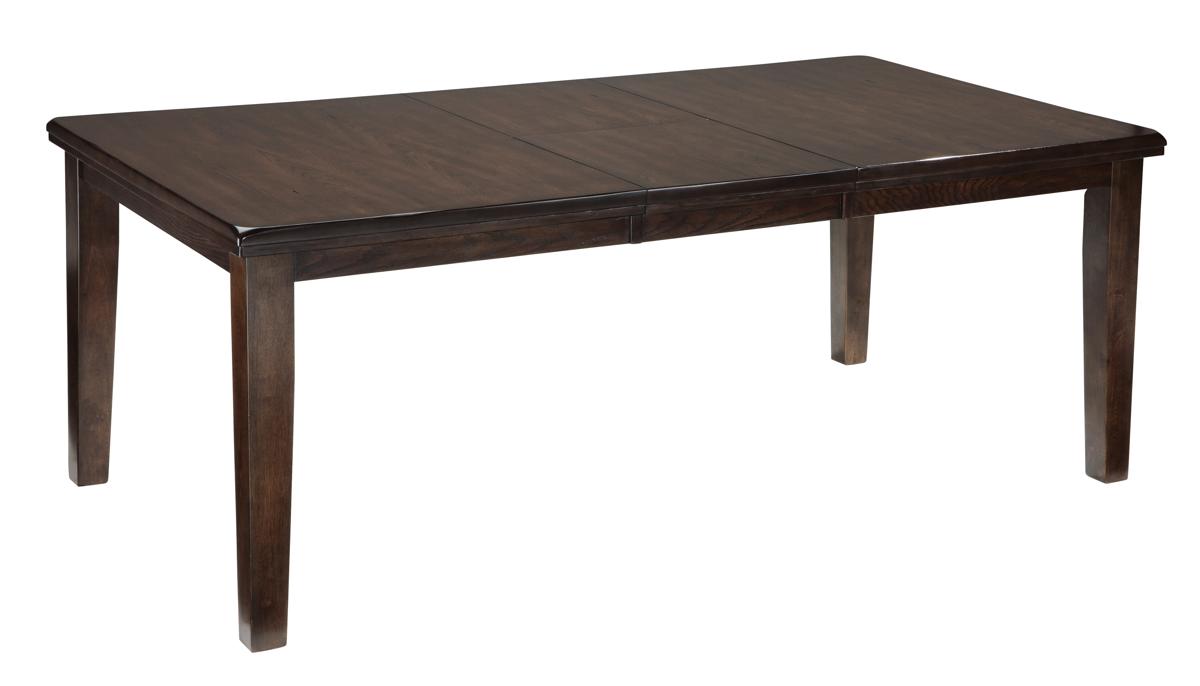
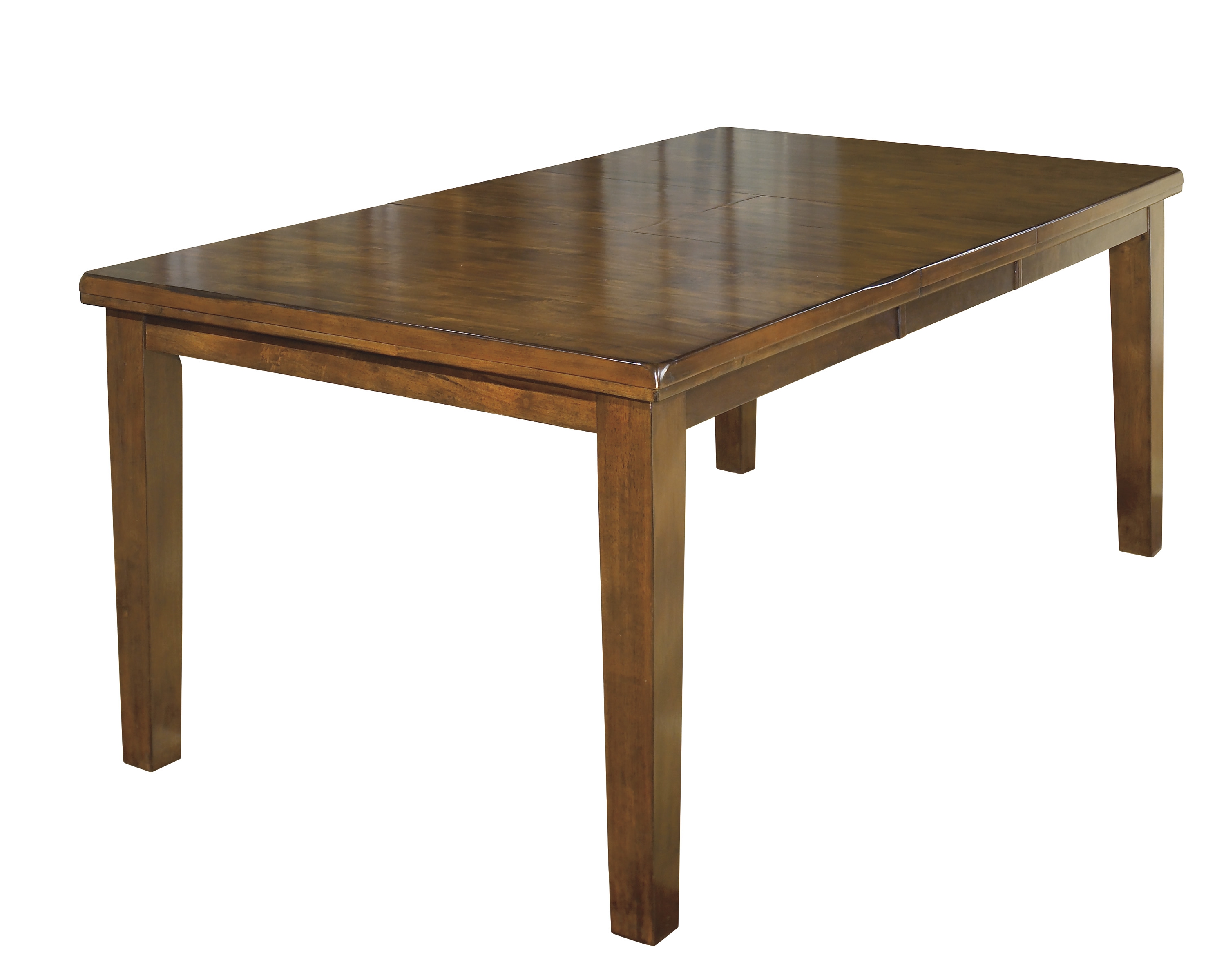
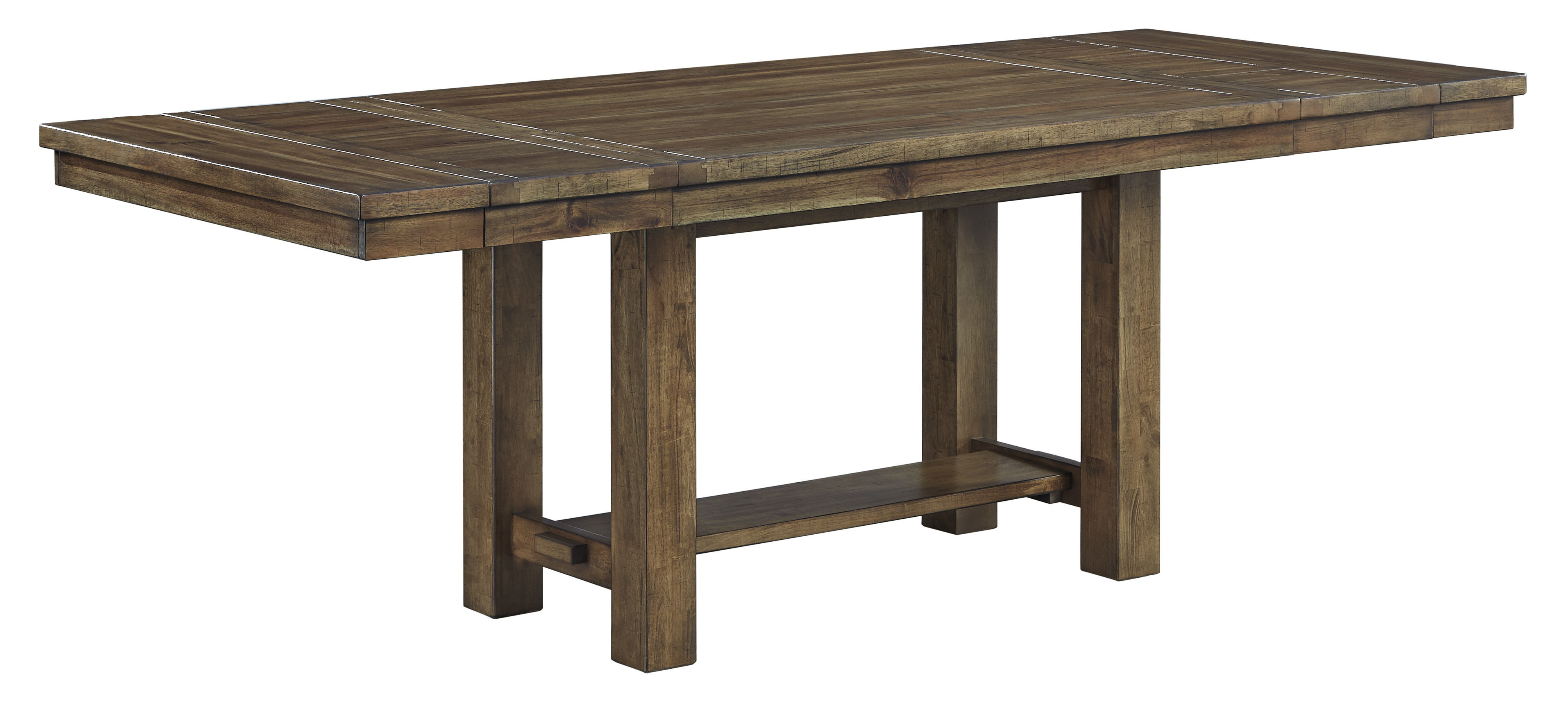
Formal dining room tables are typically 42 to 48 inches wide, 72 to 96 inches long (closed), and 30 inches tall — finished in dark hardwood such as cherry, mahogany, walnut, or stained oak, and almost always equipped with extension leaves.
What dimensions are typical for formal dining tables?
Formal dining tables are wider than casual dining tables — 42 to 48 inches wide rather than the 36-inch standard — because formal dining arrangements include a center service area for serving dishes, centerpieces, and candelabras in addition to place settings on both sides. Length at base configuration is typically 72 to 96 inches. With extension leaves in place, many formal tables reach 108 to 120 inches. The standard height is 30 inches, consistent with all dining tables designed for use with standard-height chairs (seat height 17 to 19 inches).
What hardwoods are used in formal dining tables?
Cherry is the classic American formal dining wood. Its warm reddish-brown color deepens over decades of exposure to light, giving older cherry tables a distinctly rich patina. Mahogany — now typically African or plantation-grown — is associated with English-influenced formal furniture and has a fine, consistent grain that takes dark stains evenly. Walnut provides a formal appearance with a naturally darker, cooler tone and pronounced grain figure. Dark-stained red oak and white oak are common in formal-style tables at accessible price points; the stain brings the wood into the same color family as cherry and mahogany. All formal dining woods are finished with a protective topcoat — lacquer or conversion varnish — for durability.
How do extension mechanisms work in formal tables?
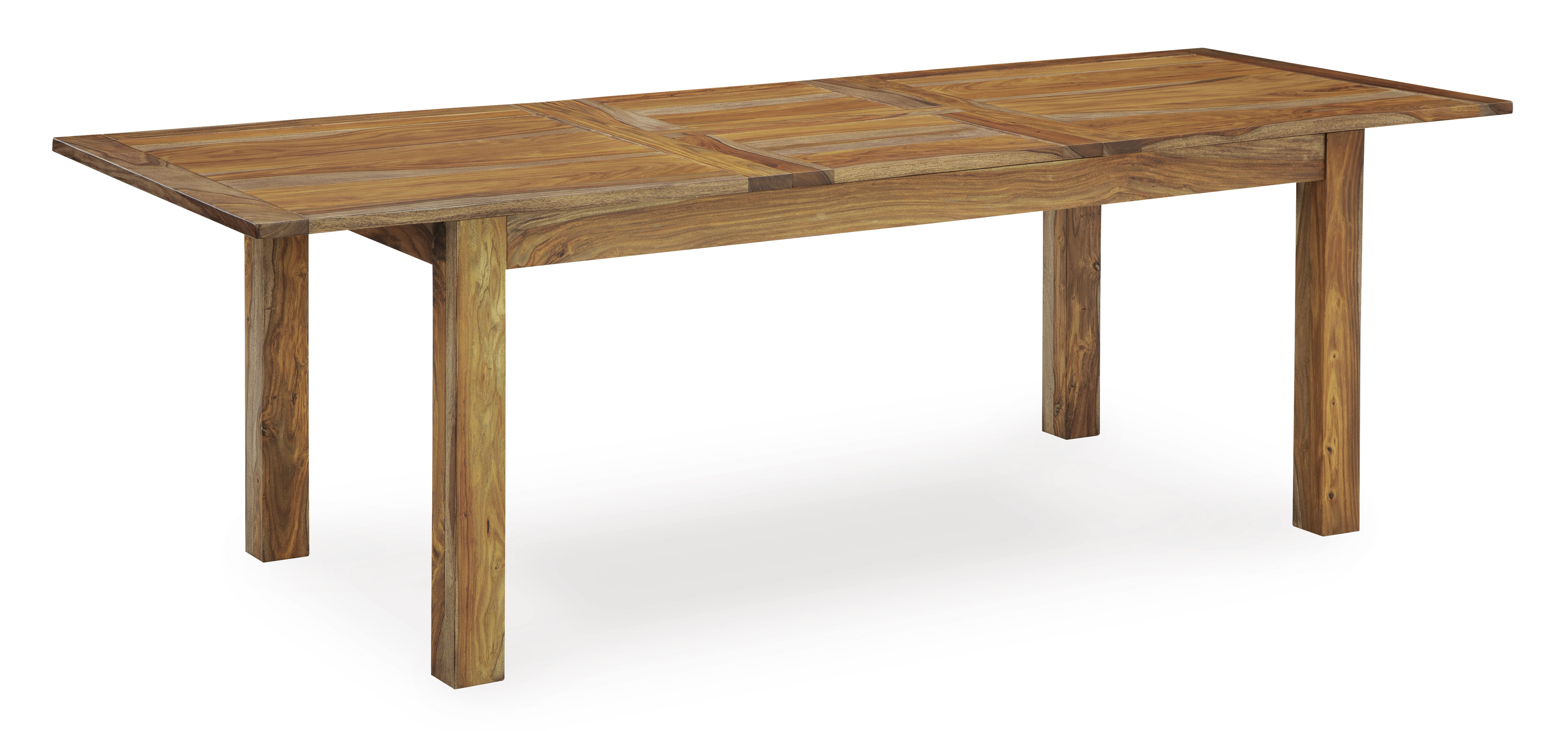
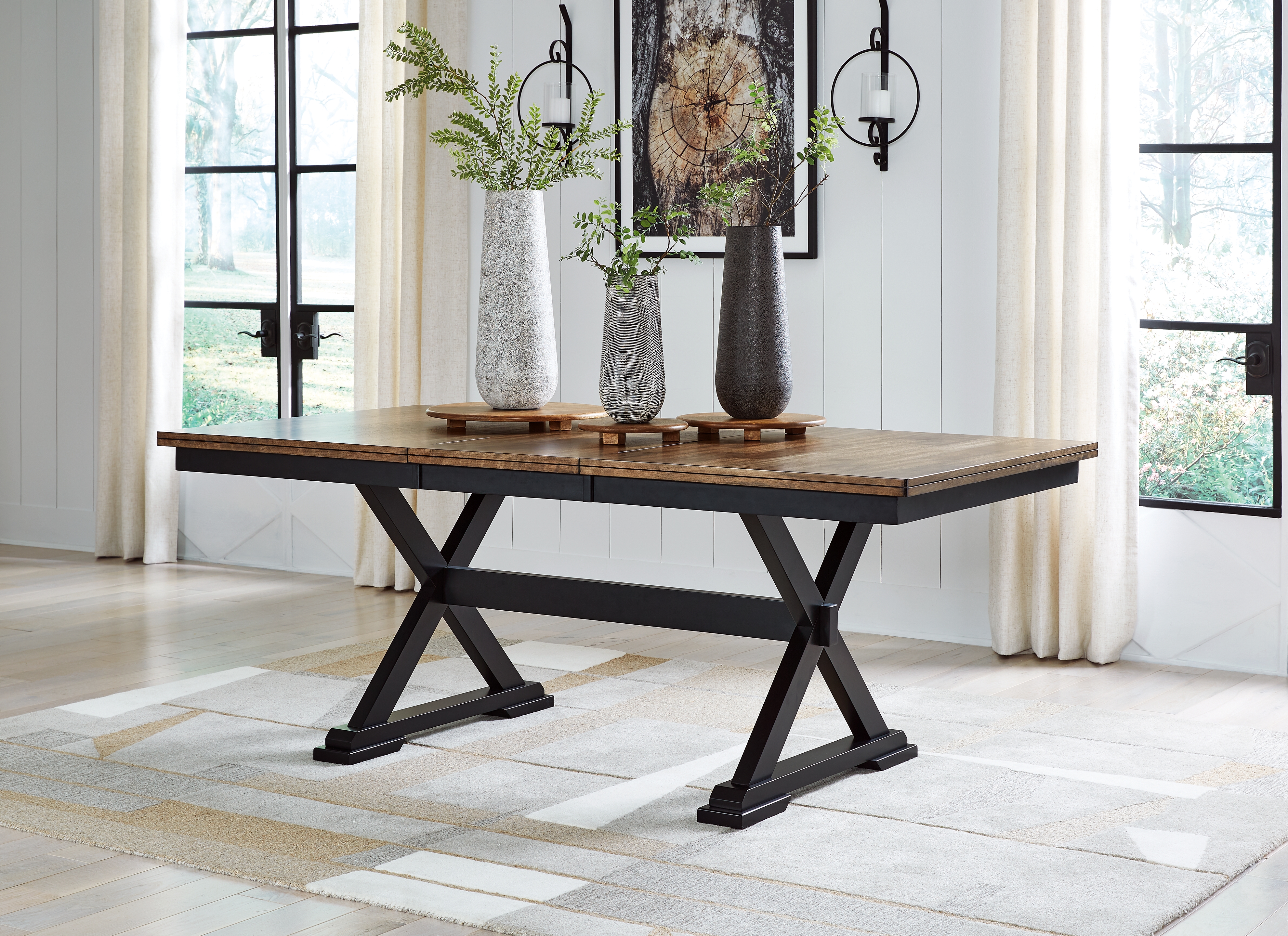
Formal dining tables almost always include at least one extension leaf because formal occasions require more seating than daily use. The most common mechanism is a sliding apron: the table halves are pulled apart and one or two rectangular leaf panels are inserted into the gap, then the halves are pushed back together. The leaves may be stored separately or, on tables with a drop-in center compartment, stored below the tabletop surface. Butterfly leaf mechanisms — where a folded leaf is stored inside the table and unfolds open — are also available on some formal table designs and eliminate the need to store separate panels. An 18-inch leaf adds seating for approximately two additional guests.
How do I care for a formal dining table?
A formal dining table with a lacquer or conversion varnish finish (the standard for dark hardwood formal tables) requires dusting with a soft cloth and periodic cleaning with a dilute wood cleaner. Do not use water alone or spray directly onto the surface. Use trivets or table pads under hot serving dishes — heat can cause white rings on lacquered surfaces even through a tablecloth. Place felt pads under all decorative objects placed directly on the table. For a table with an oil finish (less common in formal tables), re-oil the surface every 6 to 12 months with the manufacturer-recommended oil to maintain the protective layer.