
 1-877-718-CLASSY (2527)
Firm Mattress Guide
Firm mattresses rate 7 to 9 on a standard 10-point firmness scale. They work best for stomach sleepers, heavier sleepers over 230 pounds, and back sleepers whose pain is caused by poor spinal alignment during sleep.
What makes a mattress firm?
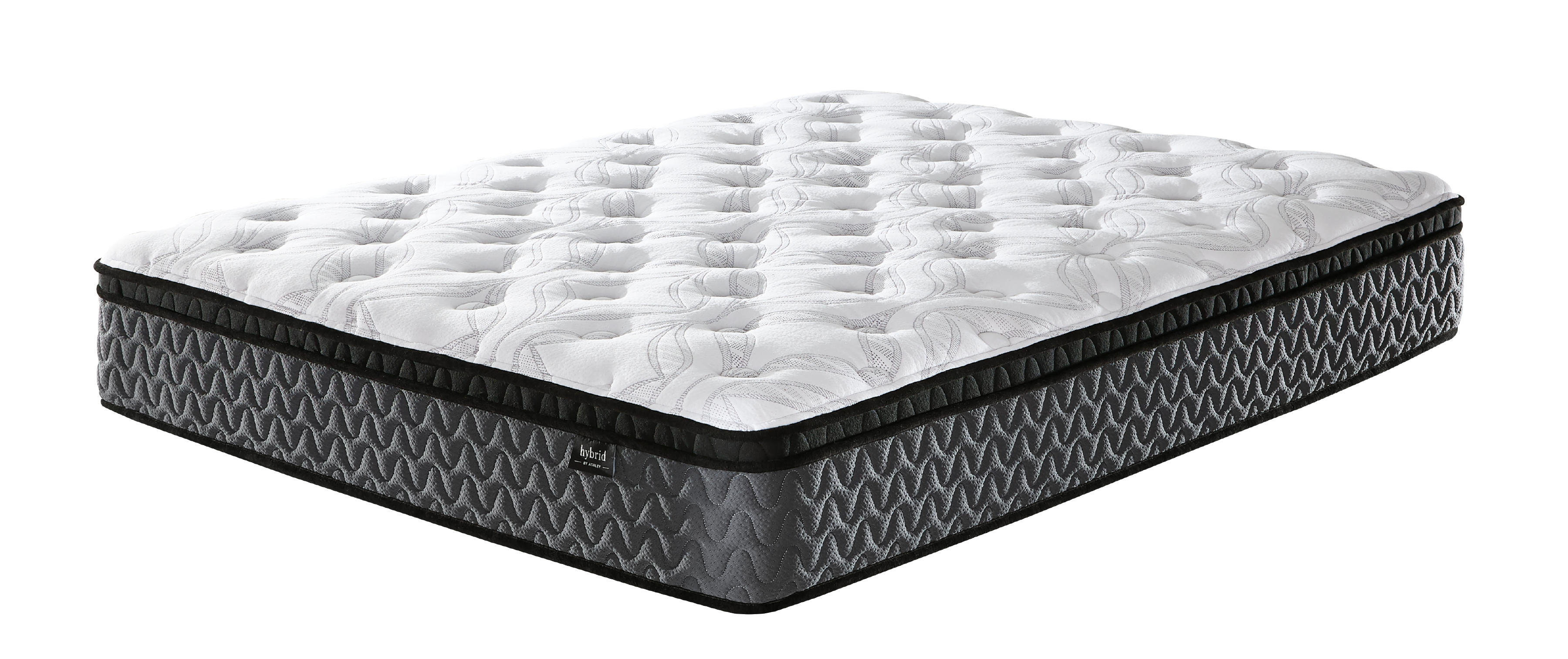
Firmness is determined by the construction of the comfort layer — the top few inches of the mattress that the body contacts directly. A firm mattress uses thinner, denser comfort materials (typically 1 to 2 inches of firm foam or thin fiber padding) so the sleeper rests on or near the support core rather than sinking into a thick cushioning layer. Innerspring mattresses with a high coil count and minimal padding are the most common firm option. Firm foam mattresses use high-density polyfoam or firm memory foam in both the comfort and support layers. Hybrid firm mattresses pair a coil core with a thin firm foam comfort layer, offering a firmer feel with slightly more responsiveness than all-foam.
Why do stomach and heavier sleepers need firm mattresses?
A stomach sleeper lying on a soft mattress experiences their hips sinking below the level of their spine, creating a hyperextended curve in the lower back that leads to pain and muscle strain over time. A firm sleep surface keeps the hips elevated and the spine in a flatter, more neutral position. For heavier sleepers — generally those over 230 pounds — a soft or medium mattress compresses so much under their weight that it effectively becomes a firm feel anyway while providing less support. Choosing a genuinely firm mattress from the outset ensures they get the defined support layer they need rather than bottoming out into inadequate support.
Is the common belief that firm equals better support accurate?
No. The idea that a firm mattress is universally better for your back is a persistent misconception. Support and firmness are not the same thing. Support refers to how well a mattress keeps the spine aligned for a specific body type and sleep position. A firm mattress provides excellent support for a stomach sleeper but actively causes pressure point pain for a side sleeper whose shoulder and hip need cushioning to stay aligned. A 2003 study published in The Lancet found that medium-firm mattresses reduced back pain and disability more effectively than firm mattresses for people with chronic low back pain. Matching firmness to your primary sleep position is more important than defaulting to the firmest option.
What do firm mattresses cost?
Firm innerspring mattresses are available starting around $300 for a queen and typically range to $900 for a high-quality coil-on-coil model. Firm foam queens range from $400 to $1,200 depending on foam grade and density. Firm hybrid queens typically start at $600 and can reach $2,000 for premium models. Firm mattresses are generally available at the same price points as their softer counterparts — firmness level alone does not significantly affect price within a given product line.