
 1-877-718-CLASSY (2527)
Dining Room Furniture
Dining room furniture begins with the right table size — allow 24 inches per person, 36–42 inches of clearance from walls, and matching chairs at 17–19 inches seat height — then add storage pieces like a buffet or china cabinet based on available space.
What size dining table do I need?
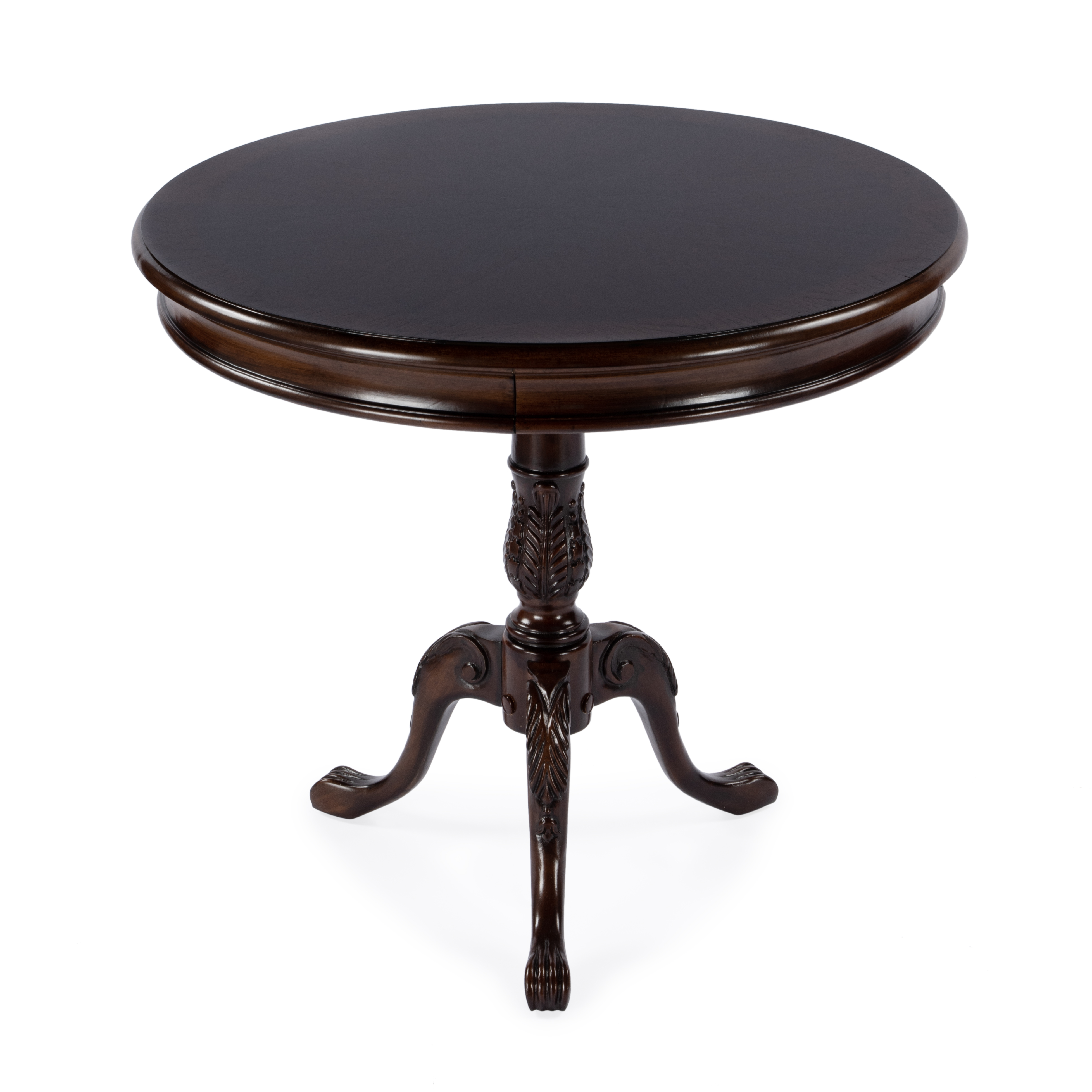
The standard rule is 24 inches of table length per seated person. A 4-person table should be at least 36"x48"; a 6-person table needs at least 36"x72"; an 8-person table requires at least 42"x84". Beyond seating count, leave 36–42 inches between the table edge and any wall or other furniture so chairs can be pulled out and people can walk behind seated guests. Rectangular tables make the most efficient use of long, narrow rooms. Round tables work well in square rooms and eliminate the problem of corner seats — a 48-inch round table seats 4 comfortably, a 60-inch round seats 6. Oval tables offer the same traffic-flow benefit as round but fit longer rooms better.
How do I choose dining chairs?
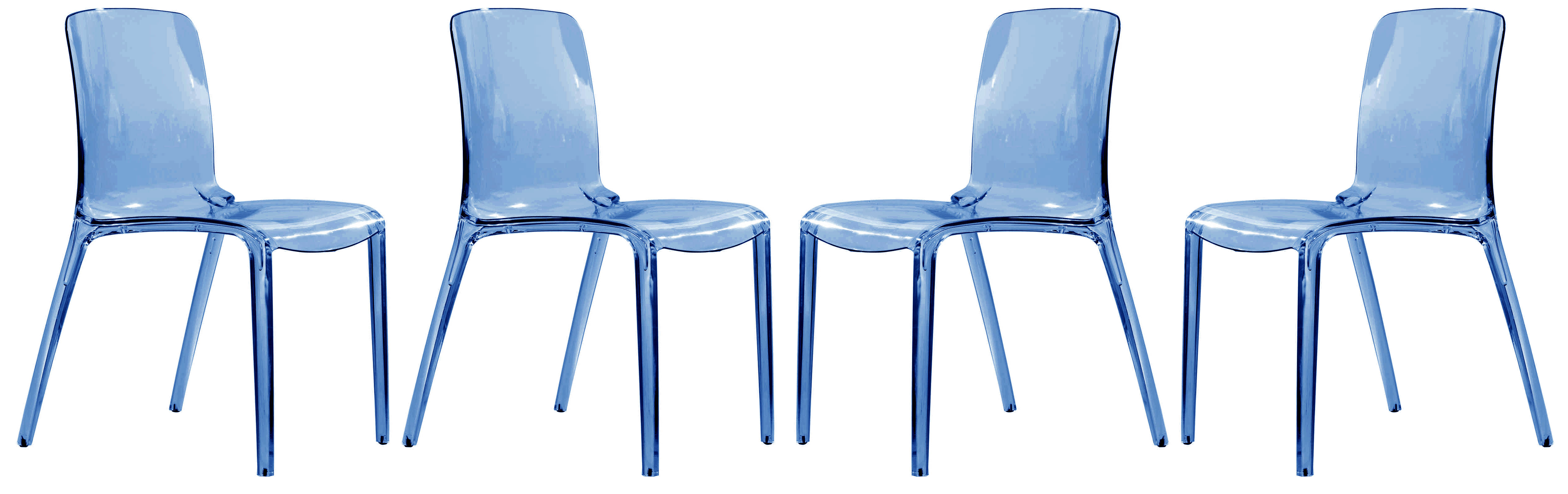
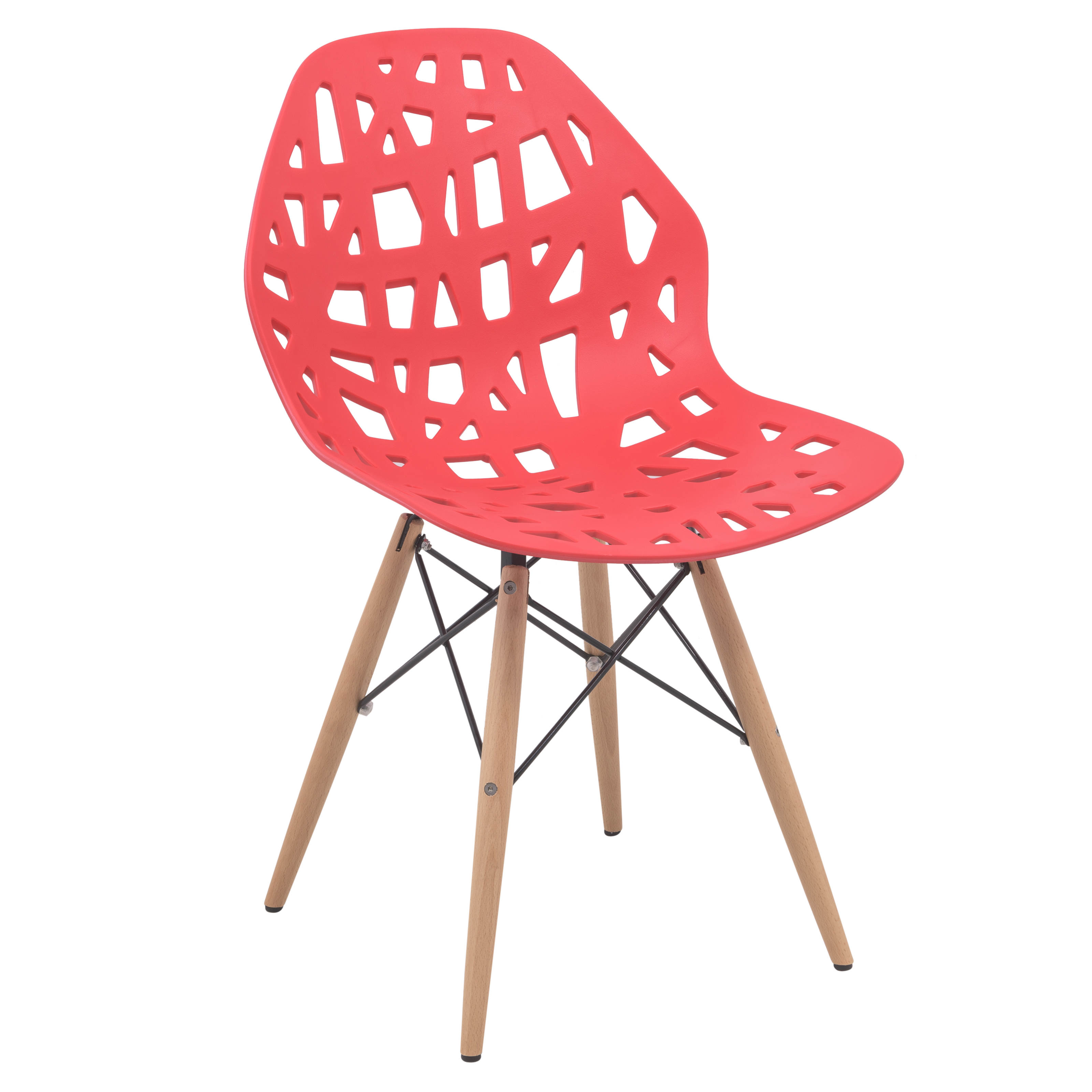
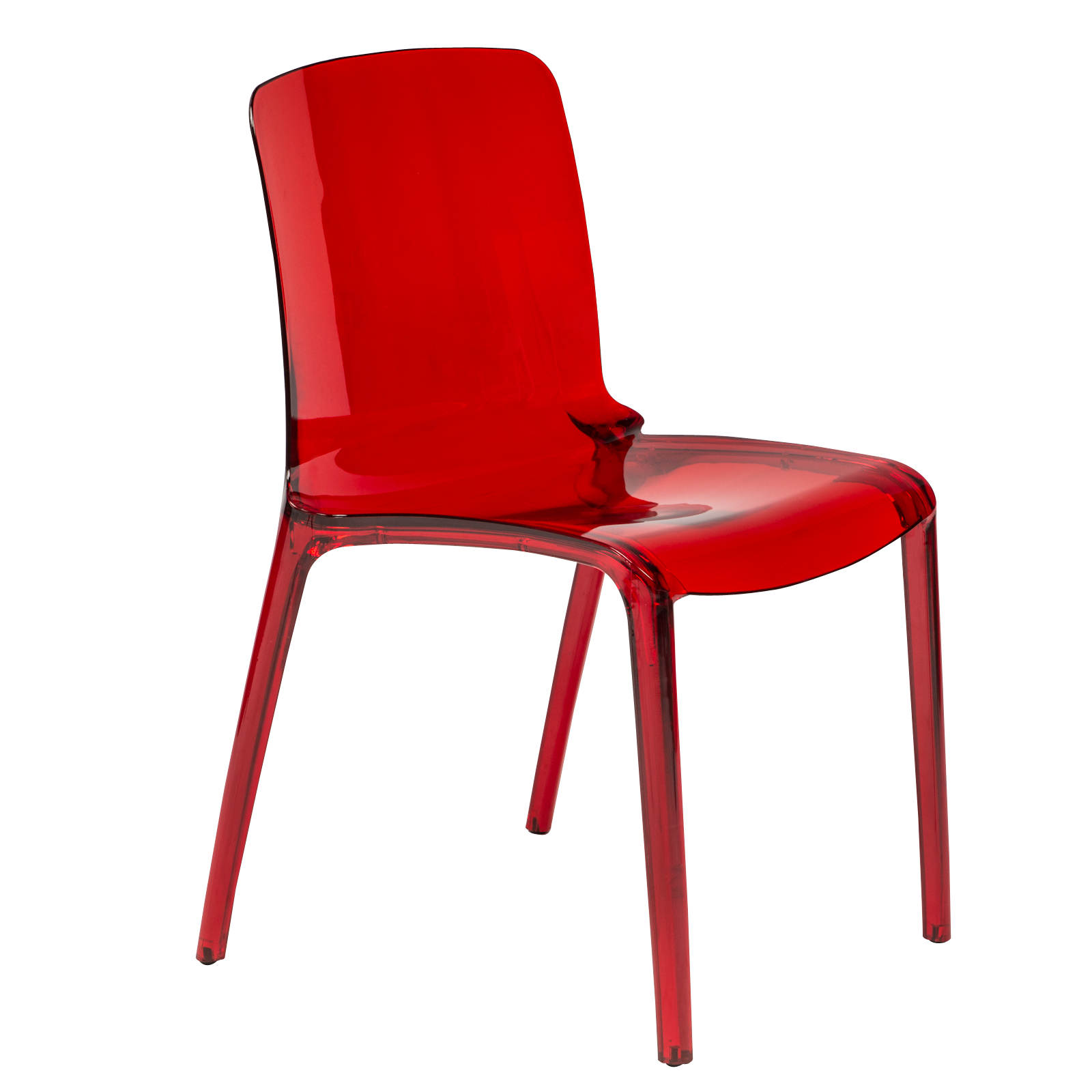
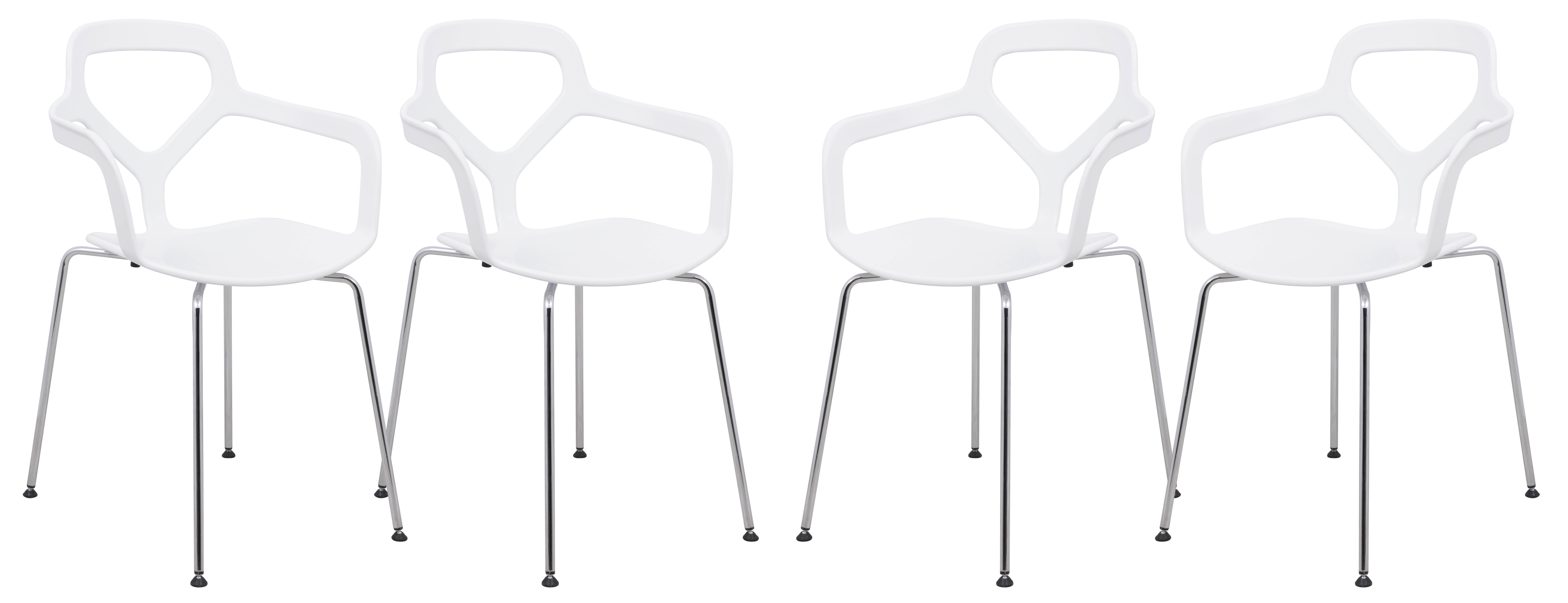
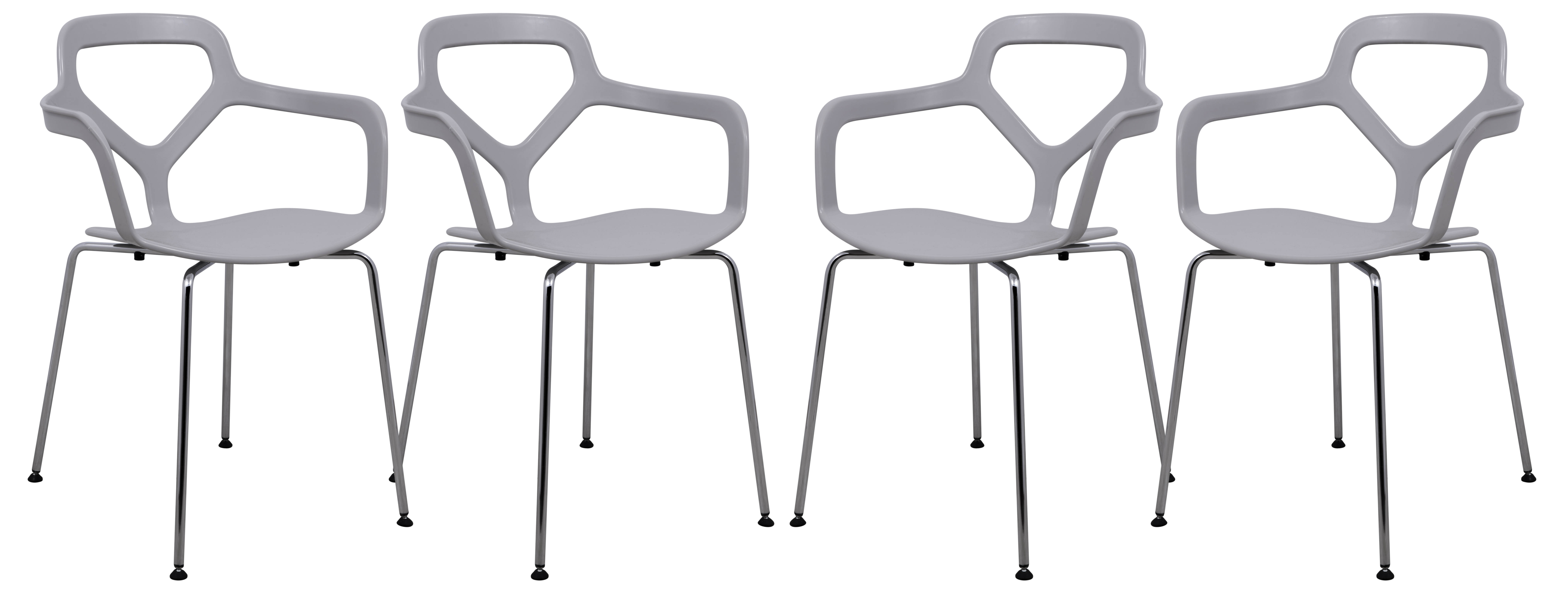
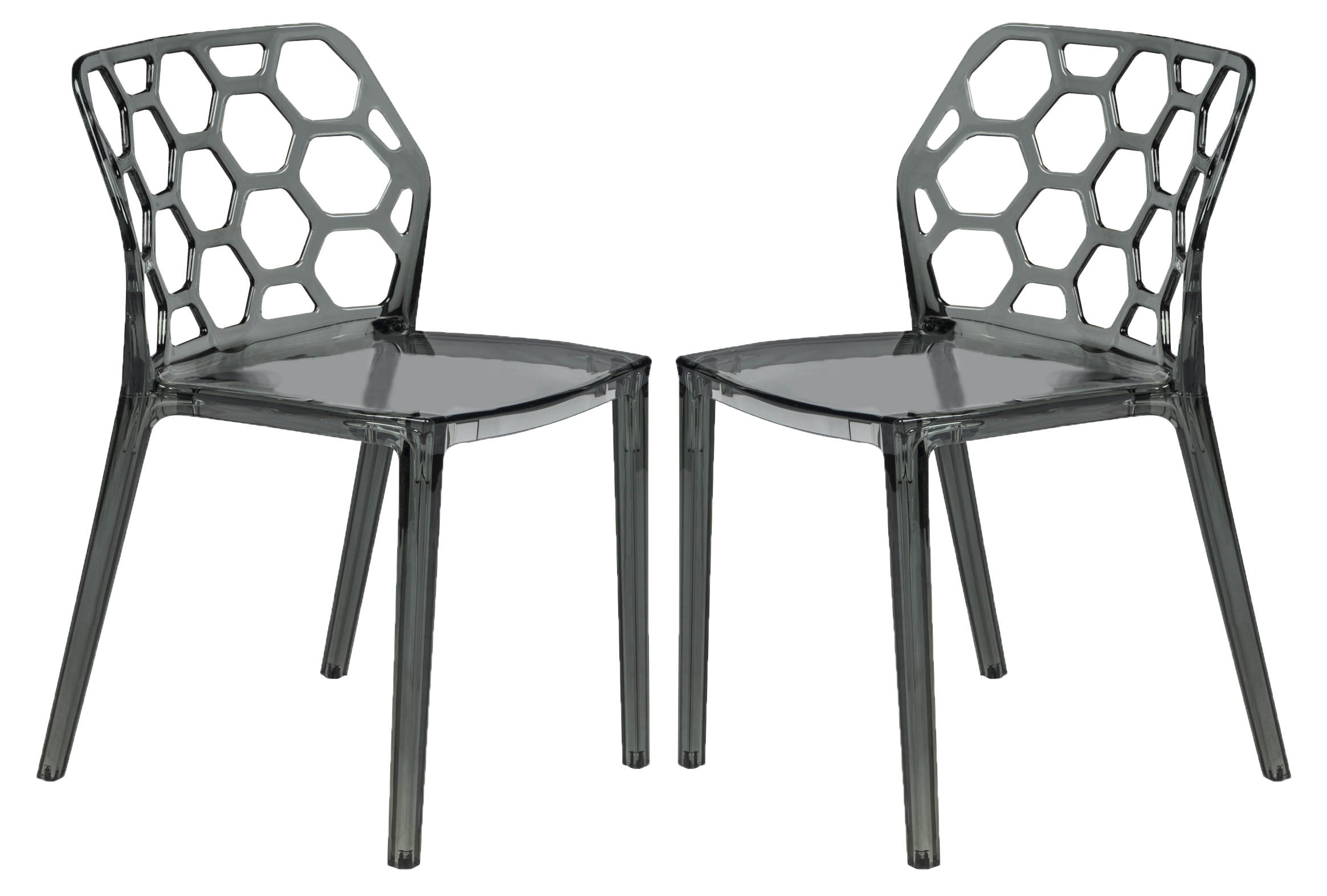
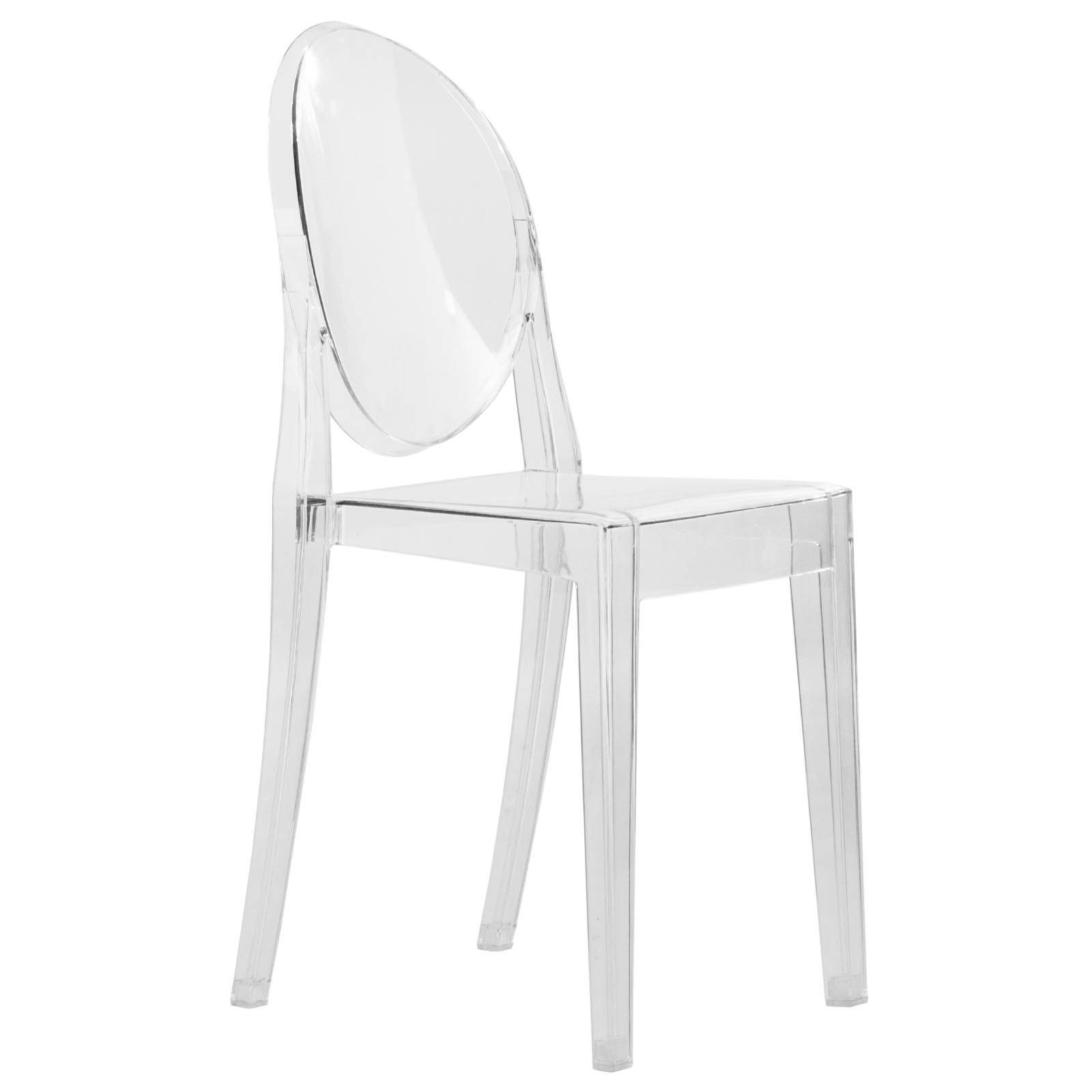
Seat height is the primary spec to match: a standard 30-inch dining table requires chairs with a seat height of 17–19 inches, leaving 10–12 inches of clearance between the seat and the tabletop. Upholstered chairs are more comfortable for extended meals and work well in formal dining rooms; wood and metal seats wipe clean more easily and hold up better in households with children. Side chairs (without arms) fit more easily around the table and allow tighter spacing; arm chairs take up more room but are more comfortable for the head-of-table positions. Mixing side chairs and a pair of arm chairs at the ends is a classic combination. If you entertain frequently, buy one or two extra chairs from the same collection — mismatched extras are often available separately while a set is still in production.
What dining room furniture style should I choose?
Formal traditional dining rooms typically feature dark-stained hardwood tables, upholstered side and arm chairs, a china cabinet for display, and a buffet or sideboard. The materials are heavier and the silhouettes more ornate. Casual and transitional dining rooms use lighter wood tones, a mix of bench seating and chairs, and open shelving instead of enclosed cabinetry — the look is less rigid and easier to coordinate with adjacent living spaces. Contemporary dining rooms often combine glass or stone table tops with metal-framed or upholstered chairs in neutral colors, with clean lines and minimal ornamentation. When choosing a style, consider the adjacent rooms — a dining room open to a living room should use compatible materials and finishes.
Dining Room Furniture Buying Tips
- Order 1–2 extra chairs if you have young children — replacement chairs from the same collection are easier to find while the set is still in production.
- Choose an extendable table with a self-storing leaf if you host holiday dinners; a 72-inch table that extends to 96 inches can seat 10 without needing a second table.
- Match the chair leg finish to the table leg finish — even if the chair fabric differs, coordinated legs create a cohesive look.
- Measure your dining room doorway before ordering a large table — many solid wood tables are delivered in pieces and assembled in place, but confirm this with the retailer.
- Add felt pads to all chair legs before first use if the floor is hardwood or tile, to prevent scratching.