
 1-877-718-CLASSY (2527)
Contemporary Coffee Tables
A contemporary coffee table sits 16–18 inches high, about 2/3 the length of your sofa, and 12–18 inches from the sofa edge — the right size and height make it easy to reach without crowding the seating area.
How do I choose the right size coffee table?
The two most important dimensions for a coffee table are its length relative to your sofa and its height relative to your seat cushions. The standard rule for length is that the table should be approximately two-thirds the length of your sofa. For an 84-inch sofa, that means a table between 48 and 56 inches long. For a 96-inch sofa, target a table in the 60–64-inch range. Going longer than two-thirds makes the table look oversized; going shorter leaves awkward gaps at either end of the sofa. For height, the table should be at or up to 2 inches below the top of your seat cushions. Most standard sofas have an 18-inch seat height, which makes a 16–18-inch table ideal. Low-profile or floor-level sofas (common in contemporary designs) need tables at 14–16 inches; taller or more traditional sofas pair better with 18–20-inch tables. For sectionals, choose a table sized to the shorter arm of the L rather than the full width — this prevents the table from blocking the chaise or corner seat. The gap between the sofa front and the table should be 12–18 inches. Less than 12 inches makes it difficult to stand up; more than 18 inches requires leaning forward to set down a glass.
What material should I choose for a contemporary coffee table?
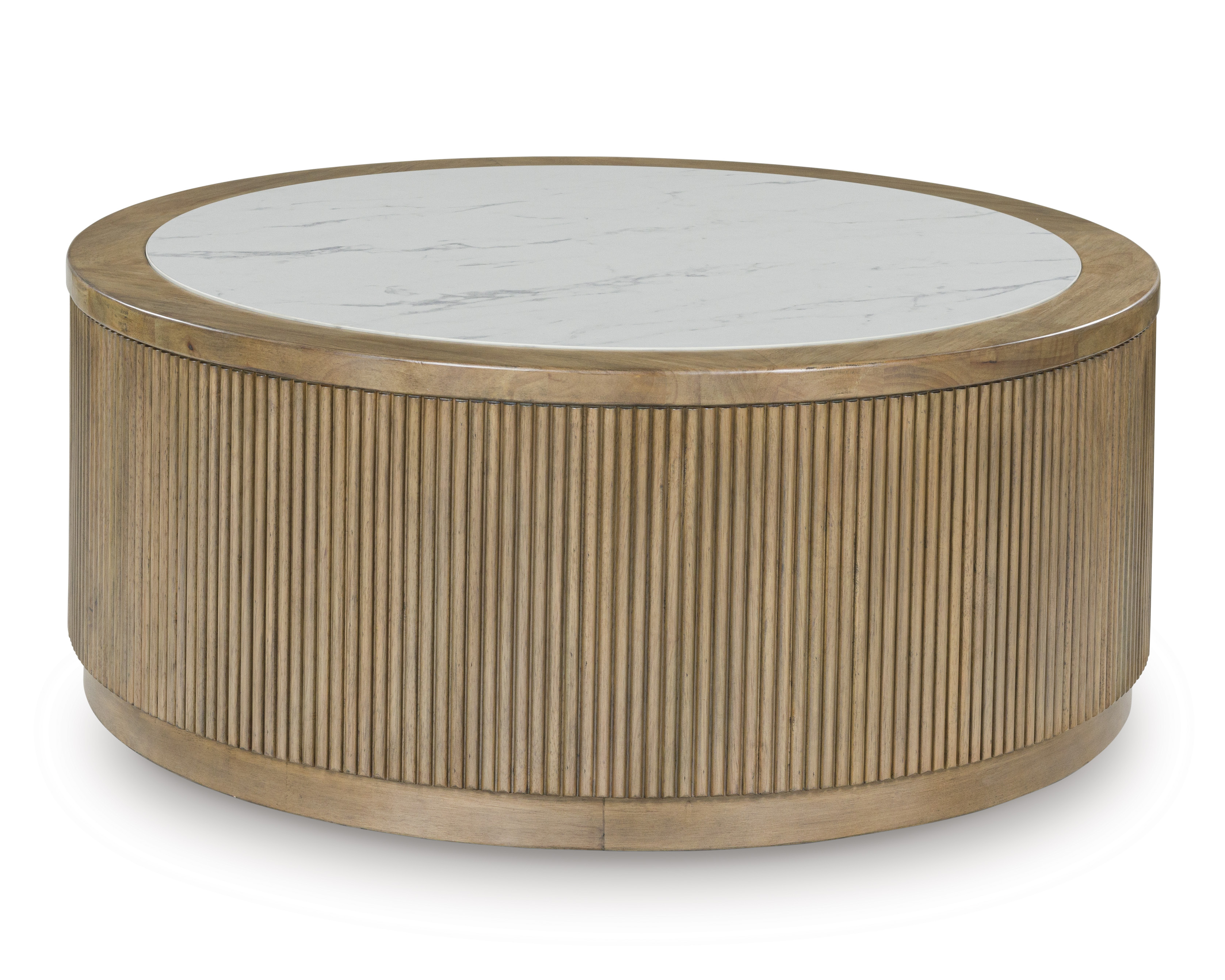
Glass tops are a popular contemporary choice because they make a room feel more open and are easy to wipe clean. Tempered glass is standard and safe, but glass surfaces show fingerprints constantly and are not suitable for homes with young children who may run into the edges. Solid wood is the most durable everyday surface — it resists denting better than glass or marble, develops a natural patina over time, and suits a wide range of contemporary and transitional styles. Walnut, oak, and acacia are common choices. Marble and stone tops have a high-end look and are heat-resistant, but they are heavy, can chip on the edges if struck, and require sealing to prevent staining from liquids. Metal-framed tables with wood, marble, or glass tops are a mainstay of contemporary design — the combination allows a lighter visual footprint while maintaining surface durability. Concrete and resin tables are on-trend and extremely durable but can weigh 80–150 pounds, which makes rearranging difficult. Avoid lacquered MDF surfaces in high-traffic homes — the finish chips and is difficult to repair.
What shape coffee table works best in my room?
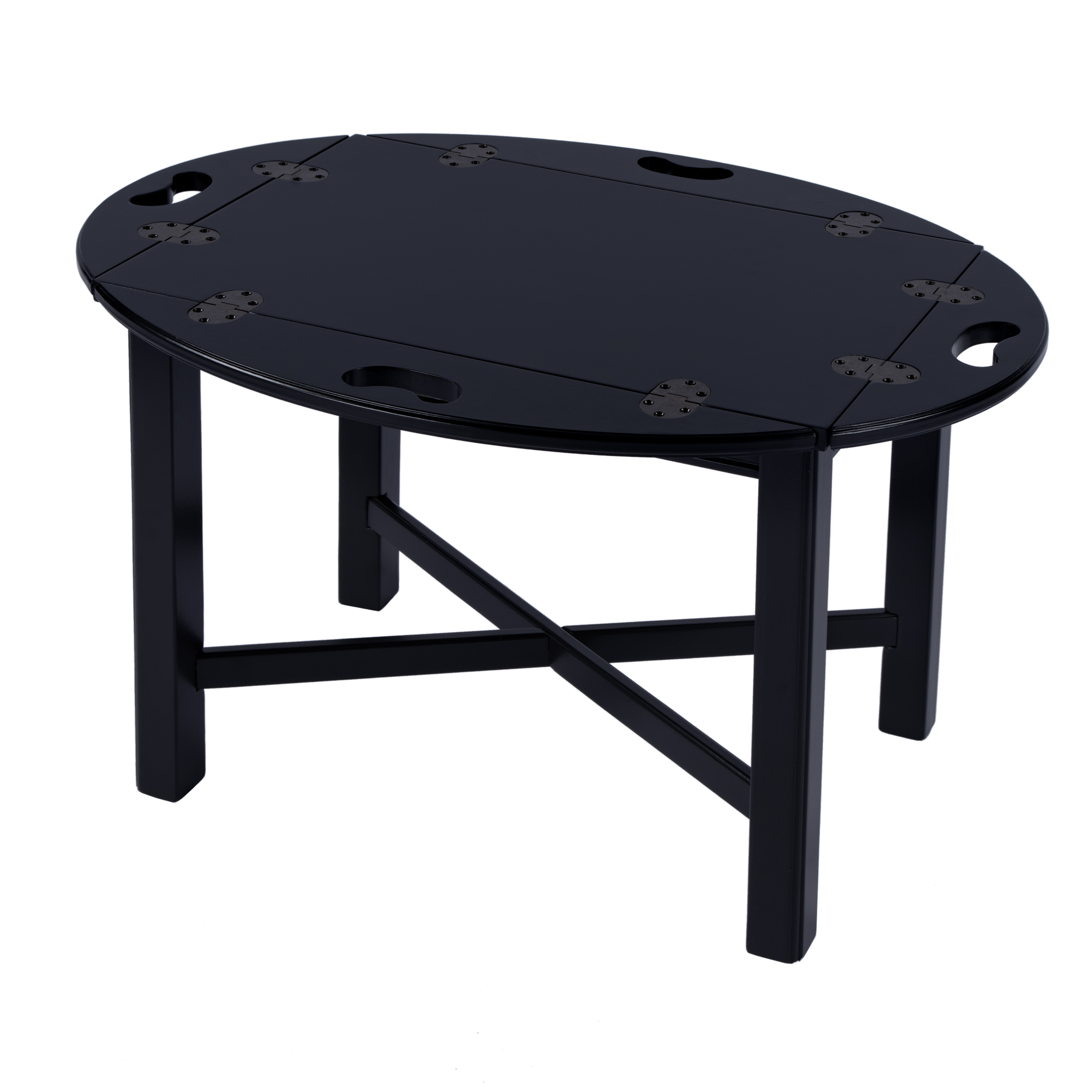
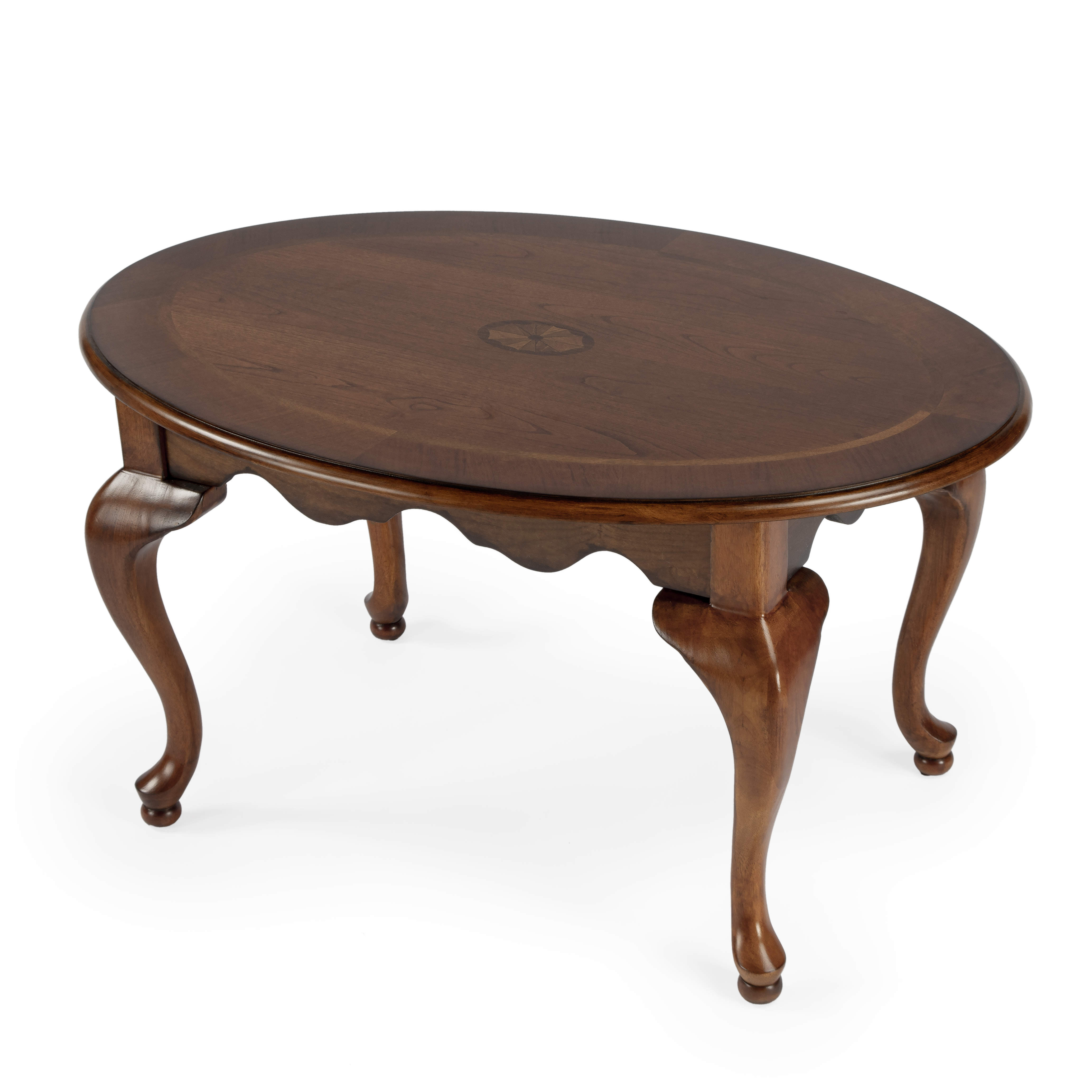
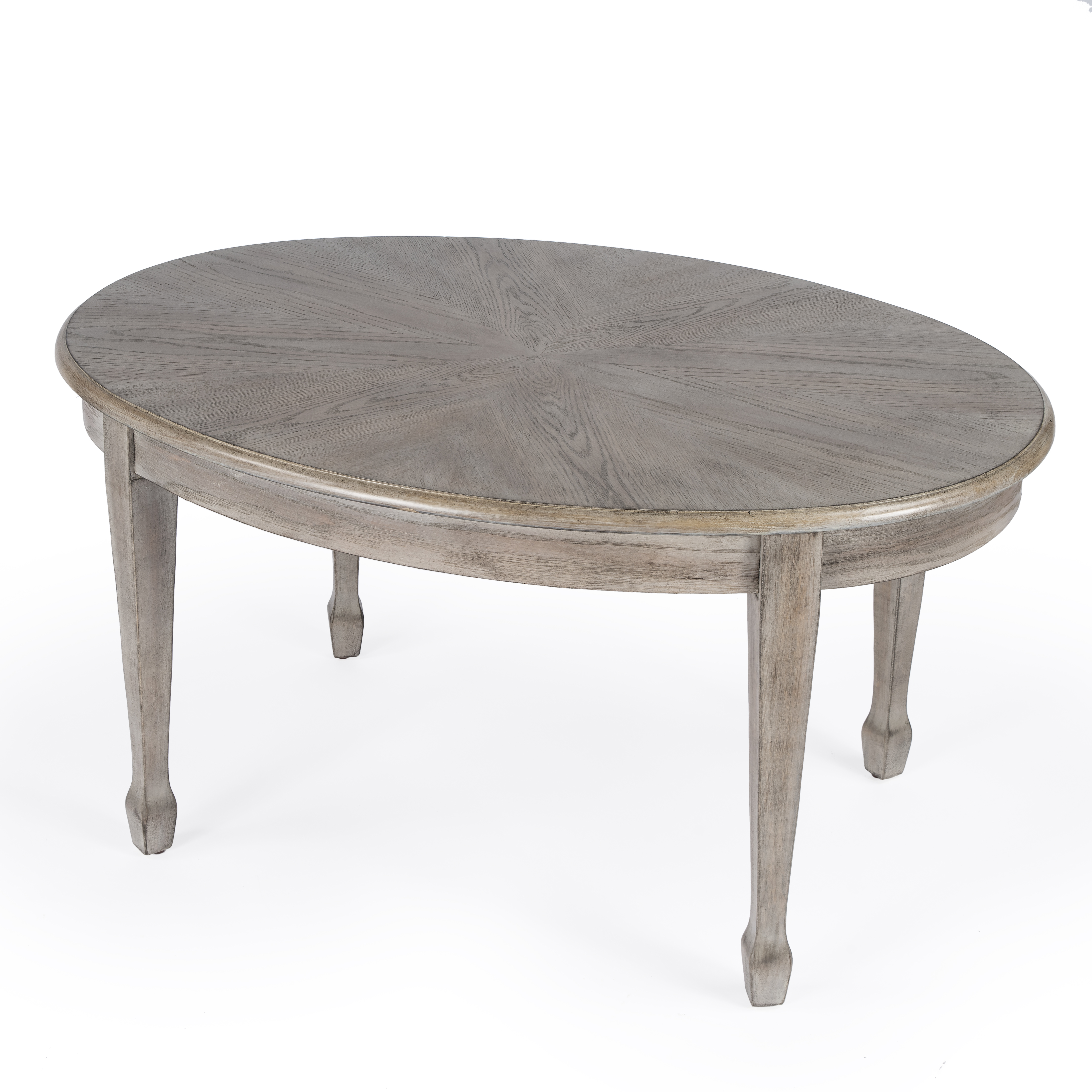
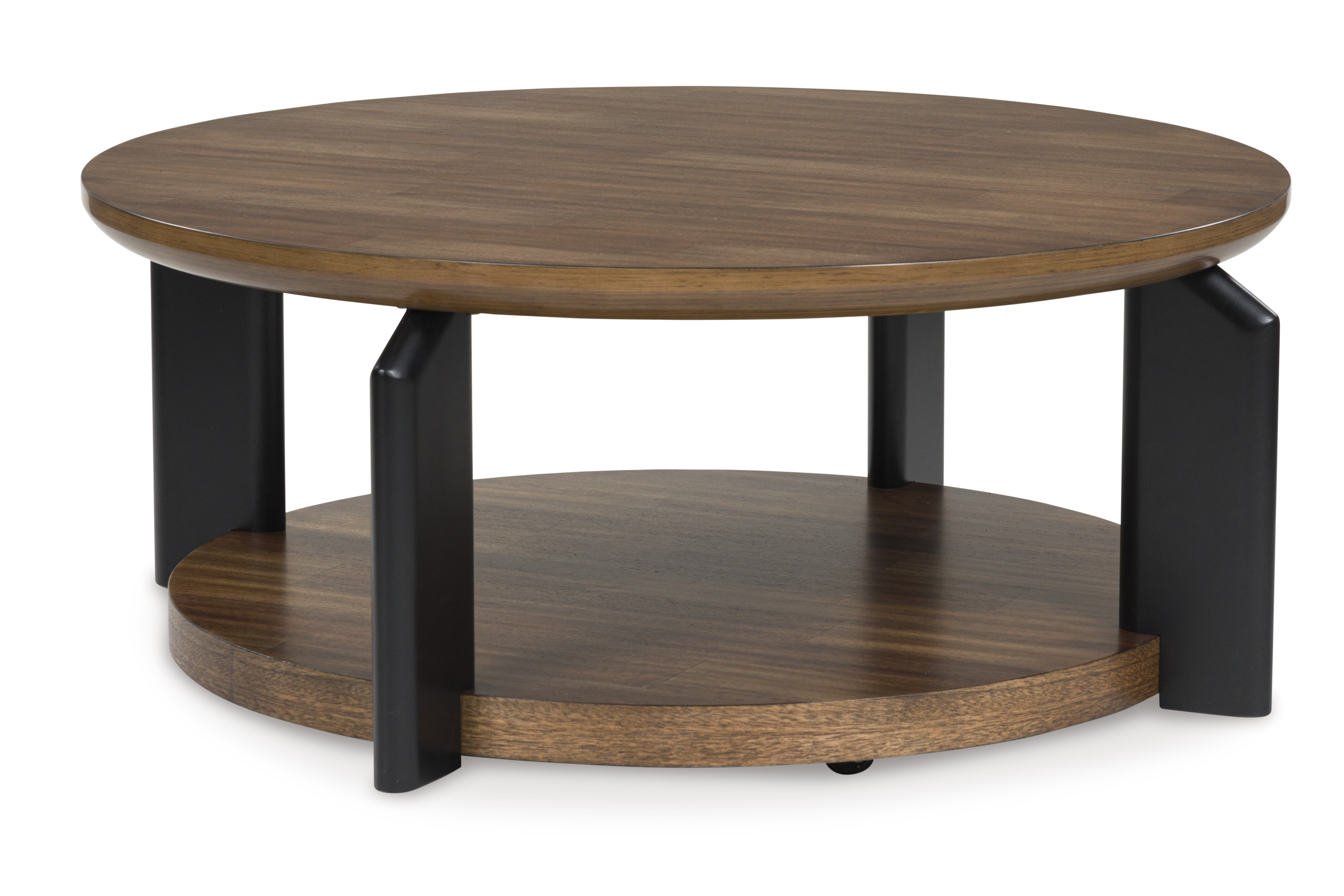
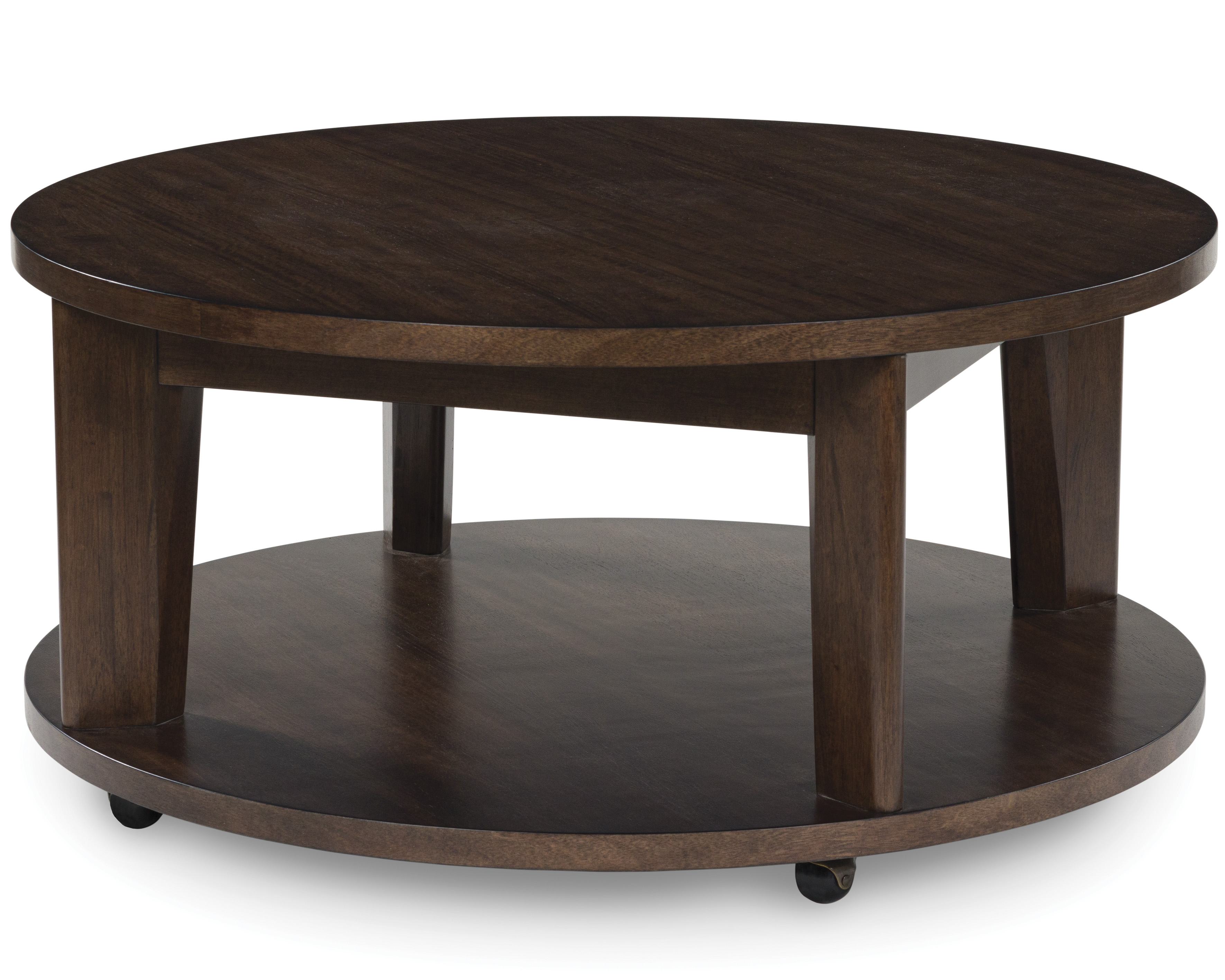
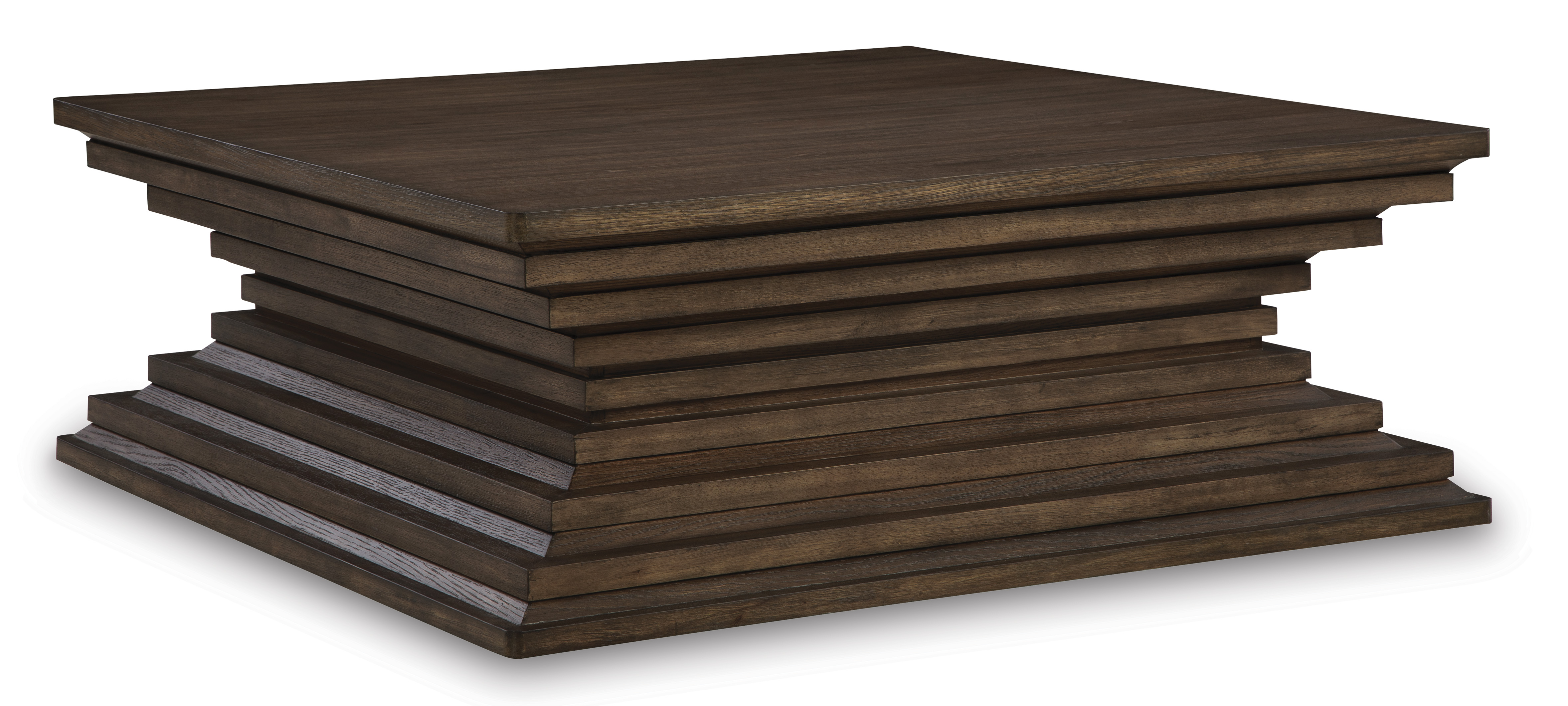
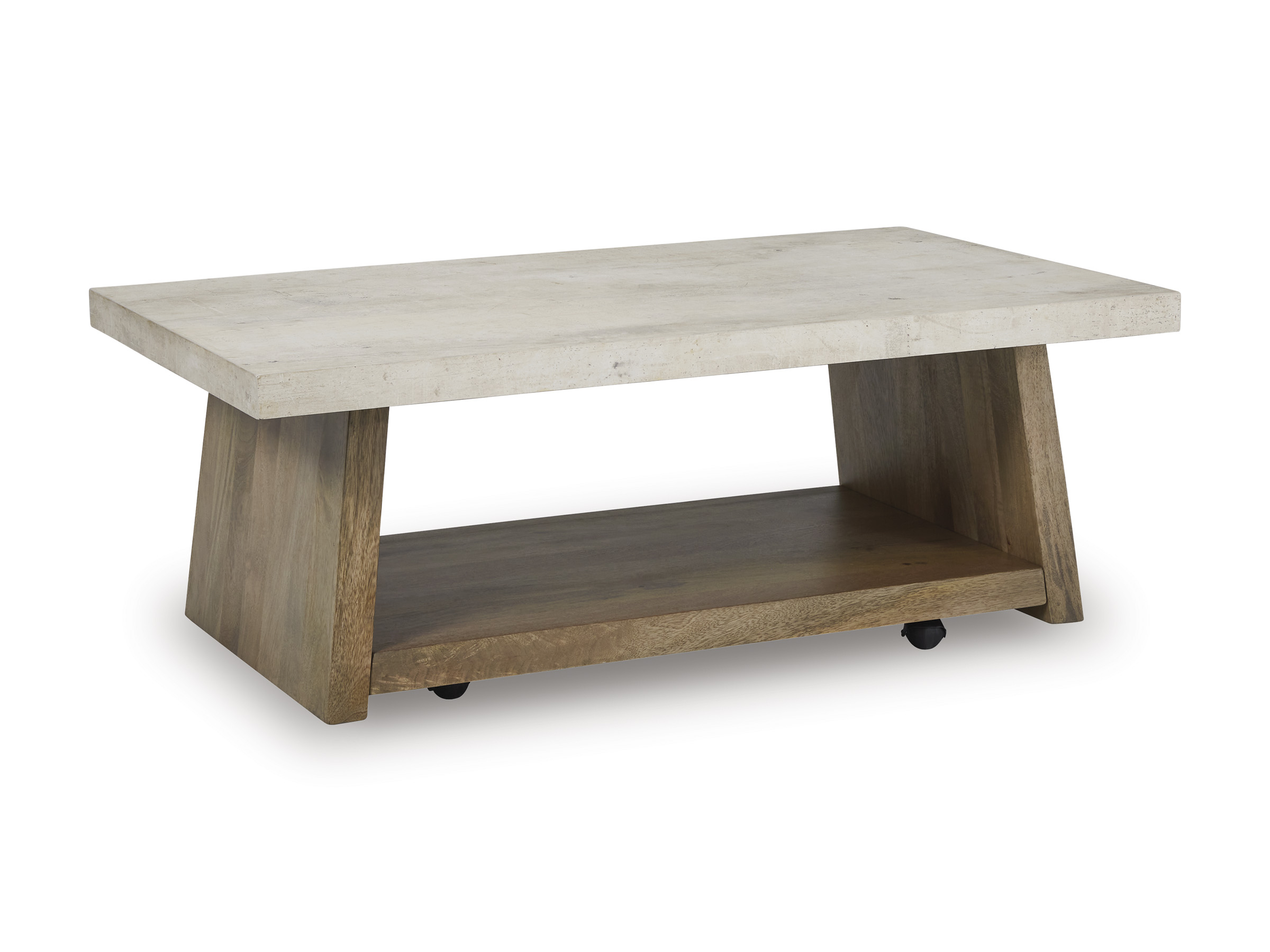
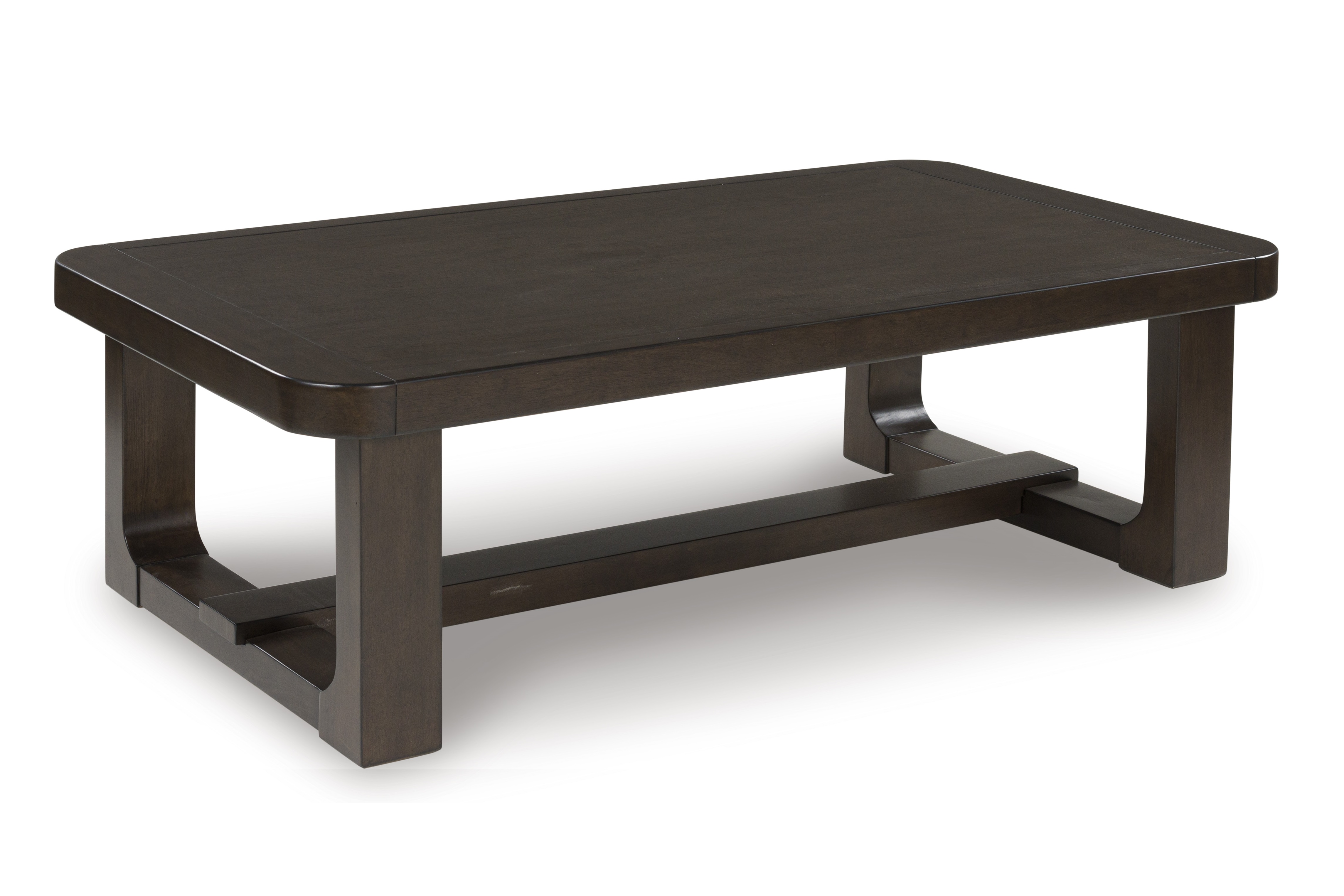
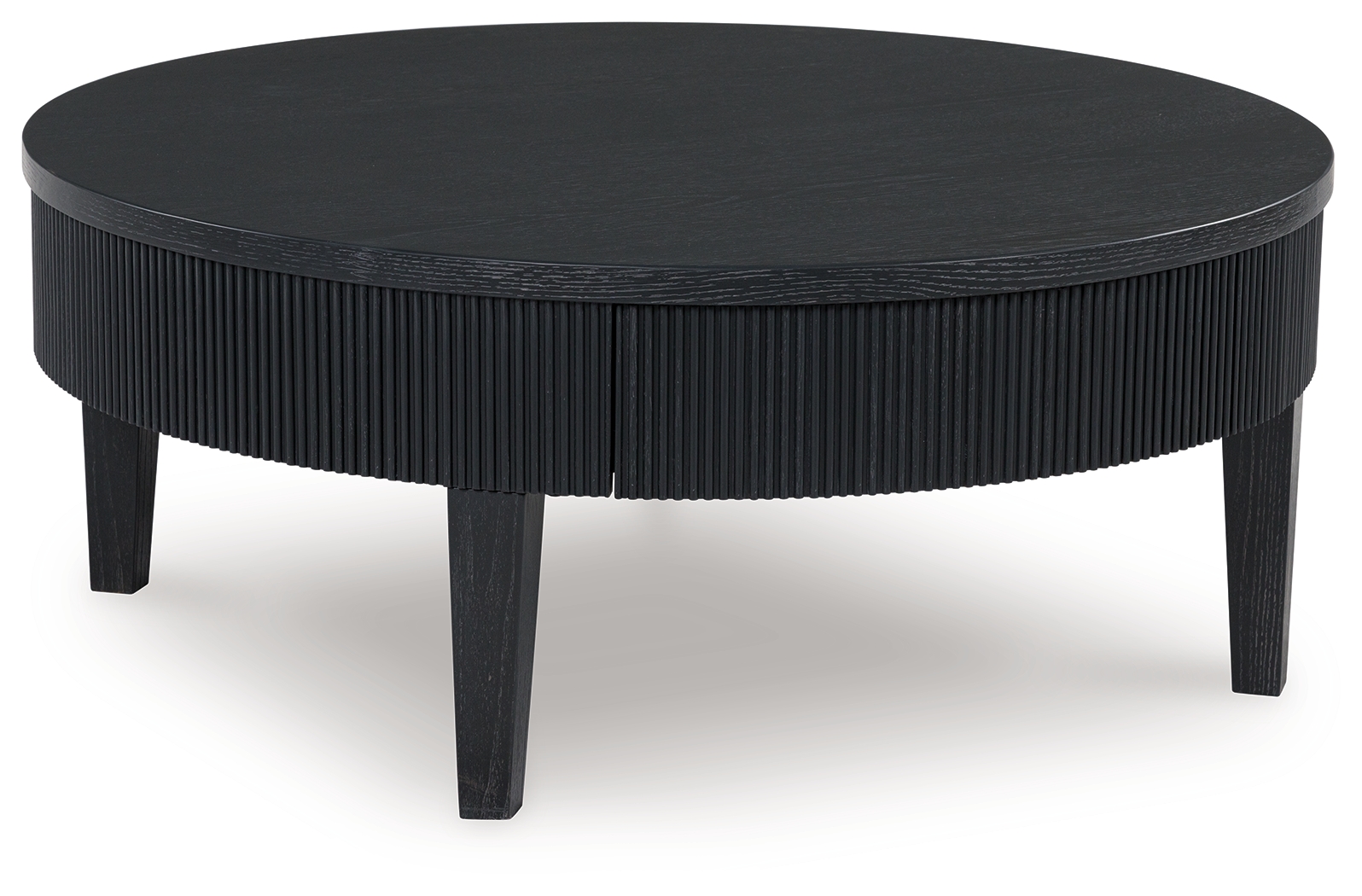
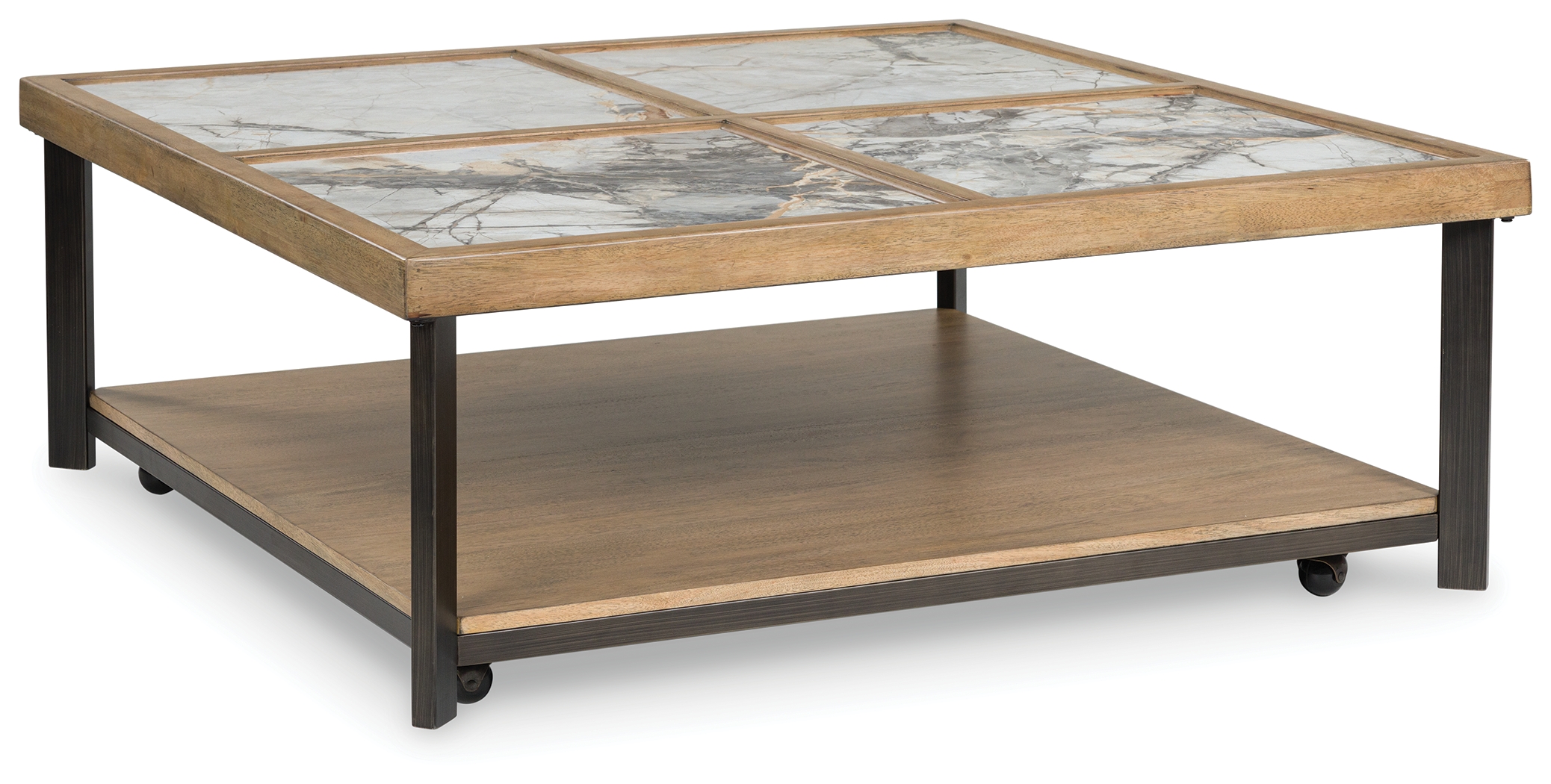
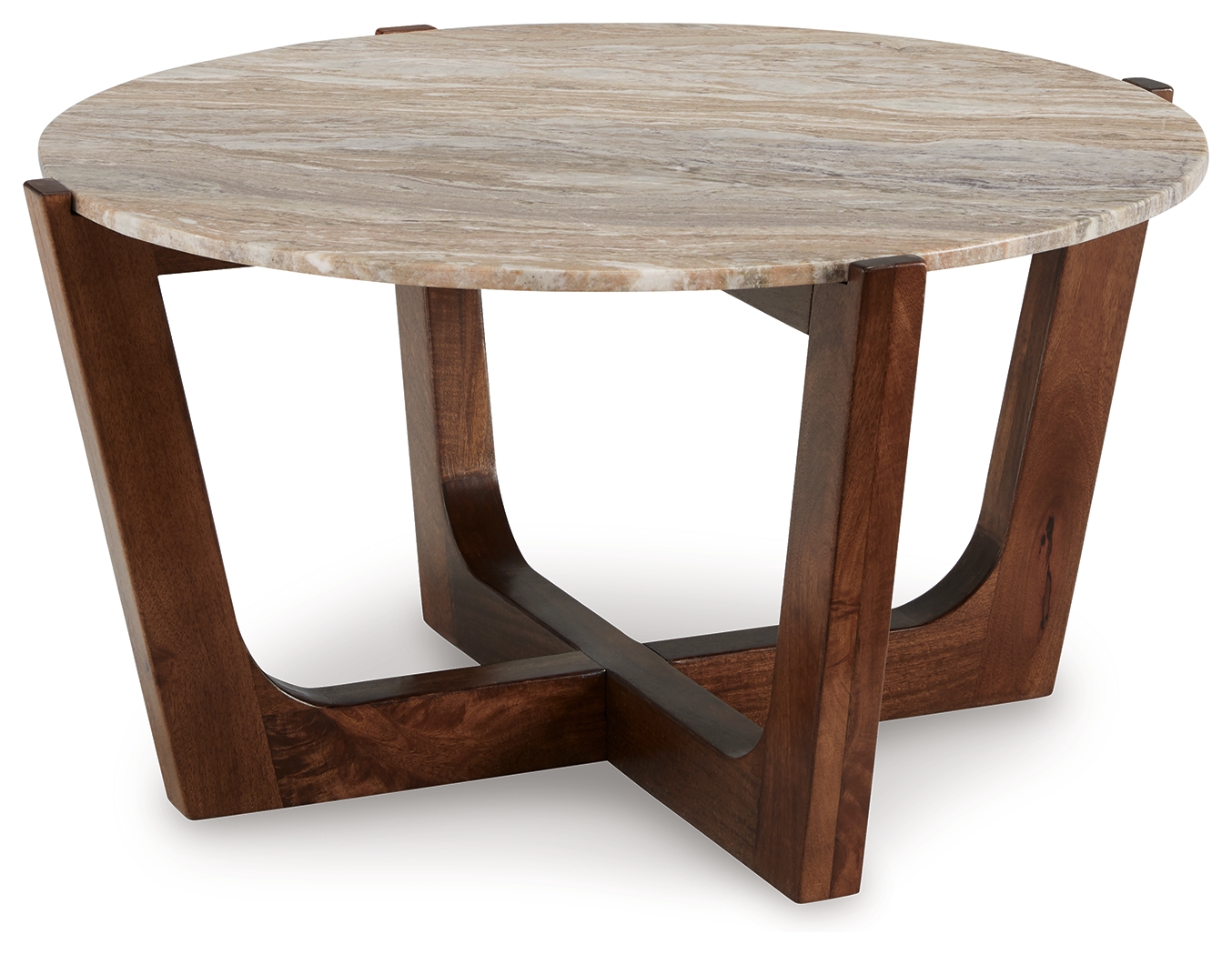
Rectangular coffee tables are the most common shape because they align with the linear form of most sofas and maximize usable surface area. They work best in rooms with clear traffic paths on either side and a sofa that runs along a single wall. Square tables pair naturally with sectional sofas or square seating arrangements — the symmetry matches the right-angle configuration of the furniture. A square table larger than 40x40 inches can feel bulky in a standard room; keep it proportionate to the sectional's width. Round tables improve traffic flow in small or oddly shaped rooms because they eliminate sharp corners that interrupt movement. They are also the safest choice in homes with toddlers. The trade-off is less surface area than a rectangle of comparable footprint. Oval tables are a practical middle ground — they offer more surface area than a round table, have no sharp corners, and visually soften the hard angles that are typical of contemporary furniture. They work especially well in narrow rooms where a rectangular table would feel constricting on the sides.