
 1-877-718-CLASSY (2527)
Contemporary Bedroom Furniture
Contemporary bedroom furniture describes designs that reflect current trends — today that means clean lines, mixed materials (wood with metal or upholstery), neutral or warm-neutral finishes, and practical storage. It is distinct from "modern," which refers to a specific 20th-century design movement.
What defines contemporary bedroom furniture?
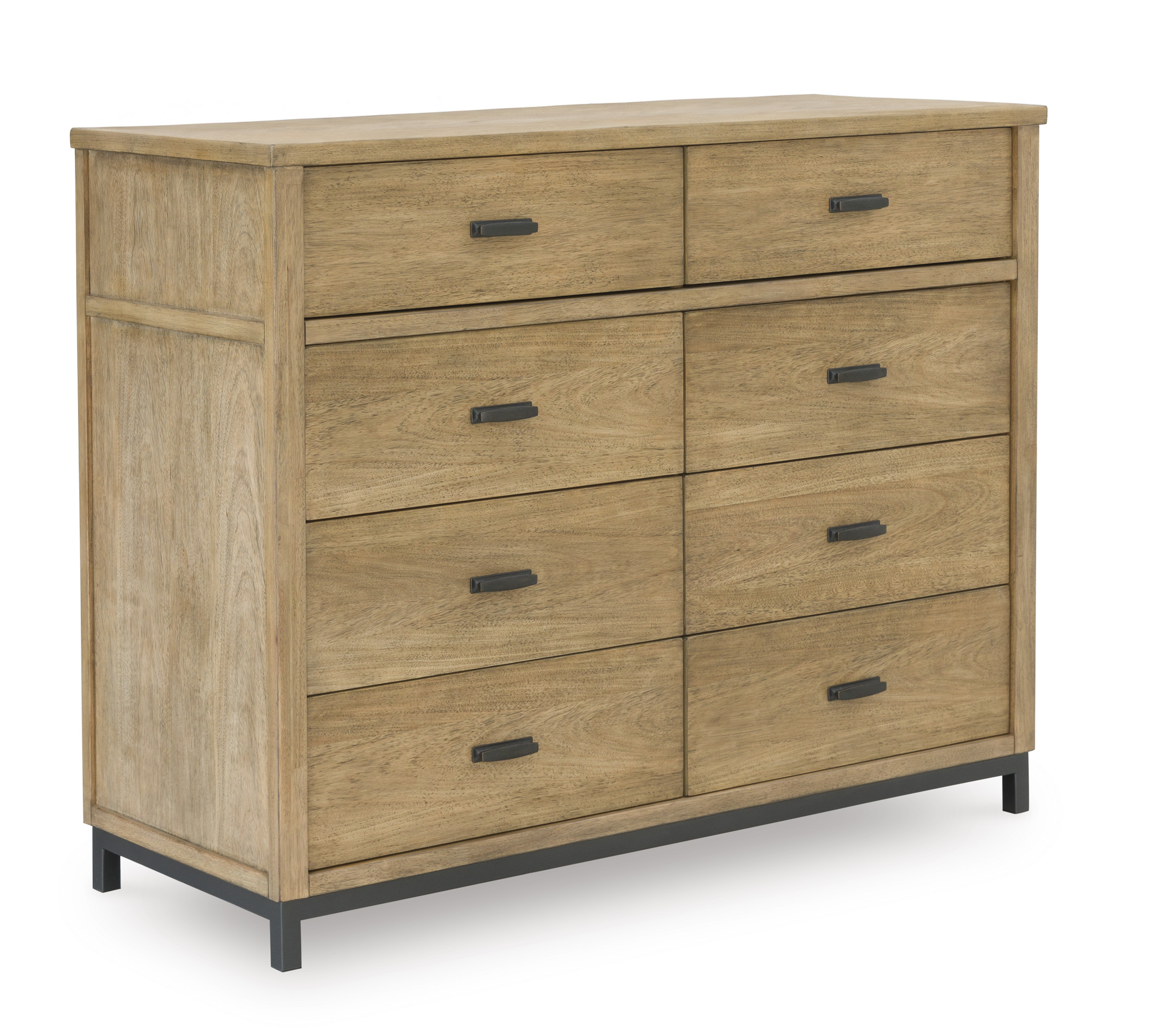
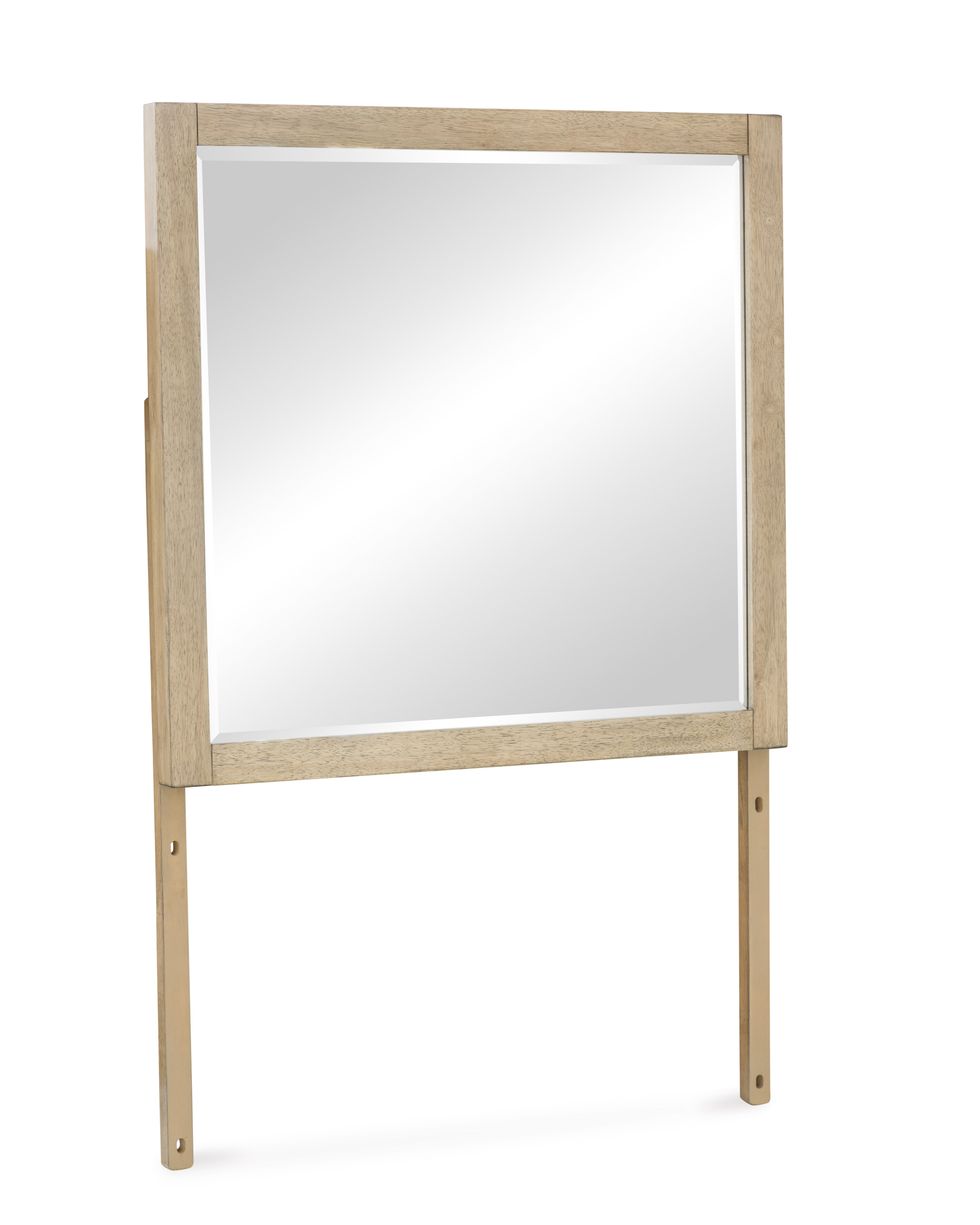
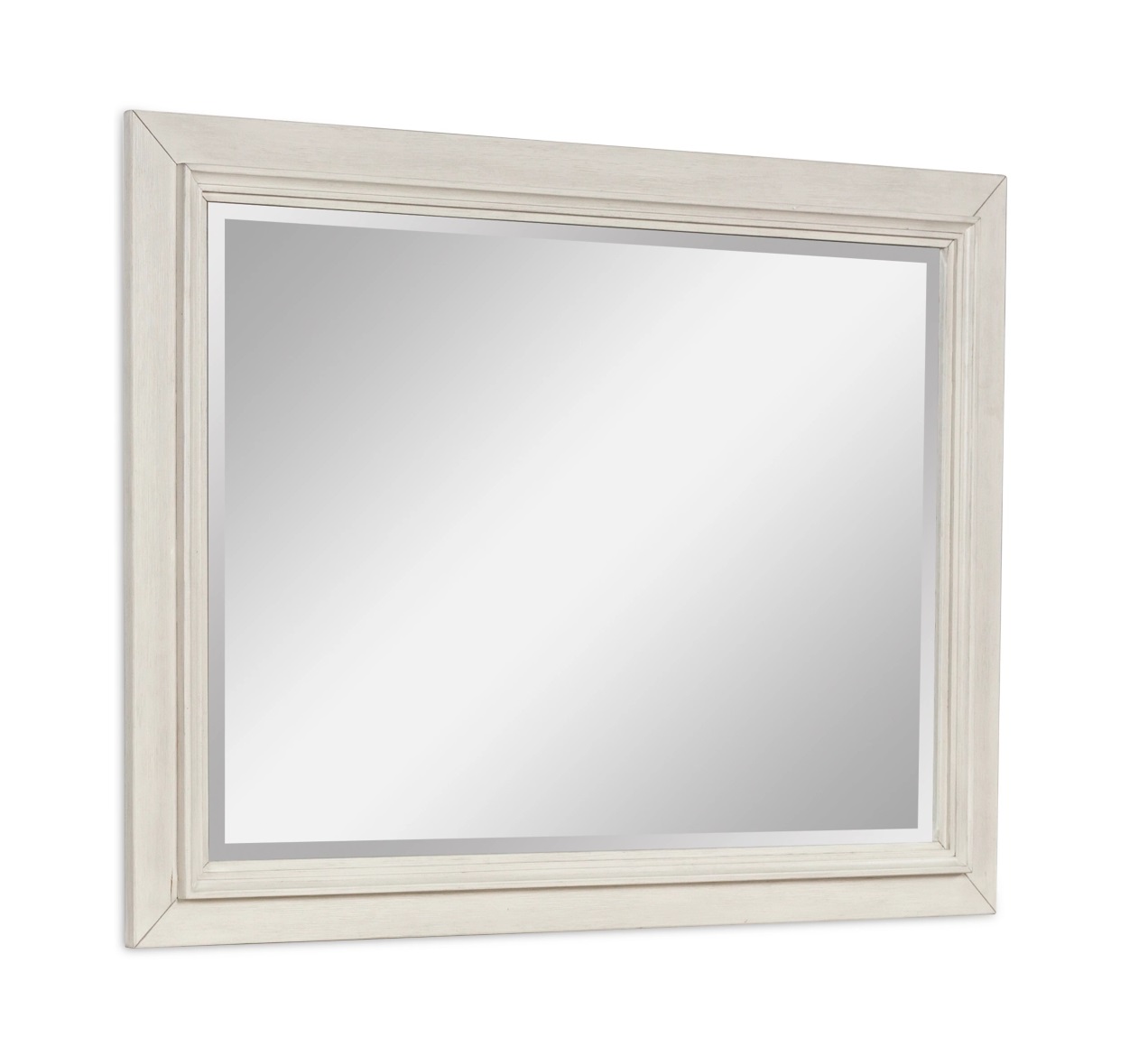
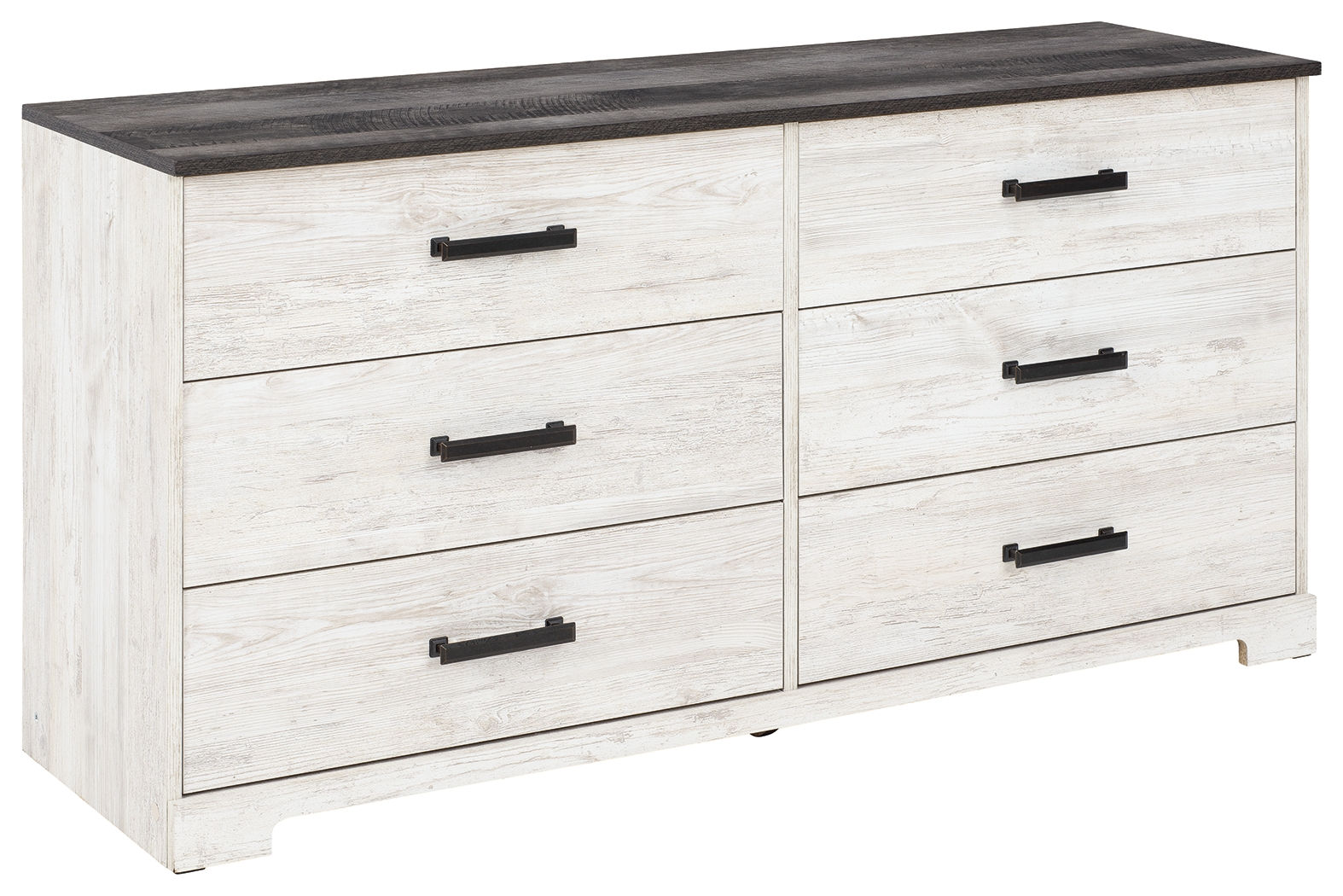
Contemporary is a moving target by definition: it means what is being designed and bought right now. In practice, today's contemporary bedroom furniture shares several consistent features. Bed frames tend to be low-profile with platform or minimal box spring setups, and upholstered headboards — in velvet, linen, or boucle — are nearly ubiquitous in current design. Case goods (dressers, nightstands) favor clean, flat fronts with integrated or recessed hardware rather than applied molding or carved detail. Storage integration is a priority: built-in USB charging ports on nightstands, under-bed storage drawers, and dresser-mirror combinations with hidden organizational compartments are all contemporary features. The overall effect is intentionally uncluttered without being sparse or cold.
How does contemporary differ from modern bedroom furniture?
Modern refers to a defined design era — the modernist movement that ran roughly from the 1920s through the 1970s, including mid-century modern, Bauhaus, and Scandinavian design. Key identifiers are platform beds, slab drawer fronts without pulls (or simple cylindrical pulls), tapered wood legs, and a strict absence of decoration: no carving, no molding, no ornamentation. Contemporary is not bound by these rules. A contemporary bedroom might include an upholstered headboard with button tufting, brass hardware, and a wood frame with a subtle curved edge — none of which would be appropriate in strict modernist design. Modern is a style; contemporary is a time period.
What materials are typical in contemporary bedroom furniture?
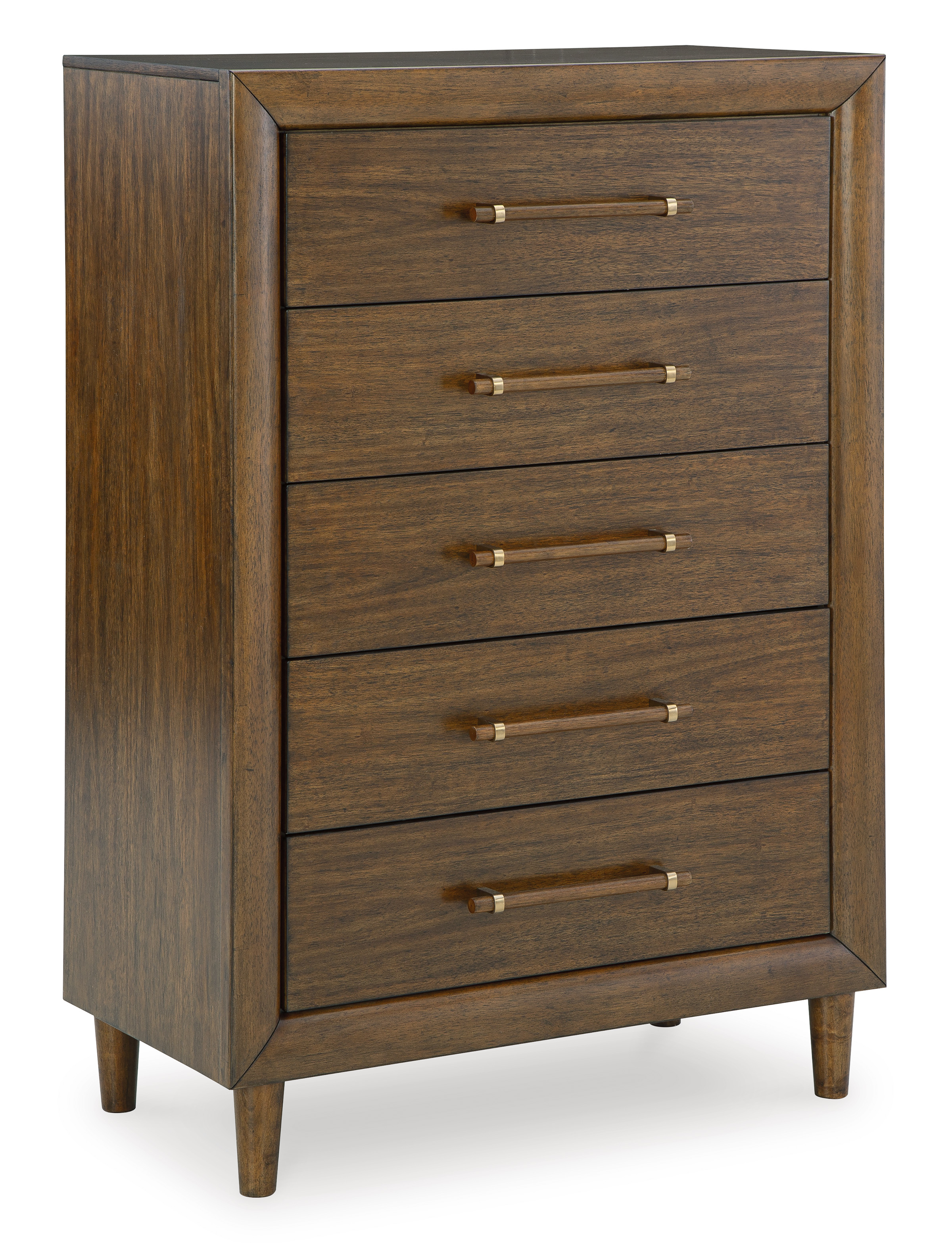
Wood is the foundation of most contemporary case goods, with warm walnut and natural oak leading the current market. These are used either as solid wood or high-quality veneer over plywood. Metal accents — typically brushed brass, matte black, or brushed nickel — appear in hardware, bed frame legs, and nightstand bases. Upholstered panels are a defining contemporary element, used in headboards and occasionally on the sides of bed frames or storage ottomans. Lacquered finishes in white, gray, or black appear on contemporary case goods, particularly in European-influenced designs. Glass is used selectively — mirrored wardrobe door panels and glass nightstand surfaces are common applications.
How do contemporary and traditional bedroom furniture differ?
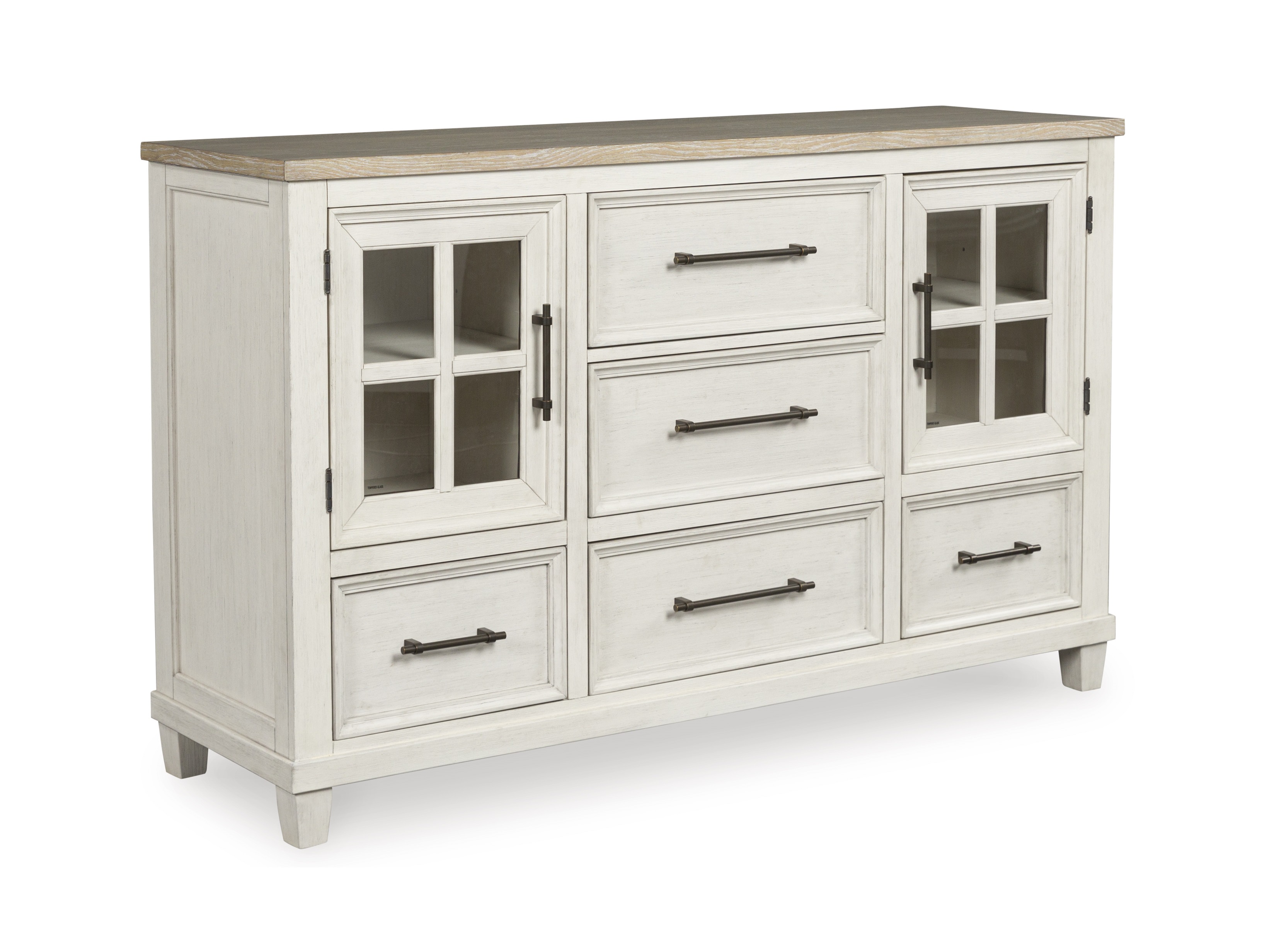
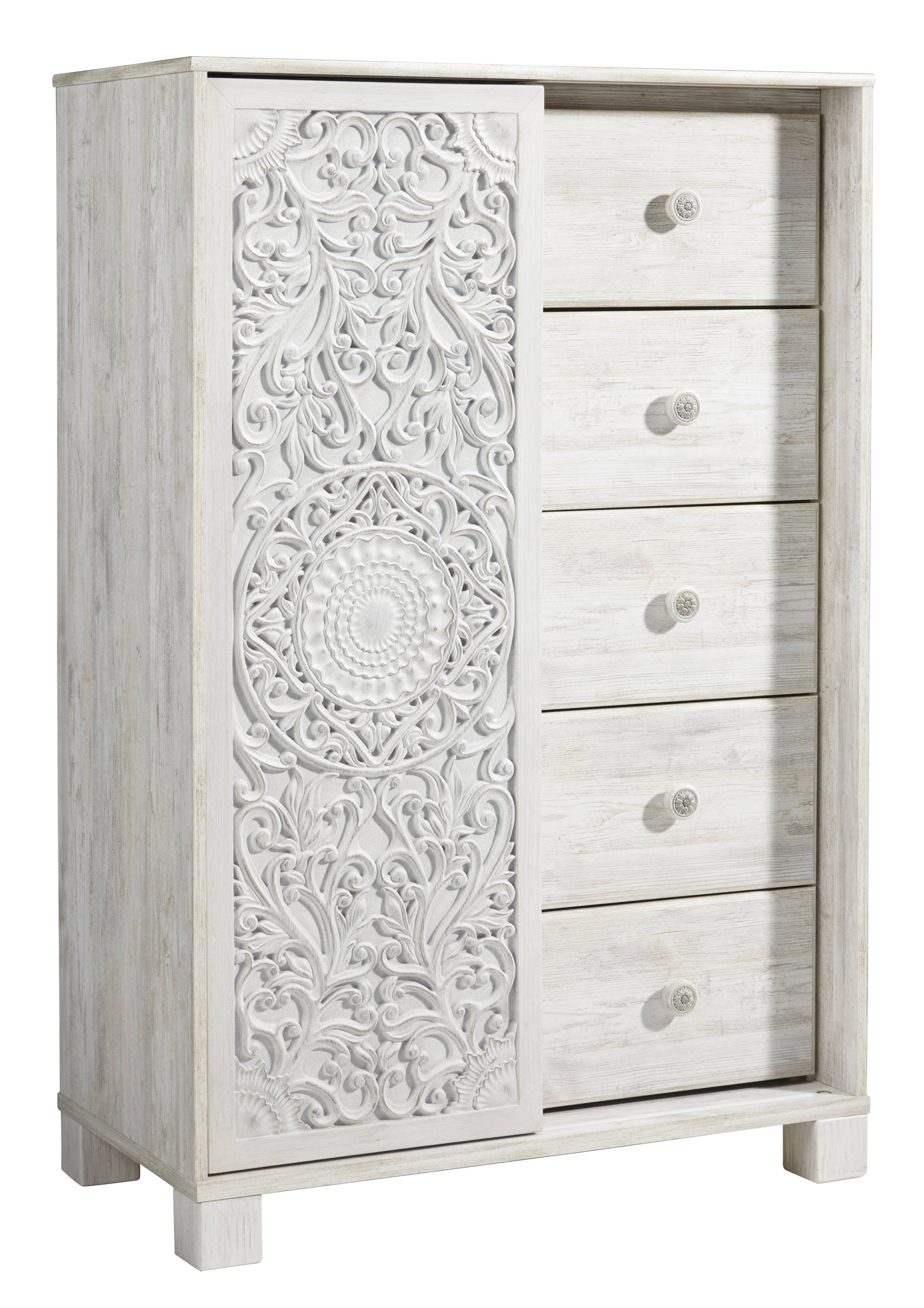
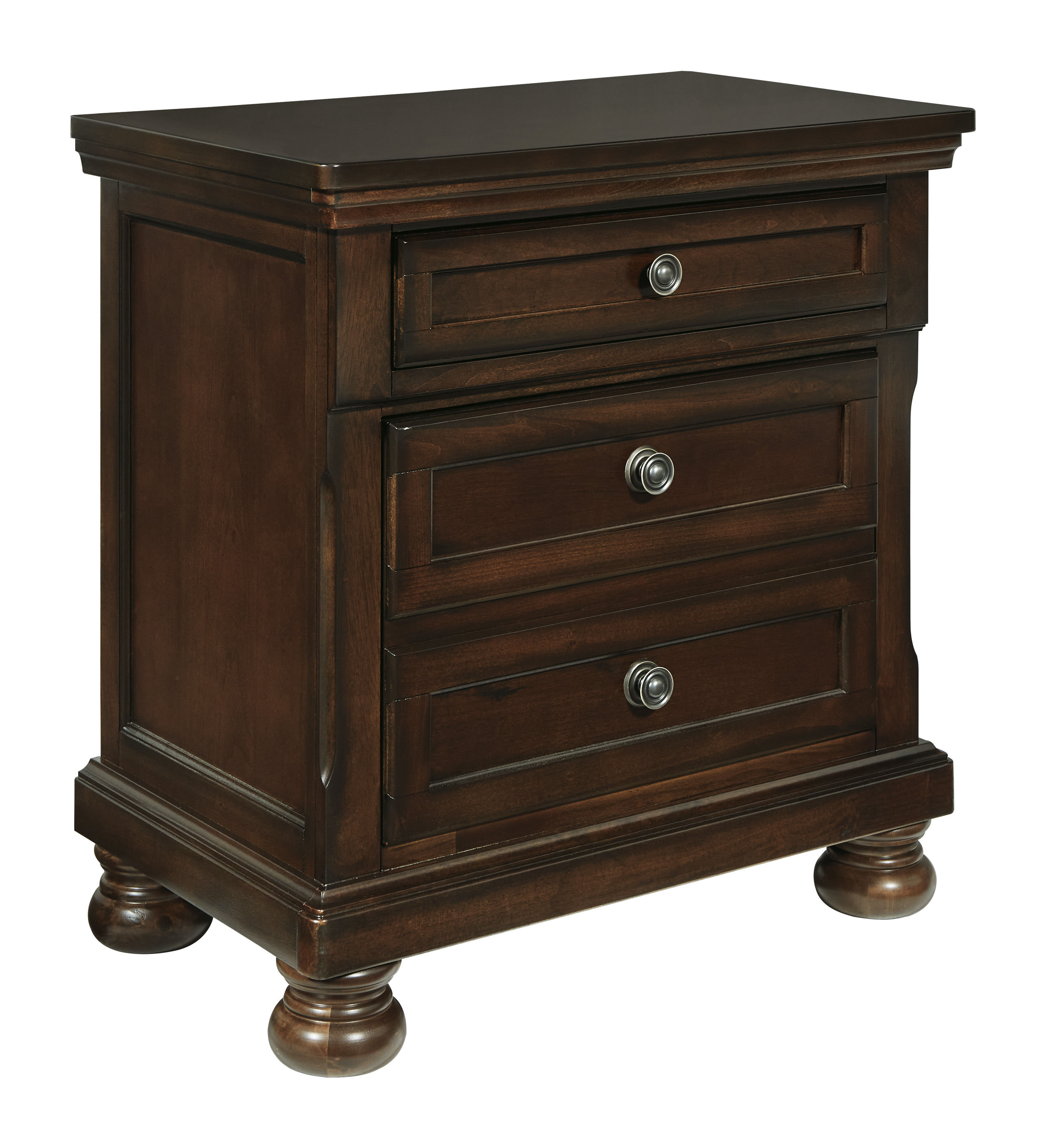
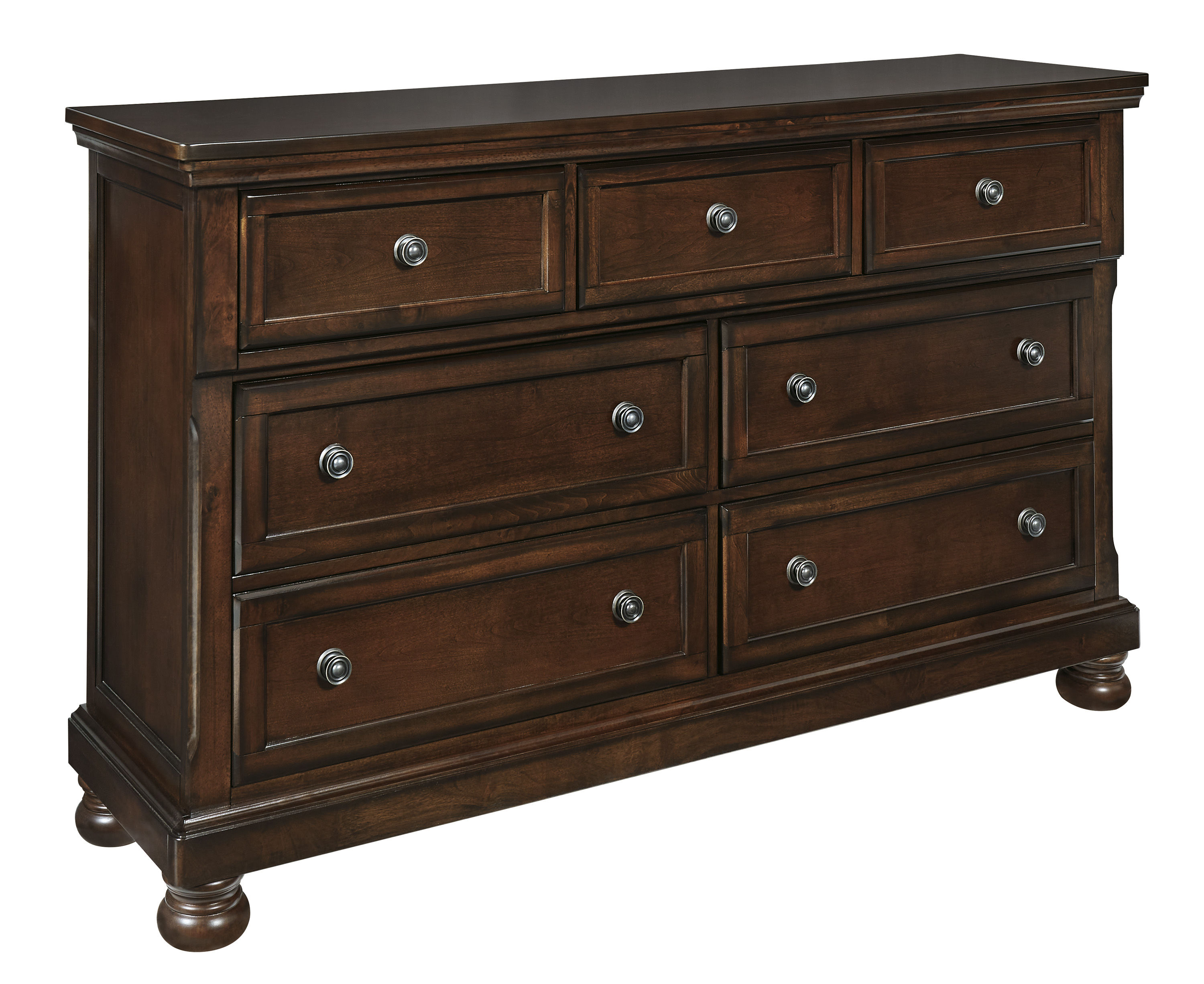
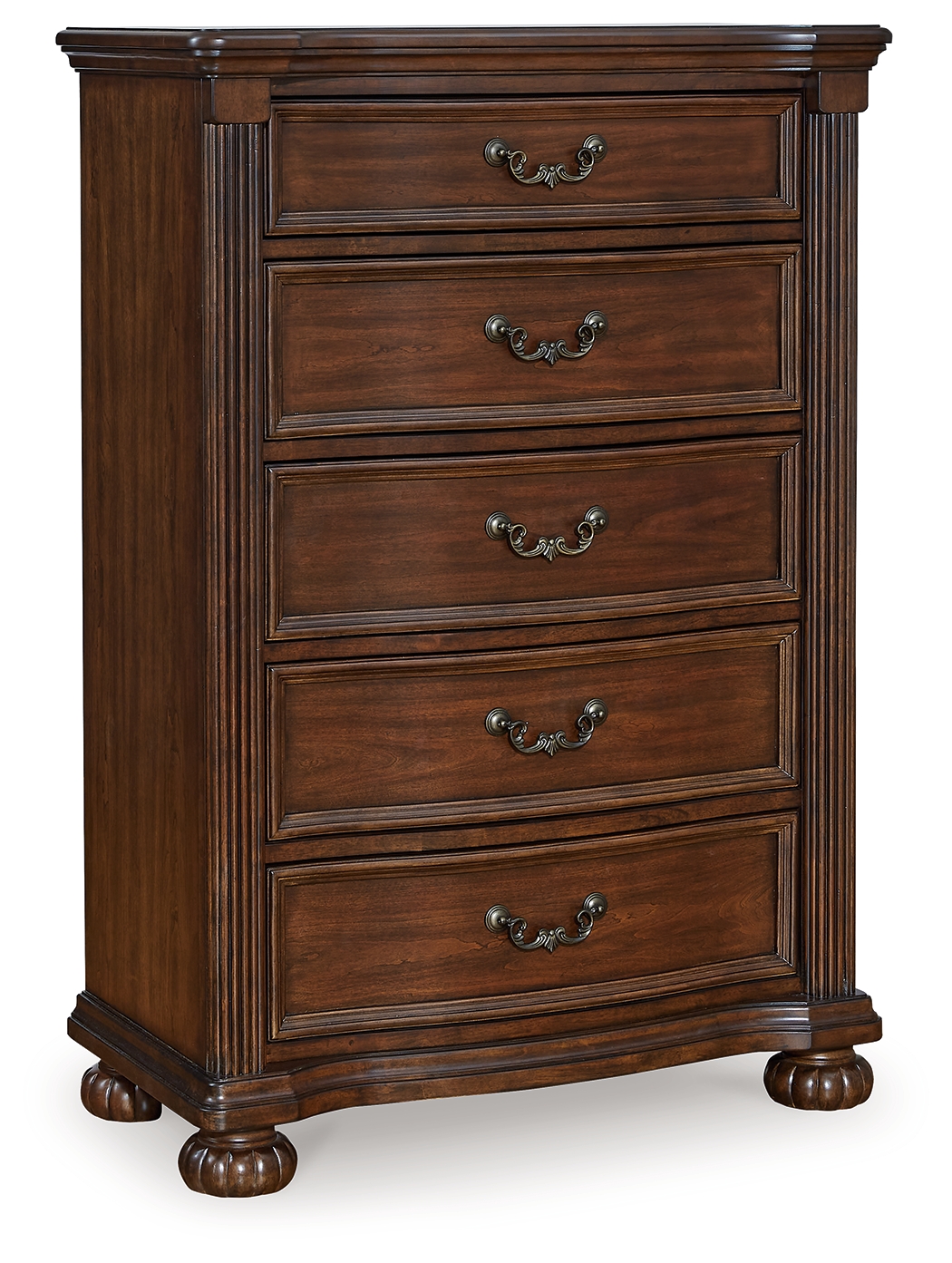
Traditional bedroom furniture is characterized by symmetrical forms, raised-panel doors, applied molding, turned or cabriole legs, and dark wood finishes in cherry, mahogany, or dark walnut. It draws on historical furniture styles — Queen Anne, Chippendale, Federal — and uses decorative detail as a primary design element. Contemporary bedroom furniture strips away applied decoration and relies on proportion, material quality, and finish for its visual interest. Hardware on traditional pieces is typically brass with a polished or antique finish; contemporary hardware leans toward matte or brushed finishes in black or warm metal tones. The two styles do not mix easily, though transitional bedroom furniture occupies the space between them.