
 1-877-718-CLASSY (2527)
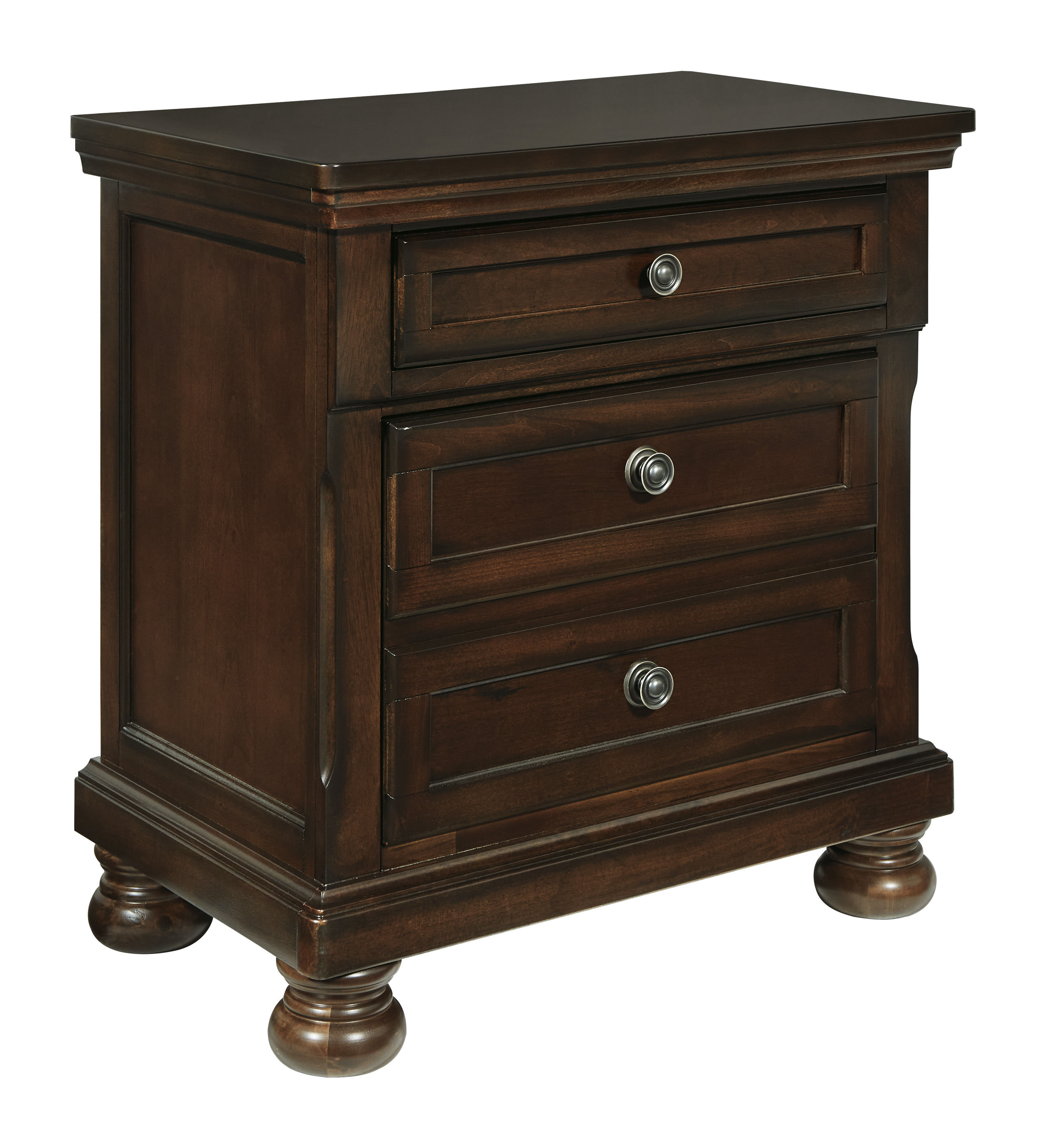
Cherry Wood Bedroom Furniture
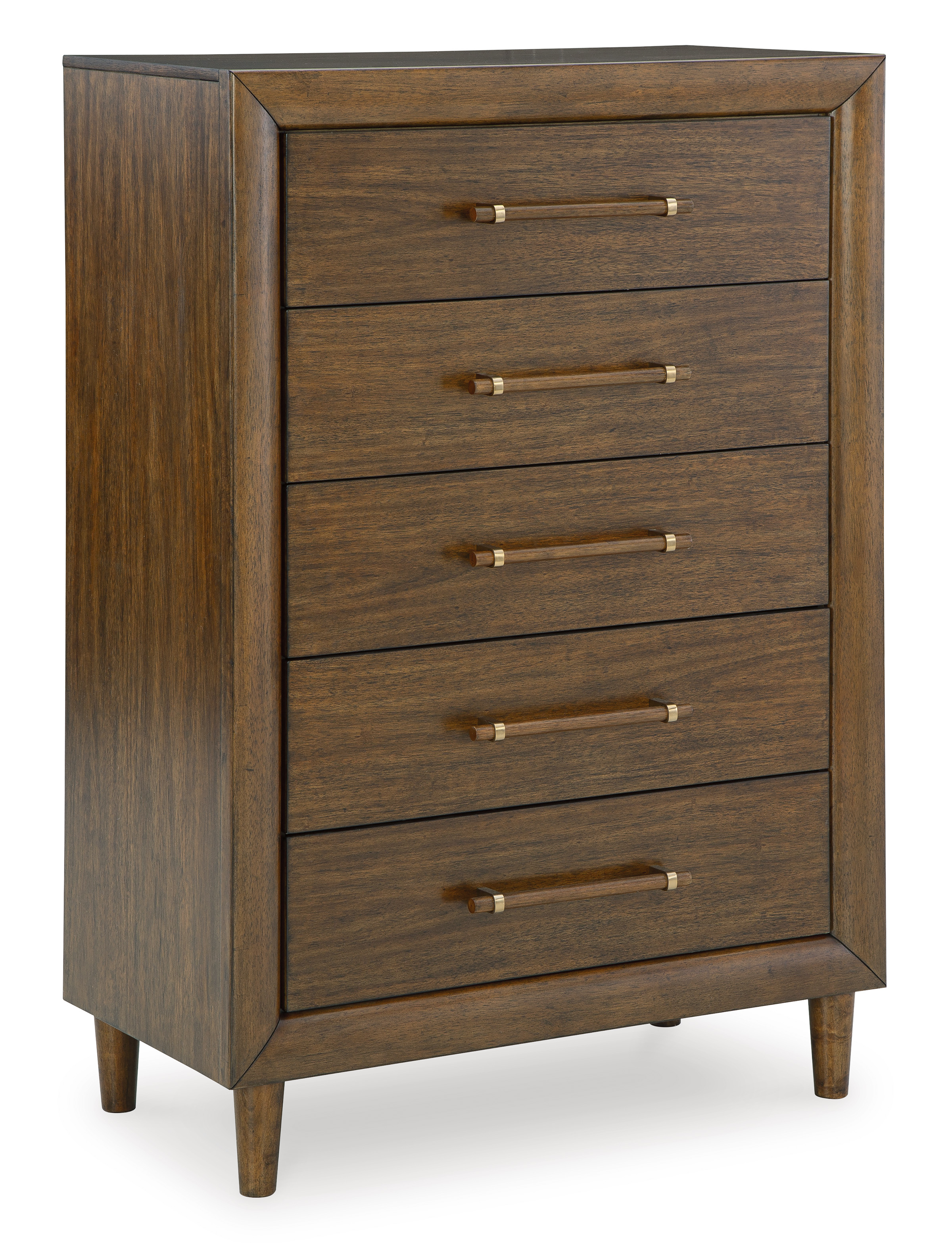
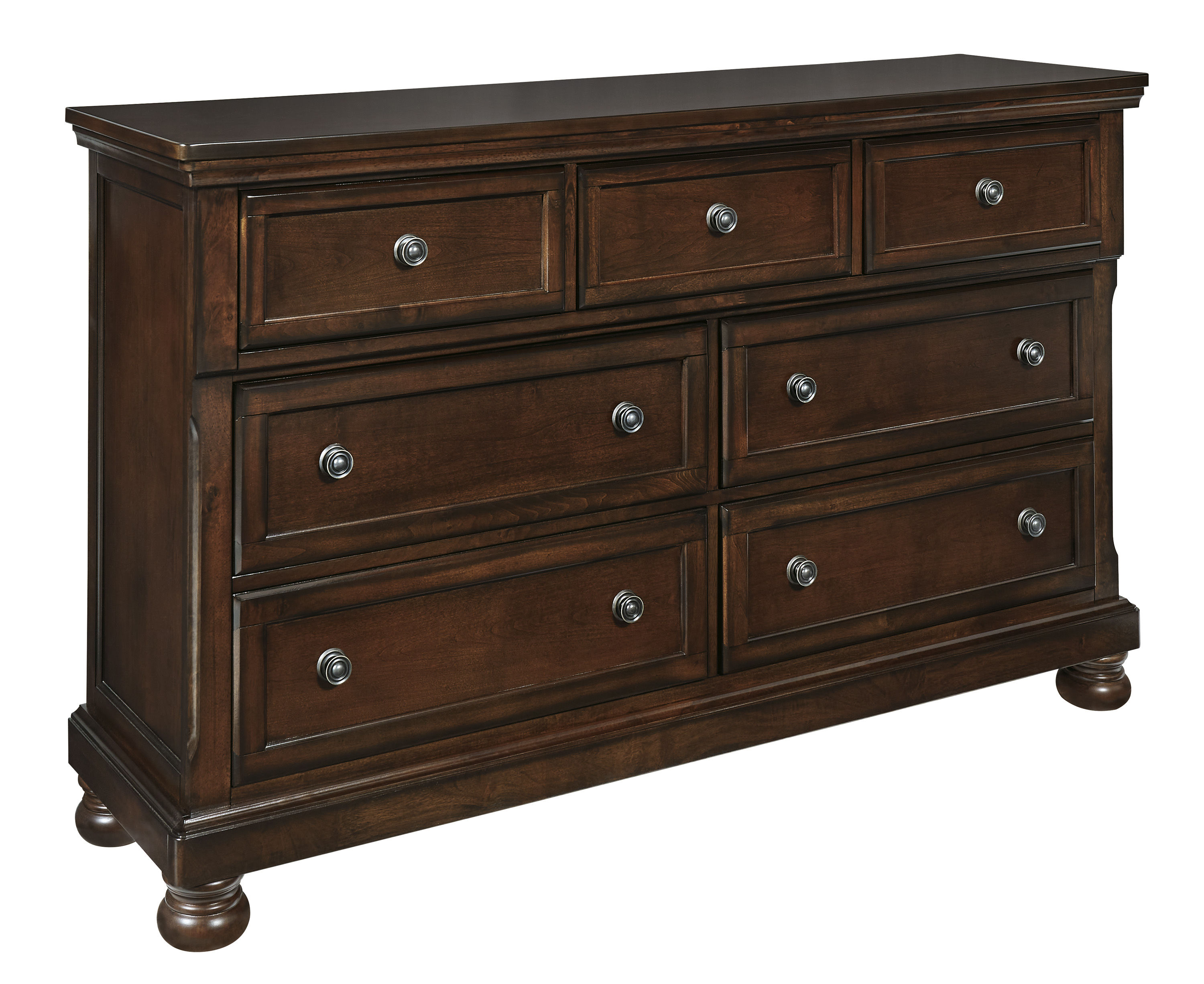
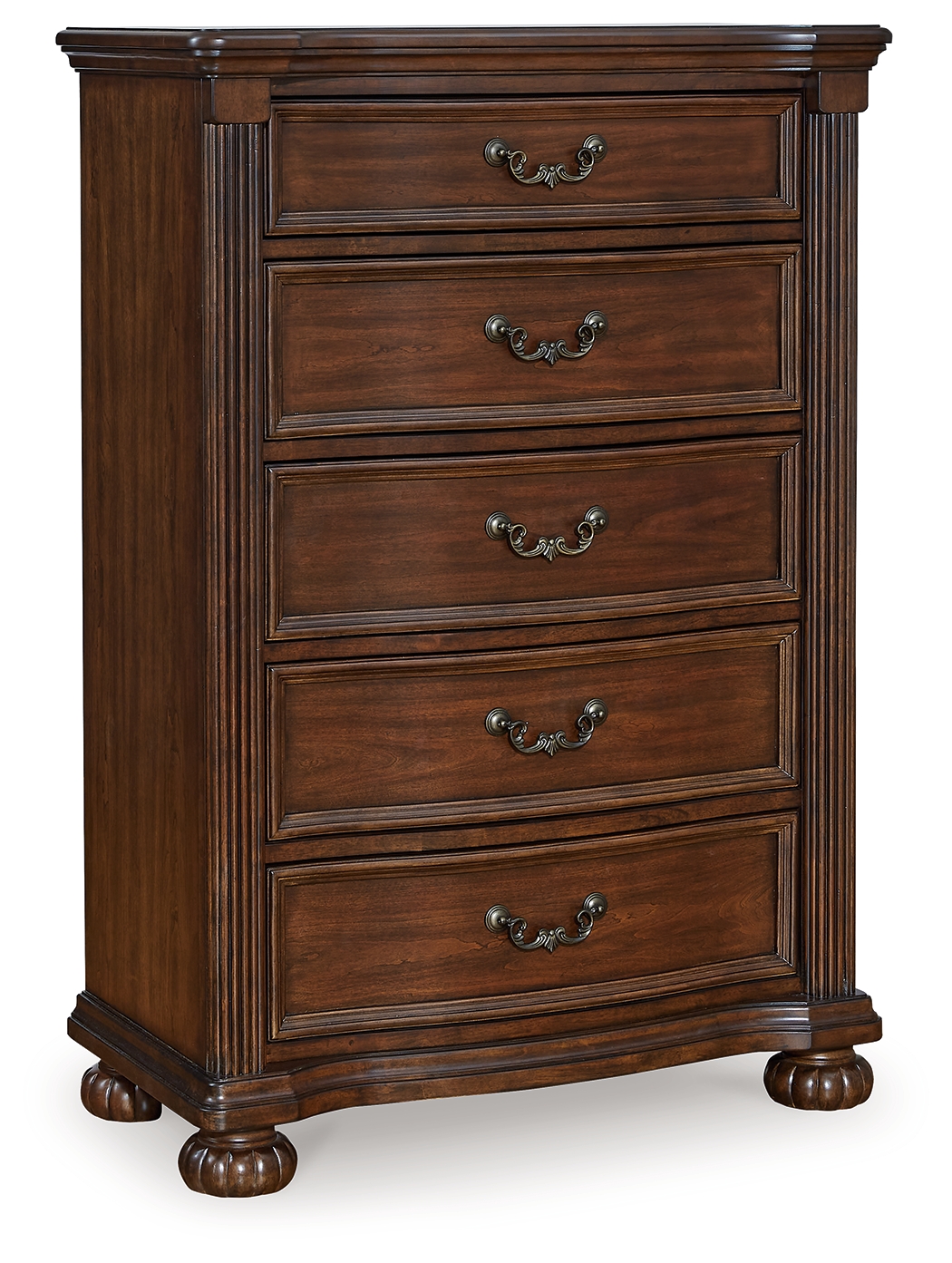
Cherry wood bedroom furniture is characterized by a warm reddish-brown tone, fine straight grain, and a natural luster that deepens significantly with age and light exposure. It is a medium-hardness hardwood well-suited to traditional and transitional bedroom styles.
What are the defining characteristics of cherry wood?
Cherry (Prunus serotina, or American black cherry) is a domestic hardwood prized for its fine, straight grain and rich color potential. Fresh-cut cherry is a pale pinkish-tan, but the wood contains natural compounds that react to ultraviolet light, causing it to deepen steadily to a warm reddish-amber over months and years. This darkening with age is a valued characteristic, not a defect. The surface has a natural chatoyance — a subtle sheen — that makes it particularly attractive with a clear or light oil finish. Occasional small gum pockets appear in the grain and are considered authentic marks of natural cherry. The wood's fine texture allows for clean machining and detailed carving, which is why it became a favored wood for traditional American furniture-making in the 18th and 19th centuries.
Solid cherry vs. cherry veneer: what is the difference?
Solid cherry furniture is constructed from cherry lumber throughout — drawer sides, case panels, and structural components are all solid wood. It can be refinished if the surface is scratched or worn, and it develops the characteristic patina throughout the piece. Cherry veneer uses a thin slice of cherry wood (typically 1/28 to 1/40 of an inch) applied over a substrate, most commonly MDF or plywood. Veneer furniture can display the same grain and color as solid cherry on exposed surfaces, costs less, and is often more dimensionally stable (less prone to warping). The limitation is that it cannot be refinished as aggressively as solid wood. For bedroom case goods, quality veneer over a stable substrate is a legitimate option; for structural pieces like beds, solid wood joinery at stress points matters more than the surface material.
What room colors pair well with cherry wood bedroom furniture?
Cherry's warm reddish tone is complemented by colors that share or balance its warmth. Cream and warm off-white walls — not stark white — allow the wood to read as rich rather than dark. Sage green provides a classic pairing that references traditional American interiors. Soft gold and honey tones create an all-warm palette that suits formal bedroom settings. For a lighter, more contemporary approach, pale gray with warm undertones can work, though cool grays can make cherry feel muddy. Avoid cool blues and greens unless the cherry has aged to its darkest, most neutral amber — on younger, lighter cherry, cool wall colors tend to clash with the reddish undertones.
How does cherry wood compare to other bedroom furniture woods?
Compared to oak, cherry is less porous, has a finer grain, and is softer — oak is more dent-resistant but has a more prominent grain texture. Compared to walnut, cherry is lighter in color when new and warmer-toned when aged; walnut is naturally darker and does not change as dramatically over time. Compared to maple, cherry is warmer and darkens with age while maple stays relatively consistent in tone. Cherry's unique combination of fine workability, natural luster, and age-related color deepening makes it one of the most distinctive domestic hardwoods in American furniture production.